Why Ziarat National Park stands out
Ziarat National Park is best known for its ancient juniper forest, which contains trees that are among the oldest living organisms in Pakistan. The juniper forest is ecologically significant as a relic of ancient forests that once covered much of this region and now survives in only a few isolated pockets. The park's landscape of mist-covered mountains and centuries-old trees creates a distinctive visual and ecological character that sets it apart from other protected areas in Pakistan.
Ziarat National Park history and protected-area timeline
The establishment of Ziarat National Park reflects growing awareness during the late 20th century of the need to protect Pakistan's remaining old-growth forest ecosystems. The juniper forest of Ziarat had long been recognized by local communities as a sacred and valuable resource, with traditional practices helping to preserve the forest for generations. Formal protection efforts culminated in the designation of the area as a national park, recognizing both its ecological significance and its cultural importance to the region. The protected area status was designed to prevent further degradation of the forest while enabling sustainable management that balances ecological preservation with the needs of local communities.
Ziarat National Park landscape and geographic character
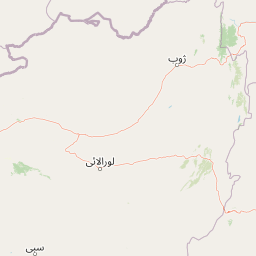
The landscape of Ziarat National Park is defined by its mountainous terrain and the distinctive presence of ancient juniper trees growing across steep valleys and ridgelines. The park occupies a high-elevation zone in the Ziarat Valley, where the terrain rises sharply from valley floors to mountain ridges. The juniper trees grow in scattered patterns across the slopes, often appearing to emerge directly from rocky terrain. The overall landscape character is one of dramatic topography combined with the haunting presence of ancient trees. Mist and cloud frequently envelop the upper reaches of the forest, creating an atmospheric quality that distinguishes this area from the more arid lowlands of Balochistan.
Ziarat National Park ecosystems, habitats, and plant life
The nature of Ziarat National Park centers on its ancient juniper forest ecosystem, which represents a unique habitat type within Pakistan. The juniper trees, belonging to species adapted to dry mountain conditions, have developed into a distinctive forest community over many centuries. The forest exists in a transitional zone between different ecological regions, giving it characteristics found in neither the desert lowlands nor the wetter mountain forests of the north. The ecosystem supports a specialized community of plants and animals adapted to the dry, high-elevation conditions. The juniper forest also plays important roles in soil conservation and water regulation within the watershed.
Ziarat National Park wildlife and species highlights
The wildlife of Ziarat National Park includes species adapted to the dry mountainous environment of Balochistan. The juniper forest and surrounding rocky terrain provide habitat for various bird species and small mammals. The area supports populations of both resident species and migratory birds that use the forest as a seasonal habitat. The rocky outcrops and cliff areas within the park provide nesting sites for birds of prey. While the park is not known for large mammalian species, the diverse microhabitats created by the juniper forest support a variety of smaller wildlife.
Ziarat National Park conservation status and protection priorities
Ziarat National Park represents a critical conservation priority for Pakistan due to the global significance of its ancient juniper forest. The forest is considered one of the oldest and largest remaining juniper forests in the world, making it a Globally Significant Ecological Area. The park's conservation value extends beyond the juniper trees themselves to include the entire ecosystem they support and the watershed services they provide. Protection of this area helps preserve genetic diversity in juniper populations and maintains ecological processes that have operated in this region for millennia. The park also serves as a living laboratory for understanding how ancient forest ecosystems function and how they can be managed sustainably.
Ziarat National Park cultural meaning and human context
The Ziarat juniper forest holds deep cultural significance for the local communities of Balochistan. For generations, the forest has been regarded as a sacred landscape, with traditional practices helping to ensure its survival when other forests in the region have been lost. Local communities have developed a relationship with the juniper forest that integrates ecological knowledge with cultural values. The forest provides resources including grazing, fuel wood, and medicinal plants while also serving as a spiritual and cultural landmark. The preservation of Ziarat National Park thus carries importance not only for ecological reasons but also for maintaining cultural continuity and traditional land management practices.
Top sights and standout views in Ziarat National Park
The ancient juniper forest of Ziarat National Park stands as the primary highlight, with trees estimated to be over 1,000 years old representing one of the oldest forest ecosystems in Pakistan. The park offers a rare opportunity to experience a landscape where ancient trees have persisted through centuries of environmental change. The mist-covered mountain scenery and the dramatic setting of the juniper forest in a rugged valley create a distinctive visual experience. The park provides important watershed functions for surrounding communities while serving as a refuge for wildlife adapted to this dry mountainous environment.
Best time to visit Ziarat National Park
The best time to visit Ziarat National Park is during the spring and early summer months when temperatures are moderate and the landscape is vibrant. The winter months can bring snow to higher elevations, potentially limiting access to some areas of the park. Summer temperatures in the valley can become quite warm, while winter conditions may make visits difficult due to cold temperatures and precipitation. The spring season often brings blooming wildflowers to the areas surrounding the juniper forest, adding color to the landscape. Autumn can also be a pleasant time to visit with clear skies and comfortable temperatures.