
Trip Timing
When to Visit Arusha National Park: The Essential Timing Overview
For travelers planning a trip to Arusha National Park, determining the ideal time to visit requires balancing the allure of clear mountain vistas with the preference for specific wildlife viewing conditions. The best time to visit is widely considered to be the dry season, which spans from June to October, as well as the briefer dry period in January and February. During these months, the convergence of comfortable temperatures and significantly lower precipitation creates the most reliable environment for trekking the slopes of Mount Meru and observing wildlife across the park's diverse ecosystems.
The Influence of Elevation on Your Visit
Arusha National Park is defined by its dramatic topography, ranging from the low-lying Momella Lakes to the high-altitude slopes of Mount Meru. Because of this elevation gain, the climate is fundamentally a mountain-influenced one. While the lower grasslands often remain warm and sunny, visitors should expect significant temperature drops as they ascend. Even during the peak of the dry season, early morning and evening hours can feel quite cool, especially at higher elevations. Understanding this vertical temperature gradient is crucial for planning your itinerary, as the weather you experience at the park gates may not reflect the conditions awaiting you on the trails or at higher vantage points.
Balancing Rain and Landscape Character
While the dry months offer the most predictable access, the park undergoes a remarkable transformation during the wetter periods, specifically the long rains of March through May and the shorter, intermittent rains of November and December. Choosing to visit during these times presents a clear trade-off: while you must contend with higher humidity, more frequent cloud cover, and potentially muddy trails, you are also rewarded with a landscape that is exceptionally lush and vibrant. This period also draws specific birdlife to the alkaline shores of the Momella Lakes. The decision rests on whether your priority is the ease of movement and expansive views that characterize the dry season or the verdant, bird-rich scenery that arrives with the rains. Regardless of when you choose to go, it is important to remember that weather patterns, particularly in mountain environments, can shift rapidly. While long-term climate data provides a reliable baseline for what to expect during any given month, it does not function as a forecast, and all travelers should maintain flexibility in their plans to accommodate the day-to-day realities of this high-altitude protected area.
Seasonal Planning
Best Months to Visit Arusha National Park by Interest and Activity
Peak Windows for Mount Meru Trekking and Clear Views
For travelers prioritizing the summit of Mount Meru or consistent, clear-sky views of the iconic Mount Kilimanjaro, the periods from June through October and January through February stand as the most reliable choices. These months align with the park's primary dry seasons, offering lower precipitation levels and reduced humidity. During the June to October stretch, the increased wind speeds help clear the air, providing crisp, long-range visibility that is essential for photography and mountain navigation. While temperatures at higher elevations remain cool to cold, the lack of persistent cloud cover significantly lowers the risk of trail-related delays and discomfort associated with heavy rainfall.
Birdwatching and Lush Landscapes in the Wet Seasons
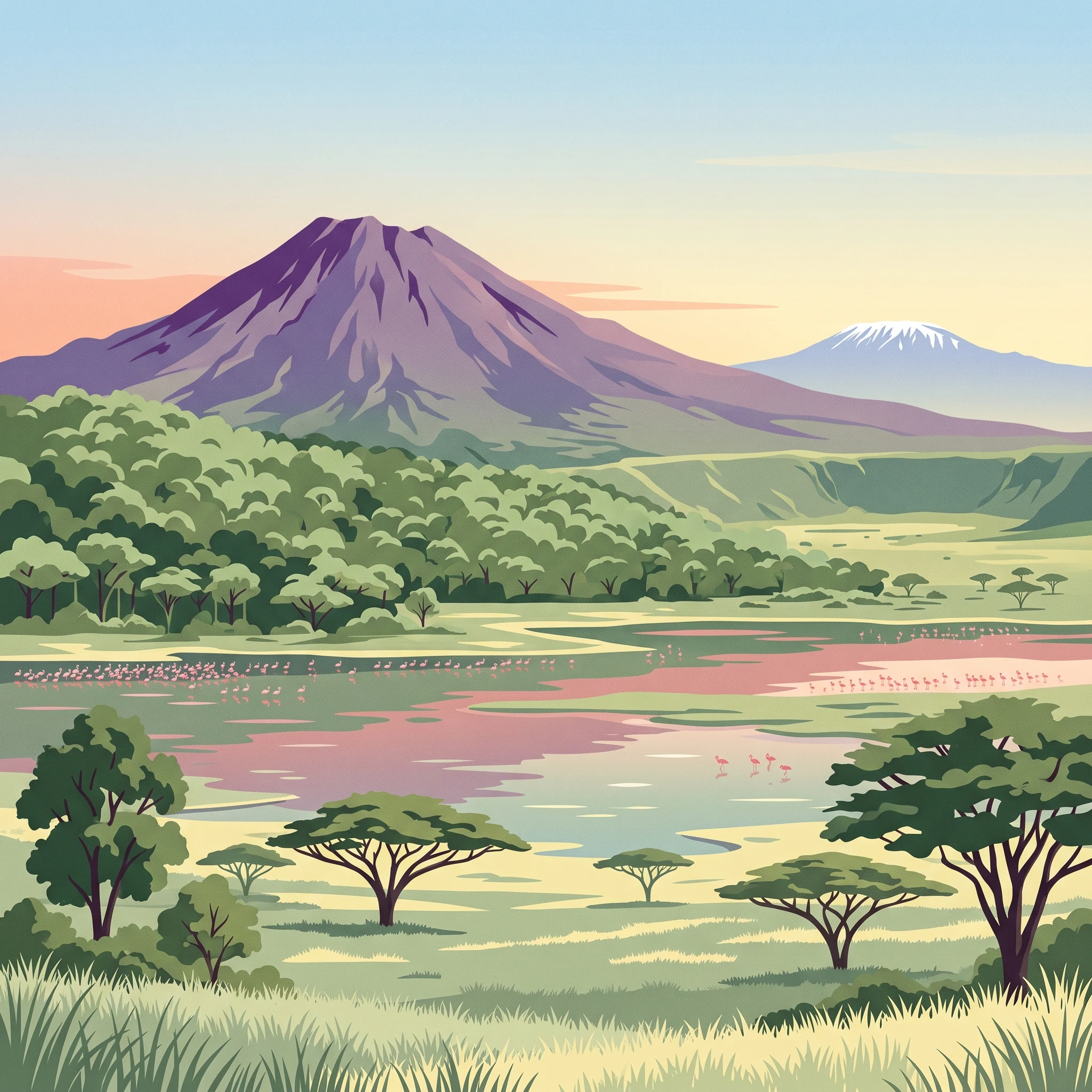
Travelers focused on the park's avian diversity, particularly the thousands of flamingos gathering at the Momella Lakes, may find the wetter months more rewarding. The long rains occurring from March through May, combined with the short rainy period in November and December, bring a lush transformation to the grasslands of the Ngurdoto Crater. While the higher humidity and increased precipitation, especially in April and May, can lead to muddy conditions on secondary trails, the increased water availability encourages peak activity among bird species and the local wildlife populations. Visitors during these windows should anticipate shorter, intense rain showers rather than constant storms, though the trade-off remains a higher probability of mist obscuring mountain vistas and more challenging conditions for strenuous hiking.
Balancing Weather Comfort and Seasonal Transitions
Those seeking a balance between the extremes of the dry and wet seasons often look toward the transition months, such as November or late May. These periods offer moderate, albeit less predictable, weather patterns. November, which follows the peak dry season, often sees the onset of the short rains, cooling the landscape without the sustained, heavy mud that characterizes the April long-rain peak. Similarly, late May can provide a reprieve from the tail end of the long rains, offering a greener, more vibrant landscape before the cool, dry winds of June take hold. Because weather conditions vary significantly by altitude within the park, travelers should note that the lower plains near the park entrance often remain warmer and more accessible even during the periods when the higher, forested slopes of Mount Meru experience heavier cloud cover or persistent dampness. Always verify current conditions before departure, as micro-climates can create localized variations regardless of monthly averages.
Annual Climate Overview
Understanding Weather and Climate by Month in Arusha National Park
Thermal Patterns and the Impact of Elevation
Arusha National Park presents a temperate, mountain-influenced climate that differs significantly from the humid lowlands often associated with Tanzania. Because the park spans diverse ecological zones from the Momella Lakes to the slopes of Mount Meru, visitors should recognize that long-term climate normals represent the park's lower-to-mid elevations. Within this range, temperatures remain mild, though they are subject to distinct diurnal shifts. Average daily maximums typically peak between 27 and 35 degrees Celsius, with the warmest conditions consistently recorded in February, just before the primary onset of the long rains. Conversely, nighttime temperatures regularly drop to around 10 to 12 degrees Celsius during the coolest months of June and July, creating a sharp contrast that necessitates layered clothing for early morning game drives.
It is essential to understand that these climate normals function as long-term statistical averages rather than localized forecasts. Atmospheric conditions can fluctuate based on specific topography, and higher altitude terrain on the slopes of Mount Meru often experiences colder temperatures and more frequent mist than the plains. Travelers should anticipate that while the lowland normals suggest mild days, individual experiences will vary depending on the specific elevation of the trail or viewing point.
Precipitation Cycles and Moisture Shifts
The annual rhythm of the park is defined primarily by two distinct rainy phases. The long rains occur from March through May, with April recording the highest average precipitation levels, often exceeding 5 millimeters per day. During these months, the relative humidity frequently climbs toward 80 percent, which can reduce visibility and affect ground conditions. A secondary, shorter period of increased precipitation occurs in November and December, though the impact is generally less pronounced than the spring peak.
In contrast, the dry seasons from June to October and January to February offer the most predictable weather patterns. June and July are notably arid, with daily precipitation often falling well below 1 millimeter on average. These months are characterized by lower humidity, which often correlates with clearer, more stable air. This period of low moisture is a defining feature for travelers who prioritize consistent visibility for wildlife viewing and mountain photography, as the lack of sustained cloud cover during the dry months maximizes the potential for clear-sky days.
Variations in Wind and Daylight
Beyond temperature and rainfall, wind speeds and daylight hours follow a predictable cycle that influences the comfort of a visit. Wind activity tends to peak during the middle of the year, particularly in August and September, when average speeds may exceed 5 meters per second. These breezy conditions can make the higher, more exposed volcanic ridges feel considerably cooler than the sheltered forest basins. Daylight duration remains relatively stable, hovering between 11.8 and 12.2 hours throughout the year. While the variance is minor, the slightly shorter days during the middle of the year coincide with the cooler, drier season, encouraging early starts for those looking to maximize their time in the field before the peak midday sun.
Seasonal climate patterns
Understanding Annual Weather Phases and Seasonal Shifts in Arusha National Park
The Rhythm of the Dry Season
The park experiences two distinct dry intervals that serve as the primary windows for mountain trekking and expansive wildlife observation. The extended dry period, running from June through October, is characterized by the most reliable conditions for climbing Mount Meru. During these months, rainfall drops to its annual minimum, often dipping below 1 mm per day by July. The humidity remains manageable, and consistent winds, which peak in August and September, help clear the air. This period is not merely a break in the weather; it is a fundamental shift in the park environment where moisture-dependent vegetation begins to thin, improving visibility across the Ngurdoto Crater and the Momella Lakes. Visitors during these months should anticipate cool mornings, particularly at higher altitudes, requiring layered clothing despite the sunshine.
Short Dry Spells and Transitional Shifts
A secondary, shorter dry phase occurs during January and February. While statistically similar in precipitation levels to the main dry season, these months are often warmer, with average daytime maximums frequently exceeding 34 degrees Celsius at lower elevations. This transition follows the end of the short rains and represents a period of peak environmental vigor, where the landscape retains much of the greenery from the preceding months before the onset of the long, heavy rains in March. This period offers a unique climate balance: it remains generally dry enough for hiking and crater exploration but lacks the sustained, crisp wind patterns that define the mid-year dry months.
Navigating the Long and Short Rains
The park undergoes two rainy cycles that dictate the flow of its ecosystem. The long rains, spanning March through May, represent the most significant weather transition of the year. Precipitation peaks in April, reaching averages of over 5 mm per day. During this phase, relative humidity climbs toward 80 percent, and cloud cover frequently obscures the upper slopes of Mount Meru. This is not a time for reliable, dry-terrain hiking; rather, it is a period where the landscape transforms into a dense, humid environment suitable for those who prioritize vibrant flora and birding over summit visibility. Temperatures are generally at their lowest during May, with daily means hovering around 20 degrees Celsius.
The short rains, occurring in November and December, function as a less intense precursor to the main seasonal shift. Rainfall increases compared to the dry season, but the period is marked by sporadic, lighter showers that sustain the park's lushness without consistently disrupting travel. November serves as a transitional gate, bridging the transition from the dry, windy months to the wetter, more humid end of the calendar. Unlike the concentrated intensity of April, these months often feature alternating cycles of sun and rain, allowing for more flexible, albeit potentially muddy, wildlife viewing and forest exploration.
Seasonal Experiences
Experiencing Arusha National Park Landscapes and Wildlife Throughout the Year
Mount Meru Trekking and High Altitude Conditions
Climbing Mount Meru is a physically demanding endeavor that relies heavily on stable trail conditions and clear visibility for both navigation and safety. The driest months, particularly June through October and the short dry period in January and February, provide the most consistent environment for trekking. During these windows, the reduced likelihood of heavy rainfall keeps the forest paths and rocky slopes of the crater rim significantly more stable. Trekkers should consider that while the lower elevations near the park entrance remain pleasant, temperatures drop sharply at higher altitudes. The cooler, dry conditions of mid-year allow for easier exertion compared to the humid months of April and May, when cloud cover often obscures the summit and trails become slippery.
Wildlife Observation in Ngurdoto Crater
The wildlife viewing experience in the Ngurdoto Crater varies based on vegetation density and water availability, both of which fluctuate with the annual rainfall cycle. During the dry season, grass becomes shorter and thinner around the crater floor, making it easier to spot grazers like buffalo and antelope against the dark volcanic soil. Conversely, the transition into the wetter months stimulates new plant growth, which attracts animals but also provides more cover, occasionally making sightings more challenging for visitors. Because the park features diverse ecosystems, including montane forests, the timing of your visit can determine whether you are focused on the wide-open views of the crater or the bird-rich canopy where colobus monkeys reside.
Canoeing and Birdlife on Momella Lakes
The Momella Lakes represent a unique water-based experience within the park, but their accessibility is subject to seasonal changes in water levels. When water levels are sufficient, guided canoe safaris allow for close-up viewing of hippos and the vibrant flamingo populations that frequent the alkaline shores. The concentration of these birds is a dynamic spectacle, but their numbers and distribution can shift in response to the lake's chemistry and seasonal rain cycles. Travelers hoping to prioritize water activities should note that excessive rain can sometimes impact lake access or launch points, while prolonged dry spells can occasionally lower water levels. For those focused specifically on birdwatching, the greener, more humid periods often bring increased insect activity, which in turn supports higher concentrations of avian life, providing a distinct contrast to the drier months when mammal viewing takes precedence.
Visitor Priorities
Optimizing Your Arusha National Park Visit Based on Interests and Goals
Balancing Walking Comfort with Mountain Clarity
For travelers prioritizing high-altitude trekking on Mount Meru, the window between July and September offers the most stable conditions. While the average daytime temperatures in the park remain moderate, the cooler air at higher elevations during these months reduces the physical strain of long, multi-day ascents. Furthermore, the significantly lower precipitation levels during this period mean that trekking paths are less likely to be muddy or slippery, and the morning views of the crater rim are rarely obscured by heavy cloud cover. The compromise for this stability is that the landscape is at its driest, with the vibrant green colors of the montane forest fading into more muted, golden tones as the dry season progresses.
Targeting Maximum Wildlife Visibility and Activity
Visitors whose primary goal is wildlife spotting within the Ngurdoto Crater or birding around the Momella Lakes often find that the transitional months of October and late May provide a unique balance. While the core dry season is excellent for spotting large mammals that congregate near shrinking water sources, the vegetation is often dense during the wetter months. By visiting just before or after the heaviest rain, you can benefit from the tail end of active migratory bird patterns or the emergence of new growth. During these transition periods, you may encounter short, intense bursts of rain, which necessitates a flexible daily itinerary to move between the open grasslands and the shelter of the forest galleries.
Prioritizing Warmth and Extended Daylight
If your schedule revolves around maximizing daylight hours for a short, multi-ecosystem visit, January and February present an advantageous window. During these months, the park experiences longer daylight hours, providing a wider margin to traverse from the lake margins to the lower slopes of the mountain within a single day. The temperatures are also at their peak, making early morning starts around the Momella Lakes much more comfortable, as the early warmth dissipates the morning chill rapidly. The trade-off for these warmer, brighter days is the higher average maximum temperature, which can reach nearly 35 degrees Celsius at lower elevations. While this is rarely oppressive due to the park's elevation and typical breeze, it requires more focus on hydration and sun protection during midday activities compared to the cooler, cloudier conditions of the mid-year months.
Access and Logistics
Seasonal Access and Practical Trip Planning for Arusha National Park
Access to the park is generally year-round, but the practical ease of traversing terrain varies significantly with the shifting precipitation patterns described in earlier chapters. While the road network and main gates remain officially designated for transit, heavy rainfall,most notably during the long rains from March through May,can influence the accessibility of secondary tracks and trails. Travelers should view these seasonal patterns as markers for road conditions rather than fixed schedules of closure. Always confirm the current state of park roads with the Tanzania National Parks Authority or your local tour operator before finalizing your transport plans for the wet season.
Planning Mount Meru Trekking Logistics
Climbing Mount Meru requires a higher degree of logistical preparation compared to standard game viewing. All treks must initiate through the Momella Gate. Because the trail requires mandatory ranger guides, independent planning is restricted in favor of organized access. The administrative process typically involves securing trekking permits and coordinating with official park services to ensure safety standards are met. Visitors should note that requirements for porters, cooks, and specific equipment hire are often integrated into formal tour packages. Since regulations and fee structures are subject to periodic review by the authorities, you must verify the latest permit requirements and current costs directly through official park channels or licensed operators at the time of your booking.
Navigating Fees and Administrative Requirements
Entry into the park is governed by a fee structure that differentiates between standard conservation access and additional services such as overnight stays in mountain huts. Because these costs are established by national policy, they remain subject to change. When budgeting for your trip, account for the fact that a complete trek involves multiple layers of mandatory costs, including park entry, rescue fees, and potentially variable service charges for support staff. Never rely on historical fee data found in secondary travel documentation. Instead, consult the current Tanzania National Parks Authority website or contact the park office directly to receive the most accurate information regarding daily entry fees and current mandatory service charges for your travel window.
Transport and Arrival Considerations
Arusha National Park is positioned to be easily accessible from the primary northern safari hub of Arusha city. While the park is compact, the quality of your experience depends on your choice of vehicle and your departure timing. During periods of higher precipitation, higher-clearance vehicles are strongly recommended to navigate potentially muddy terrain. Whether you are traveling via a private tour operator or arranging your own logistics, communicate with your service provider about the specific road conditions relevant to your travel dates. This proactive approach helps mitigate delays and ensures your itinerary remains feasible even if recent weather patterns have impacted local routes.
Safety and Preparation
Seasonal Weather Hazards and Packing for Arusha National Park
Preparing for Temperature Fluctuations at Higher Elevations
Visitors to Arusha National Park often focus on the warm, consistent conditions of the surrounding lowlands, but the park encompasses diverse terrain, including the slopes of Mount Meru, where temperatures can drop significantly. Preparation should always account for the reality that the park is not a single climate zone. While the park’s base resides at an elevation that keeps annual mean temperatures generally comfortable, the ascent toward the crater rim involves rapid shifts in ambient warmth. During the dry season months of June through September, morning temperatures at higher trail segments can feel quite cool, requiring a layering strategy that allows for quick adjustments as the sun warms the landscape later in the day. Because these conditions are based on regional long-term normals, always check the latest mountain-specific forecasts and consult with park authorities regarding current conditions before you start your ascent.
Managing Trail Conditions During Wet and Dry Phases
The park's two primary rainy phases, specifically the long rains from March to May and the short rains in November and December, significantly influence the terrain. During these times, trails and access roads can become muddy or difficult to traverse. When planning your trip, assess how recent precipitation might have altered path conditions. If you are visiting during the peak of the rainy season, footwear with adequate tread is generally necessary to navigate uneven or slick surfaces safely. Conversely, the dry months, particularly from July to October, can produce dusty environments with high visibility. The combination of wind speeds, which tend to increase in the mid-year months, and lower humidity levels can lead to dehydration faster than anticipated, even in temperate conditions. Pack enough water to remain hydrated throughout your specific activity, as the arid nature of the dry season requires proactive intake.
Adjusting for Daylight and Seasonal Exposure
Daylight hours in the park remain relatively consistent due to its proximity to the equator, yet small fluctuations affect the timing of your outings. Planning your activities to coincide with daylight ensures that you remain on established routes. For those visiting during the transition periods, be aware that cloud cover is common and can limit visibility, making navigation more challenging. Protection against the elements, including high-altitude sun exposure, is a standard consideration for any outdoor time in northern Tanzania. Always verify the current status of park trails, gate access times, and any specific safety requirements provided by the Tanzania National Parks Authority, as these are the only sources of definitive operational guidance for your visit.
Trip Decision Framework
How to Select Your Ideal Time to Visit Arusha National Park
Selecting the right time for your visit requires balancing your tolerance for specific weather patterns against the primary activities you intend to pursue. Because the park features significant elevation changes across its volcanic landscapes, your experience will vary as much by the altitude you occupy as by the calendar month you choose. The most reliable windows for consistent mountain trekking conditions and clearer panoramic vistas occur during the extended dry period from June through October and the shorter, warmer window in January and February. During these times, the reduced rainfall and lower humidity make hiking the slopes of Mount Meru and traversing the Ngurdoto Crater rim more predictable, though you must prepare for cooler nighttime temperatures as you gain altitude.
If your goals are centered on witnessing the park in its most vibrant state, the wetter months of March through May and November through December offer a different set of trade-offs. While you will encounter frequent rain and more challenging, muddy trail conditions, the landscape becomes lush and the Momella Lakes host diverse bird populations that are highly active in these conditions. This is a period of transition where vegetation is dense and wildlife can be harder to spot, yet the park provides a quieter, more solitary experience for those who do not mind shifting plans to accommodate weather variability.
Ultimately, there is no single ideal time that guarantees every park feature will be at its peak simultaneously. Instead, you should view the annual climate cycle as a series of trade-offs. Choosing the dry season prioritizes access and visibility, while choosing the shoulder or wetter months prioritizes scenery and specific wildlife behaviors at the expense of ease of movement. As you finalize your dates, keep in mind that climate normals provide a statistical baseline rather than a promise of specific conditions. Current weather forecasts, local park status alerts, and official reports regarding road or trail closures from the Tanzania National Parks Authority remain the most accurate sources for last minute planning. Aligning your expectations with these inherent environmental realities ensures that your visit remains both safe and aligned with your personal interests, regardless of when you decide to travel.