
Visitor Planning
When to Visit Bohemian Switzerland National Park: A Quick Overview
Determining the best time to visit Bohemian Switzerland National Park requires weighing your personal tolerance for temperature fluctuations and your appetite for outdoor solitude. The park experience is heavily defined by its dramatic sandstone rock formations and narrow canyons, which create microclimates that differ significantly from the surrounding Czech countryside. For most visitors, the transition months of late spring and early autumn offer the most favorable balance of manageable hiking temperatures and daylight, avoiding the extremes of the peak summer heat and the deep, persistent chill of the winter months.
Balancing Weather and Visitor Density
If your primary goal is to hike comfortably through the iconic sandstone archways and along the Kamenice Gorge, late May through June and September into early October serve as the most reliable windows. During these periods, the region experiences daytime temperatures that rarely reach the intense, muggy highs often seen in July and August, when mean temperatures rise toward 19 degrees Celsius. Because the park is a popular destination within the Central European region, timing your trip outside of the mid-summer peak reduces the pressure on popular trailheads and narrow paths, allowing for a more intimate encounter with the landscape. While summer offers the benefit of daylight stretching beyond 16 hours, the trade-off is often a higher concentration of visitors, which can impact the serene atmosphere of these historic stone formations.
The Impact of Seasonal Transitions
Visitors planning a trip outside of the primary hiking months must consider how the region's sharp seasonal shifts dictate accessibility and enjoyment. In the shoulder seasons of late autumn and early spring, the park’s relative humidity and temperature patterns become more volatile. Even as daylight hours dwindle in November, the landscape takes on a distinct, moody character that can be rewarding for photographers and those who prefer quiet trails. However, these periods are characterized by cooler, damper conditions that necessitate careful planning for variable terrain. The rapid drop in mean temperatures as autumn progresses into winter highlights the importance of matching your gear to the reality of a sandstone landscape that retains cold air in its deep, incised valleys.
Rather than seeking a single ideal month, prioritize the environmental conditions that support your specific activities. Whether you are driven by the search for optimal, mild trekking temperatures in May or the preference for the cooling, atmospheric quiet of an October morning, the park provides distinct experiences that shift drastically with the sun angle and the seasonal movement of air through its narrow canyon systems. Readers should recognize that while these patterns are consistent year over year, daily conditions remain subject to localized weather patterns that shift quickly within these sandstone formations.
Seasonal Planning
Best Months to Visit Bohemian Switzerland for Your Travel Priorities
Peak Hiking and Daylight Efficiency (May to September)
For travelers whose primary goal is maximizing time on the sandstone trails, the period from May through September offers the most stable conditions. These months provide the longest daylight hours, peaking in June with over 16 hours, which is essential for navigating the complex terrain of the Elbe Sandstone Mountains. Temperature ranges during this window are generally mild to warm, with mean temperatures climbing from roughly 13°C in May to nearly 20°C in July. This season is best suited for those looking to reach the Pravcicka brana arch early in the day or spend extended time exploring the deep gorges. The primary trade-off is higher visitor density, as these months align with the peak travel period for Central Europe, which can result in more crowded paths at popular viewpoints and limited parking near trailheads.
The Atmospheric Shoulder Seasons (April and October)
Travelers prioritizing quiet observation and dramatic lighting often find that April and October provide a compelling alternative to the summer surge. During these months, the park undergoes significant visual transitions, with spring blossoms appearing in April and autumn foliage saturating the sandstone canyons in October. Mean temperatures remain cool, typically hovering around 8°C, which many hikers prefer over the heat of high summer. While the daylight window is shorter than the peak of summer, it remains sufficient for day hikes. The compromise for visiting in these windows is a higher risk of variable weather and lower ground temperatures, particularly at night. Hikers should be prepared for more frequent shifts in cloud cover and humidity levels compared to the relatively drier, warmer patterns of mid-summer.
Winter Solitude and Cold-Weather Access (November to March)
Visiting between November and March is best reserved for those interested in the raw, elemental character of the sandstone landscape. Daylight drops significantly, reaching a low of under 8 hours in December, which requires careful planning for shorter excursions. Mean temperatures often drop near or below freezing, and the park experience shifts toward the atmospheric, misty conditions common in the valley floors. This period is not ideal for those seeking easy access to the full network of trails, as cold-weather patterns can make steep cliff paths slippery and hazardous. Visitors in this window must accept that the park is at its most rugged, with limited daylight and potential for icy conditions that may necessitate specific gear. This time is uniquely quiet, offering an opportunity to experience the rock formations without the presence of seasonal crowds, provided the visitor prioritizes safety and careful planning over broad accessibility.
Annual Climate Overview
Understanding Weather and Climate Patterns in Bohemian Switzerland by Month
Navigating the Annual Temperature Shift
The climate of Bohemian Switzerland is defined by its dramatic seasonal volatility, which is characteristic of the Elbe Sandstone Mountains. Travelers often find that temperature normals here serve as a guide to the physical comfort of outdoor exploration rather than a guarantee of conditions at any specific elevation or time. The annual pattern features a distinct transition from sub-zero, often frozen winter months between December and February, where mean temperatures hover near the freezing point, to a robust, sun-drenched peak in July when daily maximums can climb significantly higher. This shift is not merely gradual but punctuated by rapid changes in spring, particularly as the transition from April to May sees mean temperatures rise from around 8°C to nearly 13°C, setting the stage for the most active hiking periods.
Patterns in Daylight and Humidity
Daylight availability serves as one of the most reliable predictors for planning, with a significant disparity between the depths of winter and the height of summer. In December, visitors must contend with shorter days of roughly 7.8 hours, which necessitates careful planning for any longer excursions. Conversely, June and July offer over 15 to 16 hours of daylight, providing a generous window for navigating the park's dense rock formations and forest trails. Humidity levels often mirror these seasonal rhythms, remaining consistently high throughout the winter months, typically exceeding 93 percent in December and January. This dampness, combined with lower temperatures, can intensify the sensation of cold, making moisture-wicking gear essential. By mid-summer, humidity levels generally drop to their annual lows, often falling below 70 percent in July, creating a drier, more comfortable atmosphere for extended physical activity.
The Impact of Precipitation and Wind
Precipitation in this region is relatively consistent throughout the year but follows subtle trends that influence trail conditions. Late spring and early summer often bring slightly higher precipitation volumes compared to the drier windows of late winter and mid-autumn. Specifically, rainfall trends upward from 1.34 mm per day in April to a peak of 2.92 mm per day in July. While these figures represent long-term climate normals rather than daily forecasts, they highlight a tendency toward more frequent rain during the peak of the visitor season. Wind patterns also remain a factor, particularly in the more exposed clifftop environments or atop the prominent sandstone arches. Average wind speeds remain most pronounced during the winter months, when the influence of regional weather systems is typically stronger, often exceeding 5 m per second. These winds generally subside toward the summer months, providing calmer conditions that are more conducive to enjoying the panoramic views from the park's elevated sandstone platforms. It is vital to remember that these long-term normals are derived from a specific sampling elevation and location, and local conditions within the deep canyons and narrow gorges of the park may vary significantly from these recorded trends.
Annual Weather Cycles
Understanding Seasonal Transitions in Bohemian Switzerland National Park
The Shift from Winter Dormancy to Spring Awakening
Bohemian Switzerland does not follow a strict four-season cycle in terms of visitor utility, as the most significant changes occur in the transition between the dormant winter months and the active spring period. From January through March, the park remains in a state of thermal stagnation, with mean temperatures lingering near or below freezing. This period is defined by high relative humidity, often exceeding 90 percent, and increased wind speeds that heighten the sensation of cold, particularly in the exposed sandstone ravines. By late March, the lengthening daylight hours begin to alter the landscape, though ground conditions remain slow to recover from the winter freeze. Visitors will notice a distinct transition in April as the average maximum temperatures rise significantly, shifting from the single digits into the lower twenties. This period marks the end of the frost-prone winter phase and initiates the primary hiking season, characterized by rapidly drying trails and the return of verdant canopy cover.
Peak Activity and the Mid-Summer Thermal Plateau
The most stable weather pattern in the park occurs between May and August, forming a distinct warm-weather phase. During these months, the park experiences its highest daylight totals, peaking at over 16 hours in June and July, which provides the maximum possible window for navigating the intricate trail networks. Temperature trends here are consistent, with mean values climbing toward 20 degrees Celsius. While this is the period of highest visitor density, it is also when the unique microclimates of the sandstone canyons provide the most benefit; the deep, narrow gorges, such as those along the Kamenice River, remain cooler and more humid than the plateau tops. This phase is defined by its reliability, as precipitation levels are higher on average compared to the shoulder seasons but are often balanced by the long daylight hours, allowing hikers to wait out localized showers that are typical of summer afternoons.
The Autumnal Cooling Trend and Pre-Winter Transition
As September progresses, the park enters a clear cooling phase that distinguishes itself from the stable summer period. The transition is marked by a steady reduction in daylight, dropping from over 12 hours in September to fewer than 9 hours by November. While September often retains the warmth of the summer, October introduces a sharp decline in average minimum temperatures, which return to sub-freezing levels. This period is not merely a decrease in warmth but a fundamental shift in atmosphere, as the lower sun angle creates longer shadows within the deep canyons. The humidity begins to climb back toward the high levels seen in winter, and wind patterns become more variable as the seasonal atmospheric pressure changes. Unlike the quick spring thaw, the autumn transition is characterized by a lingering, atmospheric chill that suggests the return of the winter dormant state, eventually leading into the quiet, low-light conditions that define the late-year cycle.
Seasonal Experiences
Seasonal Character and Park Experiences in Bohemian Switzerland
Navigating Gorge and River Experiences
The sandstone canyons of Bohemian Switzerland are most defined by the Kamenice River, which hosts the famous Edmund and Wild Gorges. Access to these boat-based experiences is tied to daylight duration and operational capacity, which typically peak from late spring through early autumn. Because these tours require staff to navigate the narrow ravines, visitors should expect limited operating windows outside of the summer months. During the cooler transition periods of April or October, daylight remains sufficient for the hikes leading to the gorges, but the boat services may operate on reduced schedules. Planning a visit around these water features requires checking official boat operator notices, as water levels and seasonal staffing dictate the actual availability of the transport that connects the canyon trail segments.
Accessing Iconic Sandstone Landmarks
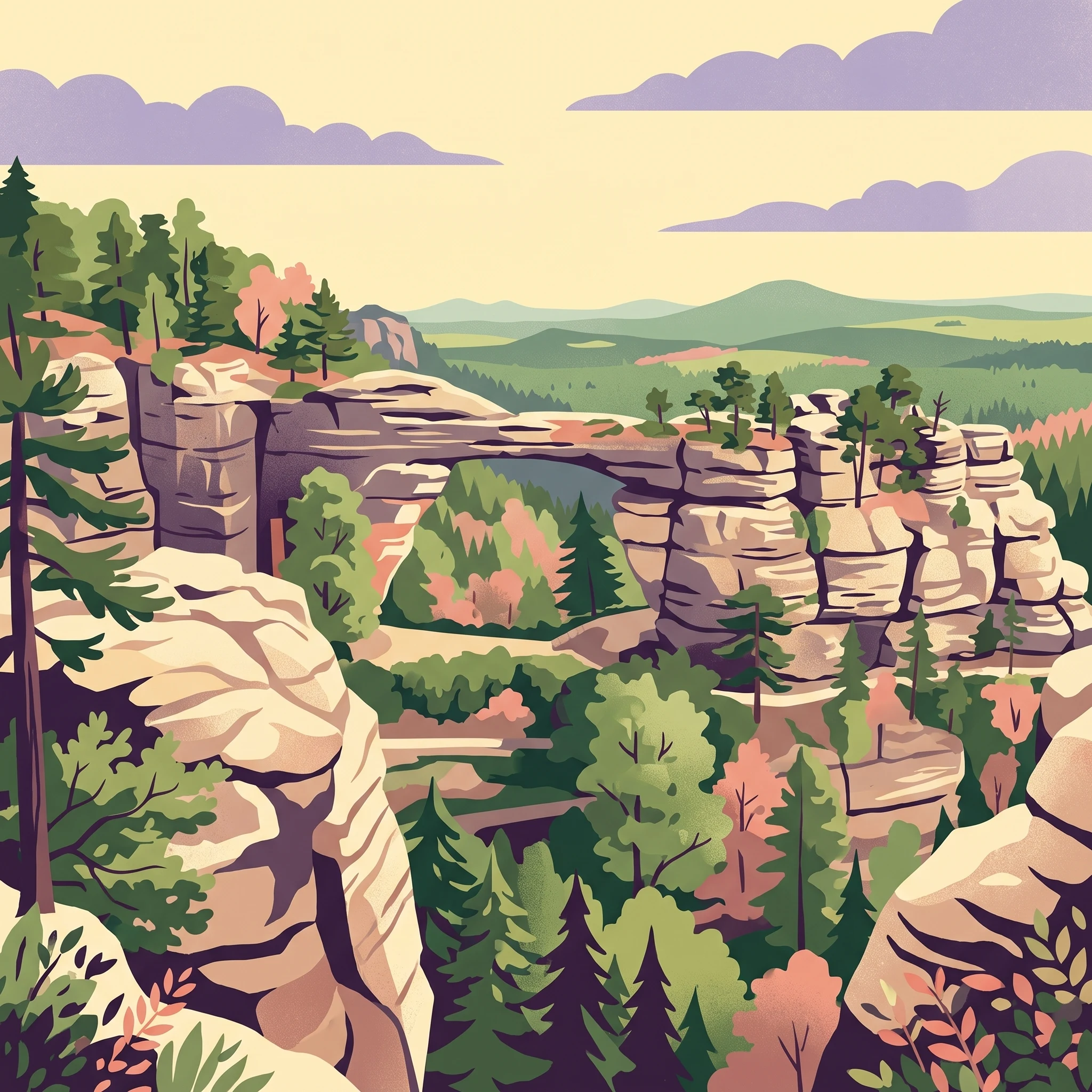
The Pravcicka Brana, Europe’s largest natural sandstone arch, serves as the park's primary landmark. Hiking to this formation is a year-round possibility for those prepared for winter conditions, though the experiences differ significantly across the calendar. In the stable warmth of May through August, the path is accessible with standard gear, taking advantage of the long daylight hours that extend well into the evening. As temperatures shift in late autumn and winter, the microclimate of the canyon terrain can result in icy or slippery paths near the arch. While the landmark itself remains, the experience of viewing it changes from a summer outing to a more technical hike that requires careful observation of surface conditions, as the sandstone can become hazardous during the freeze-thaw cycles described in earlier climate data.
Exploring Historic Rock Castles
Beyond the primary gorge and arch landmarks, the region is dotted with medieval rock castles such as Saunstejn and Falkenstejn. These sites, which are built directly into the cliff faces, offer a distinct experiential value during the shoulder seasons. In periods of moderate humidity and lower visitor density, such as mid-spring or early autumn, the climb to these cliff-side ruins is often more comfortable than in the peak of July heat. These castles are not gated in the traditional sense, but their rugged nature makes them highly sensitive to weather conditions. Exploring these sites during the drier, clearer months of September and October often provides the best visibility for the surrounding sandstone topography, whereas winter visits may be hindered by limited visibility and the physical challenge of ascending steep, potentially wet stone staircases. Visitors interested in these historical structures should prioritize stable, dry weather windows to ensure safety on the exposed cliff paths.
Travel Priorities
Best Time to Visit Bohemian Switzerland National Park by Activity and Preference
Prioritizing Mild Hiking Conditions
For travellers whose primary goal is comfortable, sustained movement across the Elbe Sandstone Mountains, the window between late April and early June offers the most favorable balance of temperature and light. During this period, mean temperatures rise from approximately 8°C in April to nearly 13°C in May, providing a crisp, manageable environment for climbing stairs and navigating rock-carved trails. The increased daylight,reaching over 15 hours by late May,allows for extended exploration of the Pravcicka Brana area without the intense heat stress associated with mid-summer peak temperatures, which can often exceed 30°C. The trade-off for this mild weather is the potential for intermittent spring precipitation, as the region experiences a transition that can result in damp trail conditions, requiring appropriate footwear and moisture-wicking gear.
Seeking Maximum Daylight for Landscape Exploration
Visitors aiming to maximize time on the trails often look toward the mid-summer months of June and July. This period provides the longest daylight hours of the year, peaking at over 16 hours in June. This duration is particularly useful for those planning to reach the more remote rock castles or complete larger circuits around the Kamenice Gorge in a single day. However, the compromise during these high-summer months is the volatility of the heat; daily maximums frequently reach 29°C to 31°C. While the deep, forested canyons provide some natural thermal regulation, the exertion required to scale sandstone cliffs in these conditions is significantly higher. Planning early-morning starts is the most effective way to leverage the extended daylight while avoiding the peak intensity of the afternoon sun.
Targeting Drier Intervals for Photography and Stability
If your priority is minimizing the likelihood of rain, the climate data suggests a focus on late spring and early autumn. April stands out as having lower daily precipitation levels compared to the height of summer, despite its cooler air. September also offers a favorable window, with mean temperatures settling back into a comfortable 13°C and a reduction in both humidity and rainfall relative to July and August. These periods are ideal for those whose focus is on capturing the dramatic relief of the sandstone formations in softer light, as the sun sits lower in the sky than during the summer solstice. The trade-off is the unpredictability of early-season cold snaps or late-season frosts; visitors must remain flexible with their itinerary and prepared for rapid changes in temperature, which can drop to near-freezing at night even when daytime conditions are pleasant.
Balancing Solitude with Accessible Access
Those prioritizing a quieter experience often look to the late autumn transition, specifically October. As the primary summer travel season winds down, the park landscape enters a period of greater stillness. Humidity levels remain manageable, and the average daytime maximums of around 21°C in early October are often sufficient for hiking without the layer requirements of full winter. The significant trade-off here is the rapid reduction in daylight,dropping to just over 10 hours,and the increased likelihood of fog within the sandstone valleys, which, while atmospheric, can limit visibility and make rock surfaces slippery.
Access and Operations
Seasonal Access Considerations for Bohemian Switzerland National Park
Navigating Seasonal Accessibility and Trail Conditions
Bohemian Switzerland National Park experiences significant variations in physical accessibility throughout the year, driven primarily by the environmental shifts between the harsh winter dormancy and the peak summer hiking season. While the park is a protected national space, trail conditions are not static. During the winter months from November through March, higher humidity, persistent cloud cover, and freezing temperatures often create icy or unstable footing on the park's characteristic sandstone paths and stairways. Visitors planning trips during this period should anticipate that certain trails may be difficult to traverse without appropriate specialized gear, and maintenance activities often occur during these quieter months to prepare for the spring season.
Transport and Regional Connections
Access to the park is facilitated by a network of regional trains and bus lines that integrate the area with larger transport hubs such as Děčín, Bad Schandau, and Dresden. Visitors frequently use the Eurocity train connections to reach these gateways before transferring to local transit systems. Buses, such as the 434, provide essential circulation through the park areas, but the frequency and availability of these services can fluctuate based on the time of year and the specific day of the week. Because these transport schedules are subject to change by regional authorities, travellers should always verify current timetables, ferry operational hours, and bus routes through official local transport websites before finalizing their travel dates.
Requirements for Verifying Operational Status
Beyond general climatic trends, many operational aspects of the park are governed by current regulations, environmental conditions, and seasonal management strategies. Specific details regarding the status of natural landmarks, the accessibility of cliff-side viewpoints, the operation of boat tours in the Kamenice Gorge, and the opening hours of visitor centres are not fixed on a calendar year. These factors are subject to change due to ongoing maintenance, conservation efforts, or sudden weather-related closures.
To ensure a successful visit, you must consult official park authorities and the latest public announcements before arrival. Always check the official website of the Správa Národního parku České Švýcarsko for the most up-to-date information on trail closures, permit requirements for specific areas, and any current safety restrictions. Relying on outdated travel guides or social media posts can lead to planning conflicts, as route conditions can shift abruptly throughout the year based on park management decisions and geological considerations.
Safety and Preparation
Weather Expectations and Seasonal Preparation for Bohemian Switzerland
Adapting to Sandstone Terrain and Microclimates
The rugged, vertical nature of Bohemian Switzerland requires consistent attention to footing and terrain, regardless of the season. The park landscape, defined by narrow canyons and elevated sandstone plateaus, creates localized microclimates that can differ significantly from regional weather forecasts. Damp conditions, which are common in the deep, shaded gorges like the Kamenice, keep trail surfaces slippery even when the higher plateau areas are dry. Regardless of the month, proper footwear with reliable traction is essential for navigating the uneven, often sandy or mossy stone paths that characterize this region.
Seasonal Weather and Clothing Strategies
Preparation for your visit should mirror the seasonal shifts in humidity and temperature. During the peak summer months, when temperatures often climb and daylight stretches beyond 15 hours, the primary concern is managing heat and sun exposure on open rock ridges. Conversely, in the shoulder months of April and October, the primary variable is the rapid cooling that occurs once the sun dips below the canyon walls. Early and late in the season, you should anticipate significant temperature fluctuations throughout the day. Layering remains the most effective strategy, allowing you to adjust for the humidity spikes that occur in forested valleys compared to the windier, more exposed cliff summits.
Navigating Environmental Variability
Weather patterns here are dynamic, and long-term climate normals, which suggest higher humidity and lower average temperatures during the late autumn and winter months, serve only as a general baseline for your packing list. In November and December, when average maximums drop significantly and humidity levels often rise above 90 percent, the risk of chilled, damp conditions is at its peak. You should verify current weather forecasts shortly before your departure, as the park authorities may issue specific warnings during periods of high wind or heavy precipitation that render certain cliff-side trails difficult or unsafe to navigate.
Preparing for Limited Daylight and Visibility
Daylight duration is a critical planning factor during the winter months, when the sun can set before 16:00. If you are planning longer hikes during the late autumn or winter, ensure your itinerary accounts for these shortened hours to avoid navigating technical trail segments in low light. While the park is open throughout the year, some access points or historical sites may have different operating schedules during the colder months. Always consult the official park website or visitor centers for current alerts regarding trail closures, as seasonal maintenance or environmental safety protocols can temporarily restrict access to popular areas like the Pravcicka brana arch.
Trip Decision Framework
How to Choose the Right Time to Visit Bohemian Switzerland National Park
Deciding when to visit Bohemian Switzerland requires reconciling your personal hiking objectives with the practical limitations of the Elbe Sandstone landscape. If your priority is long days on the trails, the period between late May and early August offers the most daylight for extensive exploration, though this comes with the inevitability of higher visitor density at primary sites like the Pravcicka Gate. Conversely, those seeking a more meditative experience should look toward the transitional months of April or October. During these times, the park is noticeably quieter, and while the air is cooler and daylight hours are fewer, the atmospheric quality of the sandstone formations often peaks against a backdrop of spring budding or autumn foliage.
Your choice should also consider your tolerance for terrain-specific challenges. The park's sandstone structure means that trail conditions fluctuate with seasonal humidity and temperature shifts. A trip in the high summer provides the most stable footing on popular, well-maintained paths, whereas visiting during the damper transition periods or the quiet winter season requires more attention to gear and a flexible itinerary. The winter months, while technically accessible, often feature significantly restricted operations, meaning your experience will be limited to self-guided walks rather than the full range of seasonal boat tours and facility-supported routes.
There is no single calendar month that serves everyone. Instead, weigh these trade-offs: choose the summer for accessibility and duration, or opt for the shoulder seasons for solitude and landscape clarity. Remember that the weather patterns discussed throughout this guide are based on long-term climate normals and do not function as a predictive tool for your specific dates. Before finalising your travel arrangements, always consult current official park alerts, transit updates, and weather forecasts. By prioritizing your personal comfort level and expectations for solitude versus convenience, you can select the window that best matches your own travel style.