
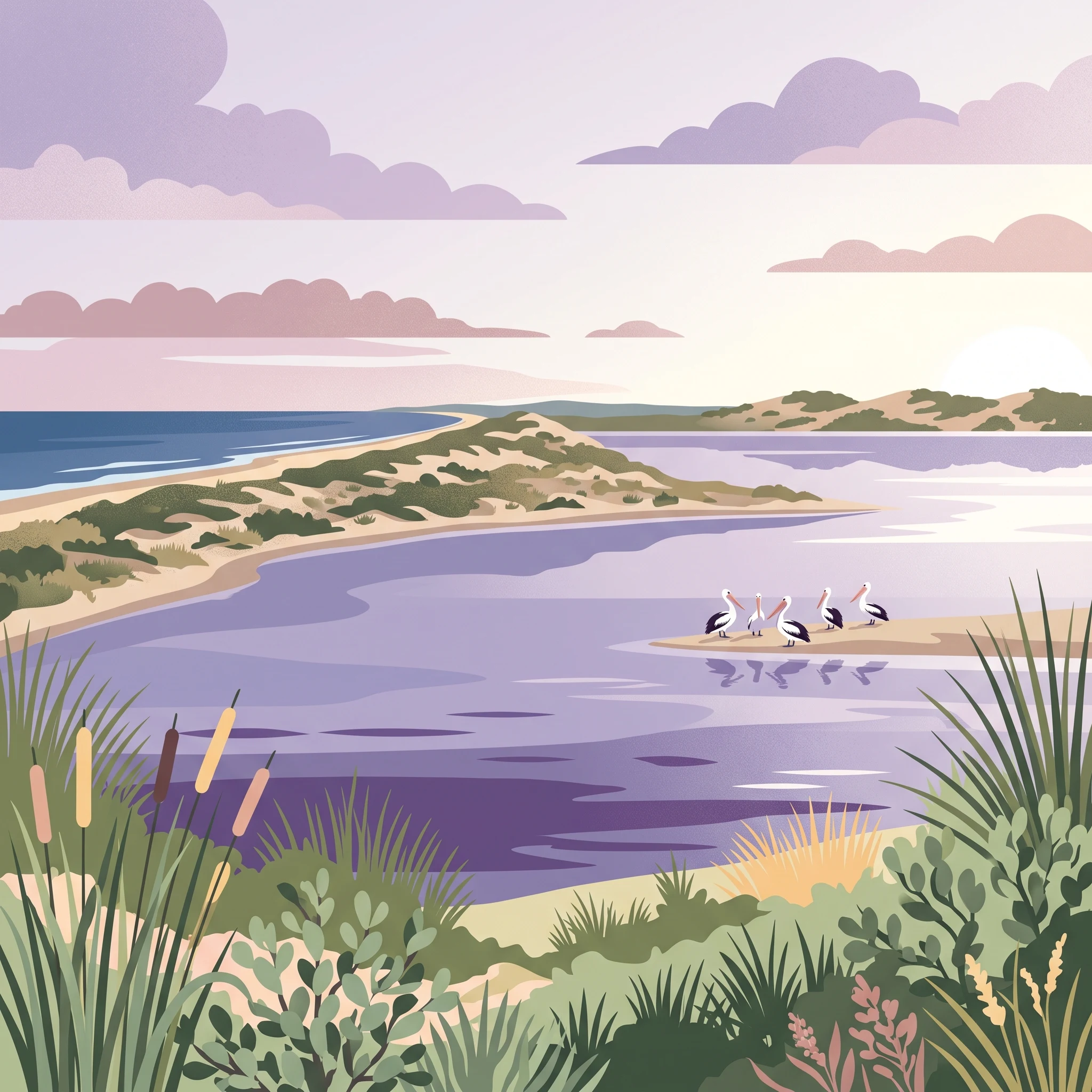
Visitor timing essentials
When is the best time to visit Coorong National Park
For those planning a trip to Coorong National Park, the best time to visit generally falls within the cooler months of the year, specifically from late autumn through mid-spring. During this period, the coastal climate becomes significantly more manageable, offering comfortable temperatures for exploring the park’s 194-kilometre stretch of beach and engaging in birdwatching across the lagoon system. Visitors aiming to witness the peak activity of migratory birds that travel the East Asian-Australasian flyway will find that these temperate months provide the most favourable conditions for extended outdoor observation.
Balancing Thermal Comfort and Environmental Exposure
Determining when to visit Coorong National Park requires a careful assessment of the region’s distinct seasonal shift from mild to intense. While the period between May and October offers cooler daily maximums that often sit comfortably between 17°C and 22°C, the late summer months present a dramatic contrast. From December through February, temperatures can climb significantly, with average maximums exceeding 30°C. This heat is often compounded by the park’s exposed coastal nature, where intense sun and persistent winds can make daytime activities along the dunes or the lagoon edges challenging for those unprepared for high-exposure environments.
Interaction of Wind, Lagoon Ecology, and Daylight
The park’s defining geographical features,a long, narrow lagoon system separated from the Southern Ocean by a sandy peninsula,mean that wind is a constant factor regardless of the season. However, the wind intensity and its interaction with the landscape vary throughout the year. Visitors should recognize that the same winds that characterize the coastal strip also influence the accessibility of the waterways. The choice of timing involves a fundamental trade-off between the desire for long daylight hours, which peak in December and January, and the preference for cooler, more stable weather conditions found in the transition months. Selecting a travel window is therefore not just about avoiding extreme heat; it is about choosing the level of climatic volatility that aligns with your specific plans for exploring the vast, protected wetlands and the iconic beach landscapes.
Ultimately, there is no single month that serves as the universal ideal. Those seeking to avoid the thermal extremes of mid-summer will naturally gravitate toward the cooler, windier shoulder seasons, while those prioritizing maximum daylight for long-distance beach exploration or extended photography sessions may find the early summer or late spring periods more suitable. By evaluating your tolerance for heat against the requirement for specific wildlife viewing conditions, you can identify the window that best serves your priorities for this coastal environment.
Seasonal Planning
Best months for visiting Coorong National Park
Peak birdwatching and temperate hiking: April to October
For most visitors, the period from mid-autumn through mid-spring offers the most balanced conditions for exploring the lagoon ecosystem and the Younghusband Peninsula. During these months, the daytime heat is significantly lower than in the summer, with average maximums typically ranging between 17 and 22 degrees Celsius. This cooler window is ideal for walking the extensive beach or observing the park's migratory bird populations, which are most active as the wetlands reach their peak levels of ecological activity. Because the wind speeds remain relatively consistent throughout the year, the cooler temperatures prevent the heat exhaustion that can occur during long, exposed excursions in the summer months. Travelers prioritizing wildlife photography or active coastal exploration will find this season provides a more stable and comfortable environment.
The heat and high-exposure window: December to February
Visiting during the austral summer months requires careful preparation due to the high intensity of the sun and temperatures that frequently exceed 30 degrees Celsius. While these months offer the longest daylight hours, sometimes stretching beyond 14 hours, they also present significant thermal challenges for anyone planning extended time on the dunes or the 194-kilometre beach. The primary trade-off during this period is the risk of heat stress versus the advantage of extended daylight for early morning or late afternoon activities. Visitors choosing these months should aim for dawn or dusk exploration, as the lack of shade throughout much of the park makes midday exposure dangerous for prolonged activity. If you prefer high-energy, sun-drenched beach experiences, this window is suitable, provided you carry significant water and strictly monitor the ultraviolet index.
Transition periods: March and November
March and November function as shoulder months where the climate begins to shift between the extreme heat of summer and the cooler, wetter months of winter. In March, visitors often encounter temperatures that are beginning to moderate from the summer peak, providing a slight reprieve for those who cannot travel in the colder winter window. Conversely, November marks the start of the warming trend, offering a final opportunity for mild conditions before the peak summer heat sets in. These transition periods are often subject to greater variability in daily weather, making them a strategic choice for visitors who are flexible with their plans and wish to avoid the most intense seasonal crowds or the coldest winter nights. Regardless of the chosen month, always check the latest official South Australian park alerts, as changing environmental conditions or fire-risk ratings can impact access to specific areas of the lagoon or peninsula without warning.
Annual Climate Overview
Coorong National Park weather and climate patterns by month
Understanding the climate of Coorong National Park requires looking beyond a single season and instead viewing the park as a dynamic environment where temperature, wind, and daylight cycles create distinct shifts throughout the year. These climate patterns, based on historical normals from 1991 to 2020, provide a reliable baseline for what to expect during your trip, though they should be viewed as long-term averages rather than daily forecasts for specific beach or lagoon locations.
The Temperate Transition: Autumn and Spring
Transition periods in the Coorong, specifically during April and May and again in September and October, offer a balancing act of climate variables. As summer heat fades, April brings a noticeable cooling trend with average maximums dropping to around 26 degrees Celsius. By May, the park experiences further relief as average maximums settle near 22 degrees. These months are characterized by increasing relative humidity and a gentle decline in wind speed, which often makes coastal exploration feel more comfortable than in the peak summer months.
Spring, particularly September and October, mirrors this temperate window but with a shift in daylight. September begins with cooler mornings near 7 degrees Celsius, while October sees average maximums climbing back toward 26 degrees. These months generally provide the most moderate conditions for those seeking to avoid the extreme heat of the mid-summer months, and the stable daylight hours,approaching 13 hours in October,are ideal for longer outings.
Peak Summer and Heat Accumulation
From December through February, the park experiences its most intense climate phase. December is the start of the high-exposure window, with average maximums reaching approximately 31 degrees Celsius. January represents the warmest month, with average maximums often exceeding 34 degrees. During this period, the combination of high temperatures and the reflective quality of the extensive beach systems and shallow lagoon waters can significantly increase the perception of heat. Humidity remains relatively consistent, typically hovering between 66 and 68 percent, which provides little relief from the high daytime temperatures.
Daylight hours reach their annual peak in December and January, offering over 14 hours of potential light per day. While this provides ample time for activities, it also extends the period of high ultraviolet exposure. Visitors during this time should note that average wind speeds are also among their highest during these months, averaging over 6 meters per second, which can create challenging conditions along the exposed Younghusband Peninsula.
Winter Cooling and Moisture Patterns
June and July represent the coolest part of the year, with average maximum temperatures dropping to between 17 and 18 degrees Celsius. These are the months where you will experience the lowest overnight minimums, which can fall to around 6 degrees. While the Coorong is not a high-rainfall region, June and July see the highest precipitation averages in the annual cycle, generally reaching around 2 millimeters per day. This period also coincides with the shortest daylight hours, as low as 9.6 hours in June. The increased cloud cover associated with the cooler, wetter months can make the park feel significantly different from the sunny, open landscape seen during the summer, influencing how the unique coastal lagoon ecosystem appears and functions at this time of year.
Seasonal Dynamics
Understanding Local Seasonal Weather Patterns in Coorong National Park
The Temperate Coastal Rhythm
Rather than a rigid four-season cycle, the Coorong experiences a distinct pulse defined by the interplay between the Southern Ocean winds, the coastal lagoon, and the intensity of the Australian sun. The year is best understood as a transition between two major phases: a cooling, moisture-leaning period that sustains the wetland ecology, and a heat-dominated phase that prioritizes high solar exposure and sustained winds.
The Cool-Wet Sustenance Phase: April to October
This extended phase acts as the primary life-support period for the park. Spanning from early autumn into mid-spring, this period is characterized by lower average maximum temperatures that rarely climb into the heat extremes seen in summer. The climate data indicates a clear decline in average maximums, moving from the mid-20s Celsius in April toward the lower-to-mid teens by mid-winter in July.
During these months, humidity levels remain consistently higher than the rest of the year, often lingering in the mid-70 percent range. This is the period of maximum ecological activity, as the park receives the bulk of its precipitation, which, while modest, is sufficient to maintain the complex mosaic of the lagoon. For the visitor, this transition from the heat of late summer creates the most reliable window for exploring the Younghusband Peninsula. It is rarely frozen or storm-bound, but it is frequently breezy. The wind, which remains a consistent presence throughout the year, feels significantly different here than in the height of summer, as it carries a distinct coolness from the Southern Ocean that keeps the landscape comfortable for walking and birdwatching.
The Summer Heat and Wind Phase: November to March
Starting in November, the environment shifts toward a high-exposure phase that persists through March. This period is defined by intense solar radiation and sustained, often gusty, winds. Average daily maximum temperatures climb steadily, frequently exceeding 30 degrees Celsius from December through February.
This is not a monsoon or tropical rainy season; rather, it is a period of evaporation and exposure. The landscape dries, and the relentless sun becomes the dominant factor in any trip planning. Humidity drops to its annual low point of approximately 66 to 67 percent during the peak of this phase. While daylight hours reach their maximum,stretching past 14 hours in December and January,the practical "comfortable" window for outdoor activity shrinks significantly each day. The heat does not disappear at sunset, but the intensity of the wind often changes, with the sea breeze providing a cooling but often powerful buffer against the high temperatures.
Transitional Indicators
Transitions in the Coorong are gradual rather than abrupt. October acts as a vital bridge month, where temperatures begin to pivot upward, signaling the end of the mild, damp cycle. Similarly, March provides a softening of the summer peak, with mean temperatures dropping back toward the 18-degree mark. Visitors should note that these months often contain a mix of conditions, where a cool, windy day may be followed immediately by a spike in heat. Relying on averages during these transition windows is particularly risky, as the local weather can swing between the mild characteristics of the cool phase and the onset of summer intensity.
Seasonal experiences
What visiting Coorong National Park is like through the year
Migratory bird observation and peak wildlife windows
The Coorong serves as a critical stopover on the East Asian Australasian flyway, and the timing of your visit dictates which species you are likely to encounter. While the park supports resident wildlife year-round, the presence of migratory waders from the Northern Hemisphere is most pronounced during the warmer months of the austral spring and summer. During this period, the mudflats and shallow lagoon margins become active feeding grounds for birds such as red-necked stints and sharp-tailed sandpipers. If your priority is birdlife, planning a visit during the shoulder months of October and November allows you to observe these migratory populations while avoiding the extreme heat often associated with the peak of mid-summer.
Accessing the lagoon for water-based activities
The navigability of the Coorong lagoon is highly sensitive to seasonal water patterns, which directly impacts kayaking and boating experiences. During the autumn and spring transition periods, water levels are generally more stable, providing better conditions for exploring the waterway by kayak. The deeper sections of the lagoon near the Murray Mouth remain accessible for longer periods, but the southern reaches near Parnka Point often become shallow. Mid-summer can present significant challenges for watercraft due to the combination of high temperatures and the tendency for water levels to recede, which may limit your ability to navigate or reach specific remote areas. Conversely, winter months often bring increased wind speeds that can create choppy conditions, making paddling less desirable for inexperienced visitors.
Exploring the Younghusband Peninsula and beach environments
The 194-kilometre beach that defines the Younghusband Peninsula is a year-round landmark, but the experience of visiting this exposed coastline changes significantly with the calendar. During the cooler months from late autumn to early spring, the walking conditions along the dunes are more comfortable, as the lower temperatures mitigate the intense solar exposure inherent to this coastal landscape. Because the beach is entirely exposed to the elements, mid-summer visits require careful planning to avoid the heat of the day. The intensity of the sun is a primary consideration, and visitors looking to walk the dunes or explore the shoreline will find the temperate conditions of May or September offer a much higher level of physical comfort than the high-heat months of January and February.
Engaging with Ngarrindjeri cultural history
The landscape of the Coorong has been central to the Ngarrindjeri people for thousands of years, and cultural tours provide essential context for the environment you are visiting. These tours are typically more comfortable during the spring and autumn months, when the milder climate allows for longer durations of outdoor activity without the risk of heat exhaustion. Regardless of when you choose to visit, participating in these educational experiences offers an important perspective on the traditional management and spiritual significance of this wetland ecosystem, providing a deeper understanding of the park that goes beyond seasonal surface observations.
Visitor Priorities
Optimizing Your Coorong National Park Visit Based on Interests
Balancing Mild Temperatures and Wind Exposure
For travellers whose priority is comfortable hiking and long-form outdoor exploration, the window between April and May or September and October offers the most favorable balance. During these shoulder months, daytime maximum temperatures typically range from the low 20s to mid-20s Celsius. This avoids the intensity of mid-summer heat, where average maximums climb above 30 degrees Celsius from December through February. While these temperate periods are excellent for walking the coastal dunes or exploring inland paths, they coincide with the cooler, windier shoulder of the year. Visitors should anticipate that even on sunny spring days, the proximity to the Southern Ocean often results in brisk coastal breezes. The main compromise here is the loss of the high summer warmth that might be desired by those specifically seeking a beach-centric holiday, as ocean water temperatures remain invigoratingly cool regardless of the air temperature.
Prioritizing Clear Skies and Drier Conditions
If your primary goal is to avoid precipitation and maximize time under clear skies, the peak of summer from December to February is mathematically the driest period. Climate normals indicate very low precipitation during these months, often less than 1 mm per day. However, this lack of rain comes with the trade-off of high solar exposure and significant heat. The intensity of the sun in an open, coastal landscape like the Coorong means that midday hours often require shelter or inactivity. For those who prioritize dry weather but want to avoid the extreme heat of January, late November or early March can serve as a tactical compromise, offering a similar likelihood of dry conditions with slightly more manageable thermal peaks.
Maximizing Daylight for Extended Exploration
Travellers interested in maximizing their time outdoors should look to the period surrounding the summer solstice, specifically November, December, and January. With daylight hours extending beyond 14 hours, these months provide the longest daily windows for activities like birdwatching or photography. The trade-off for this extended light is the intensity of the UV index and the cumulative effect of the heat. Because the park lacks extensive shade in many areas, the extended daylight hours are best utilized in the early morning or late evening, rather than at midday. If your priority is the sheer duration of daylight, you must be prepared to adjust your activity schedule to avoid the high-noon thermal peak, which is a necessary adaptation for summer visitors in this environment.
Choosing for Coastal and Lagoon Activity
For those focused on kayaking, boating, or guided bush tours, the preference should be for the shoulder seasons rather than the heart of winter or the height of summer. Mid-summer is often too hot for strenuous paddle sports, and the persistent wind patterns of mid-winter, which can exceed 6 m/s, create choppy conditions on the lagoon that are challenging for small craft. Autumn and spring provide the most stable meteorological profile for these water-based experiences. Choosing these periods means accepting slightly shorter daylight hours compared to December, but in return, you gain much calmer conditions that are more conducive to navigating the shallower sections of the lagoon.
Visitor Access
Seasonal access and trip planning requirements for Coorong National Park
Access to the Coorong National Park is primarily car-dependent, with the park stretching along the coast southeast of Adelaide. Because the landscape is dominated by sand dunes, shifting coastal tracks, and a vast lagoon system, your ability to reach specific sites is dictated by the condition of unsealed roads and the weather. Travellers should always consult the South Australian National Parks and Wildlife Service for current route conditions, as seasonal rainfall can impact road surface stability, and high tides or storm surges may periodically affect coastal access points.
Vehicle Requirements and Route Planning
While standard vehicles can reach some entry points from the Princes Highway, much of the park, including segments of the Younghusband Peninsula, often requires a four-wheel-drive vehicle to navigate sand and unpaved surfaces safely. Access points are situated between Goolwa and Kingston SE, serving as the main gateways to the lagoon and ocean beach. When planning your visit, do not assume that all tracks remain open or accessible year-round. Certain zones, particularly those involving low-lying tracks near the lagoon, are susceptible to seasonal water level fluctuations that may necessitate closures for maintenance or environmental protection. Always verify the status of specific tracks, such as the 42 Miles Crossing area, before departing to ensure you have the appropriate vehicle and that the route is currently open for public use.
Permits and Operational Verification
Visitors planning to camp within the park or access specific recreational zones should be aware that park usage rules can change. While some areas are open to the public, others may require advance bookings for campsites or specific permits for activities like beach driving. It is essential to check the official National Parks and Wildlife Service South Australia website for the most current information regarding camping fees, permit requirements, and any temporary access restrictions. Do not rely on third-party guides for operational details, as these can easily become outdated. Always confirm whether your planned entry point requires a valid park pass or specific vehicle registration before your trip.
Planning for Environmental Hazards
Because the Coorong is an exposed coastal environment, planning must account for more than just road access. High wind speeds, which are prevalent throughout the year, can influence the safety of water-based activities and the stability of sand tracks. During the summer months, the potential for extreme heat necessitates careful timing of your arrival and planned activities, as mid-day conditions may make long treks through the dunes physically demanding. Always check local weather forecasts and fire danger ratings, particularly during the warmer months, to ensure your travel plans align with safe operating conditions for the park.
Safety and Preparation
Seasonal Weather Hazards and Packing for Coorong National Park
Preparing for a visit to the Coorong requires an understanding of the region's specific coastal dynamics. Because the landscape is dominated by an exposed lagoon and an expansive, ocean-facing beach, your safety and comfort rely on adapting to the shift between high-heat summer conditions and the windier, cooler temperatures of the shoulder seasons. While long-term climate normals suggest broad trends, daily variability is a constant factor in this environment.
Managing Exposure to Summer Heat
The most significant safety consideration during the summer months from December to February is managing solar exposure and high ambient temperatures. With maximum temperatures regularly exceeding 30 degrees Celsius, the lack of natural shade across the dunes and lagoons means that heat can accumulate quickly. Preparation should center on your ability to monitor local Bureau of Meteorology forecasts and fire danger ratings before entering the park. When planning activities, consider that inland areas or exposed lagoon shores lack the cooling relief of the open ocean. If you are planning to spend the day exploring, build flexibility into your schedule to limit strenuous activity during the peak heat of the afternoon.
Preparing for Seasonal Wind and Weather Transitions
Wind is a consistent feature in the Coorong, influencing both the feasibility of on-water activities and the comfort of land-based exploration. Regardless of the month, the coastal position makes the park susceptible to sudden weather shifts. During the cooler, windier months of late autumn and spring, preparation must focus on windproof outer layers. If you are intending to use a 4WD on the beach or navigate the lagoon by boat, recognize that high-wind events can affect travel safety and vehicle handling on soft sand. Always verify current weather warnings and park alerts, as these provide the definitive picture of conditions that might restrict access to sensitive or remote sectors of the reserve.
Essential Considerations for Coastal Terrain
Navigating the coastal environment requires preparation for changing ground conditions. Soft, deep sand on the Younghusband Peninsula is a standard terrain feature, meaning that vehicle and foot travel requires constant vigilance. Rather than relying on seasonal assumptions, prepare by ensuring you have reviewed the most recent park-specific guidance regarding route status and hazards. If you are venturing away from the main access points, be aware that the remoteness of the park limits the availability of immediate assistance. Carry adequate supplies for the duration of your trip, maintain a clear understanding of your route, and ensure that a reliable means of communication is available in the event that conditions change unexpectedly. Always check the official National Parks and Wildlife Service South Australia website for the most recent updates on park access, track conditions, and safety notices before you set out.
Final Planning
How to choose the right time to visit Coorong National Park
Deciding when to visit this coastal wilderness requires weighing your personal comfort against the environmental rhythms that define the lagoon. The most effective approach is to view the year through two distinct lenses: a temperate window suited for active exploration and a high-exposure period that demands careful planning. For visitors prioritizing hiking along the extensive dunes or observing the diverse bird populations, the months from April through October offer the most stable and manageable conditions. During this period, the cooling influence of the Southern Ocean combines with lower solar intensity to make longer outings safer and more pleasant. While you should expect wind and a higher likelihood of winter precipitation, these months avoid the extreme heat that frequently limits accessibility and safety on the Younghusband Peninsula during the height of the Australian summer.
Conversely, if your travel schedule is dictated by the availability of long daylight hours for photography or beach activities, the window from November through January provides the greatest solar window. However, this period brings the highest daily maximum temperatures and significant wind exposure, which can impact the ability to safely traverse sand dunes or remain on the exposed coast for extended periods. It is vital to recognize that these periods represent climatic averages rather than specific weather guarantees. Regional weather in this coastal zone can shift rapidly, and environmental conditions such as lagoon water levels and sand mobility are subject to change based on broader hydrological factors and current weather systems.
Before finalizing your travel dates, move beyond seasonal norms to verify current conditions through official park communications. Because the park relies on specific access routes that can be compromised by heat or storm activity, checking real-time road status, fire danger ratings, and local weather forecasts is a required step for any visitor. By choosing your timing based on your primary activities,whether that is birdwatching in the cooler shoulder months or maximizing time on the coast during summer,and pairing that decision with a final check of current operational alerts, you can align your trip with the realities of the park environment.