
Visit Planning
Best time to visit De Hoge Veluwe National Park: a brief overview
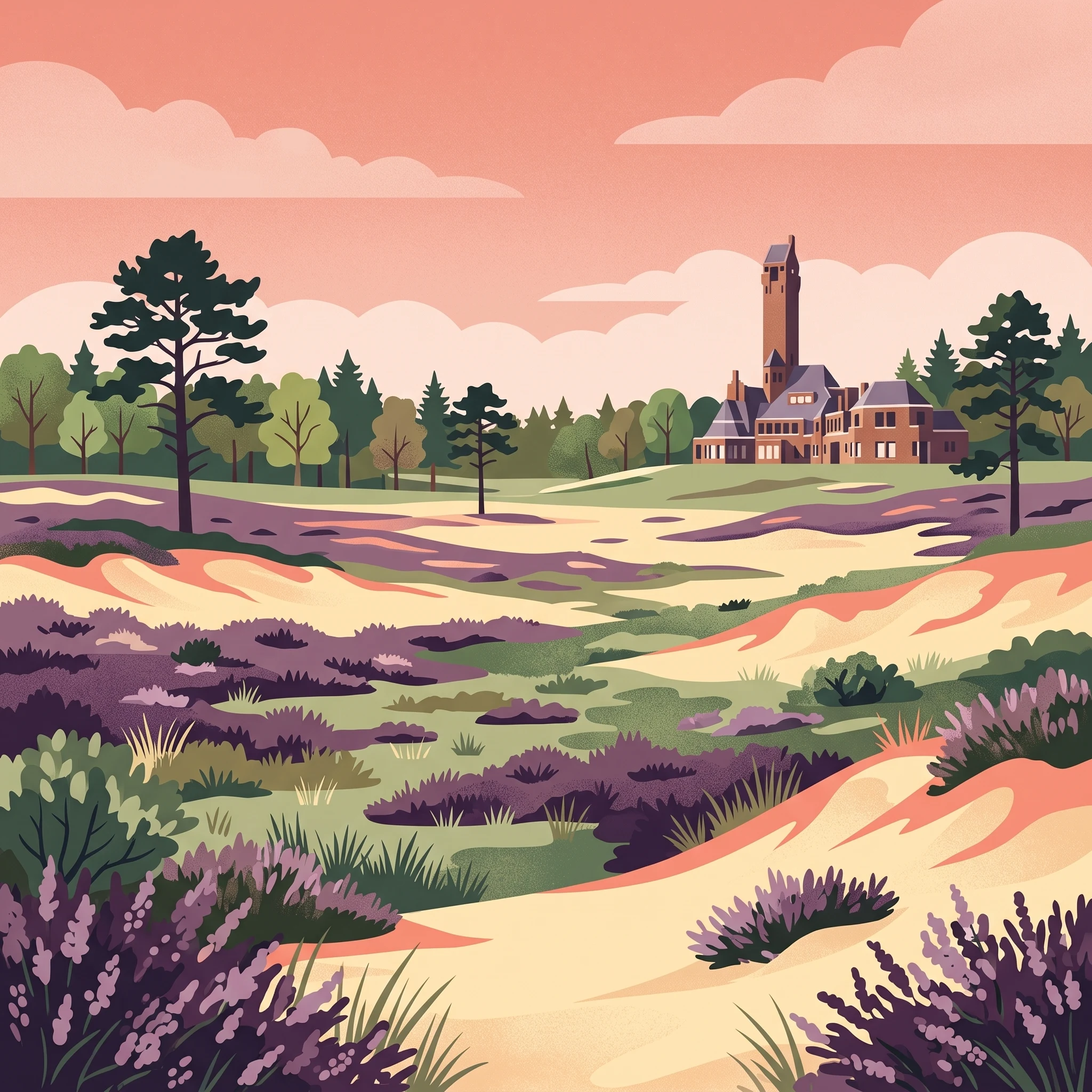
Determining the best time to visit De Hoge Veluwe National Park requires a careful balance between the physical demands of outdoor recreation and the desire for uninterrupted access to the park’s cultural assets. Because the park integrates a substantial museum complex with a sprawling natural landscape of heathlands, sand dunes, and woodlands, your experience will vary significantly based on whether you prioritize open-air cycling and wildlife observation or indoor gallery comfort. There is no single universal window that excels for all activities, but rather a sequence of seasonal trade-offs that dictate the rhythm of your trip.
Seasonal Trade-offs in Landscape and Access
The primary factor influencing your visit is the interplay between daylight hours, temperature, and the specific ecosystem traits of the Veluwe region. During the late spring and early summer, the park benefits from the longest daylight hours and moderate temperatures, which are ideal for utilizing the park's free bicycle system to traverse the 55 square kilometers of protected terrain. These months provide the most forgiving conditions for exploring the sand dunes and forest paths without the complications of the colder, windier, or shorter days found in late autumn and winter. However, the popularity of these periods often mirrors the increase in temperate weather, shifting the nature of the experience compared to the relative quiet of the cooler months.
Balancing Cultural and Natural Priorities
The Kröller-Müller Museum acts as a steadying anchor for any visit, regardless of the seasonal shifts in outdoor comfort. Unlike outdoor activities that rely heavily on daily temperature ranges and humidity levels, the museum offers a climate-controlled environment that remains consistent throughout the year. If your primary goal involves the extensive Van Gogh collection or the outdoor sculpture garden, your planning should lean toward periods that allow for comfortable transition between the indoor galleries and the surrounding park trails. While winter months see significant drops in daylight and average temperatures that may limit the appeal of long-distance cycling, the park remains accessible and offers a starkly different, tranquil atmosphere that contrasts with the vibrant greenery of spring and summer.
Ultimately, deciding when to visit involves evaluating your threshold for the Dutch climate against your interest in specific park entities. The park's landscape, shaped by historical ice age processes and subsequent land management, retains a distinct character across the year. By assessing how you intend to divide your time between the cultural heritage of the hunting lodge and museum, and the natural biodiversity of the park's mammals and dunes, you can identify the window that best aligns with your personal travel priorities.
Seasonal Planning
Best months to visit De Hoge Veluwe for specific travel interests
Spring and early summer for extended daylight and cycling
For visitors prioritizing active exploration, the months of May and June serve as the most advantageous window. During this period, the park experiences its longest daylight hours, reaching a peak of over 16 hours in June, which provides maximum time to navigate the extensive cycle path network. Temperatures are consistently mild, with mean values rising from 13C in May to 16C in June, offering comfortable conditions for sustained outdoor activity. This period also precedes the highest peak of summer precipitation in July and August, allowing for more predictable weather during day-long excursions. Choosing late spring offers the trade-off of potentially cooler mornings, but it compensates with lush vegetation and lower relative humidity compared to the later summer months.
Mid-summer for full museum and architectural access
July and August are ideal for travelers whose primary motivation is a comprehensive visit to the Kroller-Muller Museum and the historic St. Hubertus Hunting Lodge. These months provide the most consistent warmth, with average daily maximums nearing 29C, which makes them well-suited for a balance between outdoor sculpture garden viewing and climate-controlled indoor time. The primary compromise during mid-summer is the increased likelihood of rain, as precipitation data reflects a peak of 2.4 mm per day. Visitors should be prepared for higher humidity levels during this time, which may impact comfort during strenuous physical activities like cycling across the heathlands.
Early autumn for photographic conditions and cooler transit
September represents a distinct transitional period that is often favored by those looking for a quieter experience with the park's characteristic woodland and sand dune landscape. The average maximum temperature drops to roughly 24C, and the daylight duration begins to shorten to approximately 12 hours. This period is suitable for visitors who prefer moderate temperatures for walking and cycling, as the humidity begins to stabilize after the summer peak. The main trade-off is the reduced daylight, which naturally limits the available time for reaching remote parts of the park before dusk compared to the spring and summer months.
Late autumn and winter for architectural focus and quiet reflection
From November through February, the park undergoes a significant shift characterized by lower temperatures, with mean figures often falling below 3C and average daily maximums between 10C and 11C. This window is suited for visitors focused exclusively on the cultural and historical interior assets of the park, as the reduced daylight and colder climate make extensive outdoor cycling or wildlife viewing more challenging. November and December are the wettest months, with daily precipitation averages reaching 2.4 mm to 2.6 mm. Travelers choosing these months must prioritize time spent inside the museum, as the shortened daylight,dropping to as little as 7.5 hours in December,imposes a strict limit on the utility of the outdoor grounds.
Annual Climate
Weather patterns and seasonal climate data for De Hoge Veluwe National Park
Thermal shifts and the annual temperature cycle
De Hoge Veluwe experiences a distinct thermal rhythm that shapes the visitor experience. While temperatures shift gradually, the most significant contrast occurs between the deep winter months of December and January and the height of summer in July and August. During the winter, daily averages often hover near 2 degrees Celsius, with average minimums dipping into negative territory, frequently reaching below -7 degrees Celsius in January. This period is defined by cold stress, where the park's open heathlands and sand dunes are particularly exposed to wind. By contrast, the summer peak reaches mean temperatures around 18 degrees Celsius, with daytime maximums regularly climbing toward 30 degrees Celsius. Visitors should note that these figures represent long-term climate normals and do not function as a predictive tool for any single visit, as day-to-day fluctuations in the Netherlands can be significant.
Patterns in precipitation and humidity
Rainfall at the park is relatively consistent throughout the year, but the distribution of humidity and the frequency of precipitation impact how the landscape feels underfoot. Winter months are notably humid, with relative humidity levels exceeding 92 percent in January and December. This sustained dampness, combined with lower temperatures, often makes the park feel colder than the thermometer might suggest. Precipitation amounts remain relatively stable across the seasons, averaging between 1.4 and 2.5 millimeters per day. There is no distinct monsoon or extreme wet season, but the slightly higher precipitation averages seen in the late autumn and winter months, coupled with higher humidity, can turn woodland trails and sandy paths into soft or muddy terrain. Conversely, April historically stands out as the driest month, offering a period where the landscape is typically more accessible for those prioritising walking or cycling.
Daylight availability and wind exposure
Daylight duration acts as a primary constraint for park exploration. The variation is stark, swinging from roughly 7.5 hours of daylight in December to more than 16 hours during the June solstice. This massive variance defines the utility of a visit: the extended daylight of late spring and early summer allows for exhaustive exploration of the park's expansive heathlands and the sculpture gardens of the Kröller-Müller Museum. As autumn progresses, the rapid reduction in daylight hours limits the practical window for outdoor activity, forcing a shift toward time-sensitive museum visits.
Wind is an ever-present factor in the Veluwe region. Average wind speeds are highest during the winter months, often exceeding 5 meters per second. Because the park features significant tracts of open, exposed sand dunes and heath, these winds can be biting during the cooler months. In the summer, wind speeds generally taper off to around 4 meters per second, providing a cooling breeze that mitigates the intensity of warmer afternoon temperatures. These climate normals provide a baseline for understanding the typical environment, but travelers must verify current conditions and official alerts before finalizing their plans, as local weather systems in this region can be highly changeable regardless of historical data.
Seasonal dynamics
Annual weather patterns and seasonal transitions in De Hoge Veluwe
The Shift from Winter Dormancy to Vernal Awakening
The transition from winter to spring in the park is characterized by a subtle lengthening of days and a gradual reduction in extreme cold. The period from March through April acts as a climatic bridge. While January and February represent the coldest months, with daily average temperatures hovering near the freezing point and significant humidity, March signals a shift in atmospheric stability. Visitors will notice that the landscape begins to respond to increased daylight, which expands from approximately 8 hours in January to nearly 14 hours by the end of April. This transition is not instantaneous. Ground conditions remain soft and potentially damp from winter moisture, and the low-lying areas of the Veluwe can retain a chill long after air temperatures begin to climb. Travelers should view this period as a time of meteorological volatility, where the promise of mild spring air is frequently balanced by sudden cold snaps.
The Prime Cycle of Mid-Year Stability
From May through August, the park enters its most consistent phase, defined by the longest daylight hours and the highest thermal reliability of the year. This period effectively merges late spring and summer into a single, high-activity window. Daylight reaches its peak in June at over 16 hours, providing extensive time for traversing the woodlands and sand dunes. Unlike the humid, gray conditions of deep winter, this phase benefits from lower relative humidity levels, generally sitting in the mid-to-high 70 percent range. This creates a more comfortable environment for extended cycling and outdoor exploration. While these months are statistically the warmest, they are rarely oppressive, as the mosaic of forest cover provides ample shade across the park. The environmental stability here allows for a more predictable visit, though the increased human activity during these months often coincides with school holidays and weekend crowds.
The Autumnal Contraction and Atmospheric Humidity
September acts as a distinct hinge point where the warmth of the summer begins to retreat. By October, the shift toward shorter days and higher humidity becomes undeniable. The park transitions from a dry, light-filled environment into one where the atmosphere holds more moisture, and the landscape begins to experience the cooling effects of shorter daylight hours. This autumn period is marked by a drop in average temperatures, moving from the mid-teens in September down toward the near-freezing averages observed in November. Visitors during this time often encounter increased ground-level moisture and cooling winds that originate from the north. This is the period when the park returns to a quieter, more introspective state, as the density of the canopy and the heathlands reflect the changing light conditions of late autumn.
The Winter Baseline and Environmental Reset
November and December mark the start of the winter baseline, where daylight drops below 9 hours and reaches its nadir in the final month. This phase is defined by high relative humidity, often exceeding 90 percent, and the return of consistent frost risk. The landscape, once vibrant with the activity of summer, settles into a state of minimal growth. Wind speeds, which are relatively moderate throughout the rest of the year, tend to feel more pronounced during this period due to the lack of foliage and the prevailing atmospheric conditions. While this is the least favorable window for those seeking long-distance cycling or extensive outdoor trekking, it provides a quiet, stark view of the Veluwe landscape that is distinctly different from the summer months, offering a focused environment for those prioritizing museum access and indoor architectural tours.
Seasonal experiences
Experiencing the landscapes and heritage of De Hoge Veluwe throughout the year
Connecting seasonal shifts to park landscape access
The experience of exploring the diverse environments within De Hoge Veluwe is defined by the interaction between ground conditions and seasonal daylight. The park’s unique topography, featuring shifting sand dunes alongside dense woodlands and heathlands, changes in accessibility as weather patterns fluctuate. During the longer days from May through August, when daylight extends well into the evening, visitors have the greatest window for navigating the network of paths that crisscross these varied zones. This duration is particularly valuable for those planning to reach more remote corners of the reserve, such as the northern sections near the St. Hubertus Hunting Lodge, where travel times increase when moving between the main visitor center and outlying architectural sites.
Wildlife observation and daylight availability
The ability to spot the park's large mammals, including red deer, roe deer, wild boar, and the mouflon, is naturally linked to the park's light and temperature cycles. While the animals are present throughout the year, their activity patterns often shift in response to temperature fluctuations and human traffic. Late summer and early autumn provide a balanced environment where the transition from the heat of July to the cooler temperatures of September influences movement across the semi-open heathlands. Visitors seeking to maximize their chances for wildlife sightings benefit from the early mornings and late evenings that are more comfortable during these shoulder months. In contrast, the mid-winter months present harsher conditions, where lower mean temperatures and shorter daylight hours limit the time available for quiet observation in exposed areas like the sand dunes.
Art and culture within a fluctuating climate
The cultural experience at the Kröller-Müller Museum and the Museonder operates independently of the external weather, providing a reliable indoor activity regardless of the season. However, the timing of these visits dictates the surrounding experience. In the spring and early summer, the sculpture garden,an integral part of the museum's identity,is a primary draw, as the moderate temperatures allow for extended time walking between the works. Visitors who prioritize this outdoor art space often choose to visit when the climate data suggests lower humidity and moderate warmth, typically avoiding the peak precipitation months. During the late autumn and winter, when humidity levels increase and the weather becomes more unpredictable, the museum’s indoor collections and the subterranean perspective offered by the Museonder become the focal point of the visit, effectively transitioning the park from an expansive outdoor landscape to a contained cultural sanctuary.
Visitor Priorities
Optimizing Your De Hoge Veluwe Visit by Interest and Activity
Planning for Active Exploration and Longer Days
If your primary goal is maximizing outdoor activity, such as utilizing the park's free bicycle system or embarking on long-distance hikes, late spring to mid-summer offers the most conducive environment. During May and June, daylight hours peak, providing the longest window for exploration, with maximum daylight reaching over 16 hours by the solstice. This abundance of light is vital for those who wish to combine cycling across the park's heathlands with visits to remote forest trails without the pressure of early sunsets. The compromise for this extended daylight is the potential for higher temperatures in late afternoons, which can exceed 25 degrees Celsius, making early morning starts the most practical strategy for strenuous exercise.
Prioritizing Milder Temperatures for Walking and Cycling
Visitors who prefer temperate conditions over the heat of mid-summer should focus on the transition periods of late April or early September. In April, the daily mean temperature rises toward 9 degrees Celsius, providing a fresh, crisp atmosphere suitable for walking without the risk of overheating. By September, the average daily mean drops to approximately 14 degrees Celsius, offering a cooling, pleasant environment as the landscape begins its subtle shift toward autumn. These shoulder months benefit from lower relative humidity levels compared to the winter months, reducing the damp, heavy feeling that often accompanies cooler days in this region. The trade-off is a decrease in daylight compared to the peak of summer, necessitating more careful planning of your route to ensure you return to your starting point before dusk.
Targeting Drier Windows for Outdoor Access
While the Netherlands experiences precipitation throughout the year, the late spring months of April and May stand out as the period with the lowest precipitation levels. With daily rainfall normals hovering around 1.4 to 1.9 mm, these months provide the most consistent conditions for keeping clothing and equipment dry. If your itinerary involves photography or extended time in the open dunes, choosing these spring weeks minimizes the risk of sudden showers. Travelers should note that this remains a natural landscape, meaning localized weather shifts are always possible. Late autumn and early winter, specifically November and December, represent the wettest part of the year, with precipitation levels rising above 2.3 mm per day, significantly increasing the challenge of maintaining comfort on outdoor trails.
Cultural Focus and Indoor Comfort
For visitors whose interest is primarily directed toward the Kröller-Müller Museum and the architectural heritage of the St. Hubertus Hunting Lodge, the timing considerations shift entirely toward the museum's operational capacity rather than outdoor thermal comfort. Winter months, while cold and characterized by shorter daylight, offer a distinct advantage for art enthusiasts. Visiting during November, December, or January allows you to dedicate your entire day to the galleries, sculpture garden interiors, and historical lodge tours without the distraction of needing to capitalize on fair-weather outdoor conditions. The high relative humidity and colder temperatures outside actually enhance the appeal of the museum’s climate-controlled galleries. The primary trade-off here is the limited opportunity for secondary park experiences like wildlife spotting, as the shorter daylight and lower temperatures significantly reduce the time available for venturing deep into the park's forested regions.
Operational Planning
Seasonal access and trip planning for De Hoge Veluwe National Park
Navigating park entry and access points
De Hoge Veluwe National Park maintains three distinct visitor entrances, each accessible by car from primary routes. The entrance at Schaarsbergen is reached via the N311 from the direction of Arnhem, while the Otterlo and Hoenderloo entrances are accessible from the N304 and N310 roads. These entry points connect to regional transport networks, but because traffic flow, entrance hours, and route conditions fluctuate based on maintenance or seasonal demand, you must verify the status of your intended gate via official park channels before finalizing your departure.
Using the park transportation network
One of the most notable features of the park is the provision of a free white bicycle system. This facility is intended to facilitate exploration across the park's diverse landscapes of sand dunes, heathlands, and forests without the need for private vehicles. While these bicycles are a core part of the visitor experience, their availability is subject to demand and maintenance. You should check the current status of the bicycle fleet and any potential restrictions on their use at the park's visitor center upon arrival, as their availability is not guaranteed during peak periods or under specific weather conditions.
Seasonal planning and facility operations
While the park landscape remains accessible throughout the changing seasons, the operating hours for visitor facilities, including the Kröller-Müller Museum and the St. Hubertus Hunting Lodge, are distinct from the hours the park itself is open to the public. These institutions operate on schedules that may be affected by public holidays, maintenance requirements, or staffing changes. It is essential to consult the official park website to confirm the opening times for these cultural assets on your specific dates of travel. Planning your arrival to coincide with the operational hours of these indoor facilities is critical if your visit is centered on the art collection, particularly during the shorter daylight windows of late autumn and winter when outdoor exploration is more limited by early sunsets.
Verification for time-sensitive travel
Because the park functions as a private, non-subsidized entity, its operational policies,including entrance fees, permit requirements for specific activities, and transport links,are subject to update by the park authority. Do not rely on historical guides or third-party trip reports to confirm current access details. Always check the official De Hoge Veluwe website for the most recent information regarding public transit bus lines, parking capacity at the designated entrances, and any temporary closures that may impact your itinerary on the day of your visit.
Safety and Preparation
Seasonal Weather Hazards and Packing Tips for De Hoge Veluwe
Preparing for Seasonal Temperature Variations
Preparation for a visit to De Hoge Veluwe relies on understanding the significant thermal contrast between seasons. During the coldest months of December and January, where mean temperatures hover near 2 to 3 degrees Celsius and averages can dip well below zero, the primary preparation strategy involves layering. Because the park features open heathlands and sand dunes that offer little protection from wind, even moderate breezes can lead to a significant wind-chill effect. Visitors planning late autumn or winter trips should prioritize windproof outer layers and thermal mid-layers. Conversely, the summer months, particularly July and August, see daily maximums that often reach into the high 20s. During this time, the lack of extensive shade in the open dune areas makes hydration and protection from direct sun essential for comfort during long cycling or walking sessions.
Adapting to Daylight and Precipitation Trends
Daylight duration fluctuates drastically, ranging from roughly 7.5 hours in December to over 16 hours in June. This variation dictates your daily schedule. In the shorter winter days, plan your activities around midday hours to ensure you have adequate light for cycling the extensive path network or visiting the outdoor sculpture garden. Late afternoon, especially after 15:00, sees a rapid decline in light, which can affect visibility on the park’s unlit paths. During the transition months of April and October, keep in mind that cloud cover and humidity levels can change quickly. Rainfall is distributed throughout the year, but because the park is mostly unpaved trails, muddy conditions are common following any precipitation. Waterproof footwear is recommended regardless of the season, as the sandy and heathland terrain holds moisture effectively.
Wildlife Safety and Park Etiquette
While the park provides a rare opportunity to view large mammals such as red deer, roe deer, wild boar, and mouflon, safety starts with maintaining a respectful distance. Interactions with wildlife should remain strictly observational. You should never approach wild boar, particularly sows with piglets, as they can exhibit aggressive behavior if they feel their young are threatened. Keep your distance from all large mammals, regardless of the time of year or season. If you are cycling, remain on the designated paths to avoid disturbing the vegetation and to stay within the park’s established safety zones. Always check the park’s official website or information centers upon arrival for any active alerts regarding path closures, seasonal wildlife breeding notices, or specific guidance that may supersede general preparation advice.
Trip decision summary
How to choose the right time to visit De Hoge Veluwe National Park
Deciding when to visit De Hoge Veluwe requires a clear recognition of your primary travel goals. Because the park integrates significant cultural institutions with expansive, wild landscapes, there is no single month that satisfies every visitor equally. Your choice depends on whether you prioritize the long daylight hours required for extensive cycling and wildlife spotting or the reliable, climate-controlled comfort of the Kröller-Müller Museum during the more volatile shoulder seasons.### Matching your priorities to seasonal windowsIf your goal is to maximize time spent on the park's famous white bicycle paths, target the period from late spring through early summer. During these months, the increased daylight hours provide the necessary window for covering the expansive heathlands and woodlands without rushing. This period offers the most pleasant temperatures for outdoor activity, yet you must accept that popular paths and museum facilities will see higher visitor numbers. Conversely, if your interest leans toward quiet, solitary walks and the immersive experience of the museum, the cooler autumn months and the quieter winter season offer a completely different atmosphere. While daylight is significantly reduced during winter, the experience of visiting the art collections amid the dormant, atmospheric park landscape is a singular trade-off.### Evaluating trade-offs and climate realityWhen finalizing your dates, remember that the monthly climate normals provide a baseline for what to expect, but they do not serve as a forecast for your specific week of travel. Humidity levels, particularly in the darker months, can make the cold feel more penetrating, and precipitation is consistent throughout the year. You should not expect a dry season or a period of total reliability. Instead, view the climate as a spectrum of access. A spring visit offers the best balance of moderate temperatures and budding nature, while autumn provides a striking visual transition as the heathlands change color, albeit with a higher risk of damp conditions.### Next steps for your visitRegardless of when you choose to travel, the final step in your planning must be the verification of current conditions. Operational hours for the park gates, the museum, and the hunting lodge are subject to change. Always consult official park sources for real-time alerts on path closures, wildlife activity, or special access restrictions that could impact your itinerary. By balancing the long-term climate patterns against your own tolerance for varying weather and crowd levels, you can select the visit window that best aligns with your personal interests.