Why De Hoge Veluwe National Park stands out
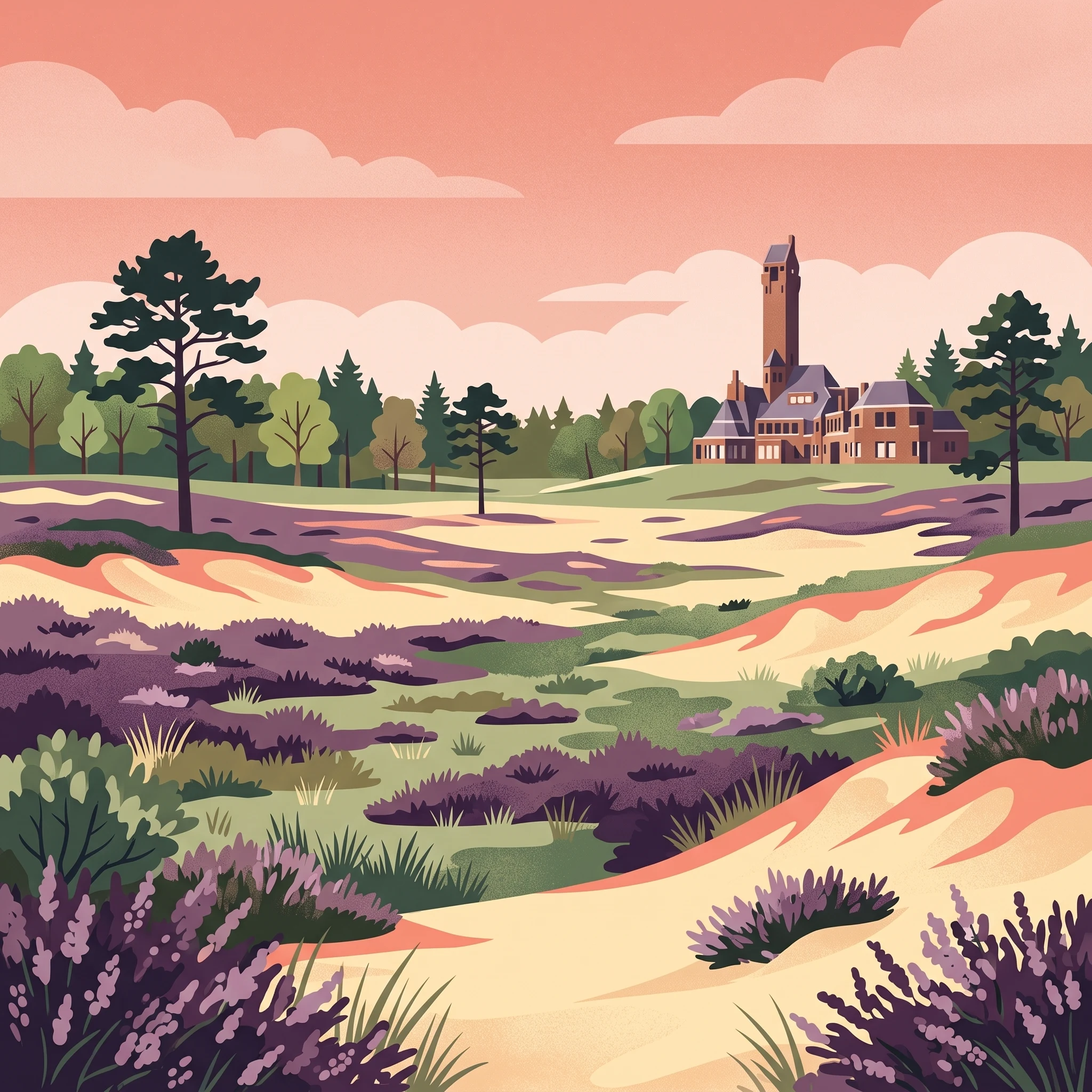
De Hoge Veluwe is best known for the Kröller-Müller Museum, which houses one of the world's largest collections of works by Vincent van Gogh along with important pieces by Picasso, Monet, Seurat, Mondrian and Rodin, displayed within the park itself amid sculpture gardens. The park is also celebrated for its distinctive mosaics of heathland, sand dunes and forest that create a unique semi-open landscape, and for its population of large mammals including red deer, roe deer, wild boar and the introduced mouflon. The architectural heritage, particularly the St. Hubertus Hunting Lodge designed by Hendrik Petrus Berlage, adds another dimension to the park's identity as a destination where nature, art and architecture intersect.
De Hoge Veluwe National Park history and protected-area timeline
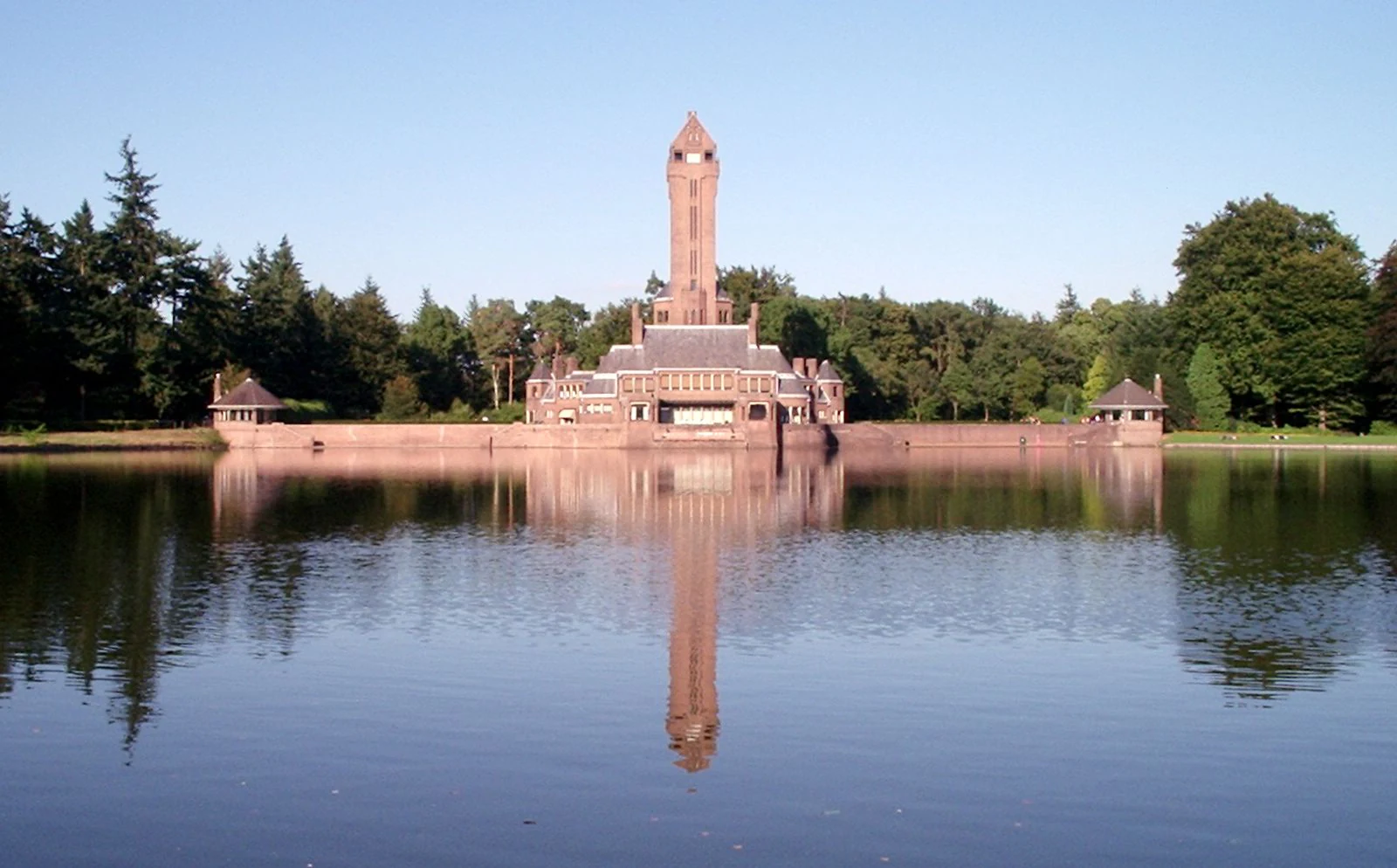
The origins of De Hoge Veluwe trace to 1909 when businessman Anton Kröller and his wife Helene Kröller-Müller began purchasing land in the Veluwe region with the intention of creating a private hunting estate. From 1909 to 1923, the estate was developed with imported wildlife, the construction of the St. Hubertus Hunting Lodge, and the installation of perimeter fencing. The hunting lodge, designed by the prominent Dutch architect Hendrik Petrus Berlage and named after Saint Hubert, the patron saint of hunters, was completed in 1919. Concurrently, Helene Kröller-Müller was building what would become one of the most important art collections in the Netherlands, with a particular emphasis on works by Vincent van Gogh.
The global economic crisis of the early 1930s placed significant financial strain on the Kröllers, and they found themselves unable to maintain the estate. Rather than selling to the nature conservation organization Natuurmonumenten, the Dutch government intervened in 1935 by providing a loan through a foundation it administered. The state acquired the art collection from Mrs. Kröller-Müller on the condition that a museum be built within the park. The park was transferred to the newly established foundation and became the Netherlands' second national park, following the creation of the Zuiderzeeland later in the same year.
During the Second World War, portions of the park were placed under military occupation and the park's area was reduced. Some of this land remains within the Infanterie Schietkamp de Harskamp military training area, while other sections became part of Vliegbasis Deelen. Post-war, the park has continued to operate as a privately-managed national park, maintaining its unique position as the only Dutch national park that charges an entrance fee and operates without regular government subsidy.
De Hoge Veluwe National Park landscape and geographic character
The landscape of De Hoge Veluwe reflects the glacial and post-glacial processes that shaped the wider Veluwe region, combined with centuries of human influence that created the characteristic mosaic of heathland, sand dunes and woodland. The underlying terrain consists of terminal moraine ridges formed during the Saalian glacial period between 200,000 and 105,000 years ago, overlaid with dekzand (cover sand) deposits and meltwater valley features from the more recent Weichselien glacial period between 70,000 and 10,000 years ago.
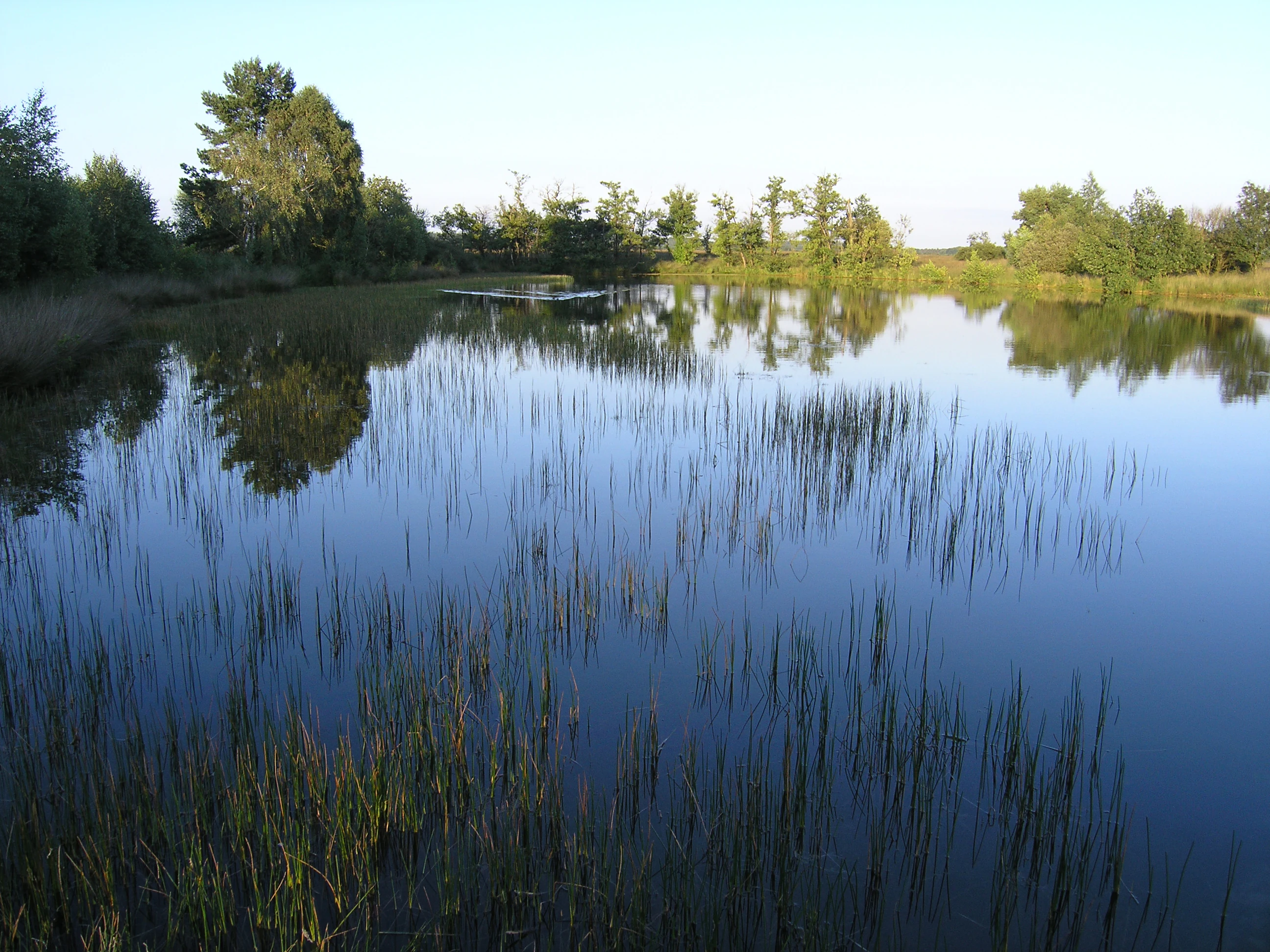
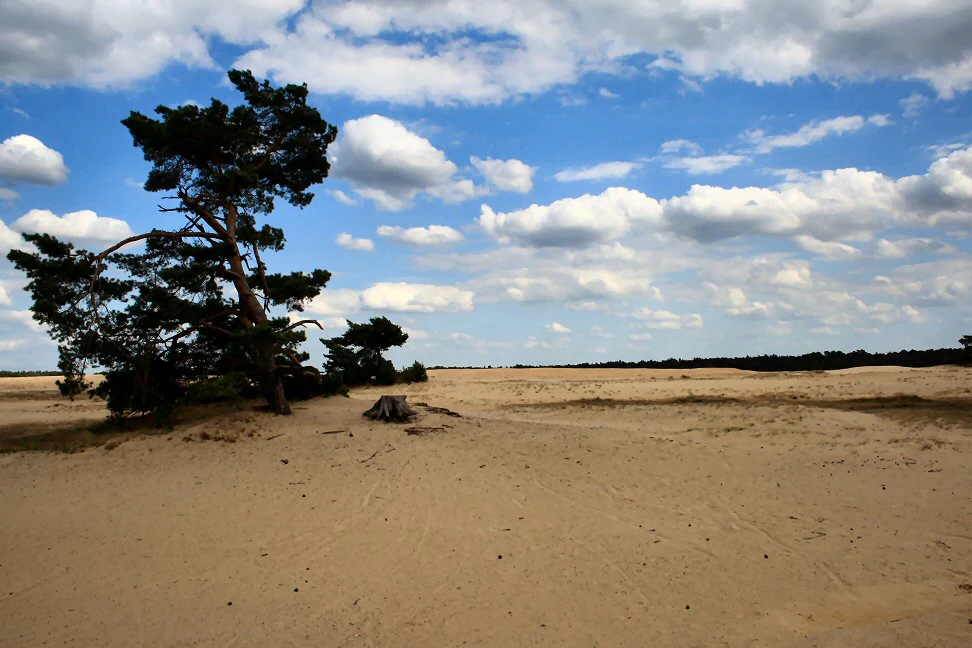
The park contains several distinct landscape areas. In the eastern portion lies the Deelense Veld, an extensive heathland punctuated by vennen, or shallow pools, including the Deelense Was and the Gietense Flessen. These pools form where an impermeable layer in the sandy soil prevents rainwater from draining, creating acidic wetlands that support specialized vegetation. Adjacent to the Deelense Veld to the southwest lies the Deelense Zand, a sand drift area that has become partially overgrown with Scots pine, while the De Pollen area in the park's centre was deliberately cleared of trees to preserve the open character of the landscape.
The southern portion of the park contains the Oud Reemster Veld heathland, which transitions northward into the Oud Reemster Zand, a largely overgrown sand drift area. In the northwest, the Otterlose Zand features lichen-covered terrain, notably including reindeer moss, and bears a monument to General Christiaan de Wet, a historical figure from the South African Boer War. The park's forest cover consists of both coniferous and deciduous species, with areas of pine woodland contrasting with deciduous groves.
De Hoge Veluwe National Park ecosystems, habitats, and plant life
The ecological character of De Hoge Veluwe encompasses a diverse range of habitats that support notable biodiversity within the Dutch context. The heathland communities, particularly prominent in the southern and eastern portions of the park, represent a semi-natural landscape type that requires active management to maintain their open character. These heathlands developed through historical land use practices including grazing and woodcutting, and their preservation depends on continued management that prevents succession to forest.
The sand drift areas, or zandverstuivingen, represent a particularly distinctive habitat within the park. These open sandy areas, some of which were formed through human-induced wind erosion during the Medieval period, support specialized pioneer plant communities adapted to nutrient-poor, acidic sandy conditions. The vennen, or heathland pools, represent another specialized habitat type, containing only rainwater and supporting plant species such as cottongrass, bog-rush and sphagnum moss that are uncommon elsewhere in the Netherlands.
The forest components of the park include both planted coniferous stands and areas of deciduous woodland. While commercial timber production was historically important to the park's economics, management in recent decades has shifted toward more natural forestry approaches that aim to increase structural variation in age and species composition. The park's approach to conservation notably embraces certain introduced species, including the Corsican mouflon and American oak, that would be considered invasive in other Dutch nature reserves.
De Hoge Veluwe National Park wildlife and species highlights
De Hoge Veluwe is renowned for its populations of large mammals, which represent a prominent feature of the park's ecological identity and visitor experience. The park supports approximately 200 red deer, 150 roe deer, 50 wild boar, and historically a population of mouflon, though wolf predation has reduced the mouflon numbers significantly in recent years. A small pack of Eurasian wolves is also present in the park, a relatively recent development in the Dutch context that has created management challenges, particularly regarding the conservation of the mouflon population.
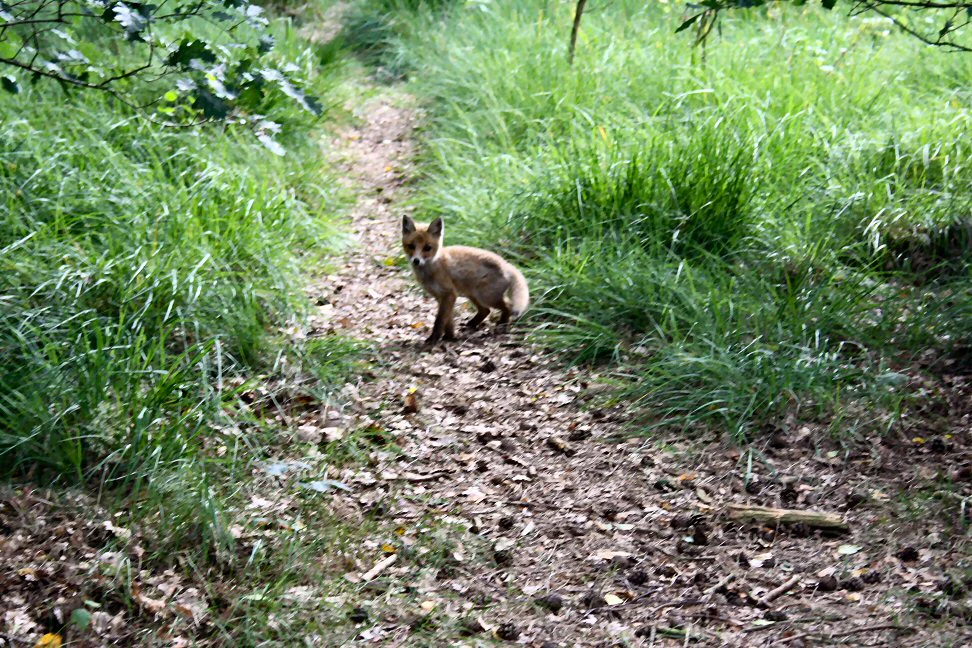
The mouflon, introduced to the park in 1921 for hunting purposes, holds particular ecological significance as a grazing species that helps maintain the open heathland habitats upon which other ground-nesting species depend. The presence of wolves, while natural in ecological terms, has created tensions within the park's management philosophy, leading to measures including fencing to protect the mouflon from predation. The broader mammal community includes fox, badger and European pine marten, species that occupy the forested and transitional habitats throughout the park.
Beyond mammals, the park supports notable bird populations and insect communities associated with the heathland, dune and woodland habitats. The management approach recognizes the importance of maintaining the open heathland habitats for ground-nesting bird species, and efforts have been made to support the return of the black grouse, a species that has declined in many Dutch heathland areas.
De Hoge Veluwe National Park conservation status and protection priorities
De Hoge Veluwe occupies a distinctive position within the Dutch protected areas network, characterized by its privately-operated status and its emphasis on self-sufficiency through visitor revenue rather than government funding. This approach has enabled the park to develop management practices that differ from publicly-funded nature reserves, with particular emphasis on maintaining the aesthetic qualities of the landscape and the populations of large mammals that constitute a central part of the visitor experience.
The park received the Belleuropa Award in 2017, a European prize recognizing excellence in biodiversity management within wildlife parks. This recognition reflects ongoing efforts to maintain and enhance ecological diversity through measures including adjustment of water management and the addition of rock flour to improve soil conditions. The management strategy also includes active measures to maintain the open heathland and sand drift habitats that define the park's character, recognizing these landscape types as essential to the park's identity.
The fencing that encloses the park has been a subject of ecological debate, as it interrupts the continuity of the wider Veluwe landscape. In recent years, measures have been taken to facilitate wildlife movement, including the construction of an ecoduct over the busy Otterlo-Schaarsbergen road and reductions in fence height at eastern and western boundaries to allow red deer and roe deer to pass. The Hart van de Veluwe project has enabled the first wild migration between De Hoge Veluwe and other Veluwe areas since 1932.
De Hoge Veluwe National Park cultural meaning and human context
The cultural dimension of De Hoge Veluwe extends beyond its natural landscapes to encompass significant architectural and artistic heritage. The Kröller-Müller Museum, designed by Belgian architect Henry Van de Velde and opened in 1938, houses the art collection assembled by the park's founders, including over 90 works by Vincent van Gogh, making it one of the largest Van Gogh collections in the world. The museum is surrounded by the Beeldenpark, one of Europe's largest sculpture gardens, featuring works by Auguste Rodin, Henry Moore, Richard Serra and Claes Oldenburg.
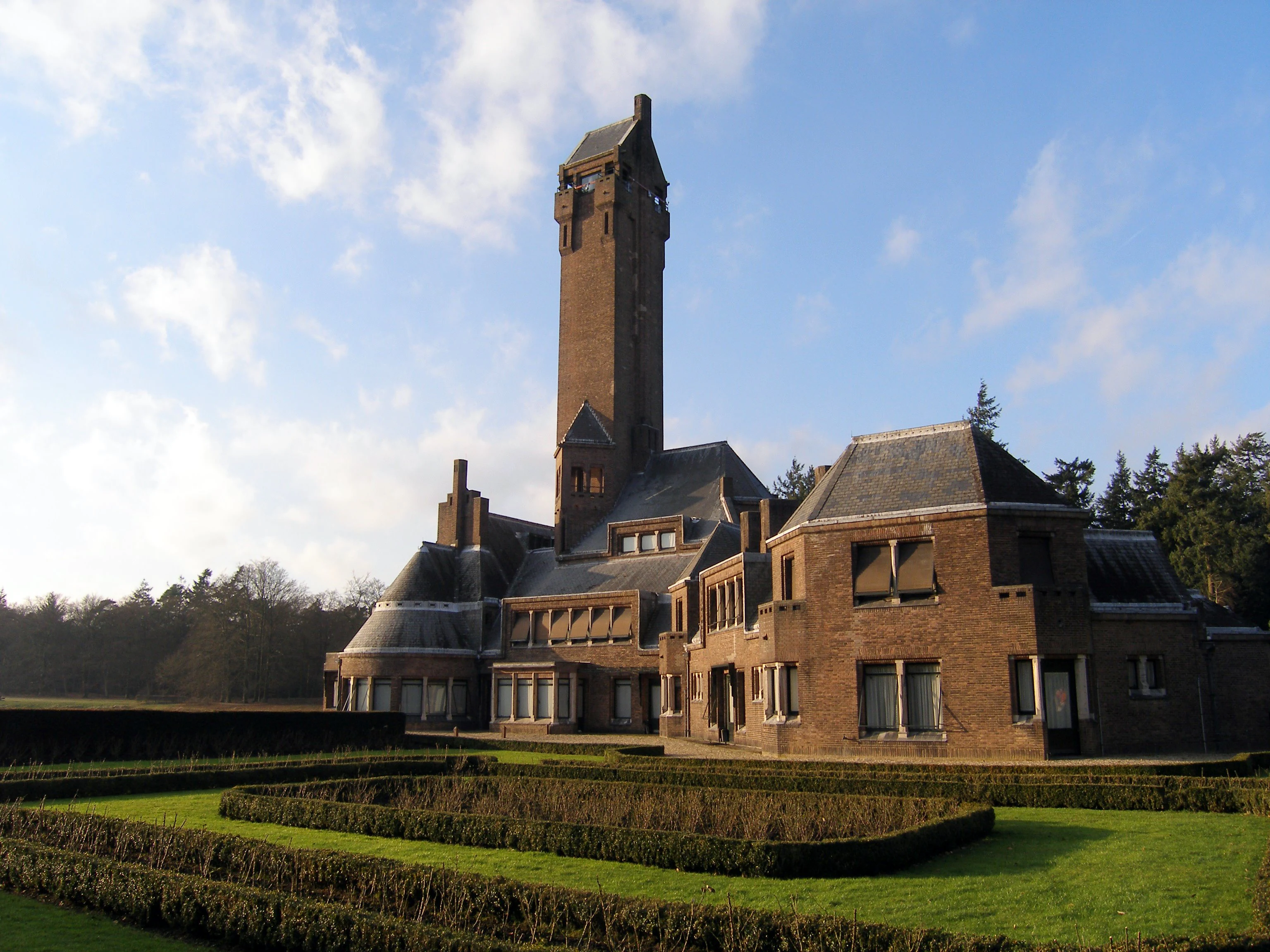
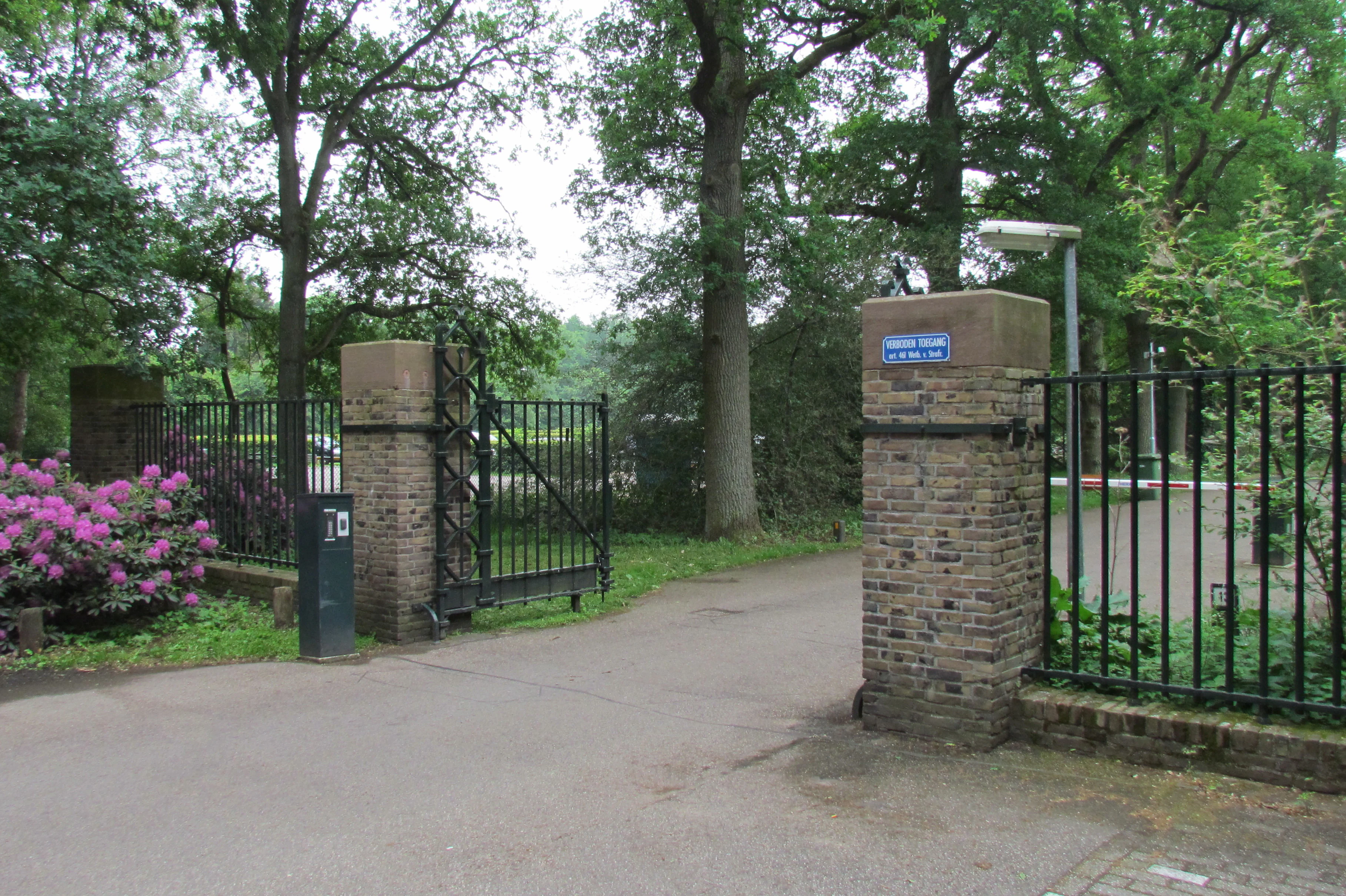
The St. Hubertus Hunting Lodge, designed by Hendrik Petrus Berlage and completed in 1919, represents an important example of early twentieth-century Dutch architecture. The building was conceived as a residence for the Kröller family and serves as a landmark within the park's landscape. Other structures within the park include service buildings and entrance gates that contribute to the architectural character, several of which are designated as national monuments.
The park's historical connection to the Boer War is evidenced by the monument to Christiaan de Wet, a former president of the Orange Free State, located in the Otterlose Zand area. This reflects the personal interests of the Kröller family and adds an unusual historical layer to the park's cultural context. The remnants of the Grote Museum, also designed by Van de Velde but never completed due to financial constraints, provide another element of the park's cultural landscape.
Top sights and standout views in De Hoge Veluwe National Park
De Hoge Veluwe offers a uniquely Dutch combination of natural landscapes, art collections and architectural heritage within a single protected area. The Kröller-Müller Museum alone justifies the park's international reputation, with its extraordinary collection of Van Gogh works and one of Europe's most extensive sculpture gardens. The semi-open landscape of heathland, sand dunes and woodland, shaped by ice age processes and centuries of human use, creates a visual character distinct from the forested nature reserves that dominate much of the Dutch protected areas network.
The free bicycle system that allows visitors to explore the park without cars represents a distinctive visitor experience, while the populations of large mammals including red deer, wild boar and the iconic mouflon add an element of wildlife viewing that is rare in the Netherlands. The architectural heritage, particularly the Berlage-designed hunting lodge and the Van de Velde museum building, integrates built and natural environments in ways that distinguish this park from typical nature reserves.
Best time to visit De Hoge Veluwe National Park
The park can be enjoyed throughout the year, with each season offering a different character. Spring brings the park's wildlife into clearer view as the deciduous trees remain leafless and the heathland areas begin to show new growth, while the wildlife populations are particularly visible during this season. Summer offers the full experience of the park's landscapes in bloom, though this is also the peak visitor season. Autumn creates distinctive atmospheric conditions across the heathland and woodland, with the changing colors of the deciduous trees and the moody light characteristic of the season. Winter, while quieter, reveals the underlying structure of the landscape and can offer rewarding wildlife viewing opportunities when snow creates open conditions.