Mori Atlas logo
National parkDe Loonse en Drunense Duinen National Park

Discover the mapped geography and protected land context of this unique Brabant natural area.

De Loonse en Drunense Duinen National Park: A Dutch National Park with Dynamic Sand Drift Landscapes

(Nationaal Park De Loonse en Drunense Duinen)

De Loonse en Drunense Duinen National Park in North Brabant, Netherlands, is a significant protected area renowned for its expansive living sand drift landscape, a rare natural phenomenon in Northern Europe. This national park showcases a dynamic terrain of vast sand plains, heathlands, and coniferous forests, creating a distinct microclimate and unique ecological conditions. Serving as a core conservation zone, its mapped boundaries encompass a remarkable natural heritage that offers rich opportunities for geographic discovery and atlas-based exploration of its varied ecosystems and terrain.

sand dunesheathlandnature reserveNorth BrabantNatura 2000living sand drift

De Loonse en Drunense Duinen National Park

National park

Park overview

Structured park overview, official facts, and landscape profile for De Loonse en Drunense Duinen National Park

De Loonse en Drunense Duinen National Park park facts, protected area profile, and essential visitor context
Review the core facts for De Loonse en Drunense Duinen National Park, including designation, size, terrain, visitor scale, habitats, and operating context in one park-focused overview.

About De Loonse en Drunense Duinen National Park

De Loonse en Drunense Duinen National Park represents one of the Netherlands' most ecologically significant heathland and dune landscapes, situated in the heart of North Brabant between three major cities. The park's landscape is a complex mosaic of environments: the central sand drift areas with their moving dunes, extensive coniferous plantations, deciduous woodlands, stream valleys, and remnant heathlands. The area's geological character is defined by its glacial sand deposits and the dynamic wind-driven processes that continue to shape the open sand plains. What makes this park particularly notable is the preservation of an ecological process rather than a static landscape—the living sand drift requires ongoing active management to prevent natural vegetation succession from stabilizing the area and transforming it into closed forest. The park sits within a landscape increasingly surrounded by urban development, making its conservation particularly important for maintaining green space in this densely populated region of the Netherlands.

Quick facts and research context for De Loonse en Drunense Duinen National Park

The park covers roughly 35 km² of protected heath and dune landscape in North Brabant, representing one of the most extensive sand drift systems in northwestern Europe. Owned primarily by Natuurmonumenten (Netherlands Nature Monuments), the area forms part of the Natura 2000 European conservation network. The landscape features towering dunes reaching up to 24 meters in height, extensive coniferous and deciduous woodlands, and stream valley wetlands along the Zandleij river. The region is commonly referred to as the "Brabant Sahara" due to its vast open sand areas. Historically, the sand drift landscape formed during the late Middle Ages following environmental degradation from agricultural overuse, and the park now preserves this unique ecological feature through careful active management.

Park context

Deeper park guide and search-rich context for De Loonse en Drunense Duinen National Park

De Loonse en Drunense Duinen National Park history, landscape, wildlife, and travel context
Explore De Loonse en Drunense Duinen National Park through its history, landscape character, ecosystems, wildlife, conservation priorities, cultural context, and seasonal travel timing in a structured park guide built for atlas discovery and search intent.

Why De Loonse en Drunense Duinen National Park stands out

De Loonse en Drunense Duinen is best known for its exceptional living sand drift (stuifzand) landscape, one of the largest and most dynamically active in North Europe. The park's extensive dunes, some reaching heights of 24 meters, create a striking terrain more typical of desert landscapes than the Dutch countryside, earning the area its "Brabant Sahara" nickname. The contrast between the open, windswept sand plains and the surrounding dense coniferous forests defines the park's distinctive character. The microclimate created by the dunes supports specialized plant and animal communities that are rare in the Netherlands, while the Zandleij stream valley provides a different wetland habitat supporting amphibians and spring flora.
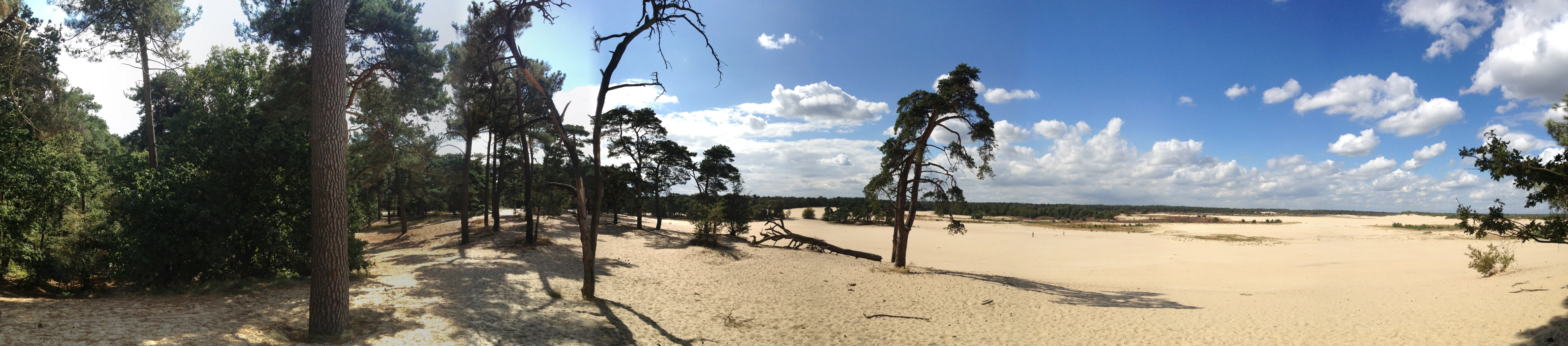
Overview image of De Loonse en Drunense Duinen National Park showing what the park is best known for
Visual overview of what makes De Loonse en Drunense Duinen National Park a notable national park destination.

De Loonse en Drunense Duinen National Park history and protected-area timeline

The sand drift landscape of De Loonse en Drunense Duinen originated in the late Middle Ages, emerging from a cycle of environmental degradation that transformed the region's original oak forest cover. Until that period, modest farming communities could sustainably inhabit the area, but increasing population pressure led to overgrazing and intensive turf cutting (plaggen) from the heathlands. This destabilized the soil protection that the vegetation had provided, and erosion accelerated. The Eighty Years' War further intensified environmental damage as military tactics of scorched earth, including actions under the command of William of Orange in the Meierij of Den Bosch region, left large areas of bare sand exposed to wind erosion. The process became self-reinforcing as wind action mobilized increasingly large amounts of sand, burying entire settlements including the medieval village of Westloon and the farm known as de Ersteling. Attempts to stabilize the drifting sand began in the 14th century with oak planting and continued through the 18th and 19th centuries with pine and marram grass. The park was formally established as a national park in 2002 and became part of the new Van Gogh National Park in 2024. During World War II, fourteen resistance fighters were executed in the area by German forces in 1944, though the precise location and graves remain unknown.

De Loonse en Drunense Duinen National Park landscape and geographic character

The physical landscape of De Loonse en Drunense Duinen is defined by its remarkable sand dunes, some reaching heights of 24 meters, set within a matrix of heathlands and coniferous forests. The terrain rises visibly above the surrounding agricultural landscape, creating an almost island-like expanse of open sand and woodland. The central sand drift areas are characterized by their动态 nature—the wind continues to shape and move the sand, creating an evolving landscape that differs markedly from static Dutch nature reserves. Around the core dune areas, extensive coniferous plantations were established historically to stabilize the sand, while deciduous woodlands occur in the stream valleys and on slightly more fertile soils. The Zandleij stream valley represents a distinct landscape element, running through the eastern portion of the park and supporting wetland conditions contrasting sharply with the dry dune terrain. The park also includes the De Brand area, a former peat extraction site now characterized by wet meadows, marshy areas, and coppice woodlands.
Sandy landscape with a body of water, pine trees, and a signpost under a clear blue sky
Viewpoint overlooking sand dunes and water in De Loonse en Drunense Duinen National Park

De Loonse en Drunense Duinen National Park ecosystems, habitats, and plant life

The ecological character of De Loonse en Drunense Duinen centers on the rare and threatened sand drift ecosystem, which represents one of the most significant living sand landscapes in North Europe. The dynamics of wind-blown sand create conditions for specialized pioneer species that can colonize bare sand surfaces, and the maintenance of this process requires active intervention to remove encroaching vegetation. The surrounding coniferous forests and heathlands support different ecological communities, while the Zandleij valley provides contrasting wet conditions with groundwater seepage (kwel) that supports spring flowering species including wood anemone and yellow archangel. The stream valley soils support heavy coppice woodlands on peat and loam substrates where clean groundwater seepage creates suitable habitat for spring flora. These conditions also support notable amphibian populations including tree frogs, natterjack toads, and great crested newts, species that have declined across much of the Netherlands. The park's position within the Natura 2000 network reflects its European-level conservation significance for these habitats and species.
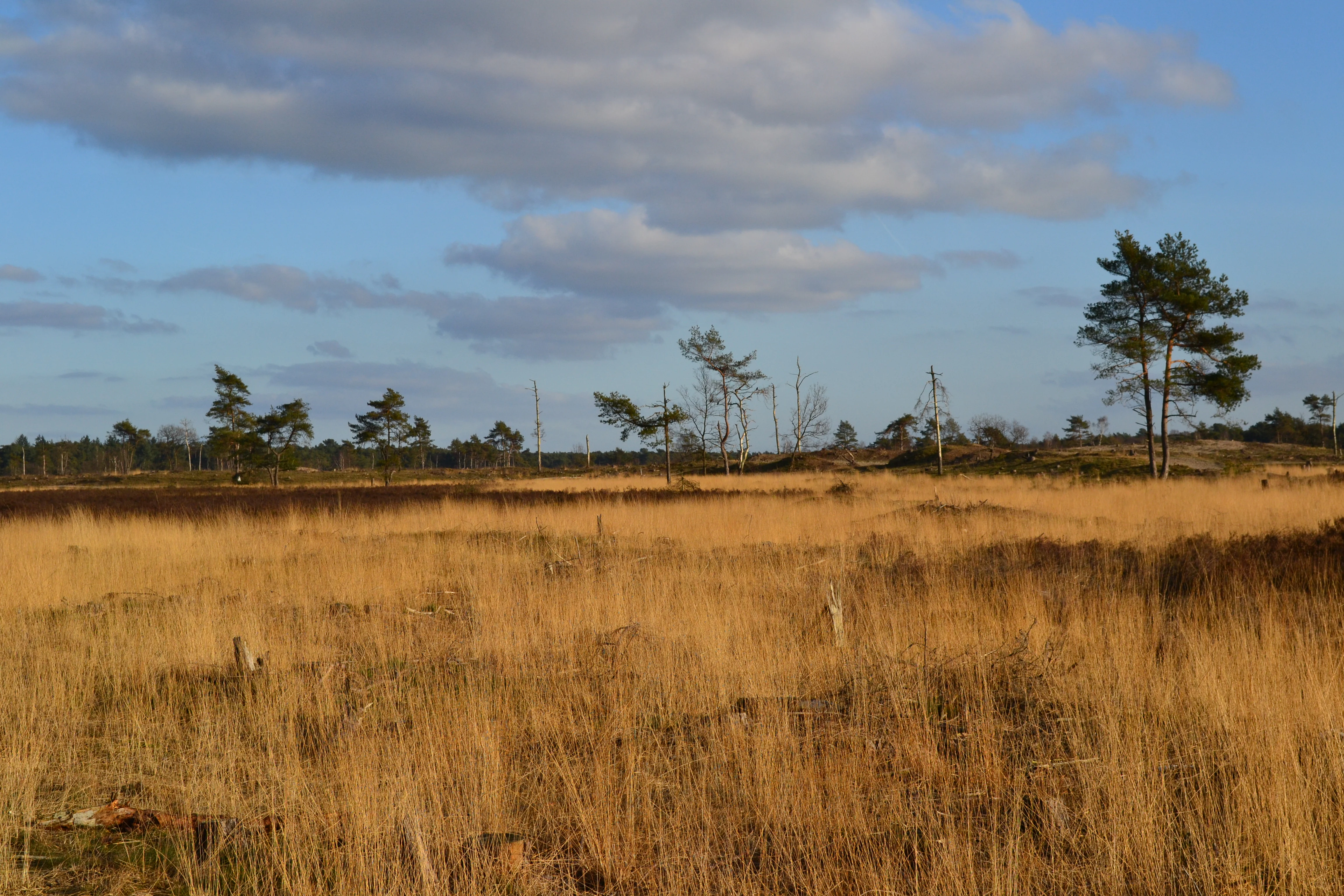
Tall dry grasses and scattered pine trees under a partly cloudy sky
Grassy field with scattered trees under a partly cloudy sky in De Loonse en Drunense Duinen National Park

De Loonse en Drunense Duinen National Park wildlife and species highlights

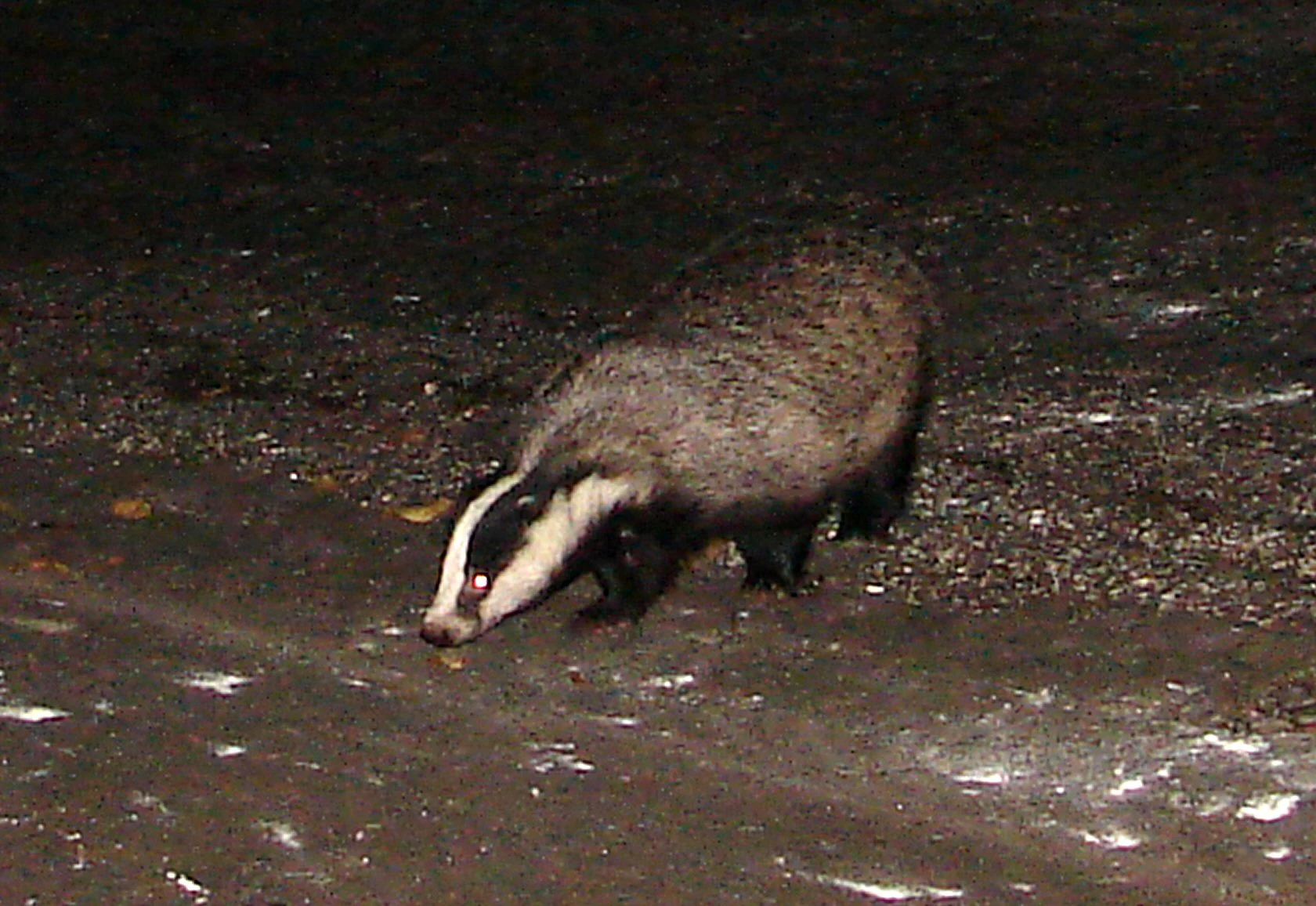
The wildlife of De Loonse en Drunense Duinen reflects the varied habitats within the park, from the open sand areas through heathlands to the wetland stream valley. After a long period of absence, European badgers have returned to the area and now maintain established populations within the park. Roe deer and foxes are common throughout the woodland and heathland areas, finding sufficient habitat in this relatively isolated protected area. The Zandleij valley and surrounding wetlands support important amphibian communities, with tree frogs, natterjack toads, and great crested newts all present in significant numbers due to the clean groundwater conditions. The park also supports populations of sand lizards and other reptiles, while the recently constructed Westloonse Wissel ecoduct (opened 2015) facilitates migration between the park and adjacent nature areas, supporting species including natterjack toads, martens, and butterflies. However, increasing isolation from surrounding development makes wildlife migration increasingly challenging for many species.
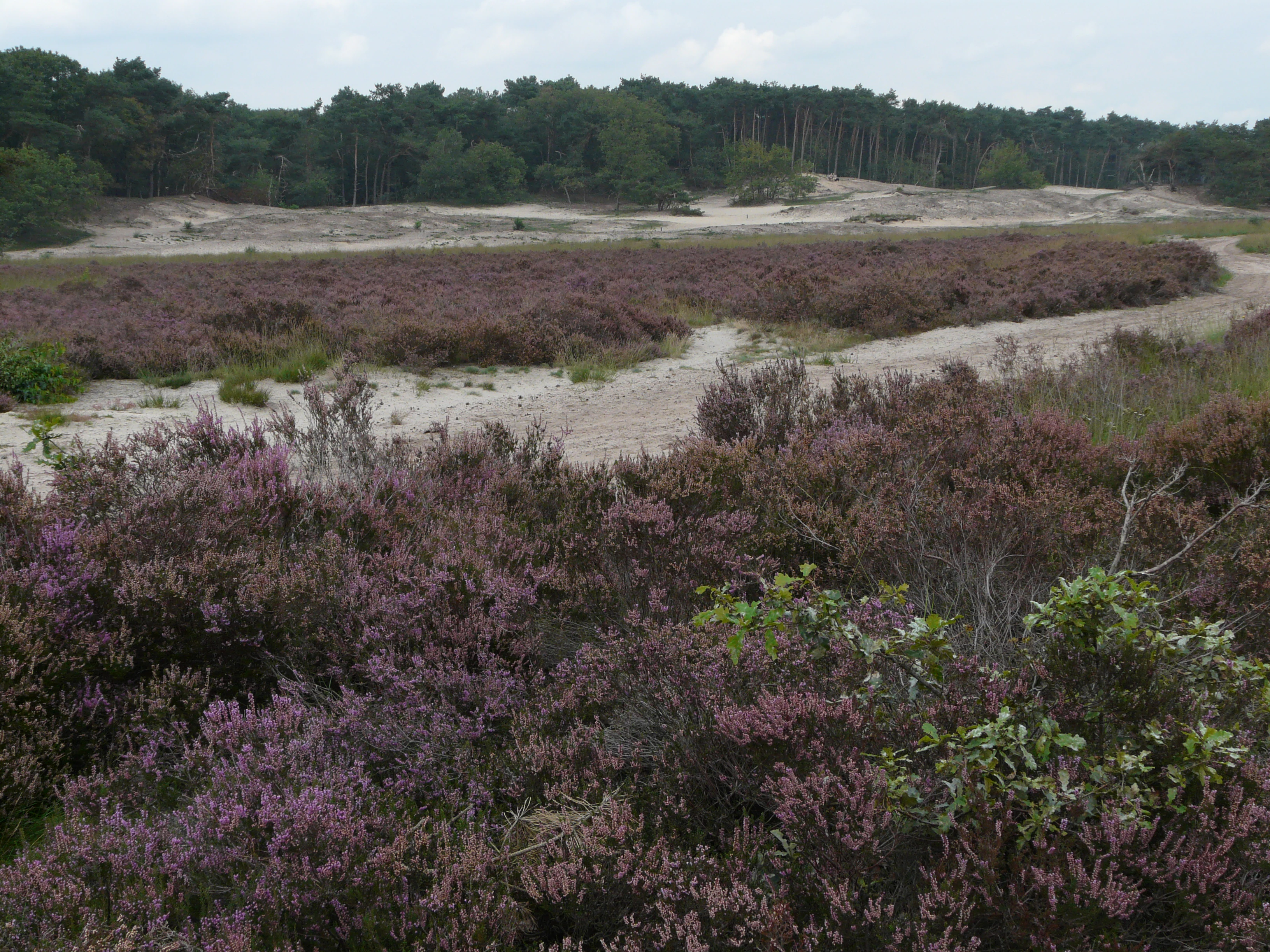
Purple heather landscape with sandy paths, distant forest, and open dunes
Purple heather heathland near Roestelberg within De Loonse en Drunense Duinen National Park

De Loonse en Drunense Duinen National Park conservation status and protection priorities

De Loonse en Drunense Duinen holds significant conservation importance as one of the largest living sand drift areas in North Europe, a habitat type that has become extremely rare on the continent. The park is designated as a Natura 2000 site under the European Union's nature conservation framework, recognizing its importance for maintaining biodiversity at a continental scale. The conservation challenge here centers on maintaining the dynamic processes that create the open sand landscape—without active management including tree removal and vegetation control, natural succession would rapidly transform the sand plains into closed forest, losing the unique habitat entirely. The park is managed by Vereniging Natuurmonumenten, Het Brabants Landschap, De Duinboeren, and private landowners, coordinating these different management approaches to maintain the ecological values. The 2015 opening of the Westloonse Wissel ecoduct addresses connectivity concerns, creating a wildlife crossing between the main park area and the Huis ter Heide nature area to facilitate genetic exchange between isolated animal populations.

De Loonse en Drunense Duinen National Park cultural meaning and human context

The landscape of De Loonse en Drunense Duinen carries deep historical roots in the agricultural and cultural history of North Brabant. The area was shaped by centuries of human activity, from medieval farming through the turbulent period of the Eighty Years' War when military operations accelerated the formation of the sand drift landscape. The buried village of Westloon and farm de Ersteling remain as archaeological features beneath the shifting sand, silent testimony to the environmental transformations that created the present landscape. The park is surrounded by a ring of towns and villages including Tilburg, Waalwijk, 's-Hertogenbosch, Loon op Zand, and Helvoirt, with Kaatsheuvel and its famous Efteling theme park located immediately adjacent to the western boundary. The area includes several historic estates including Plantloon near Kaatsheuvel and the Strijdhoef castle and estate in the Zandleij area, reflecting the long history of landed estates in this region of Brabant.

Top sights and standout views in De Loonse en Drunense Duinen National Park

The park's standout features include its exceptional living sand drift landscape—one of the largest in North Europe—towering dunes reaching 24 meters in height, and the stark visual contrast between the open "Brabant Sahara" and surrounding dense woodlands. The area provides rare habitat for North European sand drift specialists and supports significant amphibian populations in the Zandleij valley wetlands. The 2015 ecoduct represents a notable conservation achievement, while the park's integration into the new Van Gogh National Park in 2024 creates new opportunities for regional conservation and tourism. The landscape offers distinctive recreation opportunities including extensive hiking and cycling networks through varied terrain.

Best time to visit De Loonse en Drunense Duinen National Park

The park can be visited year-round, though each season offers a different experience of this heathland and dune landscape. The open sand areas are most evocative during dry, windy periods in spring and summer when the sand drift dynamics are most active and the dune landscape appears most alive. Autumn brings beautiful color changes in the surrounding woodlands and heathlands, while winter snow can create striking scenes on the dunes contrasting with the dark coniferous forests. The spring months are particularly rewarding for wildlife observation, especially in the Zandleij valley where spring flowers bloom and amphibians become active around the wetland areas. Summer weekends can be busy on the main paths, particularly between Café De Rustende Jager and De Drie Linden, while weekday visits or winter months offer more tranquil experiences of this unique Dutch landscape.
Park location guide

Geography guide, regional context, and park location map for De Loonse en Drunense Duinen National Park

De Loonse en Drunense Duinen National Park park geography, regions, and map view in Netherlands
Understand where De Loonse en Drunense Duinen National Park sits in Netherlands through a broader geographic reading of the surrounding landscape, nearby location context, and its mapped position within the national park landscape.

How De Loonse en Drunense Duinen National Park fits into Netherlands

The Netherlands is a low-lying coastal country in Northwestern Europe, famous for its extensive dike and canal systems that reclaim land from the sea. It consists of twelve provinces and is known for tulips, windmills, and cycling culture. The country is a founding member of the European Union with Amsterdam as its capital and The Hague as the seat of government.

Wider geography shaping De Loonse en Drunense Duinen National Park in Netherlands

The Netherlands is located in Northwestern Europe along the North Sea coastline to the north and west. It borders Germany to the east and Belgium to the south. The country is notably flat, with a significant portion of its territory lying below sea level, protected by dikes and dune systems. It consists of twelve provinces and also includes overseas municipalities in the Caribbean.

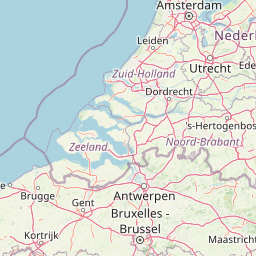
Map view of De Loonse en Drunense Duinen National Park

Use this park location map to pinpoint De Loonse en Drunense Duinen National Park in Netherlands, understand its exact geographic position, and read its mapped placement within the surrounding landscape more clearly.

Pigeon | © OpenStreetMap contributors

Location context for De Loonse en Drunense Duinen National Park

North Brabant

Visual Guide to the Brabant Sahara: Understanding Dynamic Sand Dunes, Heathland, and Forest Habitats of this Dutch National Park

De Loonse en Drunense Duinen National Park Photos: Explore Landscapes, Scenery, and Protected Area Views
Visually explore the unique natural landscapes of De Loonse en Drunense Duinen National Park through detailed imagery, revealing its vast living sand drifts, iconic heathlands, and contrasting coniferous forests. Gain a clearer understanding of the park's distinct terrain, diverse habitats, and overall protected-area character by examining its compelling visual identity and environmental features.

Wide landscape showing sandy dunes, sparse pine trees, and a clear blue sky with scattered clouds

Sandy landscape with a body of water, pine trees, and a signpost under a clear blue sky

Tall dry grasses and scattered pine trees under a partly cloudy sky

Purple heather landscape with sandy paths, distant forest, and open dunes

European Badger with distinctive black and white facial markings walking on gravelly ground at night

Park atlas

Browse the regional spread of conserved areas, comparing unique Dutch dune systems with surrounding woodlands and wetlands.

Explore Nearby National Parks and Protected Landscapes Around De Loonse en Drunense Duinen National Park
After viewing De Loonse en Drunense Duinen National Park, discover other national parks and protected areas across North Brabant, comparing their unique dune systems, heathlands, and forest reserves. Comparing these nearby conservation landscapes offers deeper insights into the distinct "Brabant Sahara" microclimate, revealing broader ecological connections within the Dutch protected-area atlas.
Watercolor illustration of rolling hills, a winding river, and fields with distant mountains
National parkNorth Brabant

Van Gogh National Park: National Park in North Brabant with Dune Landscapes

Explore mapped protected areas and regional geography.

Van Gogh National Park is a significant protected landscape in North Brabant, Netherlands, covering approximately 1,200 square kilometers. This national park is distinguished by its extensive drift sand dune systems, notable heathlands, and wooded valleys, offering a diverse terrain within the Dutch context. Named in tribute to Vincent van Gogh, it merges rich natural landscapes with cultural heritage, serving as a model for collaborative conservation and regional development, all mapped for detailed atlas exploration.

Area
1,200 km²
Established
2024
IUCN
II
Relief
Lowland
Watercolor illustration showing a network of rivers, trees, and hills in a wetland landscape
National park

De Biesbosch National Park: A Dutch National Park Mapping Tidal Wetlands and Flood Forests

Explore mapped waterways and diverse protected landscapes.

Delve into the geography of De Biesbosch National Park, a remarkable protected area in the Netherlands renowned for its extensive freshwater tidal wetlands. This national park showcases a unique landscape defined by intricate river systems, dominant willow flood forests, and vital reed beds, serving as a critical habitat for migratory birds and a prime example of wetland restoration. Understand its place within the regional geography through our atlas-driven approach to protected land discovery.

Area
90 km²
Established
1994
IUCN
II
Relief
Lowland
Watercolor landscape showing green hills, forests, and a small stream with grassy patches
National parkUtrecht Province

Utrechtse Heuvelrug National Park: Mapped Protected Landscape and Geographic Atlas

Discover Utrecht Province's glacial ridge and diverse natural terrain.

Utrechtse Heuvelrug National Park is a significant protected natural area located in Utrecht Province, renowned for its unique glacial ridge topography. This entry provides detailed information about its mapped boundaries, diverse landscapes including heathlands and forests, and its importance as an ecological corridor within the Netherlands. Explore the park's distinct geography and its role in regional conservation through our structured atlas view.

Area
100 km²
Established
2003
IUCN
II
Visitors
1M annual
National park

De Zoom, Kalmthoutse Heide Cross-Border Park: Transboundary National Park & Heathland Atlas

Explore mapped protected boundaries and regional geography.

This page details the De Zoom, Kalmthoutse Heide Cross-Border Park, a significant national park that merges Belgian and Dutch protected territories. It is recognized for its expansive heathland, a crucial ecosystem in the Benelux region, offering a rich visual and ecological study. The park's mapped landscape context reveals its unique geography, from dry heathlands to Ramsar-designated wetlands, providing valuable insight for atlas-based exploration of protected areas. Understand the park's protected area identity and its role within the regional landscape.

Area
37.5 km²
Established
2001
IUCN
II
Watercolor painting of a peat bog ecosystem featuring green trees, pink and yellow vegetation, a body of water, and distant mountains
National park

De Groote Peel National Park: Mapped Boundaries of a Unique Raised Bog & Wetland

Protected area with exceptional birdlife and peat landscape.

De Groote Peel National Park represents a crucial protected landscape in the Netherlands, renowned as one of the last substantial raised bogs in Western Europe. Its terrain is characterized by a distinct blend of open lakes formed by historical peat extraction, heathland expanses, and sensitive peat swamps. This Ramsar-designated wetland is a vital habitat for numerous bird species, offering unique opportunities for landscape context and atlas exploration of its ecological significance and mapped geographic features.

Area
13.4 km²
Established
1993
IUCN
II
Relief
Lowland
National parkLimburg

De Maasduinen National Park: Mapping the Longest River Dune System in the Netherlands

Protected Landscape and Dune Terrain in Limburg

Delve into the geographic identity of De Maasduinen National Park, a vital protected area in Limburg. This page offers detailed insights into its remarkable dune landscape, heathlands, and forests, emphasizing its role within the Dutch natural atlas and its connections to surrounding conservation areas.

Area
45 km²
Established
1996
IUCN
II
Watercolor painting of rolling hills, green trees, and a winding path
National parkGelderland

De Hoge Veluwe National Park: Mapped Protected Landscape & Geographic Atlas Context

Explore Gelderland's unique heathland, sand dune, and woodland terrain.

De Hoge Veluwe National Park represents a distinctive protected area within the Gelderland region of the Netherlands. Its landscape is characterized by a unique mosaic of heathlands, sand dunes, and woodlands, shaped by ice age processes and historical land use. This page offers an atlas-focused exploration of its geographic setting, mapped boundaries, and the specific terrain that defines this significant natural and cultural heritage site.

Area
55 km²
Established
1935
IUCN
II
Visitors
629.4K annual
Watercolor illustration of a park landscape with a winding stream, grassy fields, and distant hills
National parkGelderland

Veluwezoom National Park: Protected Landscape Atlas and Gelderland Geography

Explore oldest Dutch national park, heathlands, and glacial terrain.

Veluwezoom National Park is the Netherlands' inaugural national park, located in Gelderland. This page provides an atlas-driven exploration of its protected landscape, characterized by rolling heathlands, ancient forests, and dramatic glacial push moraines. Users can discover the park's geographical features, mapped boundaries, and its significance as a conserved natural area within the Veluwe region.

Area
50 km²
Established
1930
IUCN
II

Common questions about visiting, size, designation, and location context for De Loonse en Drunense Duinen National Park

De Loonse en Drunense Duinen National Park FAQs for park facts, access, geography, and protected area context
Find quick answers about De Loonse en Drunense Duinen National Park, including protected-area facts, park geography, trail and visitor context, and how the park fits into its surrounding country and regional landscape.
MoriAtlas Explorer

Continue Your Protected Areas Search Across the Global Atlas

Deepen your exploration by continuing the structured search for national parks and protected areas worldwide. Utilize the comprehensive filtering capabilities to compare different conservation landscapes and refine your understanding of global park geography. Discover more about the distribution and characteristics of protected natural areas.

Global natural geography