Why De Biesbosch National Park stands out
De Biesbosch is best known as one of Northwestern Europe's most significant freshwater tidal wetland ecosystems, a rare habitat type that has largely disappeared from the region due to centuries of flood control and land reclamation. The park is renowned for its extensive willow flood forests that dominate the landscape, creating a hauntingly beautiful environment of waterways, mudflats, and forested islands. The area is particularly famous for its bird populations, especially migratory waterfowl including geese, and has become a notable location for observing sea eagles, ospreys, and an increasing variety of wading birds. The park also contains one of the few remaining intact systems of river dunes in the Netherlands within the Sliedrechtse Biesbosch section. The successful reintroduction of European beavers and the recent return of otters have made De Biesbosch an important model for wetland restoration and ecosystem recovery in lowland Europe.
De Biesbosch National Park history and protected-area timeline
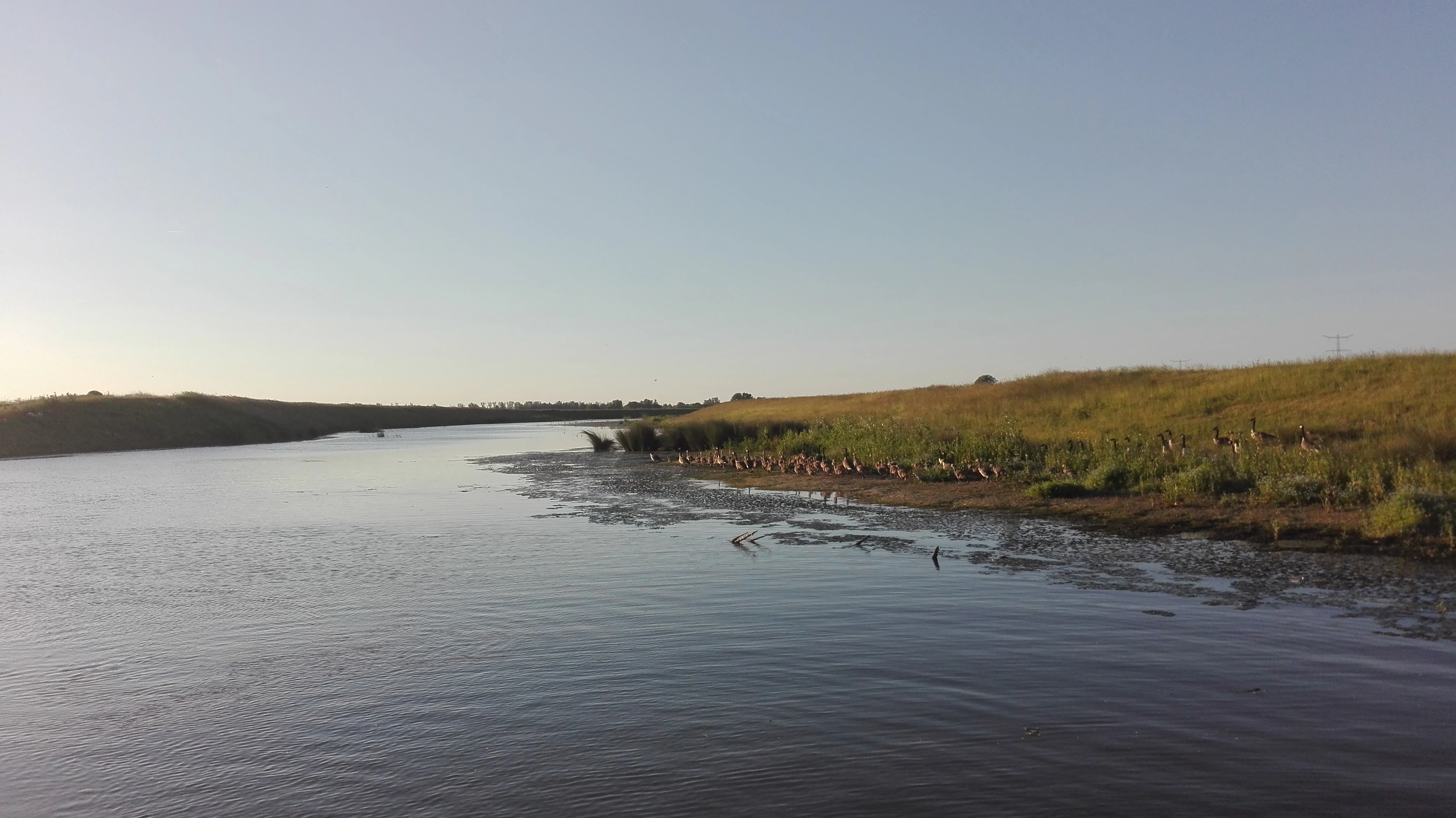
The creation of De Biesbosch began with one of the most devastating flood disasters in Dutch history. In November 1421, the dikes of the Grote Hollandse Waard collapsed during a combination of severe storm surge and high river levels. The floodwaters submerged approximately 300 square kilometers of cultivated land, destroying by tradition 72 villages and either 2,000 or 10,000 lives. The disaster occurred during a period of political instability when maintenance of the dikes had been neglected due to the Hook and Cod wars. Over the following decades, the flooded area evolved from an open inland sea into a complex delta system characterized by interconnected channels, mudflats, and emerging islands colonized by reeds and willows. For centuries, the Biesbosch functioned as a dynamic tidal wetland with tidal differences of up to two meters, supporting traditional occupations including reed harvesting, willow coppice management (griend cultivation), fishing, and fowling. Major hydrological changes in the nineteenth and twentieth centuries, including the creation of the artificial Nieuwe Merwede river and the closure of the Haringvliet in 1970 as part of the Delta Works, fundamentally altered the ecosystem by eliminating the tidal connection to the sea. During World War II, the complex network of creeks, reed beds, and willow forests provided crucial hiding places for Dutch resistance fighters and refugees fleeing German occupation. The 'Biesbosch crossers' who smuggled people, messages, and medicines across the waterways are regarded as national heroes. Contemporary history has seen significant restoration efforts, including the reintroduction of beavers and plans to partially re-establish tidal influences.
De Biesbosch National Park landscape and geographic character
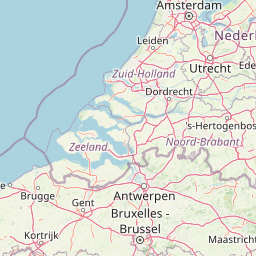
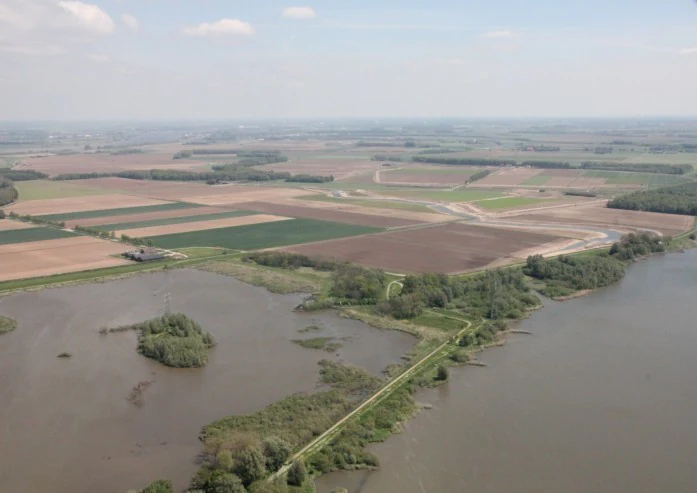
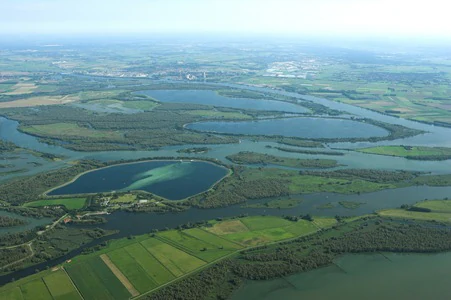
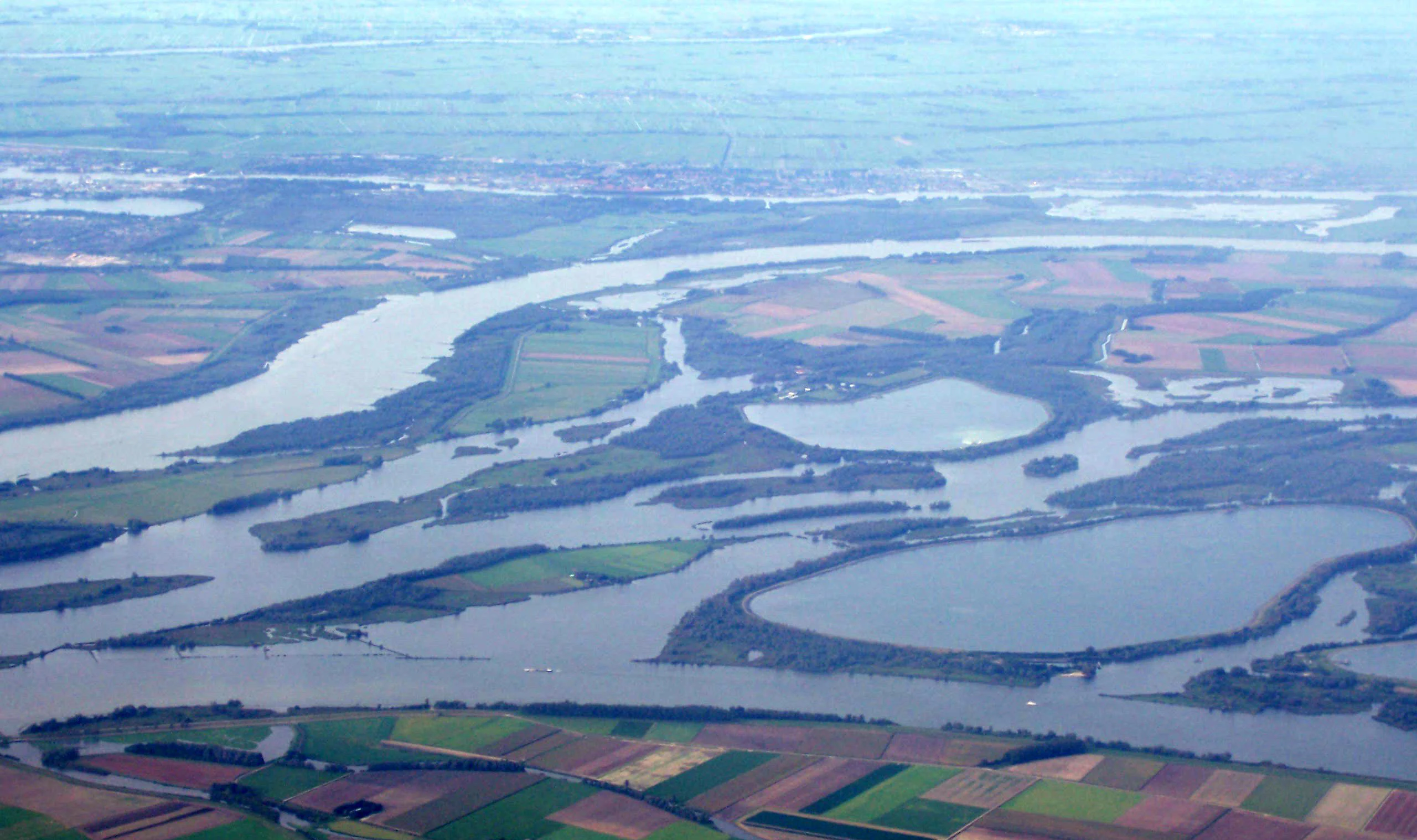
The physical landscape of De Biesbosch is defined by its network of rivers, creeks, and islands set within a low-lying delta environment. The terrain is almost entirely flat, with elevation differences measured in meters rather than hundreds of meters, reflecting the Dutch lowland character. The park contains numerous waterways ranging from major distributary channels like the Nieuwe Merwede to smaller creeks and Killen that dissect the land into a complex pattern of islands and marshy areas. The eastern section of the Sliedrechtse Biesbosch contains one of the few remaining intact systems of river dunes in the Netherlands, a rare geological feature in this otherwise flat landscape. The vegetation creates distinct landscape zones: open water and mudflats in the most dynamic areas, extensive reed beds on higher ground, and willow-dominated flood forests that have expanded dramatically since the reduction of tidal influence in 1970. The three artificial reservoirs known as spaarbekkens (Petrusplaat, Honderd en Dertig, and De Gijster) add distinctive open water bodies to the landscape while serving crucial drinking water supply functions. The park's landscape continues to evolve as restoration projects return former agricultural polders to wetland conditions, reestablishing the natural patterns of flooding and sedimentation that characterized this area for centuries before modern engineering controls.
De Biesbosch National Park ecosystems, habitats, and plant life
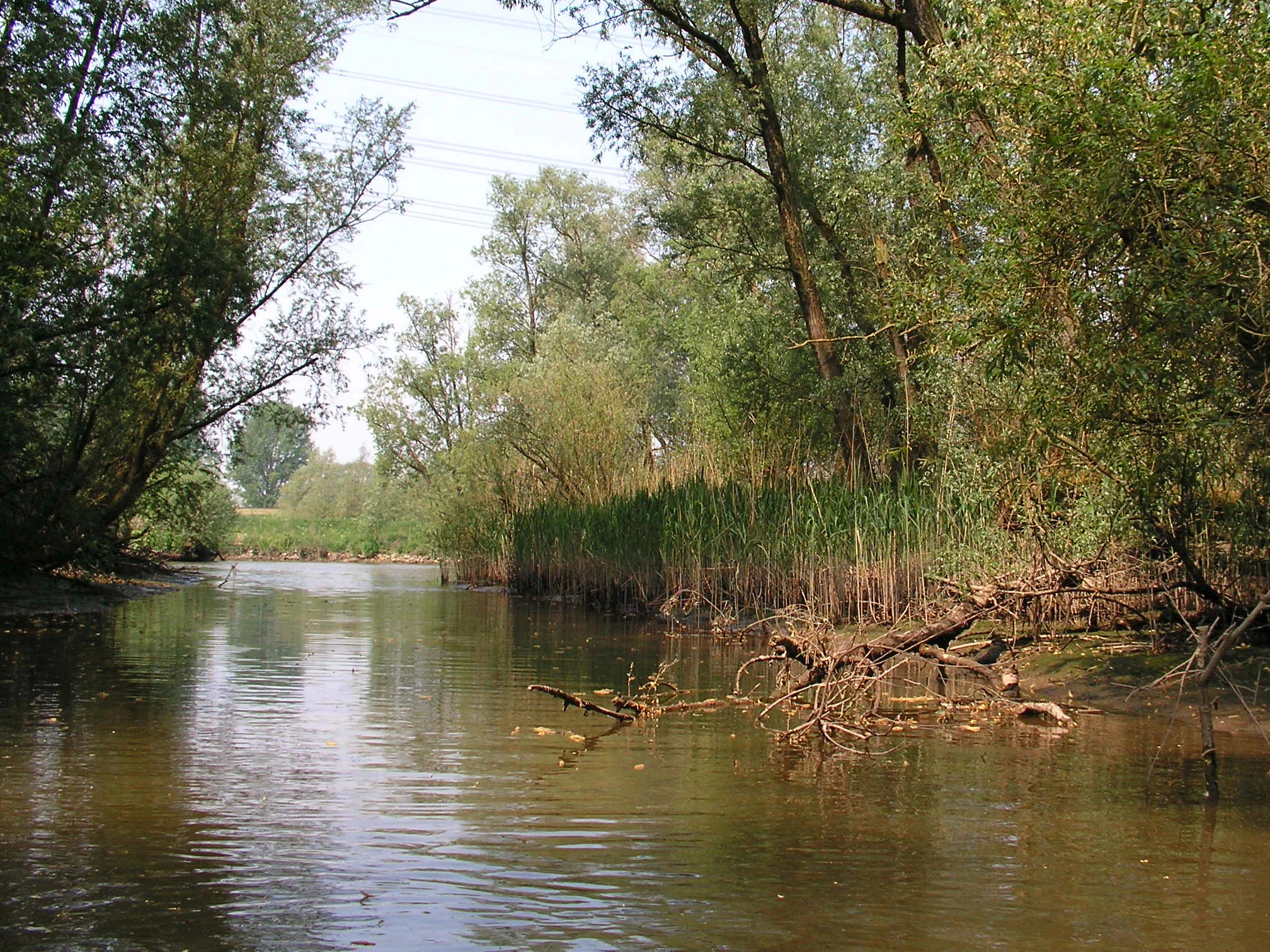
The ecological character of De Biesbosch is defined by its freshwater wetland habitats that have developed under the complex interplay of river influence, tidal dynamics, and human management over centuries. The dominant vegetation consists of willow forests that have expanded significantly since the reduction of tidal action following the closure of the Haringvliet in 1970. These willow flood forests, many of which originated as cultivated griend (willow coppice) before reverting to wild woodland, now form extensive wooded areas interspersed with reed beds and wet grasslands. The park's designation as a Ramsar wetland and Natura 2000 site recognizes its international importance for maintaining biodiversity in freshwater tidal ecosystems. The transition zone between fresh and brackish water conditions that historically characterized the Biesbosch created unique ecological niches, though the closure of the sea connection has shifted the ecosystem toward freshwater dominance. Ongoing restoration efforts aim to re-establish more natural hydrological dynamics, including the planned partial opening of the Haringvlietdam sluices to restore some tidal influence and improve conditions for migratory fish species.
De Biesbosch National Park wildlife and species highlights
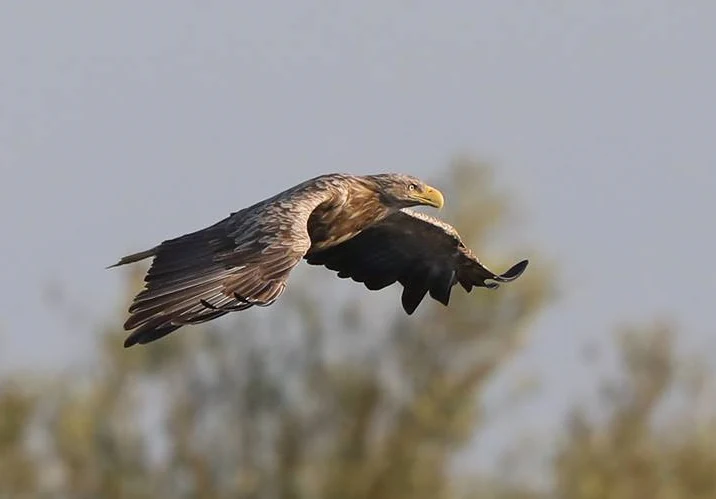
De Biesbosch supports a rich wildlife community characteristic of Dutch freshwater wetlands, with particularly important populations of waterfowl, birds of prey, and increasingly, large mammals. The park is renowned for its birdlife, with over 100 breeding bird species recorded, including significant populations of grebes, herons, egrets, ducks, and marsh birds. The area is especially important for migratory geese, with large flocks using the wetlands as resting and feeding areas during seasonal migrations. Raptors have become a particular highlight, with sea eagles (white-tailed eagles) breeding in the park since 2014 and ospreys establishing themselves as breeding birds in 2016. The mammal community has undergone remarkable changes following reintroduction programs: European beavers were introduced in 1988, 1989, and 1999, with populations now expanding significantly across the park. Otters, once common in the area before the 1970s, returned to the Biesbosch in 2023 after decades of absence, representing a major conservation success. The park also supports populations of red deer, fallow deer, and expanding communities of large grazing animals including Scottish Highland cattle and Konik horses that help maintain open wetland habitats through conservation grazing.
De Biesbosch National Park conservation status and protection priorities
De Biesbosch represents one of the most significant conservation stories in the Netherlands, demonstrating how degraded wetland ecosystems can be restored through dedicated protection and active management. The park's designation as a Ramsar wetland in 1980 and its inclusion in the European Natura 2000 network recognizes its international importance for biodiversity conservation. The transformation from a tidal to a freshwater-dominated system following the Delta Works created significant ecological challenges, leading to the decline of migratory fish species and the homogenization of habitats. However, recent conservation initiatives are reversing these trends: the 'Room for the River' program has returned former agricultural polders to wetland conditions, expanding the park's area and reconnecting waterways to restore natural hydrological processes. The partial opening of the Haringvlietdam sluices (the 'Kierbesluit') aims to restore some tidal dynamics and enable migratory fish species including salmon, trout, and shad to return to the rivers. Conservation challenges remain significant, particularly legacy pollution in sediments from the heavily industrialized Rhine and Meuse Rivers of the 1960s and 1970s, and the need to balance recreational use with ecological protection.
De Biesbosch National Park cultural meaning and human context
The cultural landscape of De Biesbosch is deeply shaped by its dramatic origins in the catastrophic flood of 1421, an event that fundamentally transformed both the physical environment and the regional identity. The area was historically known as the Verdronken Waard (Drowned Land) or Bergsche Veld before the name Biesbosch came into common use during the eighteenth century, reflecting the colonization of the emerging islands by sedge and willow vegetation. Traditional occupations including reed cutting, willow coppice management (griend cultivation), fishing, and bird hunting shaped the landscape for centuries and created unique cultural practices. The area gained additional historical significance during World War II when its complex network of waterways provided refuge for resistance fighters and a means of escaping occupied territory. The Biesbosch crossers who facilitated these dangerous passages are celebrated in Dutch history and literature. The park also contains important infrastructure for contemporary Dutch water management, including the spaarbekkens that store water from the Meuse River for drinking water supply to Rotterdam, parts of North Brabant, and Zeeland.
Top sights and standout views in De Biesbosch National Park
De Biesbosch offers visitors an exceptional combination of wetland wilderness, wildlife observation opportunities, and cultural history within one of Europe's most densely populated regions. The park's network of waterways provides excellent canoeing and boat-based exploration, with several visitor centers offering boat tours and canoe rentals. Birdwatching is a major draw, with the Hollandse Biesbosch particularly renowned for its avian diversity and four dedicated bird observation hides positioned in key habitats. The beaver population can be observed during evening tours that offer opportunities to see these industrious mammals in their wetland environment. The Biesbosch MuseumEiland in Werkendam provides comprehensive information about the park's natural and cultural history in an architecturally distinguished building. The park's ongoing restoration story, where farmland is being returned to wetland and rivers reconnected to their floodplains, offers visitors the chance to witness active ecological recovery in progress.
Best time to visit De Biesbosch National Park
The Biesbosch can be visited throughout the year, with each season offering distinct experiences. Spring brings the return of migratory birds including ospreys and the breeding season for waterfowl, while autumn sees large gatherings of geese using the wetlands as staging areas before continuing their migrations. The winter months offer excellent opportunities for wildlife observation, particularly for sea eagles that are more visible when leaves have fallen from the willow forests. Summer provides the most comfortable conditions for exploring the waterways by boat or canoe, though this is also the peak period for recreational use. The Sliedrechtse Biesbosch retains some tidal influence (20-80 cm), creating dynamic water level changes that are most pronounced during the winter months. Regardless of season, the park's atmosphere is heavily influenced by weather conditions, with fog and moody skies adding to the wetland's evocative character.