Why Utrechtse Heuvelrug National Park stands out
Utrechtse Heuvelrug is best known for its distinctive glacial ridge landscape, which forms the most prominent hill formation in the western Netherlands. The park protects extensive heathlands and shifting sand dunes that have developed on the poor soils of the push moraine, creating a landscape that contrasts sharply with the surrounding agricultural lowlands. The area is renowned for its network of ecoducts and wildlife passages that reconnect fragmented habitats, making it a pioneering example of ecological corridor development in the Netherlands. The combination of historic country estates, castle ruins, and traditional tobacco barns woven throughout the forest adds a cultural dimension that distinguishes this park from other Dutch protected areas.
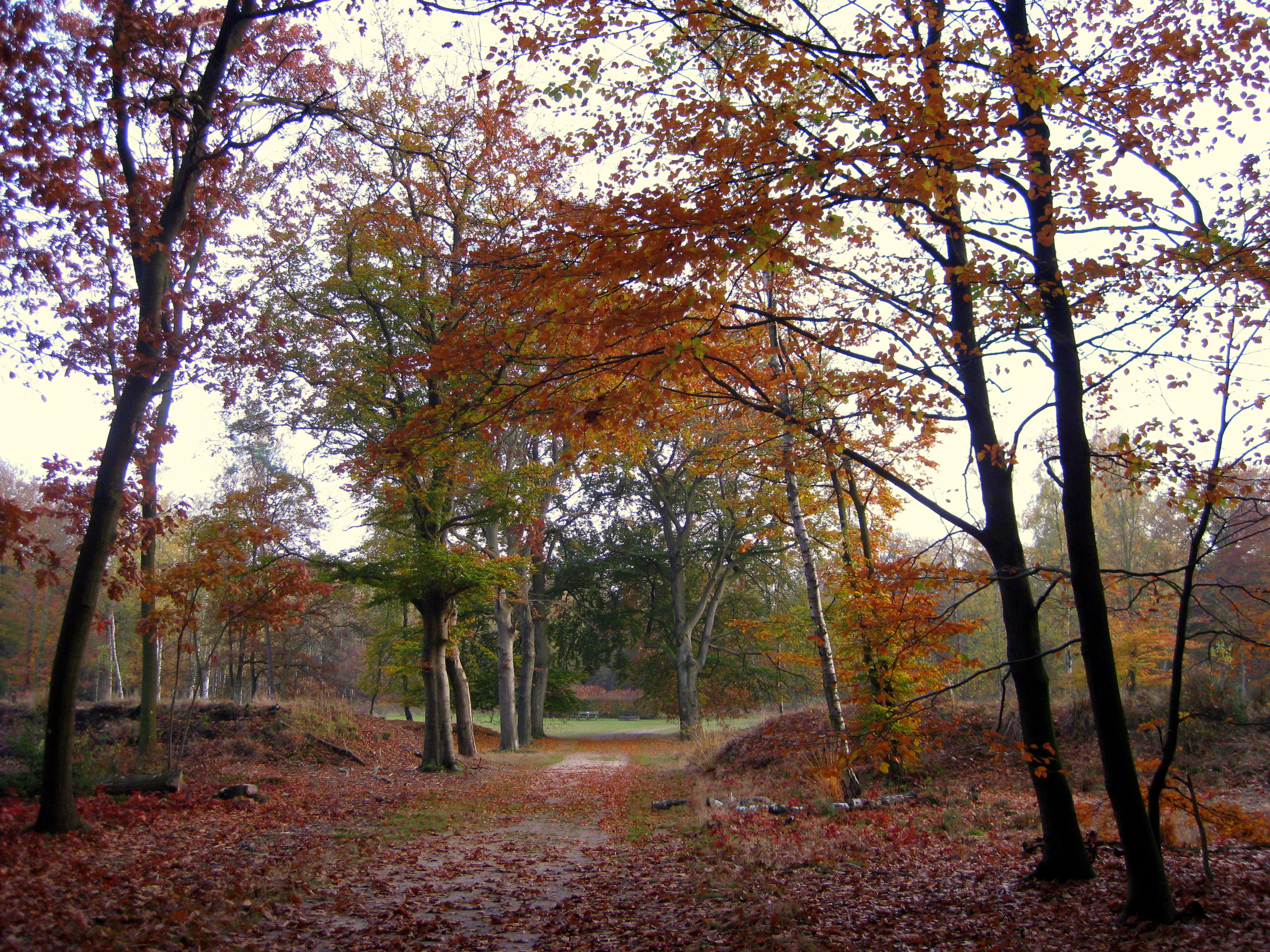
Utrechtse Heuvelrug National Park history and protected-area timeline
The Utrechtse Heuvelrug landscape has origins dating back to the Saalien glaciation, when ice sheets advanced across what is now the Netherlands, depositing morainic material that would eventually form the ridge. In the millennia that followed, wind, water, and human activity reshaped the terrain, creating the diverse soil types and landforms present today. The region underwent intensive transformation during the medieval period and later, as agricultural expansion, reforestation with coniferous species, and the establishment of country estates fundamentally altered the landscape character. The national park was officially opened on October 11, 2003, by Minister Cees Veerman, following the development of a comprehensive management and implementation plan jointly prepared by stakeholders. The 2013 expansion was symbolically marked when a shepherd drove a flock of sheep across the newly completed Mollebos ecoduct, representing the reconnection of habitats that had been separated by the A12 highway and railway. In December 2023, the park was officially recognized as wolf territory following camera recordings of two male wolves, prompting conservation measures for livestock protection.
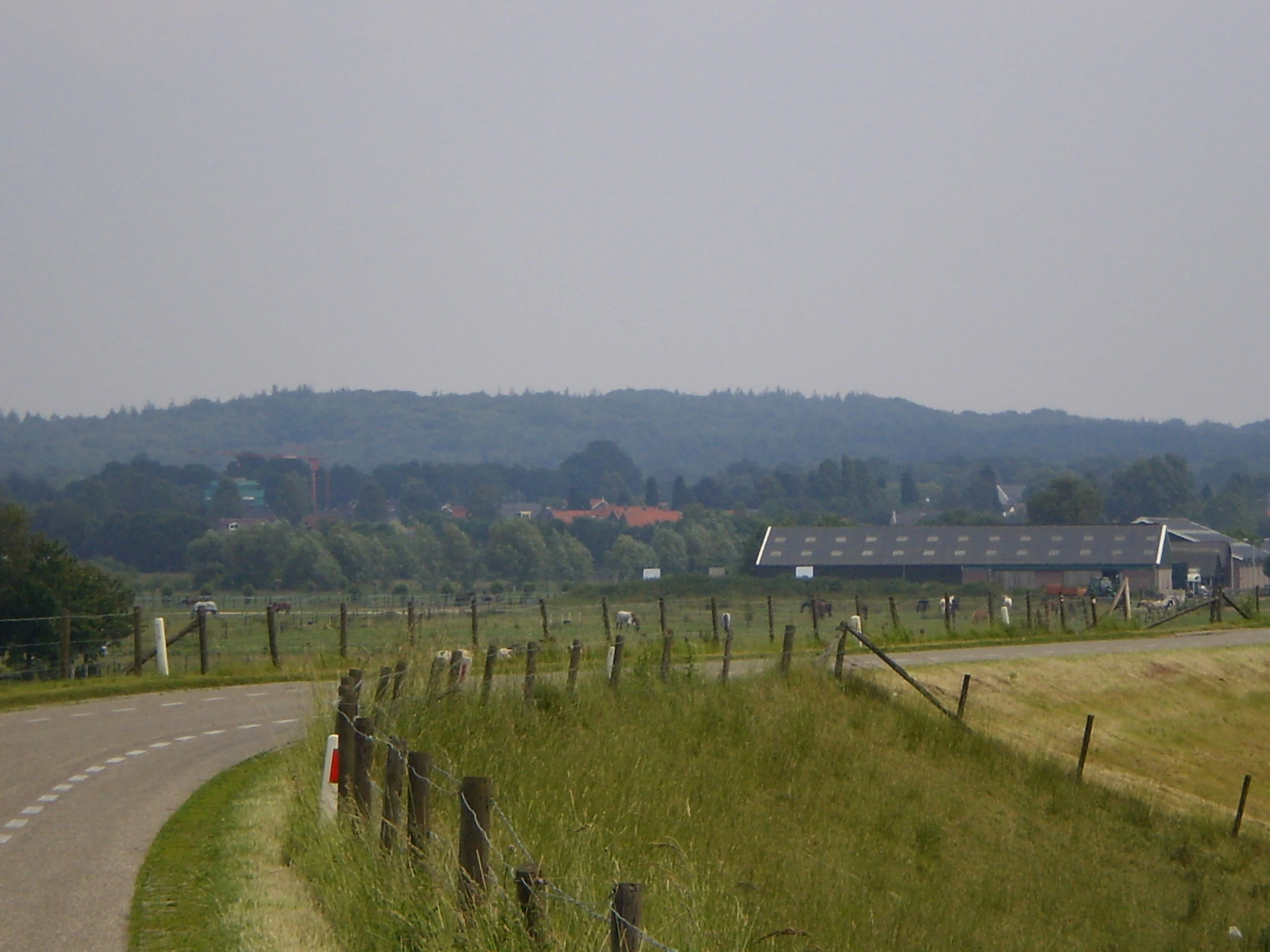
Utrechtse Heuvelrug National Park landscape and geographic character
The park is defined by its central geological feature, the push moraine or stuwwal that rises steeply from the surrounding landscape to elevations reaching over 70 meters above sea level. This ridge forms the most prominent natural elevation in the western Netherlands, creating a distinct skyline visible from the surrounding lowlands. The terrain encompasses rolling hills, steep slopes, and sheltered valleys, with the highest points offering sweeping views across the Dutch countryside. Along the southern boundary near Amerongen, the landscape transitions into the river floodplains of the Nederrijn, where wetlands and seasonally inundated meadows create a different ecological character. The park contains extensive areas of heathland, particularly on the poorer sandy soils where vegetation is dominated by heather and gorse. Scattered throughout the forested areas are patches of shifting sand, bare dunes that continue to shift and move due to wind action, maintaining a dynamic landscape process.
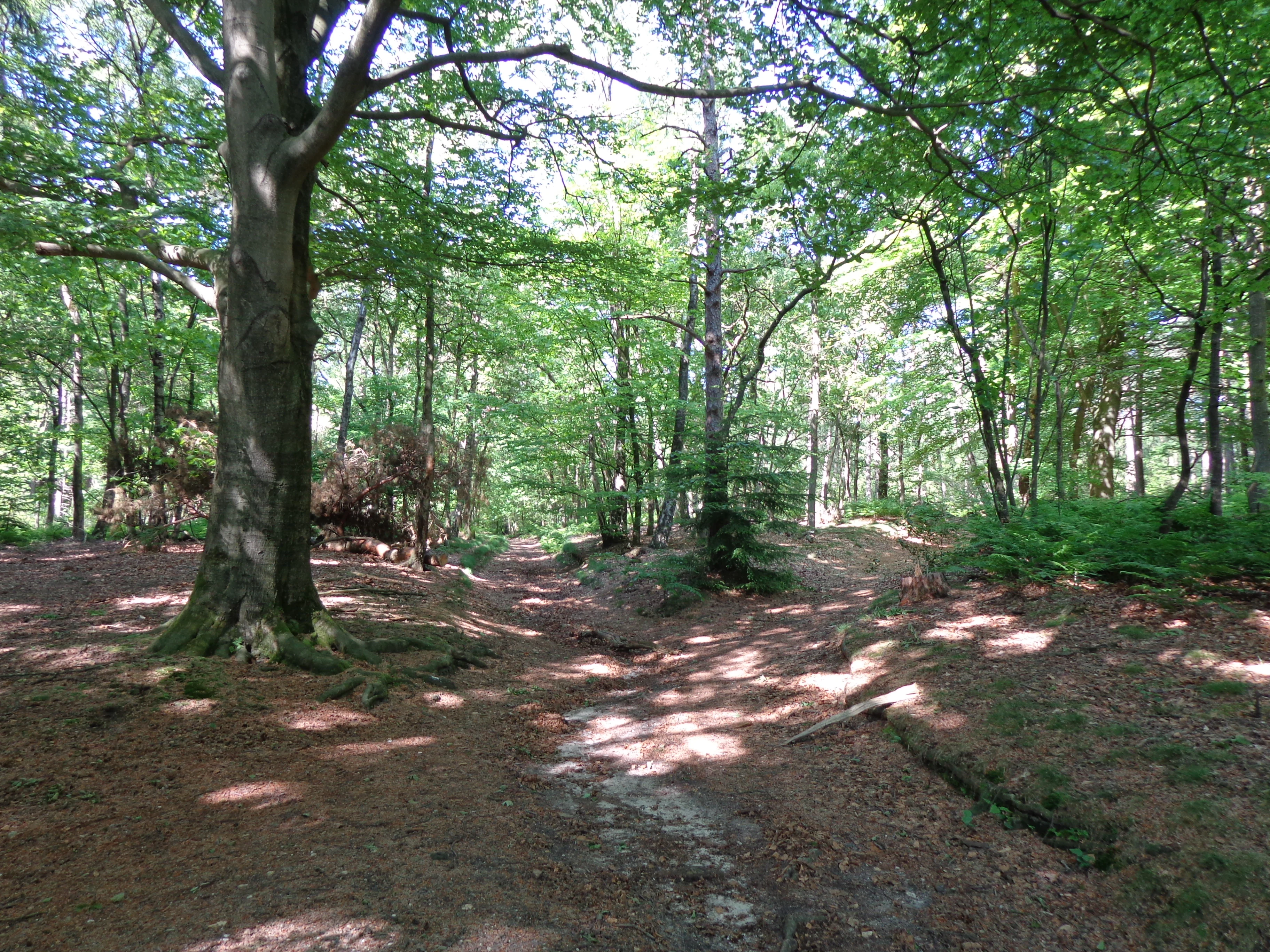
Utrechtse Heuvelrug National Park ecosystems, habitats, and plant life
The Utrechtse Heuvelrug represents one of the Netherlands' most important ecological corridors, protecting a range of habitats that support significant biodiversity. The forests, the second-largest contiguous woodland in the country, contain remnants of the original post-glacial forest with native oak and beech still present in some areas. The heathlands, which developed historically through human influence on poorer soils, support specialized plant communities adapted to acidic, nutrient-poor conditions. The shifting sand areas maintain early-successional habitats with pioneer vegetation. Near Amerongen, the river floodplain wetlands provide different ecological conditions, supporting marshland plants and bird species associated with wetter environments. The variety of soil types across the ridge, including podzol soils in forested areas and more primitive vaaggronden in active sand dune areas, reflects the geological complexity of the landscape and contributes to habitat diversity.
Utrechtse Heuvelrug National Park wildlife and species highlights
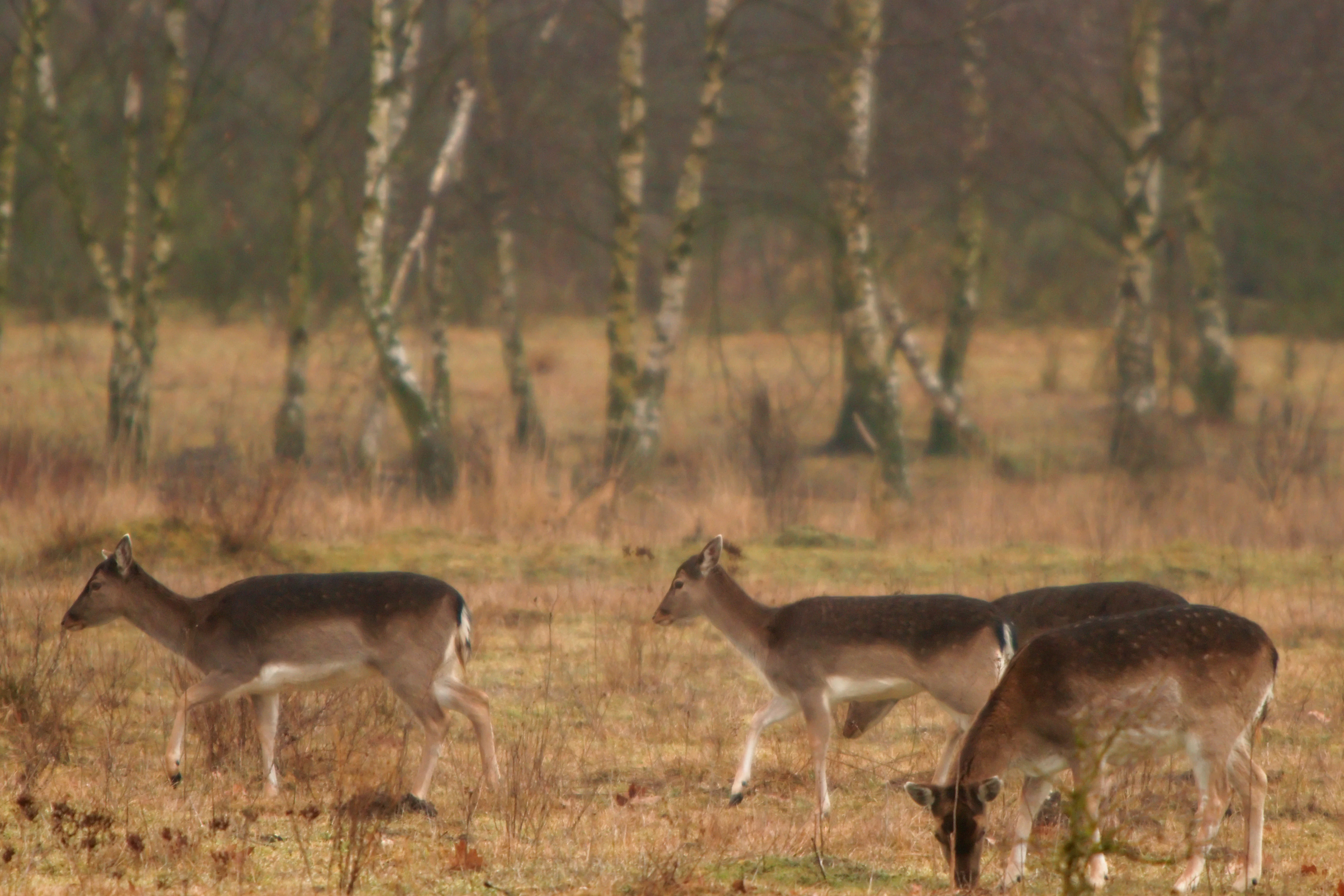
The park supports a rich fauna community, with more than 100 bird species recorded within its boundaries. Notable avian residents include the black woodpecker, a species requiring large areas of mature forest, as well as raven, bluethroat, and in the wetland areas near Amerongen castle, the little bittern. Mammal species present include roe deer, red fox, European badger, and the European pine marten, with the tree marten representing one of the rarer mustelid species in the Dutch context. The December 2023 designation of the Utrechtse Heuvelrug as wolf territory marked a significant ecological development, with two male wolves documented by camera traps establishing a home range in the area. The park also supports populations of amphibians, reptiles, bats, butterflies, and dragonflies, reflecting the diversity of habitats contained within its boundaries.
Utrechtse Heuvelrug National Park conservation status and protection priorities
Utrechtse Heuvelrug National Park plays a crucial role in Dutch conservation as part of a broader strategy to combat habitat fragmentation and ecological isolation. The park's management focuses on creating ecological connectivity through the construction of ecoducts and wildlife passages that allow animals to move safely across the network of highways and railways that bisect the region. The Mollebos ecoduct, completed in 2012, was the first major crossing to reconnect the northern and southern portions of the ridge, enabling the 2013 expansion of the park. Additional ecoducts including Rumelaar and Treeker Wissel further support wildlife movement, while plans call for additional crossings to the north. The establishment of the park was specifically intended to protect the area against incremental loss from urban development and to maintain the cultural and natural values that define the region. The collaborative governance model, involving multiple landowners and conservation organizations, represents a Dutch approach to large landscape conservation that relies on shared stewardship rather than strict statutory protection.
Utrechtse Heuvelrug National Park cultural meaning and human context
The Utrechtse Heuvelrug region carries significant cultural heritage value, with the landscape shaped by centuries of human occupation and use. The area is characterized by numerous country estates, historic villages, and architectural features including tobacco barns and sheepfolds that reflect traditional land use practices. Several castles and country houses are situated within or near the park boundaries, notably Amerongen Castle with its associated gardens and estate lands. The pattern of country estates, many dating from the 17th and 18th centuries, reflects the historical attraction of the ridge as a location for wealthy Dutch families to establish summer residences. The Leusderheide area served historically as a military training ground, a use that has left certain areas with distinctive character. Traditional agricultural practices, including sheep farming, have contributed to the maintenance of open heathland areas that would otherwise succeed to forest without active management.
Top sights and standout views in Utrechtse Heuvelrug National Park
The Utrechtse Heuvelrug offers visitors a distinctive Dutch landscape experience centered on the country's most prominent glacial ridge. The combination of extensive forests, open heathlands, and shifting sand areas creates visual diversity unusual in the Netherlands. The network of ecoducts, visible from key viewpoints, represents an innovative approach to wildlife conservation that visitors can learn about. The proximity of historic elements including castles, country estates, and traditional villages adds cultural depth to the natural landscape. The park receives over one million annual visitors, who are channeled through designated 'gates' and 'green entrances' that concentrate recreational activity at the edges while preserving quieter central areas as wildlife refuges.
Best time to visit Utrechtse Heuvelrug National Park
The park can be enjoyed year-round, though each season offers distinct experiences. Spring brings blooming heathlands and excellent birdwatching opportunities as migratory species return. Summer offers the warmest conditions for outdoor activities on the extensive trail network and provides opportunities to observe species like butterflies and dragonflies in the wetland areas. Autumn colors in the deciduous forests create particularly striking scenery, while winter, though quieter, offers the chance to see wildlife more easily in the bare landscapes and provides a different character to the park's heathlands and ridges.