Why Goonengerry National Park stands out
Goonengerry National Park is best known for its exceptional population of Albert's lyrebirds, which represent the largest known concentration of this species anywhere in the world. The park lies within the Nightcap Range Important Bird Area, a recognized biodiversity hotspot for birdlife. The lyrebird population became a central focus of the conservation campaign that led to the park's creation in 1999, with local community group Friends of Goonengerry Sanctuary (FROGS) playing a pivotal role in advocating for protection based on the species' presence. The park also supports several other significant bird species, cementing its importance as a birdwatching destination.
Goonengerry National Park history and protected-area timeline
The land that now comprises Goonengerry National Park has a layered history of human use and environmental change. European timber getters first settled the area in the 1880s, beginning a long period of forest exploitation. By the 1940s, the land had become freehold property owned by the Banana Growers Federation, during which time it was known as Tom Rummery Forest after the forestry inspector who lent his name to the area. The banana growers utilized the forest to harvest timber for constructing banana packing boxes, and to support this commercial purpose, they undertook planting programs that introduced blackbutt and flooded gum trees throughout parts of the forest. The decline of timber-based banana packaging in the 1980s, as the industry shifted to cardboard, reduced the logging pressure on the area. In 1986, the NSW Forestry Commission purchased the land, converting it to a state forest and prompting a period of heavy logging by contractors. The 1991 campaign to save the forest emerged from growing local concern, with residents organising around the specific threat to Albert's lyrebird habitat. The Friends of Goonengerry Sanctuary group focused their advocacy on the ecological significance of the lyrebird population, which ultimately contributed to the land being purchased for conservation and proclaimed as a national park in January 1999.
Goonengerry National Park landscape and geographic character
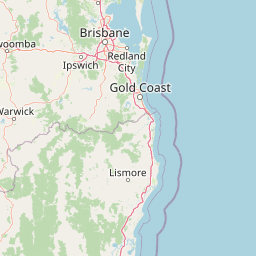
The landscape of Goonengerry National Park is defined by its position within the Nightcap Range, a mountainous region formed as part of the ancient volcanic terrain associated with Mount Warning. The terrain features steep ridges and well-defined valleys that channel water flow through the area. The park sits at elevations that support moist forest conditions, with the combination of aspect, altitude and rainfall creating suitable habitat for wet sclerophyll forest communities. The compact size of the park means that visitors can traverse from ridge tops to valley floors within a relatively short distance, experiencing the topographic variation that characterises this part of the northern NSW highlands. The forest structure includes tall eucalyptus emergents with a dense understorey of ferns, shrubs and leaf litter that provides the ground cover essential for lyrebird foraging.
Goonengerry National Park ecosystems, habitats, and plant life
The ecological character of Goonengerry National Park centres on its wet sclerophyll forest communities, which support a distinctive mix of plant and animal species adapted to moist conditions. The forest floor remains shaded and humid beneath the dense canopy, creating conditions favourable to the lyrebirds that forage among the leaf litter for invertebrates. The understorey vegetation includes various fern species, woody shrubs and saplings that contribute to the complex habitat structure. The park forms part of a larger network of protected areas in the Nightcap Range that collectively support significant biodiversity, with the Important Bird Area designation reflecting the concentration of special bird species that the area supports. The transition from logged forest to protected status has allowed the ecosystem to begin recovery, though the legacy of past timber operations remains visible in parts of the landscape.
Goonengerry National Park wildlife and species highlights
The wildlife of Goonengerry National Park is highlighted by the presence of Albert's lyrebird, a species whose largest known global population resides within this small park. Albert's lyrebird is a ground-dwelling bird species known for its elaborate tail plumage and powerful scratching behaviour as it forages through leaf litter. The park's identification as an Important Bird Area by BirdLife International reflects not only the lyrebird population but also the presence of several other significant bird species that inhabit the Nightcap Range forests. While the Wikipedia source does not detail all species present, the area is recognised within the broader context of the Nightcap Range as supporting diverse bird communities. The forest habitat also supports various mammals, reptiles and invertebrates typical of wet sclerophyll forests in this region, though specific species inventories would require more detailed source material.
Goonengerry National Park conservation status and protection priorities
Goonengerry National Park represents a conservation success story that emerged from community activism in the 1990s. The park's establishment in 1999 was driven by recognition of its significant environmental values, particularly the presence of Albert's lyrebird. The transition from active logging to protected area status reflects a shift in understanding from viewing the land as a timber resource to recognising its ecological importance. The park is included within the Nightcap Range Important Bird Area, a formal recognition by BirdLife International of its global significance for bird conservation. The management by NSW National Parks and Wildlife Service ensures ongoing protection of the habitat, though the relatively recent establishment of the park means that ecosystem recovery from historical logging remains an ongoing process.
Goonengerry National Park cultural meaning and human context
Goonengerry National Park is situated on the traditional lands of the Widjabul Wia-bal People, who are part of the Bundjalung Nation of Aboriginal Australians. This cultural connection predates European settlement by many thousands of years, with the Widjabul Wia-bal People having maintained spiritual and physical connections to this landscape long before the area was declared a national park. The bundjalung Nation encompasses a network of clan groups whose traditional country extends across parts of northern New South Wales and southern Queensland. The park's cultural context adds depth to its conservation significance, linking modern environmental protection with the longstanding Indigenous relationship to Country.
Top sights and standout views in Goonengerry National Park
The standout feature of Goonengerry National Park is its global significance for Albert's lyrebird conservation, supporting the largest known population of this distinctive ground-dwelling bird. The park's location within the Nightcap Range places it within one of the most biodiverse forested regions of northern NSW. The compact size of the park makes it accessible for visitors interested in birdwatching and forest walks. The area's transformation from timber production to protected status in 1999 demonstrates how community advocacy can achieve lasting environmental outcomes.
Best time to visit Goonengerry National Park
The best time to visit Goonengerry National Park would typically be during the cooler months of autumn and winter in the southern hemisphere, from approximately March through August, when conditions are more comfortable for walking and wildlife activity in the forest remains active. The wet sclerophyll forest environment is enjoyable in cooler weather, and the denser groundcover from recent rainfall can make lyrebird activity more observable as birds move through leaf litter searching for food. Summer months can be warm and humid in this part of NSW, though the forest canopy provides shade. As a relatively small and newly established national park, visitors should check current conditions and any access restrictions with NSW National Parks before visiting.