
Trip Timing Orientation
When is the best time to visit Great Sand Dunes National Park and Preserve
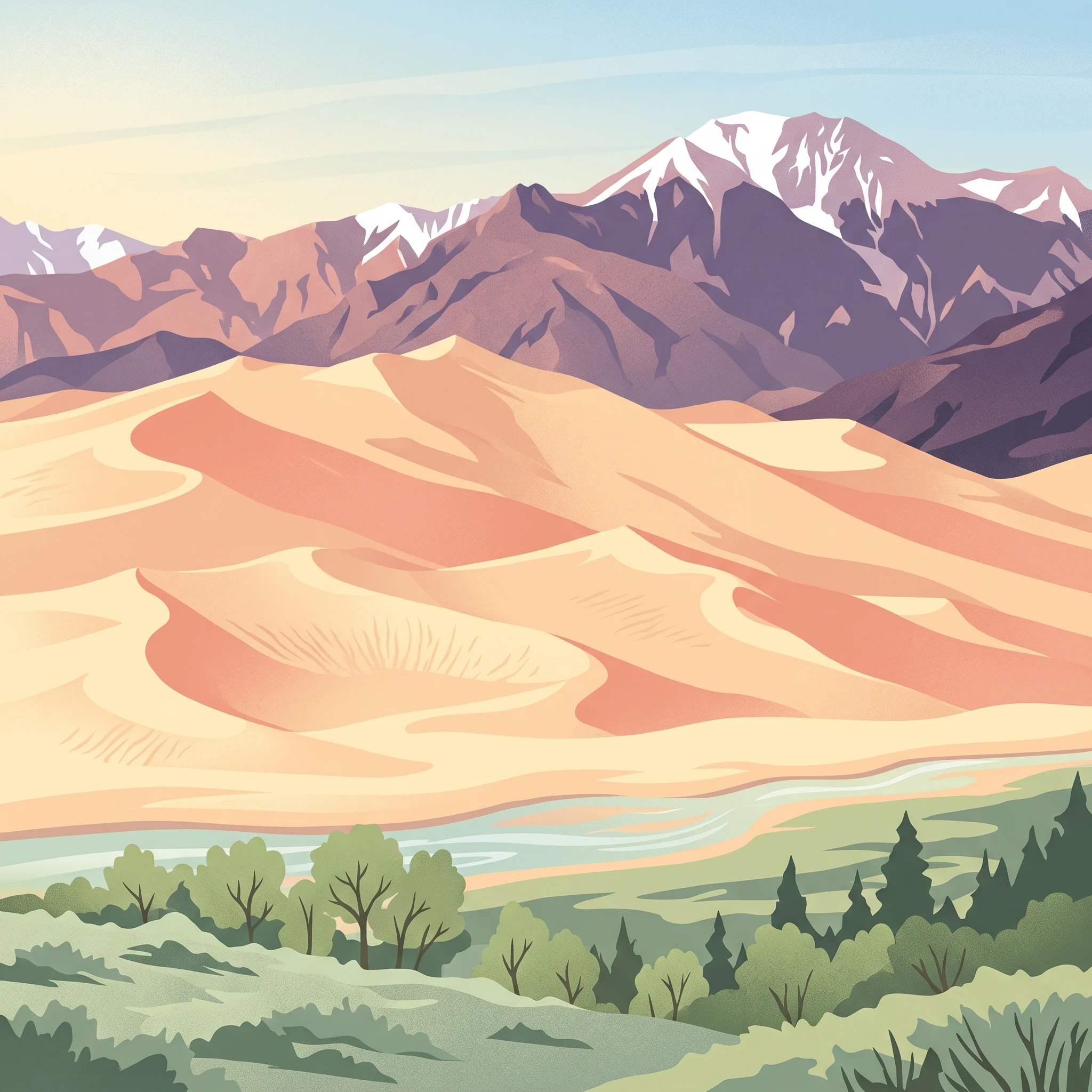
Determining the best time to visit Great Sand Dunes National Park and Preserve depends on which of the park’s contrasting environments you intend to prioritize. Because the dunes rise from the valley floor to meet 13,000-foot mountain peaks, visitors encounter a climate dictated by significant elevation changes. For most travelers, the months of late spring and early autumn offer the most stable and comfortable conditions. During these windows, the park experiences a balance between manageable daytime highs and the biting cold that often characterizes the high-desert nights.
The Trade-offs of Seasonal Timing
Choosing when to go involves a core trade-off between water-based experiences and thermal comfort. The park is famous for the Medano Creek surge, a unique hydrological phenomenon that occurs when snowmelt creates wave-like water flow across the sand. This event generally draws visitors to the area in late spring. However, this same period is marked by high wind volatility. Because the dunes are shaped by opposing southwest winds and mountain storm systems, spring visitors should anticipate erratic, potentially strong gusts that can significantly impact comfort while hiking on the open sand.
Alternatively, late summer and early autumn provide a different set of conditions. By late summer, the intensity of the mid-day sun on the dark-colored sand becomes a major factor, as surface temperatures can far exceed ambient air temperatures. While late autumn brings a reduction in the intense summer heat, it also signals the return of unpredictable, chilly weather. Travelers who favor mild temperatures must be prepared for the reality that the park’s elevation ensures that even in temperate months, temperatures can plummet once the sun dips behind the Sangre de Cristo range.
Environmental Factors and Planning
Beyond simple air temperatures, daylight hours and moisture patterns play a critical role in how the park is experienced. While summer days are long, they are often punctuated by afternoon thundershowers. These storms bring not only rain but also the significant hazard of lightning strikes on the exposed, high-elevation dunes. Conversely, the colder months offer some of the clearest skies for those interested in the park's status as an international dark sky location. When assessing these variables, travelers should view the annual climate not as a sequence of static seasons, but as a shifting set of physical exposures. You are essentially balancing the desire for water-based recreation against the risk of high winds in spring, or the appeal of stable, clear-sky autumn days against the necessity of managing extreme temperature swings between day and night.
Seasonal Planning
Best Months to Visit Great Sand Dunes National Park and Preserve
Spring and the Peak Medano Creek Surge
Late spring, specifically May through early June, represents the most distinctive visiting window for those prioritizing the Medano Creek surge. During this period, the seasonal snowmelt from the Sangre de Cristo Mountains flows across the sand, creating the unique wave-like hydrological phenomenon that draws many visitors. This window offers a compromise, however, as it coincides with the season of highest winds. Travelers should anticipate gusty conditions that can move loose surface sand across the dune field, often impacting visibility and comfort. While temperatures become pleasant during the day, the high-altitude climate ensures that the nights remain cold, and spring storms can bring sudden, sharp drops in temperature.
Late Summer for Alpine Access and High Elevations
For visitors interested in the park's diverse ecosystems beyond the dune field, such as the alpine tundra and subalpine forests, late summer serves as a primary access period. By July and August, snow has typically cleared from higher mountain trails, allowing access to the terrain beyond the valley floor. The trade-off for this extended hiking range is the threat of afternoon lightning. Because the landscape features vast, exposed dunes and high mountain peaks, afternoon thundershowers are common and present a safety risk. Hikers must plan to descend from elevated areas before mid-afternoon, as the danger of lightning strikes in this environment is significant and well-documented.
The Milder Conditions of Early Autumn
September and early October offer perhaps the most stable weather for those who prioritize general exploration and photography without the extreme winds of spring or the lightning risks of mid-summer. This period is characterized by milder, consistent temperatures and a marked decrease in the intensity of weather-driven events. It is a favored time for those who wish to traverse the dunes comfortably, as the surface temperatures are generally lower than in the height of summer, and the extreme winds of the spring months have subsided. The primary trade-off in autumn is the decrease in daylight hours and the lack of the spring water surge, meaning the creek may be largely or entirely dry during this window.
Winter and the Cold-Weather Experience
Winter, spanning from November through February, offers a quiet, starkly beautiful landscape for travelers who are well-prepared for sub-freezing temperatures. While the sun is often out, the average minimums regularly drop well below freezing. This period is best suited for those who prioritize solitude and do not require the full range of summer-only trail access. The main trade-off is the need for specialized clothing and footwear, as snow may fall and icy conditions are common. Visitors during this time must be self-reliant, as the harsh climate significantly increases the risks associated with exposure if one is caught unprepared by a sudden cold-weather system.
Annual Climate Overview
Weather and Climate Trends by Month at Great Sand Dunes National Park
Understanding the high-altitude environment of this national park requires looking beyond simple averages, as the climate is defined by extreme daily temperature swings and significant atmospheric shifts. Situated at approximately 8,100 feet, the terrain experiences a pattern of cold nights and rapid daytime warming. It is critical to recognize that long-term climate normals represent statistical averages over several decades and do not function as daily weather forecasts. Visitors should anticipate significant deviations from these values during any given trip, especially as the landscape interacts with localized weather patterns in the Sangre de Cristo Range.
Patterns of Temperature and Daily Variability
Temperature dynamics follow a distinct arc where nighttime lows often drop well below freezing, even during the peak of summer. While daytime maximums reach their highest levels in June and July, the intense solar radiation at this elevation creates a deceptive sense of warmth. Once the sun dips behind the mountains, heat dissipates quickly into the thin, dry air. Throughout the shoulder seasons and winter, the diurnal range is especially pronounced. Daytime highs may climb into the 50s or 60s Fahrenheit in late autumn, yet overnight conditions frequently plummet to near zero. This volatility requires a wardrobe centered on layering, as comfort levels can shift drastically within a single hour.
The Influence of Wind and Atmospheric Conditions
Wind serves as a primary environmental factor throughout the year, with specific trends in late spring that contrast sharply with the calmer conditions of late summer. During March, April, and May, the valley experiences increased wind speeds, which can generate localized sandstorms and contribute to significant windchill effects. These gusts are a result of complex air interactions between the valley floor and the surrounding high-peaks. By contrast, July and August tend to see a reduction in average wind speeds, though this period coincides with the buildup of afternoon clouds and potential convective activity. The park is characterized by abundant sunshine, with very few days annually when heavy cloud cover persists for the majority of the daylight hours, reinforcing the region's reputation for clear, bright, and cool sunshine.
Seasonal Precipitation and Humidity Trends
Annual precipitation is relatively low, typically averaging around 11 inches per year, including snowfall. The pattern of moisture is not distributed evenly. Winter months are generally the driest in terms of liquid precipitation, though they bring the bulk of the park's annual snowfall, which averages 37 inches. As the season transitions into summer, humidity levels reach their lowest points in early summer before showing a slight uptick during the mid-summer months. This shift often corresponds with the arrival of afternoon moisture patterns that can lead to rapid, localized storms. Humidity remains low enough to keep the air feeling crisp, but travelers should remain aware that low humidity levels can lead to rapid dehydration during physical exertion on the dunes.
Daylight Availability and Exposure
Daylight duration fluctuates significantly across the year, with the summer solstice providing over 14 hours of potential light and the winter solstice dropping to under 10 hours. Because the park is situated against high mountain peaks, the effective daylight is often shorter than astronomical data might suggest. The sun sets behind the Sangre de Cristo Range significantly earlier in the afternoon during late autumn and winter, leaving large portions of the dunes in deep shadow while the rest of the sky remains bright. This rapid transition to shade can cause ambient temperatures to drop abruptly, turning a pleasant afternoon hike into a cold-weather challenge within minutes of the sun disappearing behind the peaks.
Annual Patterns
Seasonal Weather Transitions at Great Sand Dunes National Park and Preserve
Spring Winds and the Transition to Melt
The period spanning March through May defines the park's most volatile weather phase. As winter begins to wane, the region experiences a shift marked by persistent, gusty winds that move sand across the basin and up toward the Sangre de Cristo Mountains. Visitors should expect high variability in temperature, where bright sun can lead to mild daytime conditions that plummet rapidly if a storm passes through. This window often serves as the final stretch of the regional snow season, and while many days may offer comfortable, crisp air, the intensity of the wind is a defining characteristic that can make dune exploration challenging. Because these conditions fluctuate daily, the park does not transition into a stable spring climate until the peak wind energy settles toward the end of May.
The Surge and Summer Thermal Cycle
Beginning in late May and stretching through August, the park enters its most thermally active phase. This period is defined by a shift from the windy, unstable spring into a pattern of warmer, more predictable daytime temperatures and the seasonal arrival of water in the dune fields. Hydrological cycles play a major role here, as snowmelt from the mountains feeds the surge flow in Medano Creek. While daytime highs often reach their annual peaks in July, the high altitude keeps the heat from becoming stifling compared to lower-elevation deserts. By mid-to-late summer, this phase is characterized by the onset of a monsoon-influenced pattern. Afternoon thundershowers become a regular feature, bringing short-lived but intense atmospheric instability. These storms are the primary environmental factor for visitors to monitor, as they bring rapid cooling and the hazard of lightning to the exposed dune surfaces.
The Autumnal Cooling Period
September and October represent a distinct transition into a stable, cooler climate that stands apart from both the turbulent spring and the summer storm season. During this phase, the frequency of afternoon thunderstorms drops significantly, leading to clearer, more reliable skies. Temperatures begin a steady decline, moving from pleasant, moderate highs to much cooler, crisp nights. This is often the most consistent weather window in the park, as the extreme wind patterns of the spring have faded and the humidity levels associated with the summer monsoons have decreased. The transition is marked by a noticeable crispness in the air, signaling the approach of the winter climate and a reduction in daylight hours that happens more rapidly as October progresses.
Winter Solitude and Cold Extremes
From November through February, the park settles into a cold, sun-drenched, but quiet season. While the region is known for its sunshine, the high-altitude winters are characterized by low temperatures that frequently dip well below freezing. This period is the least impacted by the dramatic wind and water activity of the warmer months, but visitors face the reality of mountain winter conditions. Snow cover is common, and the cold is often intensified by the diurnal temperature range, where clear nights lead to sharp drops after the sun sets. This phase is defined by its stillness, offering a stark contrast to the dynamic activity of the park's warmer seasons.
Seasonal Experiences
What Visiting Great Sand Dunes National Park Is Like Throughout the Year
Navigating the Medano Creek Surge
The primary seasonal experience at the park is the formation of Medano Creek, which occurs when snowmelt from the Sangre de Cristo Range flows down to the edge of the dune field. This phenomenon typically begins in late spring, creating a shallow, broad water flow that supports a beach-like atmosphere. The timing of this surge is intrinsically linked to the rate of mountain snowmelt, making it highly variable from year to year. Visitors looking to wade or relax by the water should prioritize late May and early June, as the flow often diminishes significantly or disappears entirely as summer heat intensifies and the seasonal runoff tapers off. This period provides a specific recreational context where the base of the dunes transforms into a social space, distinct from the silent, windswept nature of the landscape during other months.
Dune Hiking and Footing Dynamics
Exploring the dune field is a year-round activity, but the environmental experience shifts considerably with the time of year. During the warmer months, particularly July and August, the surface temperature of the sand can become intensely hot, making mid-day exploration uncomfortable or even unsafe for bare feet. Hikers should anticipate that trekking across the dunes requires more physical exertion than hiking on firm trails. While the dunes are open at all hours, the lack of defined routes means that orientation becomes more challenging during the low-light conditions of mid-winter or during the high-wind events common in April and May. Those planning to reach the high ridges like Star Dune often find the cooler air of autumn more sustainable for long-duration walking, as the lower temperatures mitigate the physical strain of climbing the steep, shifting slopes.
Mountain Trails and High-Altitude Access
Beyond the dune field, the park offers access to high-country trails that lead into the Sangre de Cristo Range. The timing for these experiences is heavily constrained by elevation and residual snowpack. While the valley floor may be clear and accessible during late spring, the upper-elevation trails often remain snow-covered until mid-summer. Consequently, the period from late July through early September serves as the primary window for hikers wishing to access subalpine and alpine ecosystems without significant snow equipment. This window aligns with the period of lower wind speeds compared to the spring months, creating more stable conditions for high-altitude treks. Visitors should remain aware that these mountain areas are prone to localized weather shifts, and even in mid-summer, high-altitude trails can experience rapid cooling or convective storms, necessitating careful preparation regardless of the calendar date.
Visitor Priorities
Best Times to Visit Great Sand Dunes for Specific Travel Goals
Selecting for Milder Daytime Temperatures
If your primary goal is to avoid the extremes of intense summer heat and mid-winter frigidity, the shoulder seasons of late spring and early autumn provide the most comfortable walking conditions. During these windows, daytime highs often settle into the 60s and 70s Fahrenheit, which is ideal for trekking across the exposed sand where surface temperatures can otherwise climb significantly higher than the ambient air. While spring brings unstable, often powerful winds that can make extended dune traversal difficult, September and early October offer a marked decrease in wind speeds and a stabilization of the diurnal temperature range. The compromise for choosing these mild windows is that you miss the peak hydrological phenomenon of the Medano Creek surge, which is tied to the timing of late-spring snowmelt.
Prioritizing High-Country Access and Summer Trails
Travelers focused on hiking into the Sangre de Cristo high country rather than remaining on the sand field should prioritize the late summer window, typically spanning from late July through August. This period offers the best accessibility for mountain trails that may remain snow-bound well into June. The environmental trade-off here is the predictable occurrence of afternoon lightning storms. While the valley floor may reach its annual temperature peak, the high-altitude trails provide a cooler, forested escape. Visitors during this time must adopt a strict early-start strategy to reach high-elevation destinations and return below the timberline before the daily pattern of monsoon-related thundershowers develops. If you find the heat of the lower dunes uncomfortable, focusing your trip on these higher elevations is the most effective way to balance activity with thermal comfort.
Maximizing Daylight and Extended Exploration
For those who wish to maximize their time in the field, June provides the longest daylight hours of the year. With the sun rising early and setting well into the evening, you gain additional capacity for exploring the vast dune field. This window is particularly well-suited for visitors who prefer a slower pace or who intend to explore the most remote sections of the dune system, such as Star Dune, which requires a significant time commitment. However, the trade-off is the daily rhythm of solar heating. You must account for the fact that high-noon temperatures on the dunes can be intense, often necessitating an midday hiatus. While the extra daylight allows for a cooler, more enjoyable excursion during the late evening hours, you must prepare for the high-altitude sun intensity that characterizes the summer months.
Timing for Quiet Solitude and Stargazing
Visitors seeking the quietest possible experience should look toward the late autumn or deep winter months. Once the summer crowds disperse and the weather cools, the park adopts a noticeably different character. The drier, colder air of late October through January frequently results in clearer nights, which are exceptional for stargazing under the park's designated Dark Sky status. The primary compromise for this priority is the necessity of extreme cold management, as temperatures regularly drop well below freezing, particularly after sunset. Travel during this time requires a commitment to winter-rated layering and a tolerance for the shorter daylight windows that limit the feasibility of long-distance hiking.
Access and Logistics
Seasonal Access Considerations at Great Sand Dunes National Park and Preserve
Navigating Park Access and Infrastructure
Great Sand Dunes National Park and Preserve is primarily accessed via a single primary entrance road that connects to the main dune field and visitor facilities. This access route is reached by turning off Colorado State Highway 17 or U.S. Highway 160. Because the park is situated on the eastern edge of the San Luis Valley, visitors approaching from different directions must navigate the surrounding mountainous topography, which can influence travel times during inclement weather. Travelers should always check current road status, particularly when planning winter or early spring trips, as mountain passes and local regional roads may experience temporary closures or require specific vehicle equipment such as snow tires or chains during storm events.
Seasonal Operational Rhythms
The park visitor center serves as the primary hub for information and orientation. While historical operating hours indicate shifts between peak and off-peak seasons, with extended daily hours typically observed from late May through early September, these arrangements are subject to change. Visitors should verify the current operating schedule on the official National Park Service website before departure to ensure access to indoor exhibits, films, and ranger-led programs. Facilities such as restrooms and water stations are generally maintained year-round, but specific availability can be impacted by cold-weather protocols or infrastructure maintenance.
Planning for Local Transit and Terrain
There is no public transport serving the park, meaning private vehicle travel is the standard method for reaching and exploring the area. Once inside, the road leading to the dunes is paved and designed for standard passenger vehicles; however, beyond the primary dune parking area, access to more remote parts of the preserve or higher-elevation trails may require high-clearance or four-wheel-drive vehicles. The Mosca Pass Trail, a notable historic route, remains a key path for hikers, though access to the trailheads and the surrounding wilderness is governed by seasonal conditions. High-altitude mountain trails, which often remain snow-covered well into late spring or early summer, require advanced planning regarding snow conditions and potential mud, which can limit accessibility even when the primary park roads appear clear. For those visiting with specific recreational equipment or trailers, it is essential to consult the latest park alerts regarding parking capacity and vehicle size restrictions, as these can be strictly managed during peak visiting windows when visitor volume is highest.
Safety and Preparation
Seasonal Weather and Safety Preparation for Great Sand Dunes
Navigating Diurnal Temperature Variance
Preparation for Great Sand Dunes requires adjusting to a high-elevation environment where daily temperature swings are significant. Even during mid-summer, morning temperatures can feel crisp, while mid-afternoon heat on the exposed sand surface often exceeds air temperatures. Dressing in layers remains the most effective strategy for managing these shifts. Synthetic or wool base layers that wick moisture are useful, as cotton retains dampness and provides little thermal protection if conditions change or if you find yourself exposed to mountain breezes. Given the aridity, effective skin protection and hydration management are essential components of any day-trip plan.
Managing Solar Exposure and High-Altitude Winds
Because the dunes lack shade, visitors are exposed to intense solar radiation for the duration of their time on the sand. The combination of high-altitude sun intensity and reflective light from the quartz sand creates a high-exposure environment. Protective gear, such as wide-brimmed hats and eyewear, is consistently recommended regardless of the season. Wind patterns are equally critical to your preparation. In the spring months, localized wind speeds often increase, picking up fine sand particles that can cause irritation. Protective eyewear or a light face covering can improve comfort during these periods. Always check local weather alerts before heading into the dune field, as wind speeds can intensify rapidly, particularly in the afternoons.
Seasonal Safety and Trail Conditions
Your preparation should evolve based on the time of year. During the summer, afternoon thunderstorms are a recurring pattern in the surrounding Sangre de Cristo Mountains. Lightning represents a real risk for those on the open dunes or high-altitude trails, as there is no cover and you are often the most prominent object in the landscape. If you observe dark clouds building or hear thunder, the appropriate safety response is to descend immediately to the valley floor or return to your vehicle. In contrast, winter visits necessitate preparation for sub-zero temperatures and snowy, icy patches on the access roads and trails. While the dune field is generally accessible, winter conditions can lead to rapid transitions from sunshine to freezing temperatures. Before departing, confirm current road and trail conditions through official park channels. Navigation is also a factor, as the dunes can disorient even experienced hikers; always carry reliable, non-electronic navigation tools if you plan to venture beyond the primary visitor areas.
Final Decisions
How to choose the best time to visit Great Sand Dunes National Park
Determining the best time to visit Great Sand Dunes National Park and Preserve ultimately depends on whether you prioritize the unique hydrological activity of the dune field or the stability of mountain weather. There is no single universal window that captures every feature of this high-altitude landscape. Instead, the decision-making process requires balancing environmental trade-offs, such as the relationship between spring snowmelt and wind intensity, or the compromise between peak summer hiking and the risks of afternoon electrical storms.
Prioritizing Water and Activity
If your primary motivation is witnessing the Medano Creek surge, target the late spring window. This period relies on the precise timing of mountain snowmelt, creating a brief, dynamic window where the creek flows across the sand. While this offers a rare experience, be prepared for high wind speeds and volatile temperature shifts that are characteristic of the season. Conversely, if your goals focus on high-altitude hiking in the surrounding Sangre de Cristo Range, the late summer months provide the best access to trails that are otherwise obstructed by snow. During this time, the trade-off is the recurring pattern of afternoon thundershowers and the necessity of clearing high-elevation zones before lightning hazards develop.
Selecting for Comfort and Stability
For visitors who prefer predictable, moderate conditions for exploring the base of the dunes, early autumn stands out as the most balanced period. By this time, the winds of spring have subsided, and the volatile heat of mid-summer has faded, leaving clearer skies and crisp air. While the creek has usually receded by autumn, the stability of this window makes it ideal for photography and general sightseeing without the extreme thermal or wind-based fatigue seen in other seasons. Winter provides a final alternative for those seeking solitude, though it requires specific preparation for sub-freezing temperatures and the potential for snow-covered access routes.
Finalizing Your Decision
Refine your dates by verifying current climate normals against your personal threshold for wind, heat, or cold. Remember that all climate data serves as a baseline, not a forecast. Always confirm current park conditions, road statuses, and active weather alerts through official channels before you travel, as high-altitude environments can experience rapid shifts that defy seasonal averages.