

Mori Atlas logo
National parkIdalia National Park

Discover the mapped boundaries and regional context of Idalia National Park, Australia.

Idalia National Park: Australia's Protected National Park Landscape and Geography

Idalia National Park stands as a significant protected area within Australia's vast natural landscapes. As a national park, its territory offers a unique lens through which to explore the mapped geography and intrinsic protected landscape identity of this region. This entry provides detailed insights into its geographic setting, contributing to a structured understanding of Australia's conserved natural terrain.

Queensland national parksMulga landsAustralian outbackMarsupial habitatEndangered species conservationAboriginal heritage sites

Idalia National Park

National park

Park overview

Structured park overview, official facts, and landscape profile for Idalia National Park

Idalia National Park park facts, protected area profile, and essential visitor context
Review the core facts for Idalia National Park, including designation, size, terrain, visitor scale, habitats, and operating context in one park-focused overview.

About Idalia National Park

Idalia National Park occupies a significant position among Queensland's protected areas, preserving a substantial tract of the state's semi-arid interior landscapes. The park's 144,000-hectare expanse represents one of the more extensive conservation holdings in South West Queensland, protecting landscapes that might otherwise have been heavily modified by pastoral activities. The mulga lands ecosystem that dominates the park is characterized by its distinctive acacia woodlands, which have evolved to thrive in conditions of low rainfall and high temperature variability. These woodlands provide the structural foundation for the park's ecological communities, supporting both the diverse wildlife populations and the cultural heritage values that make Idalia distinctive.

Quick facts and research context for Idalia National Park

Idalia National Park covers 144,000 hectares in South West Queensland, making it a substantial protected area within the state's inland regions. The park was formally established in 1990 and is managed by the Queensland Parks and Wildlife Service under IUCN category II protection. Located near the town of Blackall, the park is accessible only by four-wheel drive vehicles and presents logistical challenges during periods of heavy rainfall when access may be completely restricted. The park features no onsite accommodation, though designated camping areas are available for visitors who plan accordingly. The protected area encompasses several Aboriginal heritage sites, including artefact scatters, stone arrangements, and historic camp sites, alongside the ruins of two former homesteads known as Idalia and Collabara.

Park context

Deeper park guide and search-rich context for Idalia National Park

Idalia National Park history, landscape, wildlife, and travel context
Explore Idalia National Park through its history, landscape character, ecosystems, wildlife, conservation priorities, cultural context, and seasonal travel timing in a structured park guide built for atlas discovery and search intent.

Why Idalia National Park stands out

Idalia National Park is best known for its protection of extensive mulga lands in the Queensland outback and its population of macropods, particularly several wallaby and wallaroo species. The park harbors a remarkable diversity of these iconic Australian marsupials, including red and grey kangaroos, wallaroos, swamp wallabies, black-striped wallabies, and yellow-footed rock-wallabies. Most notably, Idalia provides crucial habitat for the endangered bridled nailtail wallaby, a species that has faced significant population declines across its former range. The park's Aboriginal heritage sites, including stone arrangements and artefact scatters, represent another significant dimension of its known values, preserving tangible connections to the Indigenous peoples who have inhabited this landscape for thousands of years.

Idalia National Park history and protected-area timeline

Idalia National Park was established in 1990, representing a deliberate conservation initiative to protect the mulga lands of South West Queensland and the wildlife populations they support. The park's formal opening by Prince Philip, Duke of Edinburgh, occurred in that year, marking the formal recognition of this inland landscape's conservation significance within Queensland's protected area network. The establishment of the park followed growing recognition during the latter decades of the twentieth century that Australia's arid-zone ecosystems required formal protection to preserve their ecological integrity and the endangered species they support.

Idalia National Park landscape and geographic character

The physical landscape of Idalia National Park is defined by its extensive mulga lands, a distinctive vegetation formation that characterizes large areas of inland Australia. The mulga (Acacia aneura) is a deeply rooted acacia species that forms dense, dark-green woodlands across the park's terrain, creating a characteristic appearance that distinguishes these landscapes from the more open grasslands or spinifex-dominated deserts found in other parts of the continent. The terrain generally consists of gently undulating plains and low ridges, with the mulga woodlands following the subtle contours of the land.

Idalia National Park ecosystems, habitats, and plant life

The ecological character of Idalia National Park centers on its mulga woodland ecosystems, which represent one of Australia's distinctive arid-zone vegetation types. Mulga lands have evolved to survive in conditions of low and unpredictable rainfall, with the trees developing deep root systems that access groundwater reserves and allow them to persist through extended dry periods. These woodlands support a surprisingly diverse community of flora and fauna, despite the challenging climatic conditions that define the region. The canopy of the mulga trees creates habitat complexity at multiple levels, from ground-layer plants that persist in the shade to the various animal species that utilize the woodland for shelter, feeding, and breeding.

Idalia National Park wildlife and species highlights

Idalia National Park supports remarkable populations of macropods, the iconic marsupial family that includes kangaroos, wallaroos, and wallabies. The park is home to red and grey kangaroos, the two largest macropod species in Australia, which are commonly observed grazing in the more open areas of the park, particularly in cooler parts of the day. The park also supports several wallaby species, including swamp wallabies and black-striped wallabies, which tend to favor denser vegetation cover within the mulga woodlands. The yellow-footed rock-wallaby occupies rocky outcrops and steeper terrain where such features occur within the park.

Idalia National Park conservation status and protection priorities

The conservation significance of Idalia National Park derives from multiple factors, including its representation of the mulga lands ecosystem, its habitat for endangered species, and its preservation of Aboriginal heritage values. The mulga lands, while extensive across inland Australia, have been substantially cleared or modified by pastoral activities, making protected examples like Idalia increasingly important for maintaining ecosystem function and biodiversity. The park's 144,000 hectares provide a substantial refuge in a landscape where remaining natural habitat has been significantly fragmented.

Idalia National Park cultural meaning and human context

Idalia National Park contains significant Aboriginal heritage sites that document Indigenous occupation and use of this landscape over thousands of years. The park preserves artefact scatters, which represent locations where stone tools and other objects have been found distributed across the ground surface, indicating past activities and settlement patterns. Stone arrangements, which involve the deliberate placement of rocks in patterns or configurations, hold cultural and ceremonial significance in many Aboriginal traditions and represent tangible evidence of the spiritual relationship between Indigenous peoples and the land.

Top sights and standout views in Idalia National Park

Idalia National Park offers visitors the opportunity to experience authentic Queensland outback landscapes while observing diverse Australian wildlife in its natural habitat. The park's substantial macropod populations, including multiple wallaby and kangaroo species, provide excellent wildlife viewing opportunities, particularly during early morning and late afternoon when these animals are most active. The endangered bridled nailtail wallaby represents a particular highlight for those interested in seeing rare species in the wild, though observation requires patience and appropriate behavior to avoid disturbing these shy animals. The park's Aboriginal heritage sites, including stone arrangements and artefact scatters, offer windows into the deep history of human occupation in this region, while the ruins of the historic homesteads provide connections to more recent pastoral history.

Best time to visit Idalia National Park

The optimal time to visit Idalia National Park depends on the type of experience sought and tolerance for the temperature extremes that characterize the Queensland outback. The cooler months from autumn through winter, roughly April to October, generally offer the most comfortable conditions for camping and exploring the park, with daytime temperatures more moderate and nights not excessively cold. Winter in this region typically brings clear skies and pleasant daytime temperatures in the low twenties Celsius, though nights can be cool enough to require warm bedding.
Park location guide

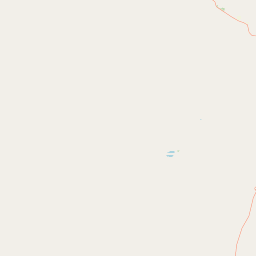
Geography guide, regional context, and park location map for Idalia National Park

Idalia National Park park geography, regions, and map view in Australia
Understand where Idalia National Park sits in Australia through a broader geographic reading of the surrounding landscape, nearby location context, and its mapped position within the national park landscape.

How Idalia National Park fits into Australia

Australia is a constitutional monarchy and federal parliamentary democracy comprising six states and ten territories. With a population of nearly 28 million, it is one of the world's most urbanised countries, with most people concentrated on the eastern seaboard. The country has a high Human Development Index and is known for its cultural diversity, ancient Aboriginal heritage, and unique wildlife.

Wider geography shaping Idalia National Park in Australia

Australia occupies the entire Australian continent, the island of Tasmania, and numerous smaller islands. It is the world's flattest and driest inhabited continent, featuring vast deserts in the interior (the Outback), tropical rainforests along the eastern coast, and a coastline bordering the Indian and Pacific Oceans.

Map view of Idalia National Park

Use this park location map to pinpoint Idalia National Park in Australia, understand its exact geographic position, and read its mapped placement within the surrounding landscape more clearly.

Pigeon | © OpenStreetMap contributors

Location context for Idalia National Park

QueenslandSouth West Queensland
Park atlas

Trace the diverse protected landscapes and regional park geography extending from Idalia National Park into Queensland's expansive outback.

Explore Nearby National Parks and Protected Areas Around Idalia National Park
Browse other national parks and protected areas geographically connected to Idalia National Park, mapping the spread of conservation landscapes across Queensland's expansive outback. This detailed view allows you to compare diverse ecosystems, mulga lands, and essential habitats for Australian fauna within their broader regional context.
National parkQueensland

Mariala National Park: Queensland's Premier Mulga Lands Protected Landscape

Explore mapped terrain and regional geography.

Mariala National Park stands as a landmark designation, preserving the extensive mulga woodlands and semi-arid plains characteristic of Queensland's Mulga Lands bioregion. As the first protected area of its kind, it offers a profound insight into the ecological distinctiveness of inland Australia. This park provides a unique opportunity to explore a largely unmodified landscape, understand its role in conserving rare bird habitats, and appreciate its geographic significance within the broader Queensland atlas.

Area
269.2 km²
Established
1992
IUCN
II
Relief
Lowland
National parkAustralia

Welford National Park: Australia's Protected Landscape and Geographic Identity

Mapped boundaries and regional atlas information for this national park.

Welford National Park is a key protected area offering insights into Australia's natural geography and mapped landscapes. As a national park, its specific boundaries delineate a territory of conservation significance. Users can utilize this entry to understand the park's role within the Australian continent's atlas, exploring its terrain and geographic context in detail. This park detail page serves as an anchor for discovering its unique protected landscape and its place in broader regional geography.

Area
1,240 km²
Established
1994
IUCN
II
Relief
Mixed relief
National parkQueensland

Lochern National Park: Queensland's Outback River Channel Protected Landscape

Mapped boundaries and unique riparian ecosystems in Central West Queensland.

Lochern National Park protects a crucial segment of the Thomson River system, presenting an unexpected wetland environment within the arid interior of Queensland. This national park is celebrated for its network of channels and lagoons, which offer vital refuges for wildlife, particularly waterbirds, in a region where surface water is otherwise scarce. The landscape is characterized by the interplay between these riverine features and the dominant mulga and gidgee woodlands, creating a visually distinctive and ecologically important protected area.

Area
239.93 km²
Established
1994
IUCN
II
Relief
Lowland
National parkQueensland

Cudmore National Park: Mapped Protected Area in Queensland's Geography

Explore the unique landscape and regional context.

Cudmore National Park represents a distinct protected landscape within the vast geographic expanse of Queensland, Australia. This national park offers a valuable point of entry for understanding regional conservation efforts and the mapped distribution of protected lands. Examine its specific location within Queensland's natural terrain and appreciate its role in the broader atlas of Australian protected areas, focusing on its geographic identity and landscape features.

Area
204 km²
Established
1998
IUCN
II
Climate
Arid
National parkQueensland

Goneaway National Park: A Protected National Park within Queensland's Diverse Geography

Mapped boundaries and regional landscape context for exploration.

Delve into the protected natural landscape of Goneaway National Park, an integral component of Queensland's vast geographic tapestry. As a designated national park, it offers a specific focus for understanding protected lands within the Sunshine State. This resource details the park's geographic setting and mapped boundaries, providing essential context for atlas-based exploration of Australia's protected areas and diverse terrain.

Area
248 km²
Established
1994
IUCN
II
Relief
Lowland
Watercolor illustration showing rolling hills, scattered trees, and distant mountains in a natural landscape.
National parkQueensland

Tregole National Park: Queensland National Park with Significant Ooline Woodlands

Explore unique semi-arid protected landscape and Ooline tree stands.

Tregole National Park in Queensland, Australia, is a protected natural area celebrated for its remarkable Ooline tree concentrations. This park offers a rare look at pure Ooline stands within a hot, dry inland climate, showcasing a significant example of semi-arid ecosystems. Its landscape represents the meeting point of brigalow and mulga biospheres, providing valuable context for understanding Australia's diverse protected areas and geographic regions within the MoriAtlas framework.

Area
75.79 km²
Established
1995
IUCN
II
Relief
Lowland
National parkQueensland

Chesterton Range National Park: Queensland National Park with Mapped Brigalow Belt Landscapes

Explore unique semi-arid woodlands and regional watershed geography.

Chesterton Range National Park offers a rich exploration of protected landscape identity within South West Queensland. This national park is crucial for conserving Brigalow Belt ecosystems, featuring diverse semi-arid woodlands across its ridgelines and valleys. Its role in protecting the headwaters for major waterways like the Warrego River and preserving habitats for threatened species makes it a significant site for understanding regional geography and conservation efforts in Australia. The park provides valuable insights into the mapped terrain and ecological importance of these unique natural landscapes.

Area
309.8 km²
Established
1992
IUCN
II
Relief
Upland
National parkQueensland

Snake Range National Park: Queensland Protected Area and Landscape Mapping

Explore the geographic boundaries and natural terrain.

Snake Range National Park is a significant protected national park entity within Queensland, Australia. This detailed entry provides essential geographic context, focusing on the park's mapped boundaries, its role as a conservation landscape, and its integration into the wider regional geography. For users interested in atlas exploration, understanding the specific natural terrain and protected area distribution of Snake Range National Park is paramount.

Area
26.88 km²
Established
1972
IUCN
II
Relief
Mountain

Common questions about visiting, size, designation, and location context for Idalia National Park

Idalia National Park FAQs for park facts, access, geography, and protected area context
Find quick answers about Idalia National Park, including protected-area facts, park geography, trail and visitor context, and how the park fits into its surrounding country and regional landscape.
MoriAtlas Explorer

Continue Your Protected Areas Search Across the Global Atlas

Deepen your exploration by continuing the structured search for national parks and protected areas worldwide. Utilize the comprehensive filtering capabilities to compare different conservation landscapes and refine your understanding of global park geography. Discover more about the distribution and characteristics of protected natural areas.

Global natural geography