Why Jubho Lagoon stands out
Jubho Lagoon is best known for hosting tens of thousands of migratory waterbirds each year, including major gatherings of American flamingos, lesser flamingos, and one of Pakistan's largest concentrations of the vulnerable Dalmatian pelican. The combination of brackish lagoons, freshwater-influenced marshes, and exposed mudflats creates a varied habitat that supports both saline-tolerant and freshwater vegetation zones. The lagoon's birdlife, particularly its pelican flocks, has made it a focal point for wetland conservation awareness in Sindh. Its Ramsar designation reflects international recognition of the site's importance for waterbird populations and coastal wetland ecology in South Asia.
Jubho Lagoon history and protected-area timeline
Jubho Lagoon has long functioned as a working coastal wetland, with local communities relying on fishing and livestock-raising as primary livelihoods across the privately held lands that surround it. Its ecological significance drew scientific attention through a 1997 census by the Zoological Survey Department of Pakistan, which documented tens of thousands of flamingos in the broader region and brought wider awareness to the lagoon's bird populations.
In the early 2000s, the site's importance for migratory waterbirds and coastal wetland ecology was formally recognized through its inclusion in the list of Ramsar Wetlands of International Importance, an international designation under the Ramsar Convention that highlights wetlands of global ecological value. This designation elevated Jubho's profile as a key wetland in Sindh and across South Asia.
Despite its international recognition, the lagoon has remained without dedicated statutory protection under Pakistani environmental legislation, and conservation work has been carried out in an ad hoc manner. Research has been led by organizations such as the Zoological Survey Department of Pakistan and the National Institute of Oceanography, while awareness and conservation activities have involved the Coastal Ecosystem Unit of IUCN, the Sindh Wildlife Department, and the Sindh Environment Protection Agency.
Jubho Lagoon landscape and geographic character
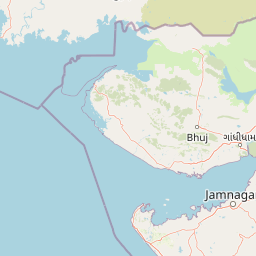
Jubho Lagoon occupies a flat stretch of Sindh's southern coastal lowlands, near sea level, where the boundary between land and sea is shaped by tidal rhythms and seasonal freshwater flows. The lagoon covers roughly 1,745 acres, a landscape defined by open shallow water bodies, brackish inlets, and adjacent mudflats that emerge and recede with the tides.
Surrounding the main lagoon is a mosaic of marshland and low-lying terrain. Higher ground supports salt-tolerant shrub vegetation, including stands of Tamarix, while lower-lying areas, refreshed by freshwater outfall drains, develop reedbeds of Typha. Where the lagoon remains shallow, vegetation cover is sparse and exposed mud and water dominate the visual character of the landscape.
A tidal link canal connects Jubho Lagoon to neighboring wetlands in the region, integrating the site into a broader coastal hydrological system. The maritime climate further shapes the landscape, with the southwest monsoon bringing seasonal wet conditions beginning in June each year, contrast against the dry phases that characterize the rest of the annual cycle.
Jubho Lagoon ecosystems, habitats, and plant life
The ecological character of Jubho Lagoon is defined by the tension between brackish and freshwater influences that play out across its coastal setting. The dominant environment is saline to brackish, shaped by tidal exchange through a connecting canal, but pockets of freshwater-receiving lowland create distinct microhabitats within the broader wetland.
Vegetation patterns reflect this salinity gradient. Higher-lying, saline areas support drought- and salt-tolerant shrubs such as Tamarix, forming low coastal thickets. Lower zones, where outfall drains bring fresh water, are colonized by emergent aquatic plants such as Typha, which form dense reedbeds. The open lagoon itself, given its shallow depth and salinity, supports comparatively little aquatic vegetation.
Beyond these plant communities, the lagoon's mudflats, marshes, and shallow waters support abundant invertebrates and other food resources that underpin its role as a destination for waterbirds. The interplay of open water, exposed flats, reed edges, and scrub vegetation produces a layered habitat structure highly valued by both resident and migratory species.
Jubho Lagoon wildlife and species highlights
Jubho Lagoon is most recognized for its remarkable waterbird populations, particularly its seasonal congregations of flamingos and pelicans. A 1997 census by the Zoological Survey Department of Pakistan documented around 40,000 to 50,000 American flamingos and lesser flamingos across the region, underscoring the wetland's status as a key South Asian stronghold for these species.
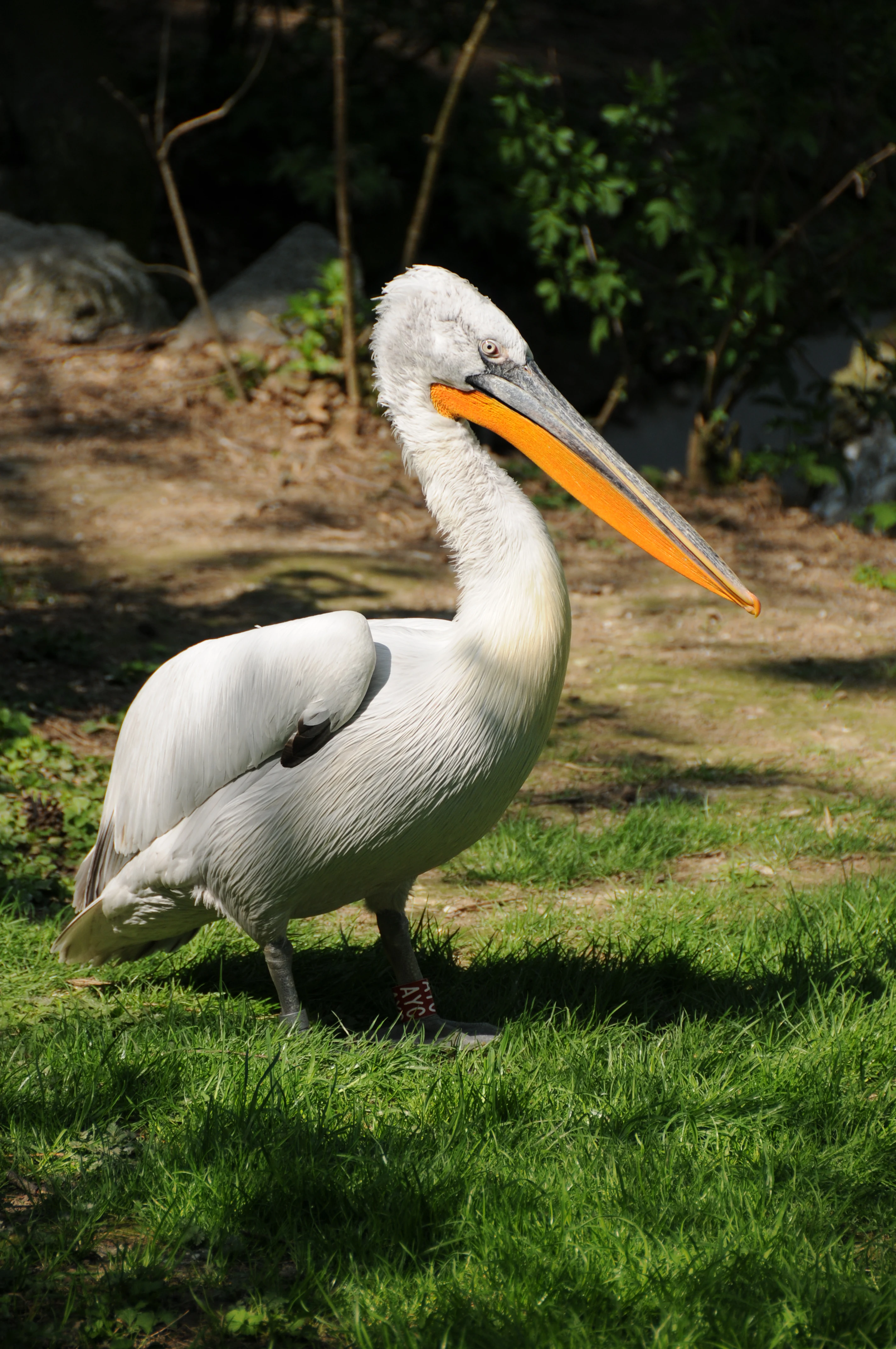
The lagoon also hosts around 6,000 Dalmatian pelicans, a species classified as vulnerable by the IUCN. This gathering is regarded as the largest concentration of Dalmatian pelicans found in Pakistan, a distinction that highlights the site's exceptional importance for waterbird conservation.
More broadly, Jubho supports an estimated 60,000 to 100,000 migratory birds each year, as the wetland lies along important flyways and offers varied habitats ranging from open water to mudflat and reedbed. This broad avian presence, combined with its role as a refuge for globally threatened species, positions the lagoon as one of Sindh's most significant bird habitats.
Jubho Lagoon conservation status and protection priorities
Jubho Lagoon's recognition as a Ramsar Wetland of International Importance has elevated its profile on the international conservation stage, marking it as a wetland of global ecological value within South Asia's coastal landscape. The Ramsar designation reflects the lagoon's importance for migratory waterbirds and its role within broader regional flyways.
Despite this international acknowledgment, the site does not yet receive protection under specific national environmental legislation or through a dedicated site-based conservation programme. Land in the surrounding area remains largely under private ownership, and primary land uses continue to be fishing and livestock-raising by local communities. This ongoing human presence underscores the wetland's character as a working landscape rather than a strictly protected reserve.
Conservation challenges are significant. Illegal hunting during winter months has reduced populations of migratory birds and local fauna, while industrial and agricultural pollution, combined with the effects of tidal canal construction, has led to saltwater intrusion that suppresses freshwater vegetation in some areas. Research into the lagoon's ecology has been spearheaded by institutions such as the Zoological Survey Department of Pakistan and the National Institute of Oceanography, while awareness and conservation outreach is carried out by the Coastal Ecosystem Unit of IUCN, the Sindh Wildlife Department, and the Sindh Environment Protection Agency. Together, these efforts reflect a conservation landscape that is active but still developing.
Jubho Lagoon cultural meaning and human context
Jubho Lagoon is embedded in the everyday coastal and rural life of southern Sindh, where local communities have long relied on the wetland for fishing and livestock-raising. The surrounding lands are mostly privately held and continue to be used for these traditional livelihoods, situating the lagoon within a working rural landscape rather than a zone of strict environmental exclusion.
Awareness drives by government agencies and conservation organizations have also become part of the lagoon's contemporary identity, introducing local communities to the international significance of the wetland and the species it supports. These activities reflect a gradual shift toward recognizing Jubho not only as a local resource but also as a site of shared ecological heritage within Sindh and South Asia.
Top sights and standout views in Jubho Lagoon
Jubho Lagoon's defining highlights lie in its exceptional waterbird populations and its coastal wetland character. Hosting tens of thousands of migratory birds each year, it is most celebrated for its large gatherings of American flamingos, lesser flamingos, and Dalmatian pelicans; the pelican concentration, in particular, is regarded as the largest in Pakistan and gives the lagoon its central conservation identity.
Equally notable is the lagoon's habitat diversity. The interplay of brackish tidal waters, mudflats, salt-tolerant shrublands, and freshwater-influenced reedbeds creates a layered environment that supports varied birdlife and plant communities. Its Ramsar designation connects this local landscape to broader global frameworks for wetland protection, while its continuing role in the livelihoods of local fishing and livestock communities keeps it firmly tied to Sindh's coastal heritage.
Best time to visit Jubho Lagoon
Jubho Lagoon is shaped by a maritime climate with a strong monsoonal rhythm; the monsoon period begins in June each year, bringing seasonal wetter conditions, while the rest of the year tends to be drier. Migratory waterbirds, including flamingos and Dalmatian pelicans, are major seasonal features of the site, with large numbers present during the cooler months when wintering populations arrive.
Visiting in the cooler, drier season offers a chance to observe the lagoon's most celebrated congregations, while the wetter monsoon months bring their own changes in water levels and atmospheric character. The interplay of tides, freshwater inflows from drains, and seasonal rainfall continually reshapes the lagoon's appearance, making any visit a reflection of the moment's particular balance of these influences.