
Mori Atlas logo
Park guides

Focused insights on volcanic geography and seasonal wildlife activity in the Alaska Peninsula.

Comprehensive Guides for Exploring Katmai National Park and Preserve in Alaska

Access a series of in-depth guides covering essential aspects of Katmai National Park and Preserve. Examine the ecological rhythm of the Alaska Peninsula, including the critical timing of salmon runs and brown bear behavior patterns within the dramatic volcanic terrain of the Aleutian Range.

Related tags

Volcanic landscapesBrown bear habitatWilderness protectionAlaska PeninsulaSubarctic ecosystems

Alaska's volcanic wilderness of ten thousand smokes and North America's largest protected brown bear population

Katmai National Park and Preserve

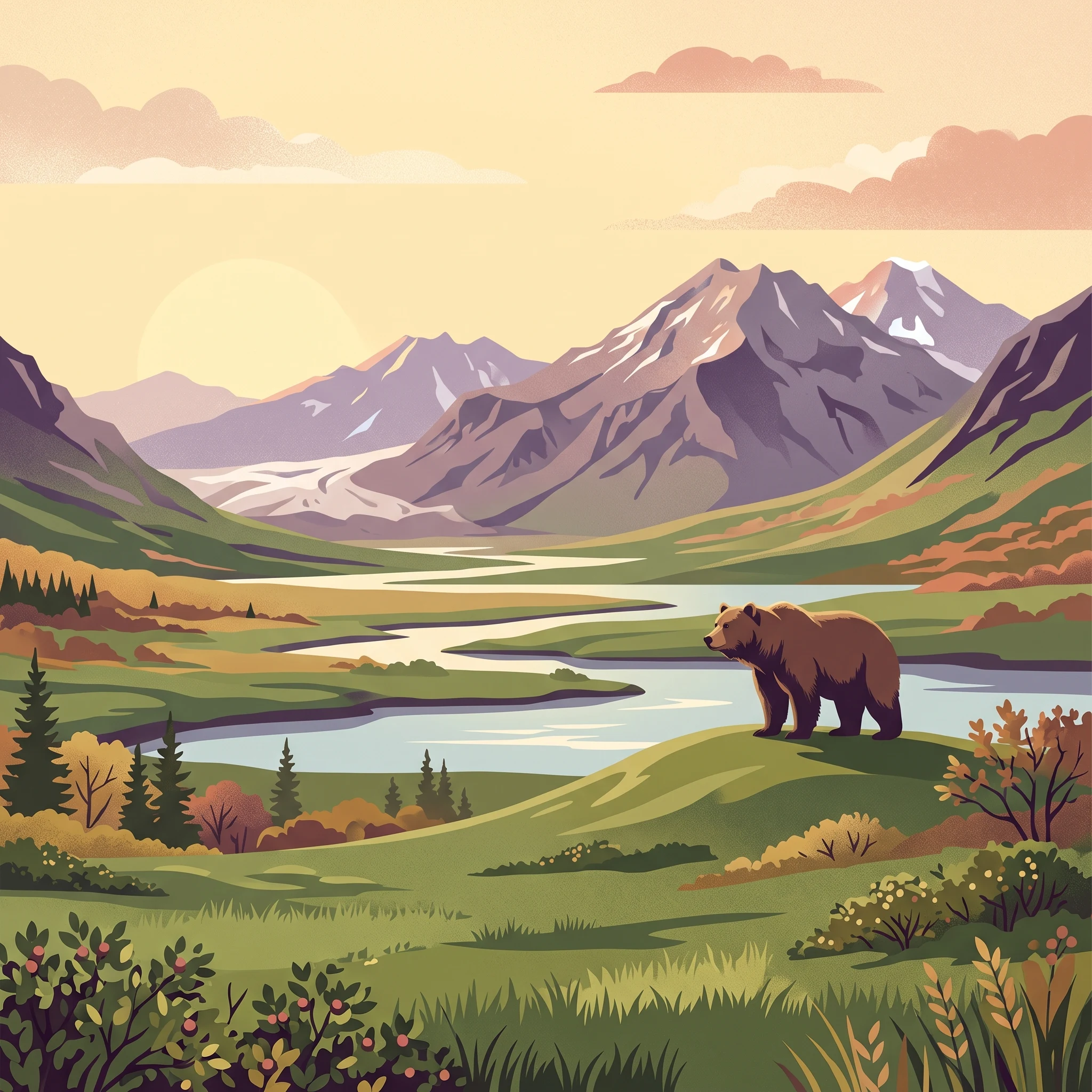
Katmai National Park and Preserve occupies a remarkable position along the Alaska Peninsula, where the Pacific Ocean meets the volcanic frontier of the Aleutian Range. The park's geography is defined by this convergence of marine and volcanic environments, with a deeply indented coastline stretching nearly 500 miles and a backdrop of volcanic peaks that have shaped the landscape through eruptions and glaciation. The park's centerpiece, Mount Katmai, is a stratovolcano standing 6,716 feet tall with a large summit caldera formed during the 1912 eruption. Alongside it, Novarupta created a dramatic lava dome and the vast pyroclastic flow that became the Valley of Ten Thousand Smokes. These volcanic features are not merely historical curiosities but active elements of the landscape, with several volcanoes including Trident, Mount Mageik, and Mount Martin still producing steam visible from surrounding communities. The western portion of the park contains extensive lake systems including Naknek Lake, which serves as the primary access point for visitors entering the park's interior by boat. The park's size and relative remoteness have preserved extensive wilderness character, with the majority of national park lands designated as wilderness area where development and mechanized access are restricted. This protection has allowed the park's ecological communities to function with minimal direct human interference, supporting populations of brown bears, moose, wolves, and prolific salmon runs that sustain both wildlife and local communities.

Location
United States of America
Park type
National park
Established
1980
Area
16,564.1 km²
Highest point
2,318 m
Katmai National Park and Preserve Atlas
MoriAtlas Explorer

Continue Exploring Katmai National Park and Preserve's Protected Landscape and Alaska Geography

Deepen your understanding of Katmai National Park and Preserve by examining its specific geographic features and protected area status. This dedicated exploration into its mapped landscape contributes to a broader comprehension of Alaska's natural geography and conservation territories. Utilize this data to trace the park's context within the regional atlas and discover its unique position among protected lands.