
Trip Timing Basics
When to Visit Katmai National Park: The Essential Timing Trade-Offs
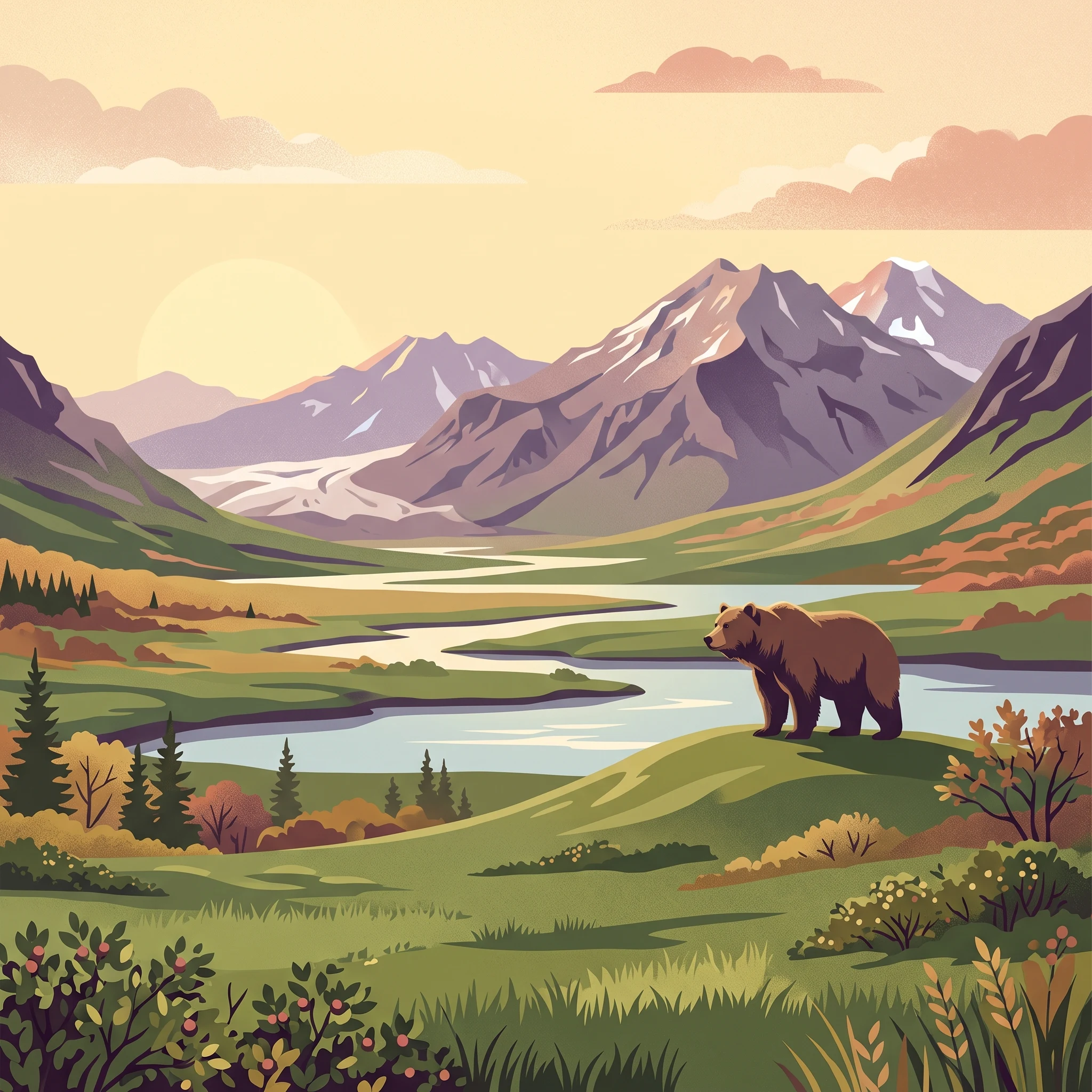
Identifying the best time to visit Katmai National Park requires balancing the peak period of wildlife activity against the realities of a remote, weather-dependent Alaskan wilderness. Because the park is primarily accessible by air and defined by vast, roadless terrain, your timing choice is not merely a matter of preference but a strategic navigation of climate and natural cycles. Most travelers find that the peak viewing window coincides with the annual sockeye salmon runs, yet this period often brings more unpredictable weather and crowded conditions at primary hubs like Brooks Falls. Conversely, visiting outside these windows can offer a quieter experience, but it limits your chances of witnessing the park's most iconic wildlife behaviors and may alter the available transportation options.
The Relationship Between Wildlife and Weather
The central tension in planning a trip to Katmai revolves around the intersection of bear activity and environmental stability. Brown bears are most concentrated and active during salmon spawning runs, which typically drive the high-demand periods in early summer and early autumn. While these months offer warmer temperatures, with average daily highs often reaching the high teens in Celsius, the region remains subject to frequent wind, rapid weather shifts, and significant precipitation. You should expect that the same environmental factors that nourish the lush landscape can create challenging conditions for travel and photography. The weather is rarely uniform, and planning must account for the fact that rain can trigger high water levels, complicating river crossings and affecting local aviation routes.
Access as a Primary Timing Constraint
Unlike many national parks where road networks allow for flexible travel, Katmai is defined by its isolation. Your visiting window is fundamentally constrained by the operational rhythms of local transport services, which are themselves dictated by seasonal shifts in daylight and weather. While summer provides the longest days, with daylight hours peaking at nearly 18 hours in June, this light is often filtered through clouds and coastal mist. The transition into the shoulder seasons, while potentially offering different photographic opportunities, sees a rapid contraction in daylight and a significant decrease in average temperatures. As you narrow down your dates, consider that the park lacks the deep infrastructure found in more developed regions, meaning that your timing decision effectively acts as a filter for the type of experience you will have. A visit in the height of summer emphasizes active wildlife observation, while periods of lower activity focus more on the stark, volcanic geology of the Valley of Ten Thousand Smokes. Balancing these priorities against the reality of Alaska's volatile climate is the first step in successful trip preparation.
Seasonal Planning
Best Months for Katmai National Park Bear Viewing and Access
Peak Wildlife Viewing Windows
The primary windows for observing brown bears at iconic locations like Brooks Falls revolve around the sockeye salmon runs. Late June through July represents the first major surge in bear activity. During this period, the salmon move upstream, and bears congregate at the falls to feed. Visitors during these months benefit from near-maximum daylight hours, which often exceed 17 hours, allowing for extended observation periods. The trade-off for this timing is the higher probability of encountering more fellow visitors, as this is the most sought-after window for wildlife photographers and enthusiasts.
September serves as the second critical period for bear viewing. As temperatures drop and the landscape begins its transition toward winter, bears focus on building fat reserves for hibernation. This timeframe is often associated with the annual Fat Bear Week, which highlights the seasonal biological necessity for bears to consume massive quantities of fish. September offers a different experience than the midsummer peak, characterized by cooler air temperatures and a noticeable decrease in daylight hours, which drop toward 12 hours by the end of the month. Travelers choosing September must accept more volatile weather patterns, including increased frequency of rain and shifts in coastal winds.
Transitions and Shoulder Season Considerations
For those prioritizing solitude over the predictability of peak salmon runs, the shoulder months of late May and early June offer a distinct set of trade-offs. The park begins to emerge from its deep winter state, though snow can still persist in high elevations and water temperatures remain extremely cold. While bear activity is less concentrated at the falls during these early weeks, the park is notably quieter, and the landscape is undergoing rapid shifts in flora and water levels. The primary compromise here is the uncertainty regarding access and local conditions, as the transition from winter to summer is not a uniform progression.
Conversely, late September into October signals the conclusion of the most reliable visitor access period. While the dramatic fall foliage and the presence of bears remain, the daylight window narrows significantly, and the likelihood of heavy, persistent rain increases. These months suit visitors prepared for challenging, unpredictable conditions who prefer to avoid the concentrated crowds of mid-July. Regardless of the chosen window, travelers should expect the weather to shift rapidly throughout any single day. The combination of high humidity and wind means that regardless of the month, being prepared for sudden environmental changes remains more critical than timing a visit to avoid specific weather hazards entirely. All logistics, including water crossings and regional transit, require verification as these are subject to dynamic environmental changes beyond the influence of seasonal trends.
Climate and Seasonal Trends
Understanding Weather and Climate Patterns at Katmai National Park
The Annual Temperature Cycle and Seasonal Transitions
Katmai National Park operates on a stark, two-phase calendar where summer is a brief window of thermal relief bracketed by long, sub-arctic winter months. The climate data reflects a significant disparity between these periods. Temperatures remain deep in the negative values from November through March, with mean temperatures consistently dropping well below the freezing point. The landscape does not begin to see consistent daytime highs above the freezing mark until April, which marks a slow, volatile transition into the primary visiting window.
By June, the park experiences a noticeable shift as the mean temperature climbs toward 8 degrees Celsius, reaching its annual peak in July with average maximums around 20 degrees Celsius. However, these averages should be viewed as broad climate signals rather than local expectations. Because of the park's diverse topography, including high-elevation volcanic terrain and coastal stretches along the Shelikof Strait, temperatures can fluctuate wildly within a single day. A summer day that feels mild in the sun can drop significantly as cloud cover rolls in or wind speeds increase, reminding visitors that even the warmest months are characterized by cool, unpredictable air.
Patterns in Daylight and Solar Exposure
One of the most defining aspects of the Katmai climate is the dramatic annual swing in daylight. During the core visitor months of June and July, the park benefits from nearly 18 hours of daylight, providing immense flexibility for wildlife observation and backcountry travel. This abundance of light is a major logistical advantage, as it allows for later starts and extended periods for photography or navigation across the expansive volcanic landscape.
As the season progresses into August and September, this window of light contracts rapidly. By September, daylight drops to approximately 12 hours. This shift is not merely a change in the clock but a shift in the park's atmosphere, signaling the end of the high-summer activity cycle. For those planning trips, the decline in light availability serves as a reliable indicator that the peak summer season is drawing to a close, as the sun's lower angle during late autumn contributes to a more rapid cooling of the ground and water temperatures.
Precipitation, Wind, and Environmental Variability
Katmai is a landscape defined by moisture and frequent wind. Precipitation is fairly consistent throughout the summer months, but it peaks significantly in late summer, particularly in September, when daily averages rise compared to the earlier, drier months of May and June. Visitors should interpret this as a trend toward more frequent or sustained weather events as the autumn approaches. The high humidity, which remains above 80 percent throughout the summer, often manifests as persistent coastal fog or low-hanging clouds that can obscure visibility and impact air travel, the primary method for accessing most of the park's remote regions.
Wind is a constant presence at these elevations. While the data shows lower wind speeds during the height of July, the park's exposure to the Aleutian Range means that gusts can materialize without warning. These winds play a crucial role in how the temperature feels on the skin, as the wind chill factor often makes the air temperature feel several degrees colder than the thermometer might suggest. Travelers must remember that these long-term climate normals represent the park's general character and are not a substitute for local, real-time forecasts. The interior valleys and the coastline experience distinct microclimates, and those heading into the wilderness should prepare for a wide range of conditions regardless of the calendar month.
Seasonal Climate Transitions
Understanding Seasonal Weather Patterns in Katmai National Park
The Rhythm of the Alaskan Peninsula
Katmai National Park does not conform to a traditional four-season model. Instead, the park follows an annual cycle dominated by the extreme shift from extended summer daylight to the harsh, low-light conditions of the long winter. The climate here is governed by the proximity to the Gulf of Alaska and the volcanic topography, creating a transition between two primary phases: the brief, high-energy summer window and the protracted, quiet cold of the remainder of the year.
The Brief Summer Window: June through August
The summer phase is characterized by significant daylight and increased biological activity, though it rarely brings consistent warmth. June marks the onset of this period, with daylight stretching toward its peak of nearly 18 hours. This is when the landscape becomes accessible, as temperatures rise to a mean range of 7 to 10 degrees Celsius, allowing snow to clear from lower elevations and trails.
However, this period is also the time of highest humidity and significant, unpredictable precipitation. Visitors should note that even during these warmer months, wind and rain remain constant factors. The environment in July and August is defined by the sockeye salmon run. This biological event dictates the movement of wildlife, particularly brown bears, which congregate along river systems. This is the only phase of the year when the park is fully operational for general tourism, as logistics like air taxi services and internal park boat shuttles are geared toward these specific months of relative accessibility.
The Shoulder Transition: September and May
September acts as a bridge between the active summer and the dormant winter, marked by a rapid decrease in daylight and a distinct cooling trend. Mean temperatures drop toward 5 degrees Celsius, and precipitation often increases as autumn weather patterns intensify. This month is a critical transition; bears move to feed in anticipation of hibernation, and the park begins to shift away from its summer focus. Facilities and services often start to scale back, reflecting the change in visitor volume and the hardening conditions.
May serves as the reverse transition, characterized by the slow retreat of winter. While daylight returns rapidly, the terrain often remains saturated from snowmelt, and temperatures fluctuate significantly. It is a time of awakening for the ecosystem, but it is not yet the period of stability required for mainstream exploration. Travelers visiting in these shoulder windows face the greatest variability, as they might encounter lingering winter weather one day and the beginnings of summer warmth the next.
The Extended Winter Phase: October through April
For the vast majority of the year, Katmai enters a period of deep quiet and environmental isolation. From October through April, the park experiences consistently low temperatures and reduced solar input. The landscape, including lakes and rivers, often becomes frozen, and high-elevation areas remain under snow cover. This phase is not defined by tourism activity but by the raw, geologic nature of the terrain. The intense wind, which is present year-round, can make the sub-zero temperatures feel significantly colder. This is a period of dormancy where the park returns to a wild, largely unreachable state, and the weather normals reflect a long, sustained winter that dominates the calendar, shaping the physical and biological resilience of the entire region.
Seasonal Experiences
What Visiting Katmai National Park Is Like Throughout the Year
Synchronizing Park Experiences with Natural Cycles
Visiting Katmai requires aligning your travel expectations with the rhythm of the Alaskan wilderness, where seasonal transitions significantly dictate the feasibility and quality of available activities. The park experience is not static, and the opportunities available in early summer differ fundamentally from those during the late-season transition into autumn. Because the park relies heavily on natural forage cycles, specifically the migration of sockeye salmon, activity levels for both wildlife and human visitors are tied to these biological events.
Peak Salmon Runs and Wildlife Observation
Wildlife viewing, particularly the gathering of brown bears, is the primary driver of travel for many visitors. The iconic behavior of bears congregating at Brooks Falls to catch migrating salmon is most predictable during the sockeye runs, which typically span from late June through July. During this window, bears are highly active and focused on feeding, often displaying a level of tolerance toward observers on the raised platforms that is less common outside of these feeding frenzies. Coastal viewing at locations like Hallo Bay or Geographic Harbor also mirrors these salmon patterns, with bears frequently foraging in sedge meadows or along tidal flats. Visitors should note that these high-density wildlife periods coincide with the park's peak summer temperatures and maximum daylight, creating a vibrant, high-energy environment that stands in sharp contrast to the quiet of the spring or the closing weeks of the season.
Volcanic Exploration in the Valley of Ten Thousand Smokes
Exploring the Valley of Ten Thousand Smokes offers a starkly different experiential profile. This volcanic landscape, accessible by bus from Brooks Camp during the summer operating window, requires specific planning because it is subject to the same weather volatility as the rest of the peninsula. While the valley itself is an alpine, wind-swept environment that remains stark year-round, access is physically supported only when park concessionaires operate the road. The window for this experience is restricted to the summer months, typically beginning in June and concluding in mid-September. The journey into the valley involves traversing varying terrain and crossing streams, meaning the physical experience is highly sensitive to recent rainfall, which can influence trail conditions on the valley floor.
Sport-Fishing and Seasonal Angling
For many, Katmai remains a premier destination for world-class sport-fishing. The timing for this activity is governed by the specific life cycle of local fish populations. While trophy rainbow trout are pursued throughout the accessible season, the arrival of sockeye and coho salmon runs provides the main event for many anglers. The experience of fishing in these remote streams and lakes is profoundly different depending on the month: earlier in the season, the focus is on trout and grayling in cooler, higher-water conditions, whereas the later months see the influx of spawning salmon, which alters both the character of the water and the level of bear activity in the vicinity of popular fishing holes. Anglers must remain aware that increased bear presence near spawning streams is a constant, requiring strict adherence to food storage and safety protocols throughout the late summer and autumn.
Travel Priorities
Choosing the Best Time to Visit Katmai National Park Based on Travel Goals
Choosing the right period for a trip depends heavily on your specific objectives, as the park environment shifts dramatically between wildlife peak events and periods of relative meteorological stability. While no single month provides ideal conditions for every activity, aligning your travel with your primary goals allows you to navigate the trade-offs inherent in this volatile Alaskan ecosystem.### Prioritizing Milder Temperatures and Daylight If your primary goal is to maximize comfortable outdoor time, the period from late June through July offers the most consistent, albeit still cool, temperatures. During this window, average maximum temperatures hover around 18C to 20C, providing the warmest conditions of the year. Furthermore, the high latitude ensures substantial daylight hours, reaching nearly 18 hours in June. This extended light creates long windows for exploration, though visitors should remain prepared for the reality that these months also coincide with the peak of the bear-viewing crowds at Brooks Falls. The primary trade-off is the necessity of navigating high visitor density at popular sites in exchange for the benefits of the longest, brightest, and mildest days of the year.
Targeting Drier Conditions for Exploration
Visitors seeking to minimize the impact of frequent rain should look toward the transition into late spring, specifically May and early June. Climate data indicates that precipitation levels are generally lower during the early season compared to the late summer and early autumn spike that occurs in September. However, this preference requires a compromise on access and activity. While the weather may be drier, the landscape is still shedding its winter dormancy, and major wildlife events, such as the salmon runs that concentrate bears at the falls, are not yet fully active. This period is better suited for those interested in landscape photography or hiking in the Valley of Ten Thousand Smokes, provided you accept that some high-elevation trails may still be impacted by lingering snowpack.
Focusing on Active Wildlife Photography
For those whose trip is anchored by the desire to observe and photograph peak brown bear activity, the trade-off is almost entirely weather-based. September represents the most intense period for wildlife observation as bears congregate for a final, high-energy feeding frenzy before hibernation. The climate at this time becomes increasingly unstable, with mean temperatures dropping to roughly 5C and precipitation levels rising to their annual peak of over 5 mm per day. Visitors choosing this timeframe must be prepared for wind, rain, and rapidly shortening days. The sacrifice of mild weather is the cost of witnessing the most concentrated and dynamic animal behavior, which is fundamentally tied to the late-season salmon cycles. If your priority is the sheer volume of wildlife activity, the environmental volatility of September is the unavoidable reality of the visit.
Access and Logistics
Seasonal Access and Operational Planning for Katmai National Park
Access to the remote terrain of the Alaska Peninsula requires careful logistical planning, as physical infrastructure is minimal and environmental conditions frequently dictate movement. Most visitors arrive by light aircraft, which are susceptible to the frequent weather shifts identified in earlier chapters. Because Katmai relies on air travel for primary entry points, flight schedules are regularly disrupted by fog, high winds, or low cloud ceilings. Travelers should view any transportation schedule as an estimate rather than a guarantee and prioritize flexibility in their itineraries. Always confirm current transit options and weather-related service policies directly with your chosen air taxi operator or lodge before departure.
Navigating the Brooks Camp Entry Point
Brooks Camp serves as the main gateway for the majority of the park population. Unlike mainland national parks reachable by road, this location is accessible only by boat or plane. The area operates with distinct logistical requirements, including mandatory safety orientations for all arrivals. Since the facility capacity is limited, visitors must manage their expectations regarding site access, particularly during the peak bear viewing season in July and September. Because operational rules, including specific check-in procedures and facility availability, can change due to staffing or environmental factors, travelers should consult the official park website for current operational windows before making travel arrangements.
Planning Beyond the Primary Visitor Hub
While Brooks Camp is the most visited site, the wider park encompasses coastal regions and the Valley of Ten Thousand Smokes. Access to these interior areas often involves additional specialized transport, such as bush planes or specific tour buses. These services are highly seasonal and weather-dependent. Tours of the Valley of Ten Thousand Smokes, for instance, are subject to road conditions and equipment availability that vary from year to year. You should verify whether these auxiliary services are active during your planned travel window by contacting authorized commercial providers or checking the official park alerts page. Never assume that a route or tour remains open based on historical activity; always verify the current status closer to your travel dates.
Permit and Campground Considerations
Camping within the designated Brooks Camp area and using specialized facilities like Fure's Cabin often requires advance planning. While there are no entrance fees for the park itself, specific activities such as commercial filming or overnight stays in regulated sites carry associated permit requirements. Availability for these permits is often limited and highly competitive during the peak summer months. Prospective visitors must check the official National Park Service portal for the most recent permit systems, booking lead times, and reservation rules, as these processes are subject to periodic revision by park authorities.
Safety and Preparation
Seasonal Weather Hazards and Packing for Katmai National Park
Adapting to Volatile Weather Patterns
Preparation for this wilderness region relies less on specific seasonal dates and more on managing the inherent volatility of the Alaska Peninsula. While midsummer temperatures reach comfortable highs for hiking and observation, the weather remains inherently unpredictable. Regardless of when you visit, you should expect rapid fluctuations in wind, humidity, and rainfall. Because the park's coastal geography and mountainous terrain influence localized microclimates, a sunny morning can transition into a cold, wet afternoon with little warning. Dressing in layers is essential for adapting to these changing conditions. Moisture-wicking base layers, insulating middle layers, and a reliable waterproof outer shell form the standard approach for both coastal and inland areas. Carrying extra warm, dry clothing in your pack is a prudent measure, as temperatures can drop quickly if you become sedentary or if the wind increases.
Essential Considerations for Bear Country
Because the park is home to a significant population of brown bears, your preparation must prioritize safety and responsible behavior. Bears are active throughout the visitor season, and their presence dictates how you move through the landscape. When traveling in dense vegetation like willow or alder, where visibility is limited, you must proactively announce your presence by making noise. This is particularly important during the salmon runs when bears are highly focused on foraging. Always store food, garbage, and any scented items in bear-resistant containers. Do not rely on hanging food, as suitable trees are rare. Keeping your gear clean and compact helps prevent bears from becoming curious about your belongings. If you are camping in designated areas, utilize provided infrastructure like electric fences, and consider bringing your own portable electric fencing if you are heading into the backcountry, as this has proven effective at minimizing interactions.
Managing Daylight and Terrain
During the peak summer months, you will experience extended periods of daylight, which can be disorienting and may lead to fatigue if you do not manage your rest. Conversely, as you move into the shoulder seasons, the rapid reduction in daylight hours becomes a critical planning factor. You must ensure that your daily activities are paced to allow for return travel to your accommodation or camp before nightfall. The terrain across the park ranges from volcanic ash-covered valleys to rugged coastal beaches, each requiring footwear that provides support and stability on uneven surfaces. Since conditions change throughout the year, always consult the latest official park alerts and weather forecasts immediately before your trip. These resources provide the most accurate context for current trail conditions, water levels, and any site-specific safety advisories that may override general planning advice.
Trip Decision Framework
How to Choose the Best Time for Your Katmai National Park Visit
Balancing Priorities for Your Alaska Journey
Finalizing your travel dates requires weighing specific personal goals against the immutable constraints of the subarctic environment. The primary decision hinges on whether your visit centers on the peak salmon-run activity, which draws massive numbers of brown bears to Brooks Falls, or on securing a period with a higher statistical likelihood of manageable weather. Because Katmai lacks a traditional tourism infrastructure and relies heavily on complex air logistics, the trade-off is often between the high-reward experience of midsummer bear viewing and the relative quiet or different visual conditions of the transition months.
Interpreting Seasonal Trade-offs
If your priority is witnessing the famous sockeye salmon runs, late June through July offers the highest probability of observing consistent bear activity at well-known viewing platforms. During this window, you benefit from maximum daylight hours, which simplifies scheduling for remote excursions. However, this period coincides with peak demand for limited park transportation and accommodation, and you must accept that even midsummer weather remains inherently unpredictable. Rain and wind can frequently disrupt light aircraft flights, which serve as the lifelines for accessing the park, meaning your itinerary should always include a buffer for potential weather-related delays.
Transition Periods and Expectations
Choosing a visit during the shoulder periods, such as early September, shifts the experience toward the preparations bears make for the coming winter. While weather patterns become more volatile and daylight hours contract significantly compared to the solstice, this time offers a distinct atmosphere for observing wildlife behavior. It is essential to recognize that climate normals provide a baseline for temperature and precipitation, but they are not daily forecasts. You should view these historical patterns as a guide for packing and preparation, particularly regarding the necessity of a rigorous, multi-layer clothing system capable of handling rapid shifts in conditions.
Before finalizing your travel, verify all current operating schedules, permit requirements, and transit availability through official park resources. Because the wilderness remains largely untamed and sensitive to environmental changes, confirm that your planned activities align with the latest alerts and local conditions. By focusing on your specific objectives,whether that is bear photography, volcanic exploration, or experiencing the remote Alaskan landscape,and maintaining flexibility in your logistics, you can navigate the inherent challenges of this unique destination to build a rewarding, well-prepared trip.