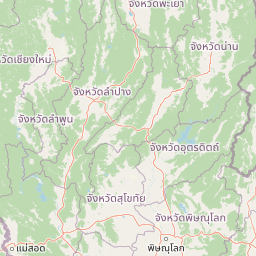
Why Mae Wa National Park stands out
Mae Wa National Park is best known for its namesake 12-level waterfall cascading from Doi Prae Luang mountain, which eventually flows into the Wang River. The park is also notable for its cave systems, particularly Tham Phra Chedi with its distinctive pagoda-shaped stalagmite and Tham Nampha Pha Ngam featuring extensive stalactite and stalagmite formations. The diverse forest ecosystems spanning deciduous, dipterocarp, evergreen, and coniferous types create a mosaic of habitats supporting significant wildlife including tigers, gaur, and Asiatic black bears.
Mae Wa National Park history and protected-area timeline
Mae Wa National Park was established on November 17, 2000, as the 59th national park in Thailand's expanding network of protected areas. The creation of the park reflected growing recognition in Thailand during the late 20th century of the need to preserve the unique forest ecosystems and mountainous landscapes of the upper northern region. The park's establishment came during a period when Thailand was systematically working to protect representative samples of its diverse ecological zones, with particular attention to forest types threatened by agricultural expansion and logging pressures. The park encompasses areas within Thoen and Mae Phrik districts of Lampang Province and Sam Ngao and Ban Tak districts of Tak Province, representing a cooperative effort between neighboring provinces in conservation planning.
Mae Wa National Park landscape and geographic character
The park's topography presents a clear geographical transition from north to south. The northern section features high mountain terrain with steep slopes and elevated ridges, while the central and southern portions consist of a high mountain plain characterized by more gently rolling terrain. Doi Prae Luang serves as a prominent highland feature within the park, functioning as the source watershed for the Mae Wa waterfall system. The combination of mountainous terrain, forest coverage, and the waterfall network creates a landscape of considerable visual diversity. Cave systems including Tham Phra Chedi and Tham Nampha Pha Ngam add geological interest to the park's surface features, with these formations featuring notable stalactite and stalagmite development.
Mae Wa National Park ecosystems, habitats, and plant life
Mae Wa National Park supports an impressive diversity of forest types within its boundaries, reflecting the transitional nature of its location in upper Thailand. The park contains deciduous forest, deciduous dipterocarp forest, evergreen forest, and coniferous forest, each supporting distinct ecological communities. Tree species found within these forests include Burmese ebony, Lagerstroemia calyculata, Dalbergia oliveri, Afzelia xylocarpa (known locally as Takian), Anisoptera costata, Shorea obtusa, Shorea siamensis, Dipterocarpus obtusifolius, Tenasserim pine, and Khasi pine. This forest diversity creates a complex habitat structure supporting multiple ecological niches and contributing to the park's overall biodiversity value.
Mae Wa National Park wildlife and species highlights
The park provides habitat for several significant mammal species, including the Indochinese tiger, gaur, Asiatic black bear, sambar deer, barking deer (muntjac), wild boar, Siamese hare, and civet. The presence of large mammals including tigers and gaur indicates the park supports sufficient habitat complexity and prey populations to sustain these conservation-worthy species. Birdlife in the park includes species such as the Asian barred owlet and various coucal species, representing the avian diversity supported by the forest habitats. The combination of forest types from lowland deciduous to higher elevation coniferous zones creates多层栖息地 supporting this wildlife diversity.
Mae Wa National Park conservation status and protection priorities
Mae Wa National Park represents an important protected area in Thailand's northern region, providing conservation protection for forest ecosystems and the wildlife populations they support. The park's designation as IUCN Category II reflects its primary function as a national park focused on ecosystem conservation and visitor enjoyment. The diverse forest types within the park, including deciduous, dipterocarp, evergreen, and coniferous formations, represent valuable examples of northern Thailand's forest biodiversity. The presence of species such as Indochinese tiger and gaur indicates the park likely serves as part of a larger wildlife corridor connecting to other protected areas in the region.
Top sights and standout views in Mae Wa National Park
The 12-level Mae Wa waterfall descending from Doi Prae Luang mountain stands as the park's signature natural attraction, with its cascade eventually joining the Wang River. Tham Phra Chedi cave offers a distinctive geological feature in the form of its pagoda-shaped stalagmite, while Tham Nampha Pha Ngam provides another significant cave environment with extensive stalactite and stalagmite formations. The park's diverse forest ecosystems spanning four distinct types create varied landscape experiences, while the mountainous terrain offers scenic viewpoints and exploration opportunities.
Best time to visit Mae Wa National Park
The optimal visiting period for Mae Wa National Park corresponds to Thailand's cool dry season from November to February, when temperatures are more comfortable for outdoor exploration and the landscape remains green following the monsoon rains. The period from May to April represents the hot season, when higher temperatures may limit comfort during trail activities. The monsoon season from May to October brings rainfall that can affect trail conditions but also ensures the waterfalls maintain strong flow rates.