
Mori Atlas logo
Wildlife reserveMoose Mountain Creek National Wildlife Area

Mapping the freshwater marshes, trembling aspen groves, and native mixed-grass prairie landscape.

Moose Mountain Creek National Wildlife Area: A Protected Mosaic of Saskatchewan Prairies

Moose Mountain Creek National Wildlife Area serves as a vital sanctuary for prairie ecology in southeastern Saskatchewan. This protected 163-hectare reserve preserves a distinctive habitat mosaic where freshwater marshes, native mixed-grass prairie, and trembling aspen bluffs converge. The site functions as an important refuge for native flora and diverse bird populations, offering a clear window into the natural environment of the Canadian Prairies.

prairie wetlandsmixed-grass prairieaspen bluffsmarshlandprairie birdsnative flora

Moose Mountain Creek National Wildlife Area

Wildlife reserve

Park overview

Structured park overview, official facts, and landscape profile for Moose Mountain Creek National Wildlife Area

Moose Mountain Creek National Wildlife Area park facts, protected area profile, and essential visitor context

Review the core facts for Moose Mountain Creek National Wildlife Area, including designation, size, terrain, visitor scale, habitats, and operating context in one park-focused overview.

About Moose Mountain Creek National Wildlife Area

Moose Mountain Creek National Wildlife Area is a small but representative protected landscape in southeastern Saskatchewan, anchored in the valley of Moose Mountain Creek. Although it covers only about 163 hectares, it captures an unusually complete cross-section of the natural habitats that once characterized this region: freshwater marshes, both cultivated and native prairie, and trembling aspen bluffs. This habitat diversity is at the heart of the reserve's identity, because within a short distance visitors and wildlife share transitions between wetland, open grassland, and woodland edge.

The reserve sits on the broader prairie landscape of southern Saskatchewan, where most of the original native mixed-grass prairie has been lost to cultivation over more than a century. By protecting a parcel where native prairie species still coexist with wetlands and aspen stands, the area safeguards a small but functioning example of how these habitats interact. Wetlands and adjacent uplands are especially valuable together, since wetland-dependent birds rely on the surrounding grassland for nesting, while prairie plants benefit from the margins between wet and dry zones.

Moose Mountain Creek National Wildlife Area also has a particular institutional significance. It is one of the units that survived the 2020 scientific review of the Prairie National Wildlife Area and was re-established in 2025 as a standalone federal reserve. This modern designation, managed by the Canadian Wildlife Service under IUCN Category IV criteria, frames the reserve as a working habitat and species management area rather than a strict wilderness reserve. Its small footprint and intensive habitat composition make it a useful long-term reference site for understanding how native prairie and wetland systems persist in a heavily cultivated agricultural region.

Quick facts and research context for Moose Mountain Creek National Wildlife Area

Moose Mountain Creek National Wildlife Area is located in southeastern Saskatchewan, in the valley of Moose Mountain Creek roughly 38 kilometers north of Stoughton. It covers about 163 hectares within the Rural Municipality of Golden West No. 95 and is classified as an IUCN Category IV habitat and species management area. Its habitat is a mosaic of marshes, cultivated prairie, native mixed prairie, and aspen bluffs.

The site is administered by the Canadian Wildlife Service and was formally established on 12 May 2025. It corresponds to Unit 27 of the former Prairie National Wildlife Area, which had been created in 1978 but was reorganized after a 2020 scientific review identified only seven of its 26 original units as meeting modern criteria.

Protection and recognition

Documented terrestrial protection scope, designation history, and international recognition records

Moose Mountain Creek National Wildlife Area Protection Status and Conservation Data

Terrestrial protection status and documented conservation frameworks outline the administrative scope governing Moose Mountain Creek National Wildlife Area. Official records catalog management parameters and available international recognition details for structured atlas research.

Protection details

Protection scope
Terrestrial
Park context

Deeper park guide and search-rich context for Moose Mountain Creek National Wildlife Area

Moose Mountain Creek National Wildlife Area history, landscape, wildlife, and travel context

Explore Moose Mountain Creek National Wildlife Area through its history, landscape character, ecosystems, wildlife, conservation priorities, cultural context, and seasonal travel timing in a structured park guide built for atlas discovery and search intent.

Why Moose Mountain Creek National Wildlife Area stands out

The reserve is best known for its compact but ecologically diverse mosaic of prairie habitats, where marshes, native mixed-grass prairie, and aspen groves exist side by side within a single small protected landscape. It is also notable as one of the surviving core units of the former Prairie National Wildlife Area, a network that once attempted to represent native prairie habitat across southern Saskatchewan. In particular, the reserve supports typical prairie wetland bird species such as American Bittern, Sora, Red-winged Blackbird, and Western Meadowlark, alongside grassland plants like needle-and-thread grass and prairie crocus.

Moose Mountain Creek National Wildlife Area history and protected-area timeline

The protected history of Moose Mountain Creek National Wildlife Area is intimately tied to the evolution of Canada's prairie conservation strategy. In 1978, the Prairie National Wildlife Area was established as a large, distributed network of 26 separate units spread across southern Saskatchewan, intended to protect representative samples of the province's native prairie ecosystems. The parcel that would eventually become Moose Mountain Creek National Wildlife Area was part of this system as Unit 27.

By the early 2020s, it had become clear that not all 26 units of the original Prairie National Wildlife Area still met modern scientific criteria for protected habitat value. In October 2020, a rigorous scientific review applied the 2005 criteria for the creation of national wildlife areas and found that only seven of the 26 units qualified. As a result, the federal government decided to replace the single large Prairie National Wildlife Area with five smaller, more focused reserves and to delist 19 of the units as protected lands.

Moose Mountain Creek, corresponding to the original Unit 27, was selected as part of this reorganization. On 12 May 2025, the Prairie National Wildlife Area was formally abolished and the Moose Mountain Creek National Wildlife Area was concurrently established as a standalone federal reserve, administered by the Canadian Wildlife Service. Its creation marked the completion of a long process of refining Canada's prairie protected-area system around the most ecologically meaningful sites.

Moose Mountain Creek National Wildlife Area landscape and geographic character

The landscape of Moose Mountain Creek National Wildlife Area is shaped by Moose Mountain Creek and its valley in southeastern Saskatchewan. The reserve lies roughly 38 kilometers north of the town of Stoughton and occupies a relatively compact footprint of about 163 hectares. The surrounding region is dominated by cultivated farmland, which makes the reserve's combination of natural habitats visually and ecologically distinctive.

Within the reserve, four main landscape elements alternate. There are freshwater marshes associated with the creek's drainage, areas of cultivated prairie where agricultural management is part of the matrix, patches of native mixed-grass prairie that retain their original plant composition, and trembling aspen bluffs that grow as small groves. The transition between these habitats is gradual in some places and abrupt in others, depending on local soil moisture and topography.

The aspen bluffs are a particularly characteristic feature of this part of the Canadian Prairies, marking slightly moister pockets of land. Combined with the marshes, they give the reserve a layered appearance, where wetland openings are framed by grassland and edged with light woodland. Although there are no dramatic landforms, the reserve's landscape value lies in its intact representation of a prairie wetland and aspen complex within a working agricultural landscape.

Moose Mountain Creek National Wildlife Area ecosystems, habitats, and plant life

Moose Mountain Creek National Wildlife Area supports a notable mix of wetland, grassland, and woodland habitats within a small area. The marshes are the most biologically productive zones, with standing water and emergent vegetation creating habitat for amphibians and waterbirds. The native mixed-grass prairie patches provide dryland conditions that support native forbs and grasses typical of the southern Canadian Prairies, while trembling aspen stands introduce a forest-edge component unusual in this landscape.

Native flora documented at the site includes needle-and-thread grass, plains muhly, Richardson's alumroot, prairie crocus, prairie violet, hoary puccoon, yellow lady's slipper orchid, and white beardtongue. These species together indicate that the reserve retains a healthy proportion of original prairie plant diversity. Yellow lady's slipper in particular signals that moist habitats and undisturbed conditions still coexist here.

The site's nature value is closely tied to its small-scale diversity. Because wetlands, native prairie, and aspen bluffs all occur on a single small property, ecological processes such as wetland drying cycles, grassland encroachment, and shrub expansion can all be observed in close proximity. This makes the reserve a useful site for studying how prairie ecosystems function across environmental gradients.

Moose Mountain Creek National Wildlife Area wildlife and species highlights

Moose Mountain Creek National Wildlife Area is best appreciated through its birdlife, which combines wetland species, grassland songbirds, and wetland-edge specialists. Documented breeding and visiting birds include American Bittern, Northern Shoveler, Blue-winged Teal, Grasshopper Sparrow, Common Yellowthroat, Marsh Wren, Red-winged Blackbird, Short-billed Marsh Wren, Sora, and Western Meadowlark. Together these species indicate that the reserve supports both marsh-nesting and ground-nesting grassland birds in close proximity.

Mammals recorded at the reserve reflect the mix of wetland and woodland habitats. Moose, white-tailed deer, North American beaver, and muskrat are all present, taking advantage of the marshes, willow-edged waterways, and aspen bluffs. Beaver and muskrat in particular signal that the wetland system remains dynamic and that the creeks still support active aquatic life.

The reserve also hosts a small but characteristic prairie herpetofauna. Amphibians and reptiles documented here include boreal chorus frog, wood frog, northern leopard frog, and plains gartersnake. The presence of both frogs and a snake indicates that the reserve offers functioning amphibian breeding habitat in its marshes and suitable cover and basking sites in the surrounding dryland and bluffs.

Moose Mountain Creek National Wildlife Area conservation status and protection priorities

The conservation significance of Moose Mountain Creek National Wildlife Area lies in its role as a representative fragment of native prairie and prairie wetland habitat within an otherwise heavily cultivated landscape. The surrounding region of southeastern Saskatchewan has experienced extensive conversion of native mixed-grass prairie to cropland, which makes any surviving mosaic of marsh, native prairie, and aspen bluffs exceptionally valuable. The reserve protects an unusually complete sample of these habitats in a compact footprint.

Its designation also reflects a broader shift in Canadian wildlife-area policy toward more focused, scientifically justified protected lands. The 2020 review of the original Prairie National Wildlife Area found that only seven of its 26 units met the criteria for national wildlife area status, and the reserve's establishment as a standalone site illustrates this more selective approach. By preserving Unit 27 of the older network, the federal government confirmed that this particular site remains ecologically meaningful under modern standards.

The area is administered by the Canadian Wildlife Service as an IUCN Category IV habitat and species management area, which means its primary management focus is active maintenance of habitat conditions rather than strict wilderness preservation. This conservation framing allows for habitat-targeted interventions that can support native prairie flora and the bird species most tightly linked to prairie wetlands.

Moose Mountain Creek National Wildlife Area cultural meaning and human context

Moose Mountain Creek National Wildlife Area lies in a region of southern Saskatchewan shaped by long histories of agricultural settlement, where most native prairie was turned into cropland during the 20th century. The reserve itself sits in the Rural Municipality of Golden West No. 95, and its name reflects the local geography, anchored by Moose Mountain Creek.

Although the reserve is a natural-area designation rather than a cultural site, its landscape carries traces of this settlement history. The presence of cultivated prairie patches within the protected area shows that human land use and wildlife conservation are layered here, rather than opposites. The reserve can be read as a contemporary expression of how prairie communities have chosen to retain small but meaningful pieces of native habitat amid a working agricultural landscape.

Top sights and standout views in Moose Mountain Creek National Wildlife Area

A representative habitat mosaic combining marshes, native mixed-grass prairie, cultivated prairie, and trembling aspen bluffs on a compact 163-hectare site in southeastern Saskatchewan.

Strong birdlife for its size, including prairie wetland specialists such as American Bittern, Sora, Red-winged Blackbird, and Western Meadowlark, alongside grassland songbirds like Grasshopper Sparrow and Common Yellowthroat.

Notable native prairie flora such as needle-and-thread grass, plains muhly, Richardson's alumroot, prairie crocus, and yellow lady's slipper orchid, signaling intact remnant plant communities.

A meaningful institutional role as one of the surviving core units of the former Prairie National Wildlife Area, re-established in 2025 under modern Canadian Wildlife Service criteria.

Best time to visit Moose Mountain Creek National Wildlife Area

Late spring through early summer is generally the most rewarding time to experience the reserve, when native prairie wildflowers such as prairie crocus and prairie violet are in bloom and grassland and wetland birds are most active around their breeding territories. Early summer mornings and evenings tend to bring the highest bird activity, particularly in marshes and along aspen edges.

Late summer and early autumn also have their own character, with mature grasses, harvested surrounding cropland, and active preparation by waterfowl and muskrats around the marshes. Because the reserve sits in a continental prairie climate with cold winters, deep snow and frozen marshes limit accessibility in winter, when most wildlife observation becomes difficult and vegetation is dormant.

Monthly climate preview

Long-term monthly temperature swings and precipitation patterns across the representative coordinate

Moose Mountain Creek National Wildlife Area Climate and Temperature Normals

Representative coordinate records show wide annual temperature variations alongside monthly precipitation rates ranging from fractional daily totals up to summer peaks. Examining the complete twelve-month dataset reveals broader historical climatology patterns for Moose Mountain Creek National Wildlife Area.
Annual mean4 °C
-14 °C20 °C
Jan-14°
Feb-12°
Mar-4°
Apr
May11°
Jun17°
Jul20°
Aug19°
Sep13°
Oct
Nov-4°
Dec-11°
Warmest month
July

19.8 °C

Coolest month
January

-14.4 °C

Wettest month
June

3.1 mm/day

Driest month
February

0.5 mm/day

Park location guide

Geography guide, regional context, and park location map for Moose Mountain Creek National Wildlife Area

Moose Mountain Creek National Wildlife Area park geography, regions, and map view in Canada

Understand where Moose Mountain Creek National Wildlife Area sits in Canada through a broader geographic reading of the surrounding landscape, nearby location context, and its mapped position within the national park landscape.

How Moose Mountain Creek National Wildlife Area fits into Canada

Canada is a federal parliamentary constitutional monarchy spanning North America from the Atlantic to the Pacific and Arctic Oceans. With a population of over 41 million, it is officially bilingual in English and French at the federal level. The country gained independence from the United Kingdom through a gradual process culminating in 1982.

Wider geography shaping Moose Mountain Creek National Wildlife Area in Canada

Canada occupies the northern portion of North America, sharing its longest international border with the United States. The country extends from the Atlantic Ocean to the Pacific Ocean and northward into the Arctic Ocean, giving it the longest coastline of any nation.

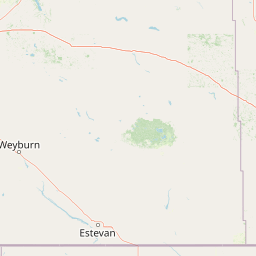
Map view of Moose Mountain Creek National Wildlife Area

Use this park location map to pinpoint Moose Mountain Creek National Wildlife Area in Canada, understand its exact geographic position, and read its mapped placement within the surrounding landscape more clearly.

Pigeon | © OpenStreetMap contributors

Location context for Moose Mountain Creek National Wildlife Area

Saskatchewan
Park atlas

Compare adjacent wetland habitats, mixed-grass prairie, and surrounding federal wildlife reserves

Parks Near Moose Mountain Creek National Wildlife Area and Regional Protected Reserves

Browse nearby national parks and protected areas sharing the distinctive mixed-grass prairie and wetland ecosystems found around Moose Mountain Creek National Wildlife Area. Extending your regional search reveals connected conservation landscapes and reveals broader habitat patterns across southeastern Saskatchewan.
Wildlife reserveSaskatchewan
About 73 km away#1 closest

Northwest

Zugvogelschutzgebiet Indian Head: A Wildlife Reserve in Saskatchewan Prairie Landscapes

Examining mapped boundaries and protected wetland terrain

Zugvogelschutzgebiet Indian Head represents a significant conservation footprint within the Saskatchewan prairie region. This wildlife reserve integrates managed wetlands and historic nursery grounds, showcasing how agricultural landscapes support migratory bird populations. Gain insight into its terrain, ecoregion placement, and the geographic history of these protected lands through our structured atlas data.

Area
0.32 km²
Established
1924
Relief
Lowland
Scope
Terrestrial
Wildlife reserveSaskatchewan
About 116 km away#2 closest

Northwest

Wascana Lake Migratory Bird Sanctuary: Geographic Overview and Protected Wetland Boundaries

A vital wildlife reserve located in Regina, Saskatchewan

Explore the unique geography of Wascana Lake Migratory Bird Sanctuary, where a managed reservoir creates a rich wetland habitat for migratory waterfowl. This protected area stands as a significant ecological site within the Saskatchewan prairie landscape, offering a rare look at riparian terrain integration inside a major urban center.

Area
1.04 km²
Established
1956
Relief
Lowland
Climate
Temperate
Protected areaEstonia
About 140 km away#3 closest

North

Zugvogelschutzgebiet Upper Rousay Lake Protected Area: Regional Map and Geography

Examining the protected landscapes and territorial extent in Estonia.

This resource provides a comprehensive view of the Zugvogelschutzgebiet Upper Rousay Lake protected area in Estonia. Focus on the defined boundaries, mapped terrain, and regional geographic context that identify this site. We provide a structured overview for researchers and geography enthusiasts to understand the spatial distribution and protected land status of this specific wetland environment.

Area
5.73 km²
Established
1948
Relief
Lowland
Climate
Temperate
Wildlife reserveNorth Dakota
About 154 km away#4 closest

South

Lostwood Wilderness Wildlife Reserve and Prairie Pothole Landscape Geography

Protected northern mixed grass prairie in North Dakota

Lostwood Wilderness protects a unique mosaic of native grasslands and shallow wetlands in northwestern North Dakota. As an essential part of the National Wilderness Preservation System, it preserves a roadless, undeveloped window into the prairie pothole region, offering a clear view of the natural terrain and conservation character of the northern Great Plains.

Area
22.57 km²
Established
1975
IUCN
Ib
Relief
Lowland
National parkManitoba
About 175 km away#5 closest

Northeast

Riding Mountain National Park: Manitoba National Park Protected Landscape and Geography

Discover mapped boundaries and regional context for this national park.

Delve into the geography of Riding Mountain National Park, a protected national park located in Manitoba. This page provides detailed insights into its mapped boundaries and its significance as a protected landscape within the region. Understand its place within the broader natural terrain and atlas context of Manitoba, offering a focused view for geographic exploration and conservation landscape study.

Area
2,969 km²
Established
1933
IUCN
II
Visitors
336.6K annual
Protected landscapeNorth Dakota
About 205 km away#6 closest

South

Little Missouri National Grassland: Geography and Protected Landscape Context

Exploring North Dakota's expansive badlands and prairie terrain

Spanning over a million acres, Little Missouri National Grassland stands as a massive protected landscape in western North Dakota. This area showcases the complex transition where open mixed-grass prairie meets the eroded, rugged badlands of the Little Missouri River corridor. Home to White Butte, the state's highest point, the grassland offers a unique topographic profile of buttes, canyons, and canyons that defines the region's broader geographic and conservation character.

Area
4,163.34 km²
Established
1960
Relief
Upland
Climate
Temperate
National parkNorth Dakota
About 260 km away#7 closest

South

Theodore Roosevelt National Park: Mapped Protected Landscape in North Dakota

Explore the geography and protected natural boundaries.

Theodore Roosevelt National Park represents a distinct protected landscape within North Dakota, offering a valuable entry point for exploring its unique geographic setting. This page provides a concentrated view of the park's mapped boundaries and its contribution to regional natural context. It is designed for users seeking detailed atlas-level information and a clear understanding of the park's protected-area status and geographic significance within the United States.

Area
285.08 km²
Established
1978
IUCN
II
Visitors
668.7K annual
National parkSaskatchewan
About 264 km away#8 closest

West

Grasslands National Park: Saskatchewan Protected Landscape Atlas

Discover its mapped boundaries and regional geographic context.

Grasslands National Park represents a vital component of protected lands in Saskatchewan, Canada, offering rich opportunities for atlas-based geographic exploration. This detail page provides specific insights into the park's mapped boundaries, its natural terrain, and its role as a national park within the broader regional geography. Understand how this protected landscape fits into the larger atlas of Canadian conservation areas and discover its unique geographic identity.

Area
907 km²
Established
1981
IUCN
II
Visitors
19.7K annual

Common questions about visiting, size, designation, and location context for Moose Mountain Creek National Wildlife Area

Moose Mountain Creek National Wildlife Area FAQs for park facts, access, geography, and protected area context

Find quick answers about Moose Mountain Creek National Wildlife Area, including protected-area facts, park geography, trail and visitor context, and how the park fits into its surrounding country and regional landscape.
MoriAtlas Explorer

Continue Your Protected Areas Search Across the Global Atlas

Deepen your exploration by continuing the structured search for national parks and protected areas worldwide. Utilize the comprehensive filtering capabilities to compare different conservation landscapes and refine your understanding of global park geography. Discover more about the distribution and characteristics of protected natural areas.

Global natural geography