Why Mszar Pogorzelski Nature Reserve stands out
Mszar Pogorzelski is best known for its preserved peatland complex, particularly its raised bog and transitional bog communities surrounded by inland sand dunes. The reserve is notable for the way bog vegetation and dry pine forest edge habitats meet within a very compact area, illustrating a clear gradient from waterlogged peat to dry sand. It is also a representative example of how small wetland remnants of the Mazovian lowlands have been safeguarded within a broader landscape park framework.
Mszar Pogorzelski Nature Reserve history and protected-area timeline
Mszar Pogorzelski was formally established as a nature reserve in 1987 by an order of the Minister of Environmental Protection and Natural Resources, dated 19 February 1987 and published in the Polish official journal Monitor Polski. The creation of the reserve was a recognition of the scientific and conservation value of the existing peatland and dune complex near Otwock at a time when many similar small mires across the lowlands were being lost to drainage, peat extraction, and land use change.
By placing the reserve within the framework of the existing Mazovian Landscape Park, Polish conservation authorities ensured that peatland protection would be reinforced by the broader landscape level protections already applied to the surrounding area. Since its designation, the reserve has continued to function as a small, dedicated refuge for bog habitats, although like many peatland sites in the region it has experienced shifts in vegetation linked to changes in local groundwater conditions.
Mszar Pogorzelski Nature Reserve landscape and geographic character
The landscape of Mszar Pogorzelski is shaped by two closely linked elements: peatland mires and inland sand dunes. The reserve sits on the Garwolińska Plain, a sandy, post glacial lowland mesoregion typical of central eastern Poland. The sandy substrate has allowed both the formation of dunes and, where groundwater collects in depressions, the gradual buildup of peat.
The result is a varied micro topography within a very small area. Low, wet peat surfaces sit beside or between sandy ridges, with the transition between them often visible in changes in vegetation cover. Where the sands are dry and well drained, the landscape takes on the character of a sparse pine dominated sandy woodland; where sands meet the peat lens, the terrain softens into moist mire edges; and within the deepest peat sections, the surface is acidic and waterlogged, supporting classic bog vegetation. The proximity of all these zones within one compact reserve gives it a layered, distinctly wetland dominated scenery that contrasts with the more urbanized surroundings of nearby Otwock.
Mszar Pogorzelski Nature Reserve ecosystems, habitats, and plant life
Ecologically, Mszar Pogorzelski is a representative example of a lowland peatland complex integrated with sandy mineral soils. Its core habitats are raised bog and transitional bog, two of the most sensitive mire types in the Polish lowlands. These habitats are characterized by acidic, nutrient poor, waterlogged conditions, which favor highly specialized plant communities.
Around the open peat surfaces, the surrounding dunes support contrasting dry vegetation. Where conditions are sandier and drier, the vegetation resembles that of dry pine forest, with open canopy, sparse shrub layer, and a distinctive ground flora adapted to nutrient poor sandy soils. The juxtaposition of wet bog and dry dune ecosystems within a single small reserve gives Mszar Pogorzelski an unusually complete set of habitat transitions for its size.
In recent decades the reserve has also experienced ecological succession linked to changes in groundwater levels. Such hydrological shifts are common in lowland peatlands under modern climate and land use pressures, and they underscore the continued vulnerability of even formally protected mire systems in this part of Poland.
Mszar Pogorzelski Nature Reserve wildlife and species highlights
Mszar Pogorzelski is not primarily recognized as a large mammal park, but its peatland and dune habitats support characteristic bog and woodland fauna. The combination of acid bog pools, moist transitional edges, and dry pine dune forest creates a mosaic of conditions attractive to invertebrates, amphibians, and bird species associated with wetlands and open sandy woodland.
The reserve's wildlife significance is closely tied to its habitat integrity. Invertebrate communities typical of Sphagnum and bog flora, as well as species associated with sandy pine woodland, find refuges here. The presence of undisturbed peat surfaces and quiet bog edges also provides habitat for amphibians and for birdlife that favors wet woodland transitions. Although specific species lists are limited in the public record, the reserve's value lies less in charismatic species and more in the persistence of small scale wetland and dry forest habitats typical of the Masovian lowlands.
Mszar Pogorzelski Nature Reserve conservation status and protection priorities
The principal conservation significance of Mszar Pogorzelski lies in its protection of a remaining example of lowland raised and transitional bog within a region where such habitats have been heavily reduced. By formally designating the site in 1987 and placing it inside the Mazovian Landscape Park, the Polish conservation system created a layered protection framework: strict reserve level safeguards for the peatland core, and broader landscape scale protections for the surrounding forests, dunes, and waterways.
This layered approach is important because peatlands of this size and type depend not only on internal protection but also on the wider hydrological and land use context. Reserves like Mszar Pogorzelski function as refuges and reference sites for bog vegetation, peat forming processes, and associated specialist species. At the same time, ongoing ecological succession driven by groundwater changes is a reminder that the long term conservation of such sites requires continued active monitoring of hydrology and vegetation shifts.
Top sights and standout views in Mszar Pogorzelski Nature Reserve
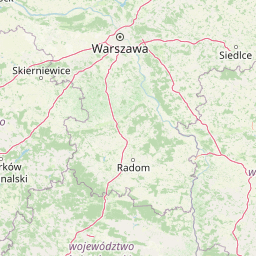
Mszar Pogorzelski stands out for packing a small but layered peatland system into a very compact area near the eastern edge of Otwock. Its most distinctive qualities are the direct contact between raised bog, transitional bog, and surrounding dune habitats; its position within the Mazovian Landscape Park, which gives it a broader landscape level protection framework; and its role as a surviving example of the sandy, peat forming landscapes typical of the Garwolińska Plain.
Best time to visit Mszar Pogorzelski Nature Reserve
Visits to Mszar Pogorzelski are best understood in terms of how its peatland and dune habitats change with the seasons. In late spring and early summer, bog vegetation is most visibly active, with Sphagnum and flowering bog plants at their most expressive, and the contrast between wet peat and dry dune vegetation easiest to observe on foot. In autumn, the surrounding pine dominated dunes take on warmer tones and the open bog surfaces contrast sharply with darker surrounding woodland, while in winter the frozen peat and snow covered dunes reveal the underlying micro topography of the reserve. Because the reserve is small, ecologically sensitive, and includes waterlogged surfaces, visitors should expect wet, soft ground in wetter seasons and plan accordingly for low impact exploration rather than intensive hiking.