
Why Na hůrkách stands out
Na hůrkách is best known for its herbaceous grassland vegetation on former pastures, a habitat that harbors several protected and regionally significant plant species such as spiked speedwell (Veronica spicata), tassel hyacinth (Muscari comosum), Carthusian pink (Dianthus carthusianorum), and purple mullein (Verbascum phoeniceum). The presence of broad-leaved helleborine (Epipactis helleborine) orchid is also considered ecologically important. Equally notable is the richness of insect life tied to this dry-grassland habitat, particularly the butterflies that depend on the open, flower-filled sward. Together these botanical and entomological features define the reserve's identity as a small but concentrated refuge for meadow and pasture biodiversity.
Na hůrkách history and protected-area timeline
The reserve was officially declared as a natural monument (přírodní památka) on 1 November 1990 by the Regional Authority of the Olomouc Region. Its establishment reflected growing recognition in the post-1989 period of the conservation value of small surviving fragments of species-rich grassland habitat in intensively farmed lowland Moravia. Ongoing documentation of the site's flora and insect fauna, including references in regional literature on protected areas of the Prostějov District, has helped maintain and reaffirm its protected status.
Na hůrkách landscape and geographic character
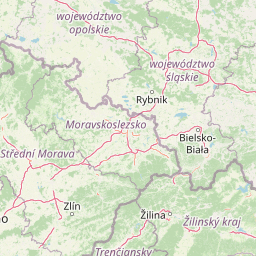
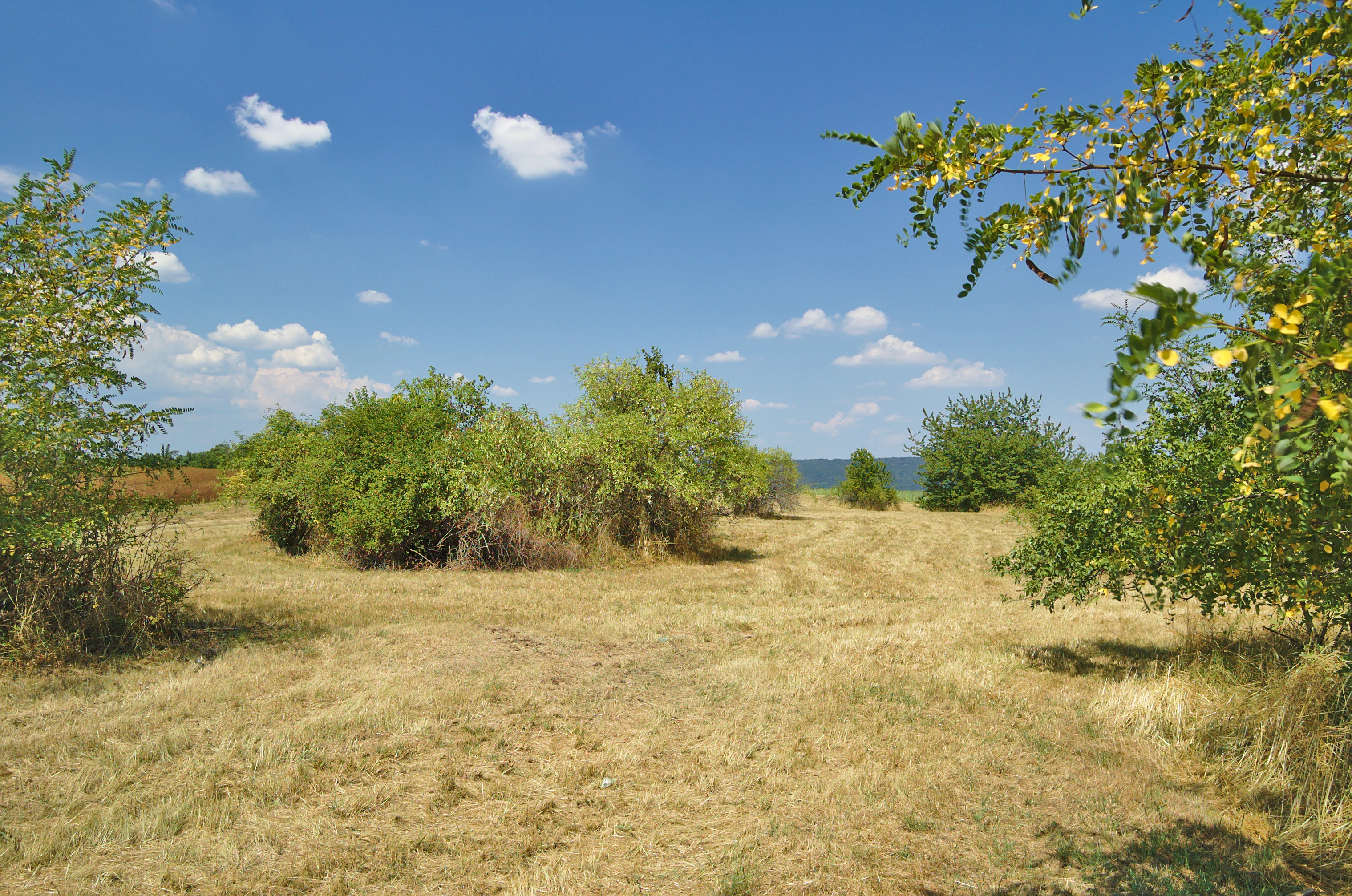
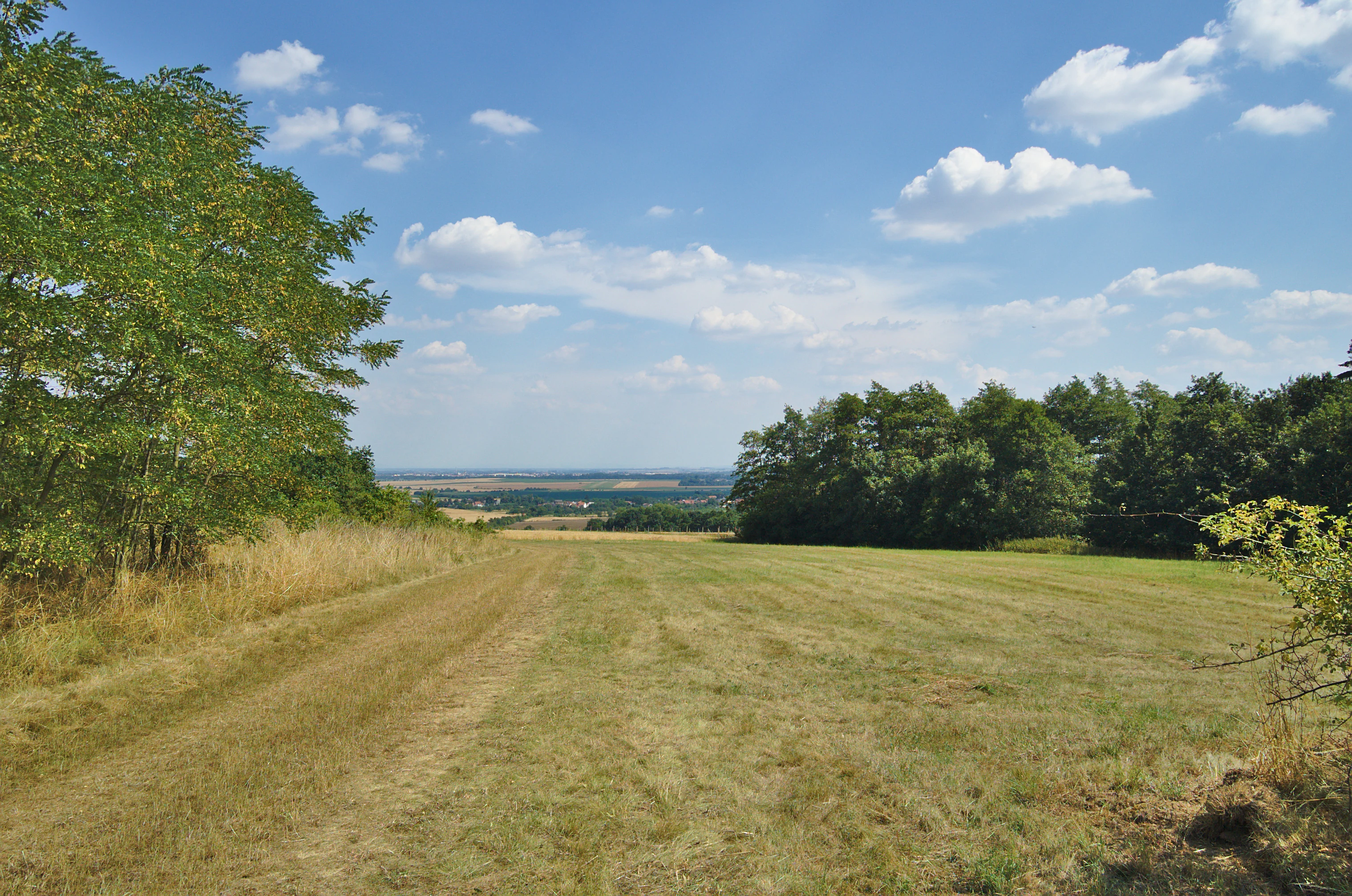
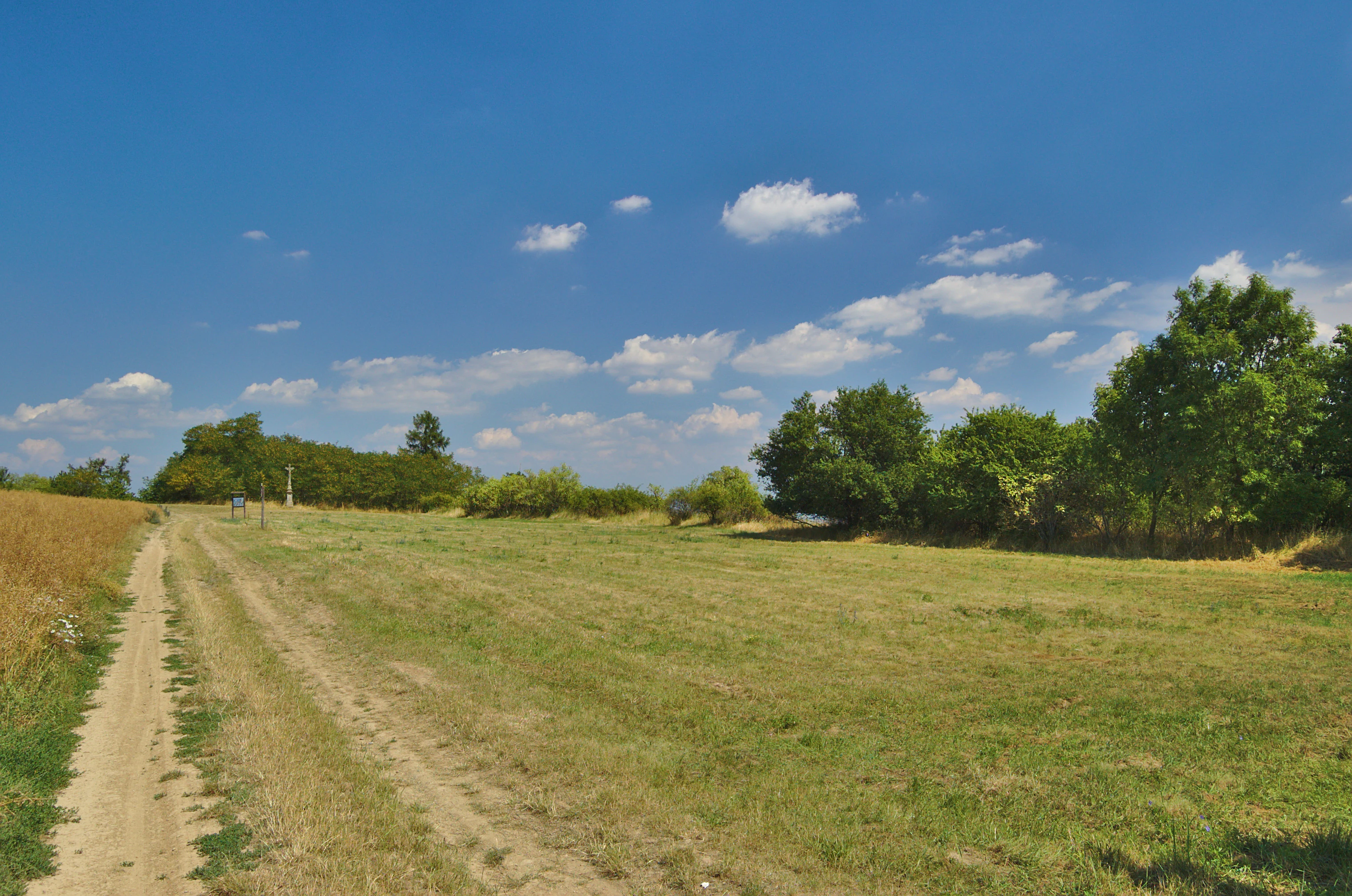
Na hůrkách occupies gently sloping terrain in the lowland to sub-lowland belt of central Moravia, at elevations between approximately 330 and 340 meters above sea level. The landscape character is defined by open, undulating agricultural country typical of the Prostějov District, where former pastures once formed a mosaic with fields, small woodlands, and rural settlements.
Within this wider setting, the protected site itself consists of open herbaceous grassland rather than woodland or wetland. The terrain is gently contoured, allowing well-drained conditions that favor dry-grassland plant communities. The open character of the sward, together with the surrounding agricultural matrix, shapes both the visual landscape of the reserve and the ecological conditions that support its characteristic grassland vegetation.
Na hůrkách ecosystems, habitats, and plant life
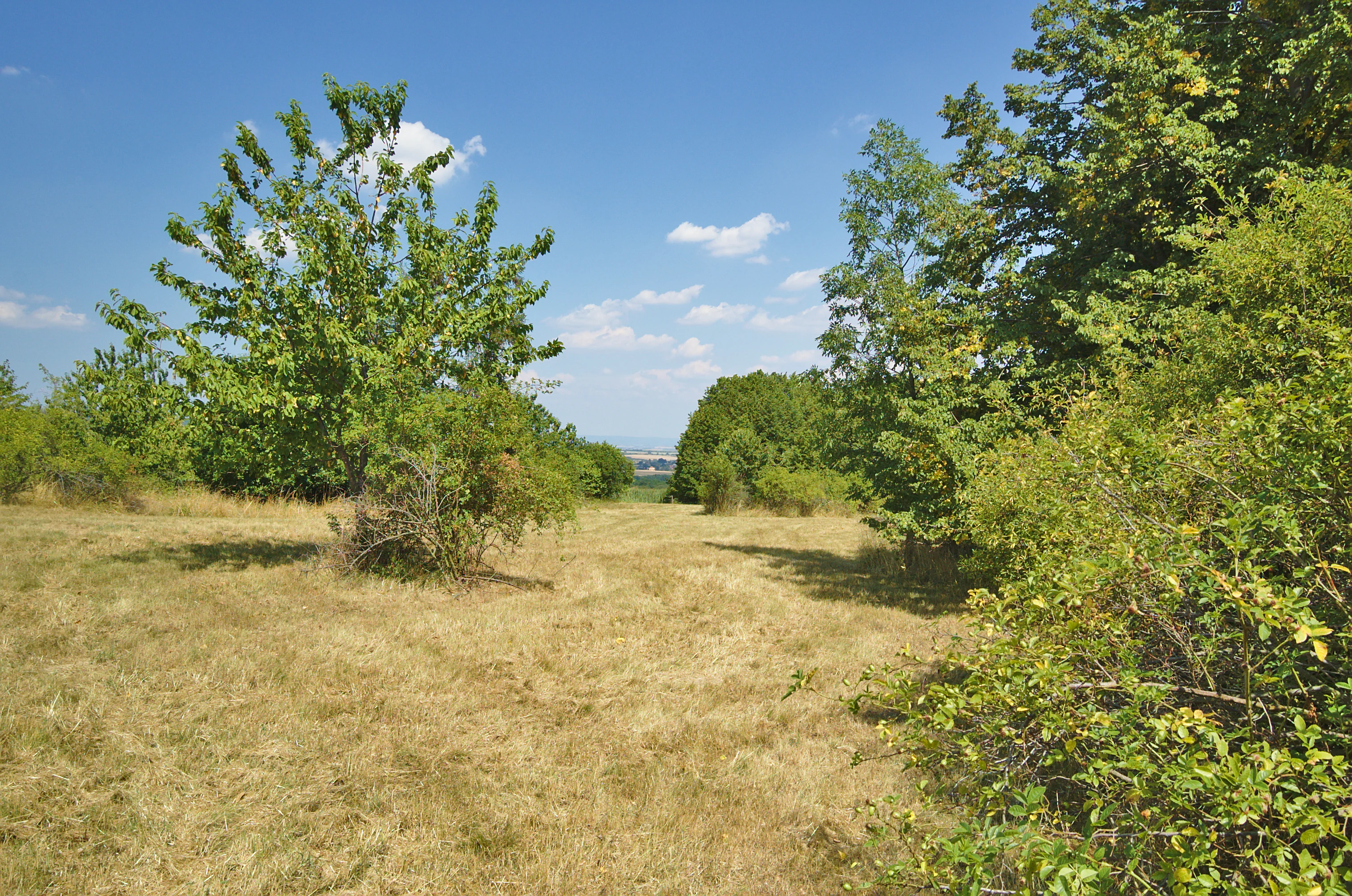
Ecologically, Na hůrkách is defined by its herbaceous grassland communities developed on former pastures. Such lada, or seminatural dry grasslands, are among the most species-rich habitat types in lowland Europe and are now highly threatened by both agricultural intensification and abandonment. The reserve preserves a representative example, with an open sward structure permitting sunlight-demanding herbaceous plants to thrive.
The botanical diversity of the site is supported by well-drained, sun-exposed conditions and a long history of pastoral, rather than arable, use. These conditions favor a mixture of grasses and colorful forbs, including several protected species that contribute to the habitat's conservation significance. The habitat type also plays an important role in supporting pollinator populations, linking the botanical character of the reserve to its invertebrate fauna.
Na hůrkách wildlife and species highlights
The wildlife significance of Na hůrkách is closely tied to its flower-rich dry-grassland habitat. Many insect species, particularly butterflies, depend on the combination of open sward structure and abundant nectar and host-plant resources provided by these grasslands. As a result, the reserve supports a notably rich insect community despite its very small size.
While the site's prominence is botanical and entomological rather than faunal in the larger vertebrate sense, the conservation of dry-grassland habitat indirectly benefits a wider range of organisms, from soil invertebrates to small vertebrates that use such open habitats for foraging or shelter. The site's chief wildlife value lies in this concentration of invertebrate diversity within a small but exceptionally well-preserved habitat patch.
Na hůrkách conservation status and protection priorities
The conservation significance of Na hůrkách rests on its role in safeguarding a small but high-quality fragment of seminatural dry-grassland habitat in a region dominated by intensive agriculture. Herbaceous grasslands on former pastures have declined sharply across the Czech countryside, making even very small surviving patches disproportionately important for biodiversity conservation.
By protecting such a fragment and the suite of associated plant and insect species, the reserve contributes to the maintenance of regional biodiversity, supports pollinator populations, and preserves genetic and ecological resources that would otherwise be lost. Its classification as a natural monument under Czech nature conservation law reflects recognition of these values at the regional level.
Top sights and standout views in Na hůrkách
Na hůrkách stands out as a compact but ecologically rich reserve whose main highlight is the survival of species-rich herbaceous grassland on former pastureland, a habitat type that has become rare in modern Moravian farmland. The presence of multiple protected flowering plants, including spiked speedwell, tassel hyacinth, Carthusian pink, and purple mullein, together with the broad-leaved helleborine orchid, gives the site a distinctive botanical character.
A second major highlight is the site's strong association with grassland-dependent insects, especially butterflies. The combination of open structure, diverse flora, and long grassland continuity makes the reserve a small but valuable refuge for invertebrate biodiversity within the broader agricultural landscape of the Prostějov District.
Best time to visit Na hůrkách
The grassy vegetation and associated insects of Na hůrkách are most visible and active during the warmer months of the growing season. Late spring and summer typically bring the richest display of flowering plants and the peak flight period for many of the butterflies associated with dry-grassland habitats. Visiting in these seasons offers the best chance to experience the reserve's botanical and entomological character, although visitors should remember that it is a small protected site intended primarily for nature conservation rather than mass tourism.