
Why Naturschutzgebiet Alemigsiefental stands out
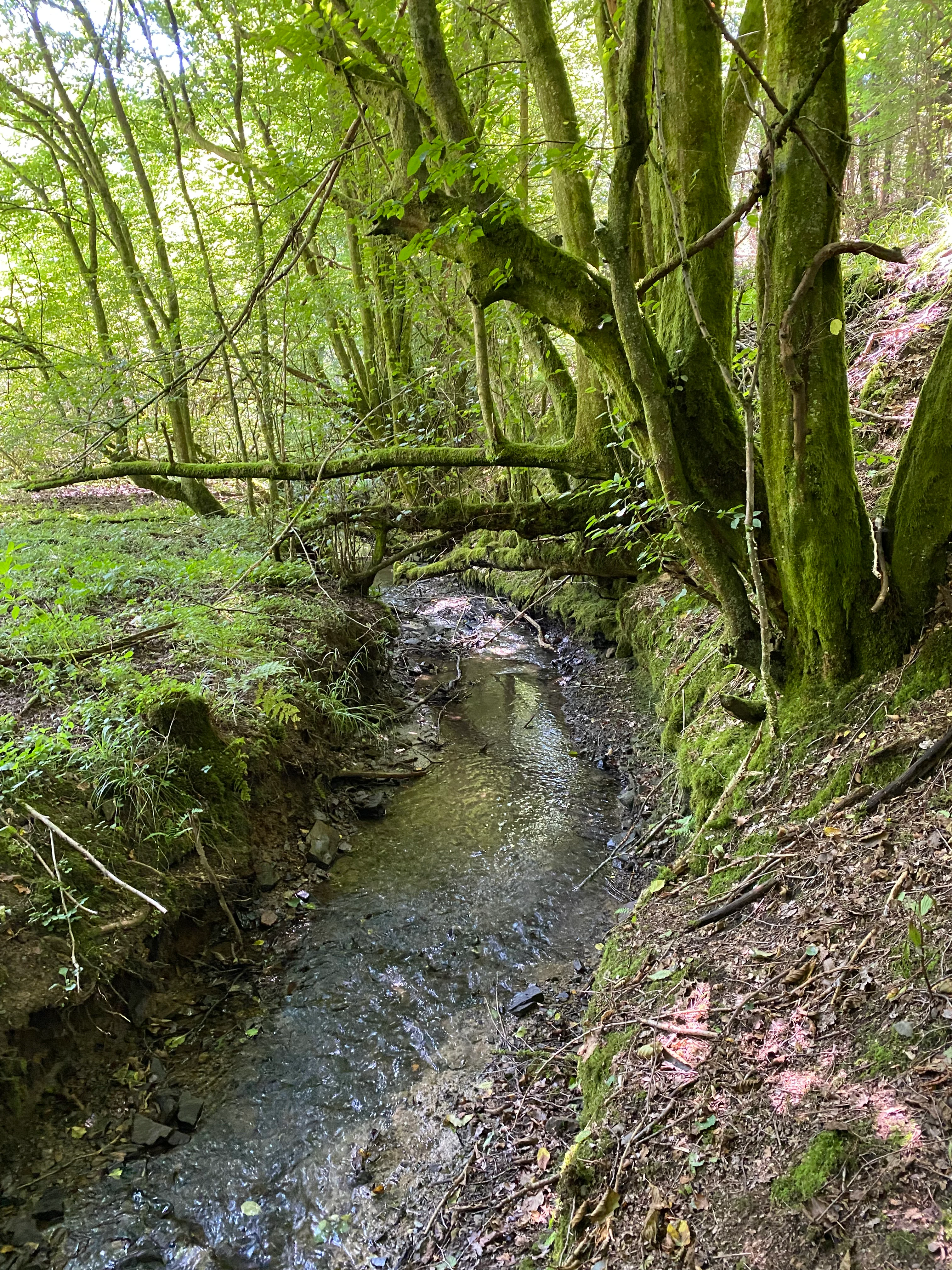
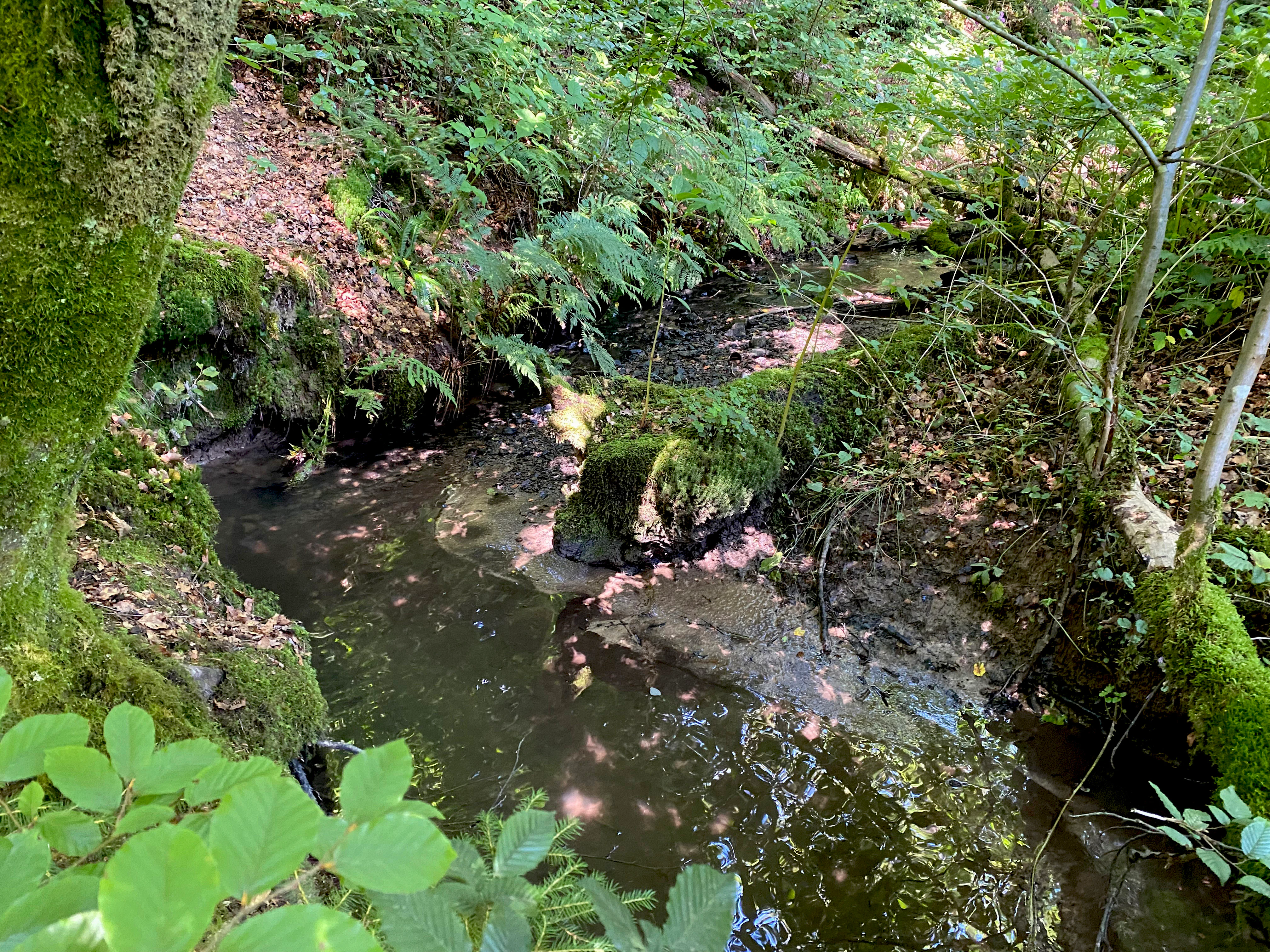
The reserve is especially known for its spring-fed Kerbtal landscape, where two small spring branches merge into the Alemigssiefen stream and flow south through a valley of wet meadows, marsh vegetation, and floodplain woodland. It stands out within the regional stream network of the Bergisches Land as a habitat for species tied to clean, undisturbed small watercourses.
Naturschutzgebiet Alemigsiefental history and protected-area timeline
The area was formally designated as a Naturschutzgebiet in 1990, under the framework of the landscape plan for the municipality of Kürten. Its establishment reflected growing awareness of the ecological value of the Bergisches Land's small stream valleys and the biodiversity they support, particularly as surrounding agricultural changes began to alter floodplain management and vegetation patterns.
Naturschutzgebiet Alemigsiefental landscape and geographic character
The protected area follows a classic Kerbtal, a steep-sided, narrow valley shape typical of the uplifted and deeply incised terrain of the Bergisches Land. The Alefigsiefen stream carves a gradually widening corridor through these slopes, changing from a tight, spring-dominated upper section to a more open floodplain landscape further downstream. Elevation across the reserve runs from roughly 130 metres along the lower reaches to about 240 metres near the headwaters, with an average around 185 metres, giving the valley a subtle but noticeable gradient that shapes both vegetation and water flow.
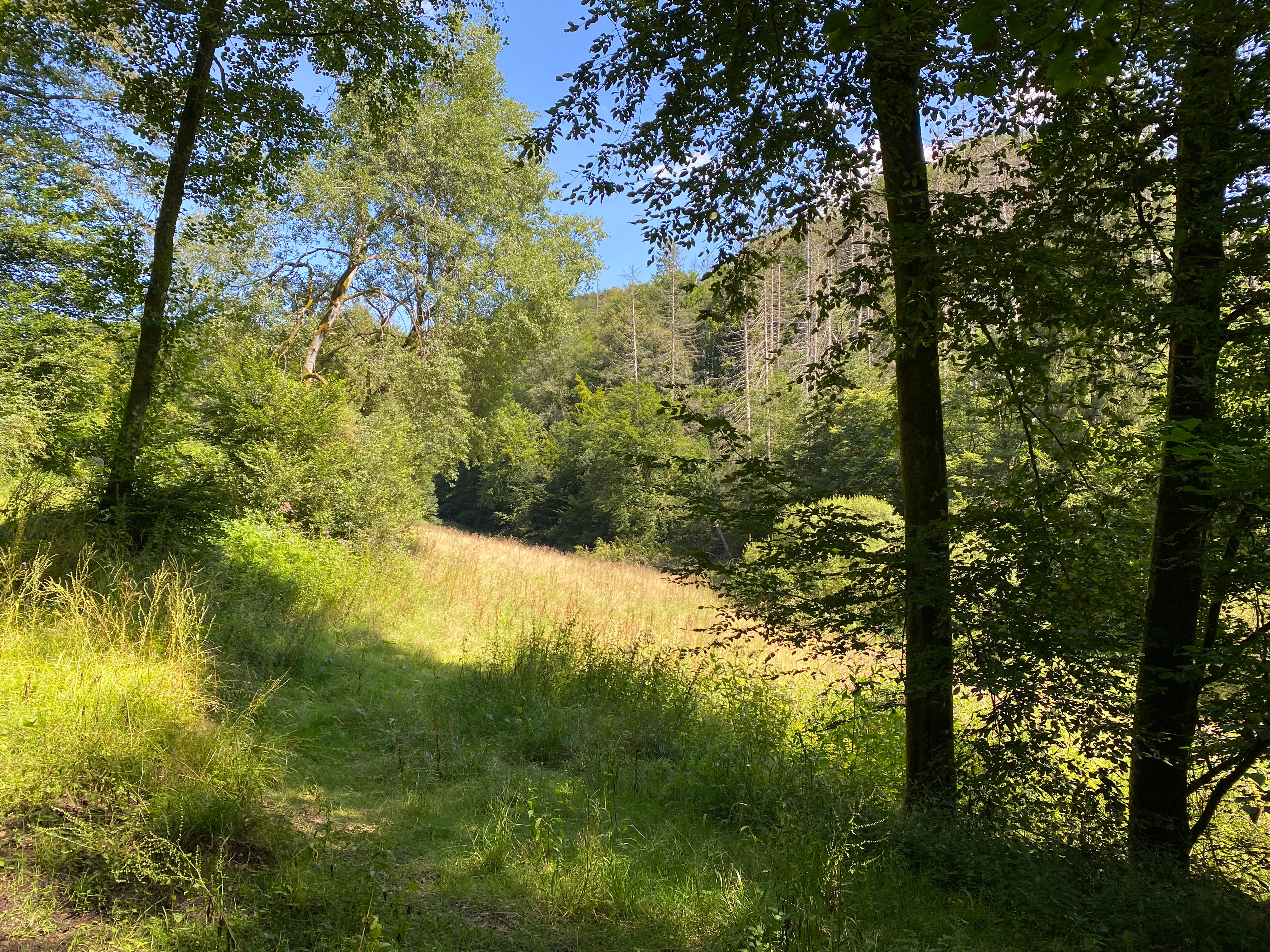
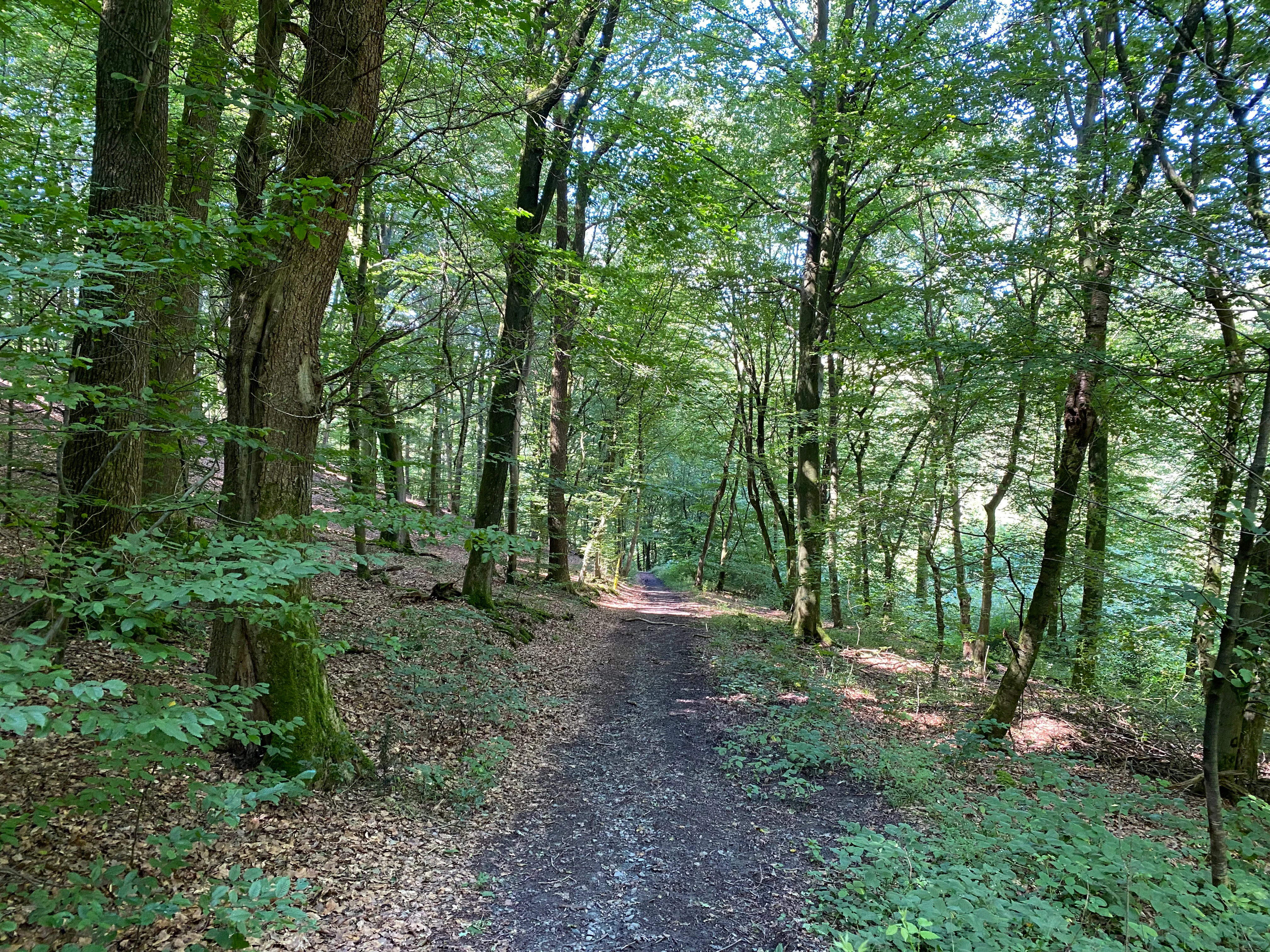
The valley sides are largely wooded, with beech forest dominating the mid-section of the stream and progressively moister, more shaded woodland near the spring heads. In contrast, the valley bottom is an alternating mosaic of wet grassland, marsh vegetation, reed beds, and patches of softwood floodplain forest, producing the visual and ecological richness that the reserve is intended to protect.
Naturschutzgebiet Alemigsiefental ecosystems, habitats, and plant life
Ecologically, the reserve represents a textbook example of Bergisches Land valley-floor habitat complexity. The floodplain contains a patchwork of different vegetation types: wet meadows with varying degrees of moisture, sedge- and rush-rich marshy grassland, fallow wet areas, reed communities, and intact stretches of Auwald along the stream. Spring zones, small flush areas, and natural sections of the watercourse itself contribute further structural diversity.
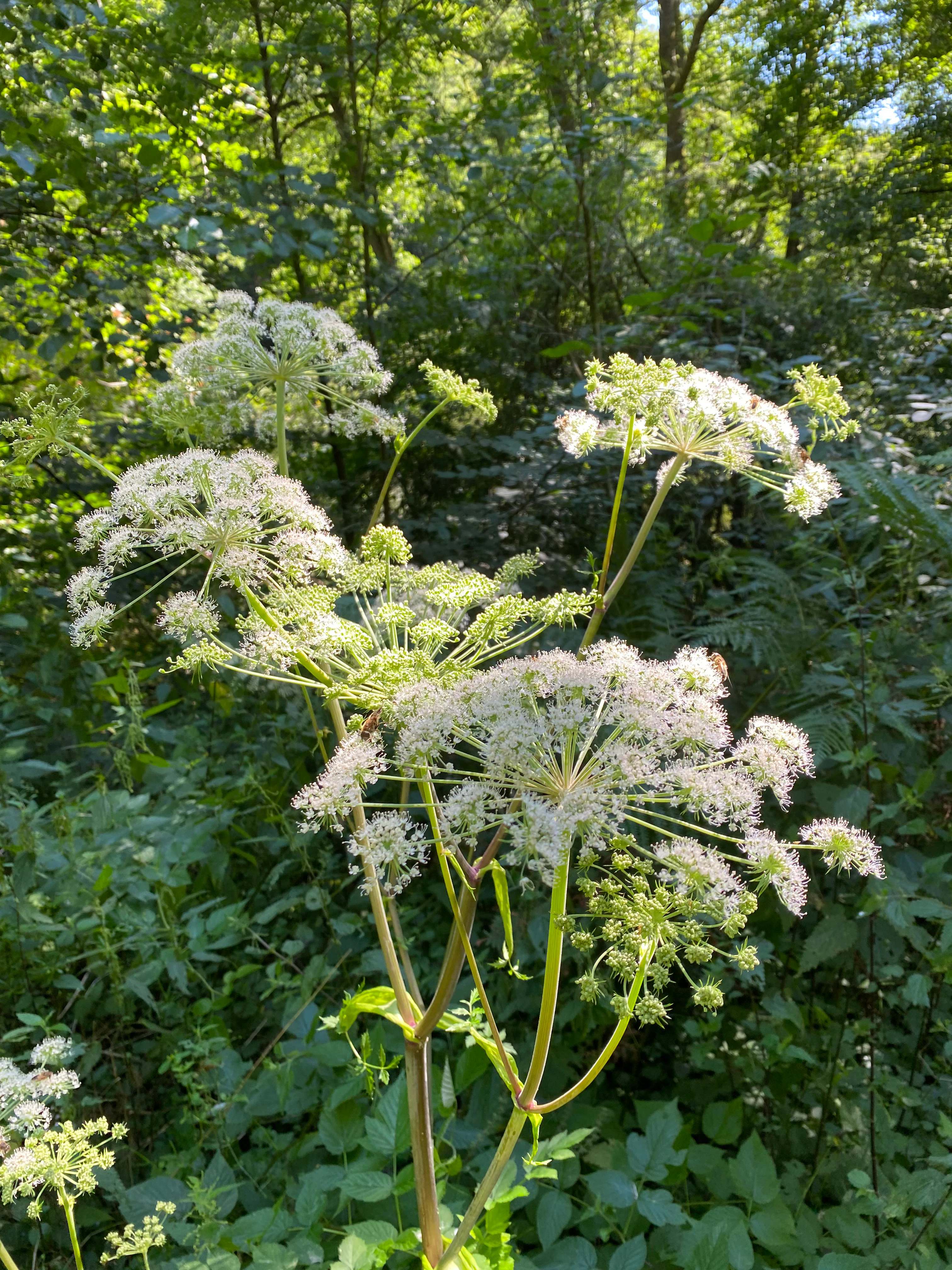
At the higher, narrower end of the valley, the habitat shifts to a more forested character, with mature beech stands and a heavily mossed forest floor supporting ferns and other shade-loving species. Among the notable botanical features documented in the area are woodland angelica, which acts as a magnet for insects, and stands of marsh woundwort, both indicative of the persistent moisture and ecological continuity of the site. The combination of these habitats creates conditions that support an unusually broad range of plant communities within a very compact area.
Naturschutzgebiet Alemigsiefental wildlife and species highlights
The reserve serves as habitat for species associated with clean, undisturbed flowing waters and with intact wetland vegetation. Its significance lies less in the presence of single charismatic species and more in its function as a refuge for the broader community of organisms tied to small Bergisches streams and their accompanying floodplain vegetation. The marshy and wet meadow habitats, together with the wooded slopes, support a diverse insect fauna, which in turn provides feeding conditions for a wider range of animal life along the valley.
Naturschutzgebiet Alemigsiefental conservation status and protection priorities
Designated as an IUCN Category IV protected landscape, a habitat and species management area, the reserve's conservation mandate focuses on preserving a defined suite of protected biotopes. These include alder and ash floodplain woodland, swamp and marsh forest, swampy areas, reed beds, sedge- and rush-dominated wet meadows, spring zones, and natural or near-natural sections of flowing and standing freshwater.
Beyond the direct protection of these habitats, the reserve plays a role in regional biotope connectivity. It functions as a high-priority corridor element within the Bergisches Land stream network, linking ecologically with the adjacent Dürschbachtal reserve and helping sustain habitat continuity for plant and animal populations that depend on valley-floor environments. Land-use restrictions around the reserve are part of the management strategy, including prohibitions on storing or applying liquid manure on neighbouring land, which helps safeguard the water quality of the stream and its sensitive floodplain vegetation. A persistent management challenge is the spread of invasive Himalayan balsam and the encroachment of scrub following the abandonment of traditional grassland use.
Top sights and standout views in Naturschutzgebiet Alemigsiefental
The reserve's defining qualities are its compact yet structurally complete valley sequence, from two converging spring heads through beech forested slopes to a diverse floodplain of wet meadows, reeds, and softwood forest. Its role as part of a connected network of stream-valley reserves, linking directly with the Dürschbachtal, gives it significance well beyond its modest size. The combination of clean flowing water, intact spring zones, and a documented range of protected biotope types makes it a representative reference site for Bergisches Land valley ecology.
Best time to visit Naturschutzgebiet Alemigsiefental
The valley is most atmospheric in late spring and summer, when the floodplain tall herb communities and wet meadows are in full growth, woodland angelica is attracting insects along the stream, and the beech canopy above the mid-valley is in leaf. Early summer also tends to be the most visually expressive period for the marsh vegetation along the valley floor. The reserve remains accessible on foot throughout the year via the regional hiking trail network, but warmer months offer the richest experience of its botanical and ecological character.