Mori Atlas logo
Nature reserveOstoja Środkowojurajska

Examining the complex mosaic of limestone outcrops, beech forests, and sandy inland dunes.

Ostoja Środkowojurajska Nature Reserve: A Detailed Atlas of Protected Polish Jura Landscapes

(Ostoja Środkowojurajska (PLH240009))

Ostoja Środkowojurajska serves as a critical protected area within the Kraków-Częstochowa Upland of the Silesian Voivodeship. This nature reserve preserves a distinct geological mosaic where limestone cliffs and hidden caves transition into dry heaths and diverse beech woodland communities. Use this mapped overview to analyze the site boundaries, terrain characteristics, and the intersection of Natura 2000 habitat zones within the wider regional landscape.

Natura 2000Site of Community ImportanceKraków-Częstochowa UplandPolish Jurabeech forestxerothermic grassland

Ostoja Środkowojurajska

Nature reserve

Park overview

Structured park overview, official facts, and landscape profile for Ostoja Środkowojurajska

Ostoja Środkowojurajska park facts, protected area profile, and essential visitor context

Review the core facts for Ostoja Środkowojurajska, including designation, size, terrain, visitor scale, habitats, and operating context in one park-focused overview.

About Ostoja Środkowojurajska

Ostoja Środkowojurajska, with the Natura 2000 code PLH240009, is a Site of Community Importance in southern Poland designated under the EU Habitats Directive. It occupies a substantial portion of the central Kraków-Częstochowa Upland, the limestone plateau that stretches northwest of Kraków and is famous for its castle-studded ridges, deep valleys, and beechwoods. Centered just south of Ogrodzieniec, the area is shared between the Silesian and Lesser Poland voivodeships and lies almost entirely within the Orlich Gniazd Landscape Park and its buffer zone, making it one of the most important habitat mosaics in the Polish Jura.

The defining feature of the refuge is the way it captures a remarkable variety of forest types in close proximity. Acidic lowland beechwood, fertile Sudeten beechwood of the Dentario enneaphylli-Fagetum type, and orchid-rich Cephalanthero-Fagenion beechwoods all occur here, together with sycamore-dominated stands, oak-hornbeam grąd forest, and floodplain riparian woods. This range reflects the underlying mosaic of acidic sandy deposits and calcium-rich limestone bedrock typical of the upland.

Beyond the woodlands, the site includes striking open habitats: inland dunes with sandy grasslands, dry heaths, xerothermic swards on south-facing slopes, wet Molinia meadows, herb-rich fringes, and transitions to transitional and alkaline fens. Vertical habitat comes from limestone cliff faces and caves that are not open to visitors, providing roosting and sheltering conditions for cave-dependent species. Together, these elements make Ostoja Środkowojurajska a textbook example of how habitat diversity, geodiversity, and species richness come together on the Polish Jura.

Quick facts and research context for Ostoja Środkowojurajska

Ostoja Środkowojurajska is a Polish Natura 2000 Site of Community Importance (habitat type) with the code PLH240009, established in 2009 and covering roughly 5,767 hectares. It sits within the Wyżyna Częstochowska mesoregion of the Kraków-Częstochowa Upland and is administratively shared between the Silesian and Lesser Poland voivodeships.

The site is essentially coextensive with the Orlich Gniazd Landscape Park and its buffer zone, one of the most scenic protected landscape areas on the Polish Jura. A range of Habitats Directive Annex I habitat types are protected here, from inland dunes and xerothermic grasslands to acidic and fertile beech forests, as well as limestone rock walls and caves not open to visitors.

Protection and recognition

Examine documented terrestrial protection scope and international recognition sources.

Ostoja Środkowojurajska Protection Status and Natura 2000 Recognition

Terrestrial protection status for Ostoja Środkowojurajska incorporates verified Natura 2000 recognition records. Structured data outlines documented administrative frameworks without projecting management outcomes.

International recognition

Protection details

Protection scope
Terrestrial
Transboundary protection
No
Park context

Deeper park guide and search-rich context for Ostoja Środkowojurajska

Ostoja Środkowojurajska history, landscape, wildlife, and travel context

Explore Ostoja Środkowojurajska through its history, landscape character, ecosystems, wildlife, conservation priorities, cultural context, and seasonal travel timing in a structured park guide built for atlas discovery and search intent.

Why Ostoja Środkowojurajska stands out

Ostoja Środkowojurajska is best known for its rich concentration of Habitats Directive habitat types packed into a relatively compact area, particularly the diversity of beech forest communities that characterize the Polish Jura. Acidic lowland beechwood, fertile Sudeten beechwood, orchid beechwood, sycamore maple stands, oak-hornbeam groves, and riparian forests occur alongside more open habitats such as inland dunes, dry heaths, and xerothermic swards. The site is also recognized for its karst features, including limestone cliff faces and caves closed to the public, which create the vertical rock habitats that give the Orlich Gniazd area its distinctive look. The combination of warm dry grasslands, forests on calcareous and acidic soils, rock outcrops, and caves makes the refuge unusually rich in protected species.

Ostoja Środkowojurajska history and protected-area timeline

Ostoja Środkowojurajska was formally designated in 2009 as part of the expansion of the European Union's Natura 2000 ecological network in Poland. Its designation drew on habitat and species surveys that identified the central section of the Kraków-Częstochowa Upland as one of the country's most valuable concentrations of Habitats Directive habitat types, particularly the forest and grassland communities of the Orlich Gniazd area.

The refuge's identity is closely tied to the broader history of conservation on the Polish Jura. The landscape it now protects has long been valued for its scenic castles and rock formations, which led to the establishment of the Orlich Gniazd Landscape Park. The Natura 2000 site effectively overlays this existing national landscape protection framework, adding a stricter, habitat-oriented European layer of conservation status, while the surrounding buffer zone continues to provide a transition between intensively used land and the protected core.

Ostoja Środkowojurajska landscape and geographic character

The landscape of Ostoja Środkowojurajska is a classic Kraków-Częstochowa Upland scene: a limestone plateau dissected by dry valleys, rocky ridges, and scattered outcrops, much of it wooded and broken by open, sun-warmed slopes. Inland dunes of sandy material add a softer, gentler texture to some parts of the site, creating pockets of open sandy grassland amid the surrounding forest.

Vertical relief is supplied by limestone cliff faces and caves that punctuate the plateau; these rock formations are closed to the public but form a defining part of the area's geomorphology. The terrain is largely gently rolling to moderately steep, with elevation depending on the local relationship between the resistant limestone caprock and the softer underlying sediments. This combination of plateau, valley, dune, and rock gives the refuge a varied and visually distinctive stage for its habitats.

Ostoja Środkowojurajska ecosystems, habitats, and plant life

Ecologically, Ostoja Środkowojurajska is defined by the interplay of calcareous and acidic substrates and the wide ecological gradients that result. The site hosts an unusually complete set of beech forest types: acidic lowland beechwood (Luzulo pilosae-Fagetum), fertile Sudeten beechwood (Dentario enneaphylli-Fagetum), orchid-rich beechwood of the Cephalanthero-Fagenion alliance, and related sycamore maple stands. These are complemented by oak-hornbeam grąd forest and by riparian forests along the area's streams and wetter valleys.

On the non-forest side, the site includes inland dunes with sandy grasslands, dry heaths, xerothermic swards on warm slopes, wet Molinia meadows, herb-rich fringes, and a sequence of wetland habitats from fresh meadows to transitional mires and alkaline fens. Limestone cliff faces and caves that are not open to visitors add specialized rocky and subterranean habitats. This breadth of habitat types within one Natura 2000 site is the main reason the refuge is recognized under the Habitats Directive.

Ostoja Środkowojurajska wildlife and species highlights

The wildlife of Ostoja Środkowojurajska reflects the site's special value for cave-dwelling and forest-dependent species. Three bat species listed on Annex II of the Habitats Directive are recorded here: the lesser horseshoe bat (Rhinolophus hipposideros), the pond bat (Myotis dasycneme), and the greater mouse-eared bat (Myotis myotis). The combination of forested terrain with karst caves provides both foraging habitat and roosting sites for these species.

Among other protected fauna, the fire-bellied toad (Bombina bombina) occurs in the wetter areas and is one of the amphibian highlights of the refuge. The brook lamprey (Lampetra planeri) is present in the site's streams, while two butterflies, the scarce large blue (Phengaris teleius) and the Danube clouded yellow (Colias myrmidone), point to the value of the open, flower-rich meadows and grasslands. The botanical richness adds significantly to the site's biodiversity, with species such as the lady's slipper orchid (Cypripedium calceolus) underlining the area's significance for rare plant-insect interactions.

Ostoja Środkowojurajska conservation status and protection priorities

From a conservation perspective, Ostoja Środkowojurajska is important because it stacks multiple layers of protection over a particularly rich piece of the Polish Jura. Its Natura 2000 designation as a Site of Community Importance for habitats aligns directly with the protection goals of the EU Habitats Directive, while the underlying Orlich Gniazd Landscape Park and its buffer zone deliver national-level landscape and habitat protection on the ground.

The refuge stands out for conserving several habitat types that are priorities under the Habitats Directive, including the range of beech forest types, xerothermic grasslands, inland dunes with sandy grasslands, and the cave and rock habitats. Species-targeted conservation also matters here: the site contributes to the protection of Annex II bats, amphibians, and butterflies, and supports rare plants such as the lady's slipper orchid and Cochlearia polonica. By sustaining this combination of forests, dry grasslands, fens, dunes, and karst features, the refuge plays a key role in maintaining the ecological integrity of the central Kraków-Częstochowa Upland.

Ostoja Środkowojurajska cultural meaning and human context

The area protected by Ostoja Środkowojurajska is deeply woven into Polish cultural identity through the Orlich Gniazd (Eagles' Nests) landscape, where medieval castles such as Ogrodzieniec once crowned limestone cliffs. The refuge's rock faces and castles-in-ruins context shape how the landscape is perceived and valued by visitors, even though conservation priority is placed on the natural habitats rather than the built heritage within them.

Traditional land uses such as small-scale grazing, haymaking, and forest management have shaped the mosaic of open meadows, xerothermic swards, and woodlands that the site now protects. Maintaining these open habitats depends in part on the continuation of low-intensity practices that have long defined the human relationship with the Polish Jura.

Top sights and standout views in Ostoja Środkowojurajska

Ostoja Środkowojurajska's standout qualities are its unusual concentration of different beech forest types within a single Natura 2000 site, the juxtaposition of acidic dunes with calcareous rocky outcrops, and the presence of closed caves that extend habitat diversity underground. The integration of forests, dry heaths, xerothermic grasslands, and fens in one connected landscape makes it a benchmark for habitat-based conservation on the Polish Jura.

The site's overlap with the Orlich Gniazd Landscape Park adds a strong scenic dimension, while its species list, from lesser horseshoe bats to lady's slipper orchids, shows the practical payoff of protecting such a varied mosaic. For anyone interested in how European habitat protection actually plays out, it is a compact but very representative case study.

Best time to visit Ostoja Środkowojurajska

Late spring and early summer are the most rewarding time to experience Ostoja Środkowojurajska's habitats, when orchids in the beechwoods and Cephalanthero-Fagenion stands come into flower and the herb-rich fringes and xerothermic grasslands are at their most colorful. Dawn and dusk in warmer months are the most likely times to encounter bats along forest edges and over meadows.

Late summer to early autumn brings the Molinia meadows and heaths into a different phase, with grasses seeding and heather in bloom on dry sites. Winter reveals the structure of the rocky ridges, dunes, and beechwood stands more starkly, although some forest paths may be less accessible in snowy conditions and caves remain closed to visitors year-round.

Monthly climate preview

Long-term monthly precipitation data and representative temperature averages

Ostoja Srodkowojurajska Climate Normals and Annual Temperature Patterns

Long-term climate records for Ostoja Srodkowojurajska outline a measured annual progression of average temperatures and daily precipitation rates from representative station coordinates. Examining the complete monthly normals provides detailed context on long-term temperature ranges and precipitation distribution across the protected area.
Annual mean8 °C
-4 °C20 °C
Jan-4°
Feb-2°
Mar
Apr
May13°
Jun17°
Jul20°
Aug19°
Sep14°
Oct
Nov
Dec-2°
Warmest month
July

19.6 °C

Coolest month
January

-3.7 °C

Wettest month
July

3 mm/day

Driest month
December

1.4 mm/day

Park location guide

Geography guide, regional context, and park location map for Ostoja Środkowojurajska

Ostoja Środkowojurajska park geography, regions, and map view in Poland

Understand where Ostoja Środkowojurajska sits in Poland through a broader geographic reading of the surrounding landscape, nearby location context, and its mapped position within the national park landscape.

How Ostoja Środkowojurajska fits into Poland

Poland, officially the Republic of Poland, is a Central European country spanning from the Baltic Sea in the north to the Carpathian Mountains in the south. It borders Germany, Czech Republic, Slovakia, Ukraine, Belarus, Lithuania, and Kaliningrad Oblast. The country has a temperate climate, diverse landscapes, and is known for its rich history, cultural heritage, and strong economic position within the EU.

Wider geography shaping Ostoja Środkowojurajska in Poland

Poland occupies 312,696 km2 in Central Europe, extending from the Baltic Sea coast in the north to the Sudetes and Carpathian Mountains in the south. It borders Germany to the west, Czech Republic and Slovakia to the south, Ukraine and Belarus to the east, and Lithuania and Kaliningrad Oblast to the northeast. The landscape includes lowland plains, uplands, and mountain ranges.

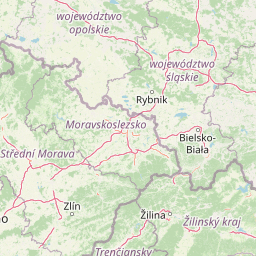
Map view of Ostoja Środkowojurajska

Use this park location map to pinpoint Ostoja Środkowojurajska in Poland, understand its exact geographic position, and read its mapped placement within the surrounding landscape more clearly.

Pigeon | © OpenStreetMap contributors

Location context for Ostoja Środkowojurajska

Lesser Poland VoivodeshipSilesian Voivodeship
Recorded earthquake history

Review the Historical Earthquake Catalogue for Ostoja Środkowojurajska

Access a structured inventory of historical seismic activity linked by proximity to the Ostoja Środkowojurajska protected landscape. MoriAtlas provides a clean, factual interface for reviewing recorded magnitudes and epicentre distances associated with the region.

Ostoja Środkowojurajska Earthquake History

Catalogued events

320 events

Strongest magnitude

Magnitude 4.6

Most recent event

Oct 4, 2023

This history includes earthquakes recorded inside the park or within 50 km of its borders

Park atlas

Compare nearby regional landscapes, connected limestone terrain, and protected habitats.

Exploring Other Parks Near Ostoja Środkowojurajska and Surrounding Protected Areas

Browsing other parks near Ostoja Środkowojurajska reveals adjacent protected landscapes across the Kraków-Częstochowa Upland. Comparing these nearby reserves provides broader geographic context for regional beech forests and karst geology.
Watercolor painting depicting a soft-focus landscape with light sandy ground in the foreground, a line of green trees in the midground, and layered rolling hills in the background.
Protected areaMałopolskie
2.9 km away#1 closest

South

Pustynia Błędowska: Protected Inland Sand Dunes and Geographic Map Context in Poland

An expansive shifting sand landscape within the Małopolskie region

Pustynia Błędowska stands as a unique protected site in Poland, defined by its extensive quartz sand sheets and inland dune formations. This landscape offers a compelling look at the intersection of anthropogenic history and ecological restoration, supporting rare sand-dwelling flora and invertebrates within a specialized grassland habitat.

Area
33 km²
Established
2004
Relief
Upland
Climate
Temperate
Nature reserveLesser Poland Voivodeship
About 8.2 km away#2 closest

Southeast

Rezerwat przyrody Michałowiec: Protected Forest and Biodiversity in Lesser Poland

A vital beech woodland and orchid habitat in the Polish Jura

Rezerwat przyrody Michałowiec preserves a significant fragment of fertile Carpathian beech forest within the limestone-rich Olkusz Upland. Covering 12 hectares, this nature reserve is a critical component of the regional conservation mosaic, protecting rare orchid populations and maintaining the ecological continuity of the broader Orlich Gniazdy Landscape Park terrain.

Area
0.121 km²
Established
1959
Relief
Upland
Scope
Terrestrial
Watercolor painting of pale limestone rock formations with small cave openings and green vegetation on a soft, light background.
Nature reserveSilesian Voivodeship
9.6 km away#3 closest

North

Ostoja Kroczycka Nature Reserve: Geological Formations and Protected Habitat Mapping

Karst limestone landscapes in the Częstochowa Upland

A core component of the Natura 2000 network, Ostoja Kroczycka concentrates four dramatic limestone ranges into a single conservation landscape. The area combines vertical rock towers, subterranean hibernacula for bats, and fragmented forest patches, serving as a primary site for understanding the geological and ecological mosaic of the Polish upland region.

Area
13.912 km²
Established
2011
Relief
Upland
Climate
Temperate
Protected areaSilesian Voivodeship
12 km away#4 closest

Southwest

Łąki w Sławkowie Protected Area: Silesian Voivodeship Landscape and Map Analysis

Mapping rare fen and meadow habitats in southern Poland

Łąki w Sławkowie is a crucial protected habitat area situated west of Sławków. Its landscape consists of four connected enclaves characterized by wet meadow communities and calcareous fens. This data-driven overview highlights the site's hydrological and ecological significance within the broader Silesian Voivodeship and Poland's Natura 2000 network.

Area
0.51 km²
Relief
Lowland
Scope
Terrestrial
Water
Minor water
Nature reserveLesser Poland Voivodeship
17 km away#5 closest

East

Uniejów Parcele Nature Reserve: Geographic Insights and Protected Landscape Boundaries

A rare habitat mosaic within the Miechów Upland of Lesser Poland

Explore the geographic identity of Uniejów Parcele, a protected nature reserve in Poland. This site offers a rare convergence of xerothermic grassland and oak-hornbeam forest habitats, representing a critical ecological fragment within the undulating terrain of the Miechów Upland and the wider Lesser Poland Voivodeship.

Area
0.037 km²
Established
2011
Relief
Upland
Scope
Terrestrial
Watercolor illustration showing green hills, scattered trees, and a light sky background
National parkLesser Poland Voivodeship
19 km away#6 closest

Southeast

Ojców National Park: Karst Geography and Protected Landscape Atlas Entry

Explore the mapped terrain and unique geology of this national park.

Ojców National Park, situated in Lesser Poland Voivodeship, offers a concentrated display of dramatic karst topography. This protected national park is renowned for its towering limestone cliffs, intricate ravines, and over 400 caves, showcasing a unique Jurassic geology. As a vital protected area, its mapped boundaries encompass distinctive rock formations like Hercules' Club and the historic Trail of the Eagles' Nests, providing rich context for landscape discovery and atlas exploration.

Area
21.46 km²
Established
1956
IUCN
II
Relief
Upland
Watercolor painting of limestone rock formations surrounded by trees and green hills, rendered in a soft, panoramic landscape style.
National parkLesser Poland Voivodeship
19 km away#7 closest

Southeast

Ojcowski Park Narodowy: A Geographic Guide to Poland's Compact Protected Landscape

Jurassic limestone formations and karst valleys in Lesser Poland

Ojcowski Park Narodowy occupies a unique place in the national park system of Poland, defined by its small footprint and high concentration of Jurassic geological features. The terrain includes vertical cliffs, ancient river valleys, and significant cave systems that provide critical habitats for bat populations. Use this mapping resource to understand the park's structural complexity, from its dry ravines to the historic cultural sites integrated into the limestone bedrock.

Area
21.46 km²
Established
1956
Visitors
400K annual
Relief
Upland
A watercolor painting of a serene landscape showing a pond, green trees, and low hills in the background.
Nature reserveJaworzno
About 20 km away#8 closest

South

Rezerwat przyrody Dolina Żabnika: Protected Stream Valley and Wetland Map in Jaworzno

A dense ecological sanctuary within the Silesian Highlands

Rezerwat przyrody Dolina Żabnika protects a rare concentration of aquatic and peat-forming habitats along the Żabnik stream. This nature reserve offers a distinct look at transitional bog ecosystems and pine forest integration in southern Poland, providing a mapped window into the complex drainage geography and preserved biodiversity of the Silesian Voivodeship.

Area
0.48 km²
Established
1996
Relief
Lowland
Climate
Temperate

Common questions about visiting, size, designation, and location context for Ostoja Środkowojurajska

Ostoja Środkowojurajska FAQs for park facts, access, geography, and protected area context

Find quick answers about Ostoja Środkowojurajska, including protected-area facts, park geography, trail and visitor context, and how the park fits into its surrounding country and regional landscape.
MoriAtlas Explorer

Continue Your Protected Areas Search Across the Global Atlas

Deepen your exploration by continuing the structured search for national parks and protected areas worldwide. Utilize the comprehensive filtering capabilities to compare different conservation landscapes and refine your understanding of global park geography. Discover more about the distribution and characteristics of protected natural areas.

Global natural geography