Mori Atlas logo
Nature reserveRéserve naturelle régionale de la carrière des Nerviens

Mapped protected habitat mosaics and botanical heritage within the Hauts-de-France landscape context

Réserve naturelle régionale de la carrière des Nerviens, Regional Nature Reserve Geography and Protected Landscapes

The Réserve naturelle régionale de la carrière des Nerviens represents a unique botanical laboratory located in the Hauts-de-France region. This protected area, formerly a sandstone quarry, encompasses a dense mosaic of habitat types, including calcareous rock slopes and pioneer woodlands that support a diverse range of regionally protected flora. The site acts as a critical node in the regional green corridor, preserving a compact yet scientifically significant intersection of oceanic and continental climatic zones.

regional nature reservepost-industrial siteformer quarryhabitat mosaiccalcareous floraHabitats Directive

Réserve naturelle régionale de la carrière des Nerviens

Nature reserve

Park overview

Structured park overview, official facts, and landscape profile for Regional Nature Reserve of the Carrière des Nerviens

Regional Nature Reserve of the Carrière des Nerviens park facts, protected area profile, and essential visitor context

Review the core facts for Regional Nature Reserve of the Carrière des Nerviens, including designation, size, terrain, visitor scale, habitats, and operating context in one park-focused overview.

About Regional Nature Reserve of the Carrière des Nerviens

The Regional Nature Reserve of the Carrière des Nerviens occupies a triangular plot of roughly three hectares in the heart of the Avesnois, on the edge of the small town of Bavay in northern France. It is a quiet but ecologically dense site: an exhausted nineteenth-century sandstone quarry that, after decades of abandonment and infilling, has transformed into one of the most botanically varied small protected areas in the Hauts-de-France region.

The reserve was created on 25 May 2009 by the regional council to safeguard this unusual habitat mosaic and the rare flora that has established itself on the calcareous marls used to backfill the old workings. The site is owned and managed by the CPIE Bocage de l'Avesnois, a local environmental association with deep roots in the region, which carries out regular volunteer work days, flora monitoring, and public outreach.

Ecologically, the reserve stands out for blending three major habitat types on a very small footprint: open herbaceous pioneer communities, shrubby fringes, and patches of mature and pioneer woodland. Three of these formations are recognized under the European Habitats Directive, and several are considered exceptional or very rare at the regional scale. The site also plays a practical role in the local green corridor, connecting larger natural areas such as the Forêt de Mormal and the Hogneau valley.

Its identity is built on a layered story. Geologically, it exposes Paleozoic Famennian sandstones and arkoses, Frasnian reef limestones rich in brachiopod fossils, Cretaceous glauconitic marls, and Neogene loess. Historically, it preserves traces of nineteenth-century industrial quarrying, twentieth-century infilling, and twenty-first-century habitat restoration. Culturally, its name references Bagacum, the Roman capital of the Nervii tribe, while the landscape itself lies next to the Château de Rametz, anchoring the reserve within the heritage of the Bavay area.

Quick facts and research context for Regional Nature Reserve of the Carrière des Nerviens

The reserve lies in the Avesnois area of the Nord department, between Valenciennes and Maubeuge, and covers about 3.11 hectares on the communes of Bavay and Saint-Waast. It was classified as a regional nature reserve on 25 May 2009, with IUCN Category IV (habitat and species management area) status, and is owned and managed by the CPIE Bocage de l'Avesnois.

The protected site is a former Famennian sandstone and arkose quarry, later filled with Cenomanian and Turonian marls, that has been spontaneously recolonized by vegetation since the late twentieth century. It harbors three Habitats Directive formations, seven regionally protected plant species, and plays a documented role in the local ecological corridor.

Protection and recognition

Documented terrestrial protection history and designation framework

Réserve naturelle régionale de la carrière des Nerviens Protection Status

Terrestrial protection status and designation history for Réserve naturelle régionale de la carrière des Nerviens outline a local conservation framework established in 2009. Structured protection records detail the official management scope and verified database identifiers associated with the protected area.

Protection details

Protection scope
Terrestrial
Designated year
2009
Transboundary protection
No
WDPA ID
555514387
Park context

Deeper park guide and search-rich context for Regional Nature Reserve of the Carrière des Nerviens

Regional Nature Reserve of the Carrière des Nerviens history, landscape, wildlife, and travel context

Explore Regional Nature Reserve of the Carrière des Nerviens through its history, landscape character, ecosystems, wildlife, conservation priorities, cultural context, and seasonal travel timing in a structured park guide built for atlas discovery and search intent.

Why Regional Nature Reserve of the Carrière des Nerviens stands out

The reserve is best known for its remarkable habitat mosaic concentrated on a tiny surface: seventeen distinct plant formations compressed into about three hectares, including a rock-slope community with hart's tongue fern and a hybrid butterbur megaherb formation, both listed under the European Habitats Directive and considered exceptional in the region. It is equally distinctive for its flora of calcareous soils, marked by fifteen species of heritage interest and seven plants protected at the regional level in Nord-Pas-de-Calais, such as the Fuchs' orchid, the man orchid, the bee orchid, wood vetch, and wild licorice. This combination of a small post-industrial site, a rich calcium-dependent flora, and a climate transitional between oceanic and continental influences gives the reserve an outsized ecological interest for its size.
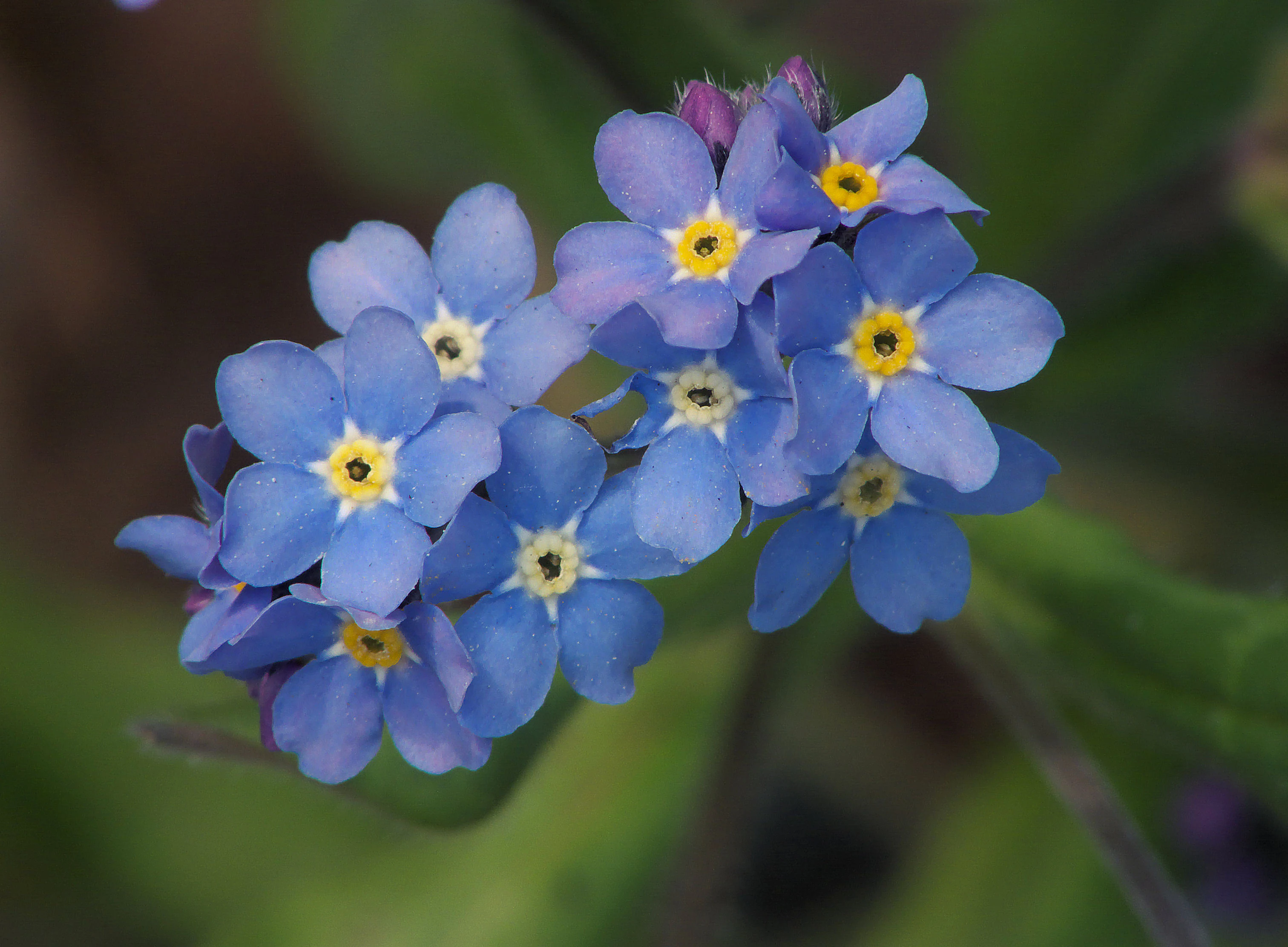
A close-up view of a cluster of blue forget-me-not flowers with bright yellow centers against a soft green blurred background.
Wood forget-me-not (Myosotis sylvatica) found within the nature reserve.

Regional Nature Reserve of the Carrière des Nerviens history and protected-area timeline

The site has a layered human history that begins with late nineteenth-century industrial quarrying. The Famennian sandstone and arkose deposit was first exploited by the firm Chevallier & Cie near the end of the 1800s, employing around 70 workers including 25 miners. At its peak in 1909 the quarry produced large quantities of macadam, ballast, and paving stones, all shaped by hand using traditional tools such as the masse and the refenderesse.

Quarrying ended in the early 1960s when the quality of the stone declined. Between 1971 and 1978 the pit was progressively backfilled with Cenomanian and Turonian marns from the nearby Bellignies quarry, a process that laid the chemical groundwork for the unusual flora of today. By the late twentieth century the site had been fully recolonized by spontaneous vegetation, developing into a mosaic of herbaceous, shrubby, and wooded strata.

In 2001 a local landowner alerted the CPIE Bocage de l'Avesnois to the botanical richness of the former quarry. The association then carried out the first inventories, acquired about 85 percent of the site by 2003, and implemented initial ecological management work. After years of planning and a first management plan (2003-2007), the regional council formally classified the area as a regional nature reserve on 25 May 2009, granting a twenty-year agrément. A 2015 agreement extended ecologically managed land across the railway line, bringing the total area under conservation management to about 3.87 hectares.

Regional Nature Reserve of the Carrière des Nerviens landscape and geographic character

The reserve occupies a gently undulating part of the Bavay valley, with elevations between roughly 110 and 115 meters and a modest north-to-south drop of about five meters. A small mound in the northwest corner, formed by accumulated quarry spoil, rises about six meters above the nearby path and has itself been recolonized by vegetation.

Geologically, the site is unusually rich for its size. It exposes Famennian arkoses and psammites, Frasnian reef limestones full of brachiopod and coral fossils, Cenomanian and Turonian marls and conglomerates with reworked Paleozoic pebbles, and a final Neogene loess cover containing flint and fragments of Roman pottery. These Paleozoic rocks are part of the eastern flank of the Mélantois anticline, where Cretaceous cover thins and locally disappears, revealing the older Hercynian basement lifted by a horst-type structure.

The hydrological setting is subtle. The reserve sits above the small Bavay stream, a tributary of the Hogneau, but is not in contact with running water. It depends entirely on precipitation, retained by the marly soils, which explains both the calcareous character of the flora and the particular balance of moisture across the site.
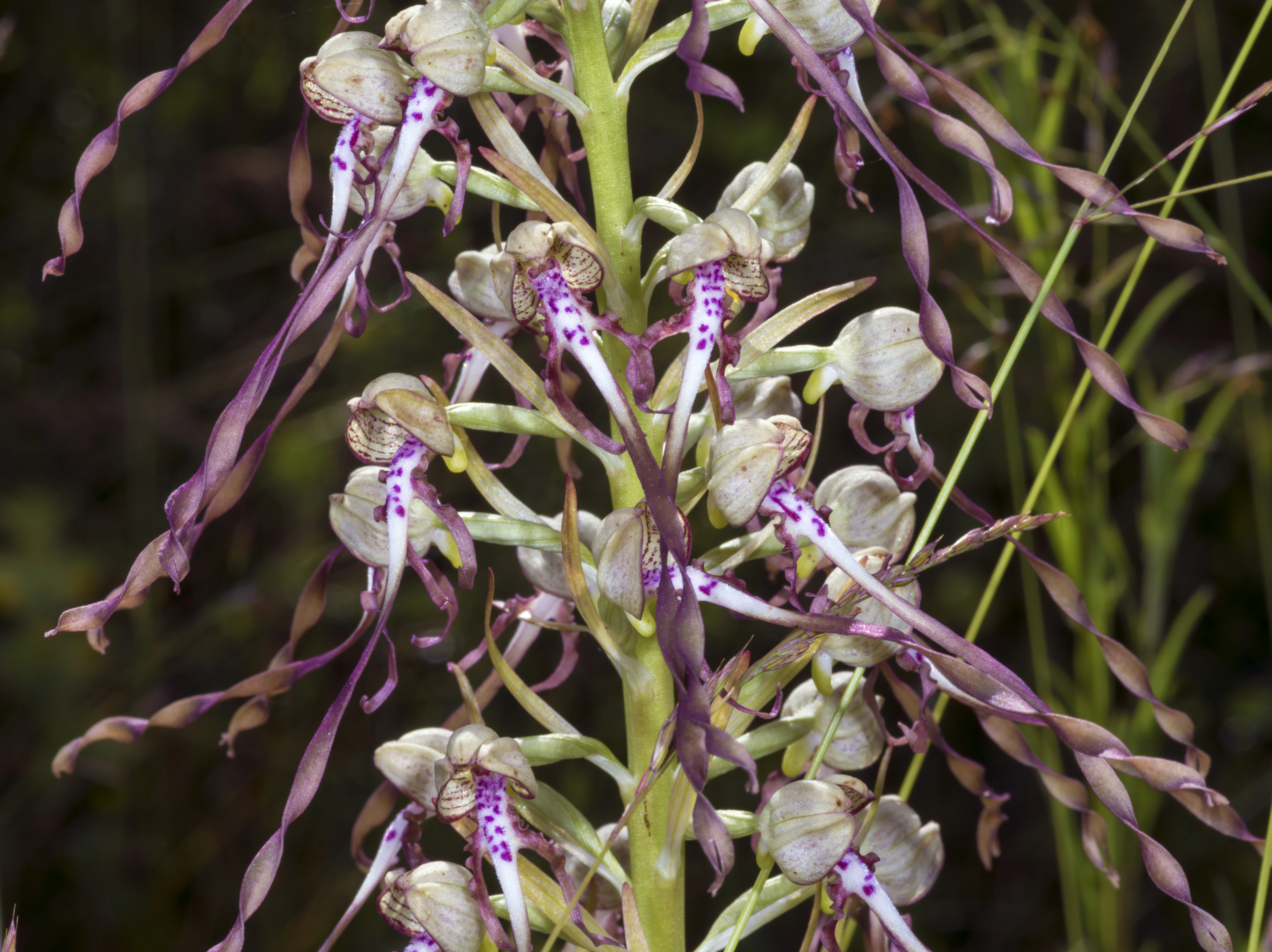
A close up shot of a Lizard Orchid flower stalk showing its twisted purple and white petals and spotted, elongated lower lips.
A close up view of the Lizard Orchid, a rare species found in the nature reserve.

Regional Nature Reserve of the Carrière des Nerviens ecosystems, habitats, and plant life

Ecologically, the reserve is defined by a habitat mosaic of seventeen plant formations compressed into about three hectares, broadly grouped into open herbaceous zones, scrubby areas, and wooded patches. This mosaic is the principal reason for the site's protection and is increasingly rare in the region as landscapes homogenize.

Three vegetation types are listed under Annex I of the European Habitats Directive: a shaded rock-slope community with hart's tongue fern, a megaherb formation dominated by hybrid butterbur, and a woodland-edge community with red campion and wood forget-me-not. Additional formations, including mesophile woodland edges and oak-hornbeam woodland, are considered determinant in the regional ZNIEFF inventory.

Flora diversity is striking for such a small area, with 171 vascular plant species recorded, including fifteen of heritage interest. The botanical richness is driven by the calcium-rich soils and a transitional climate that mixes oceanic and semi-continental signals, allowing Atlantic species like bluebell and continental species like hybrid butterbur to coexist near the edges of their ranges. Bryophyte surveys have added species such as Mnium stellare, considered endangered on the regional red list, and mycological inventories have documented over 115 fungal species.
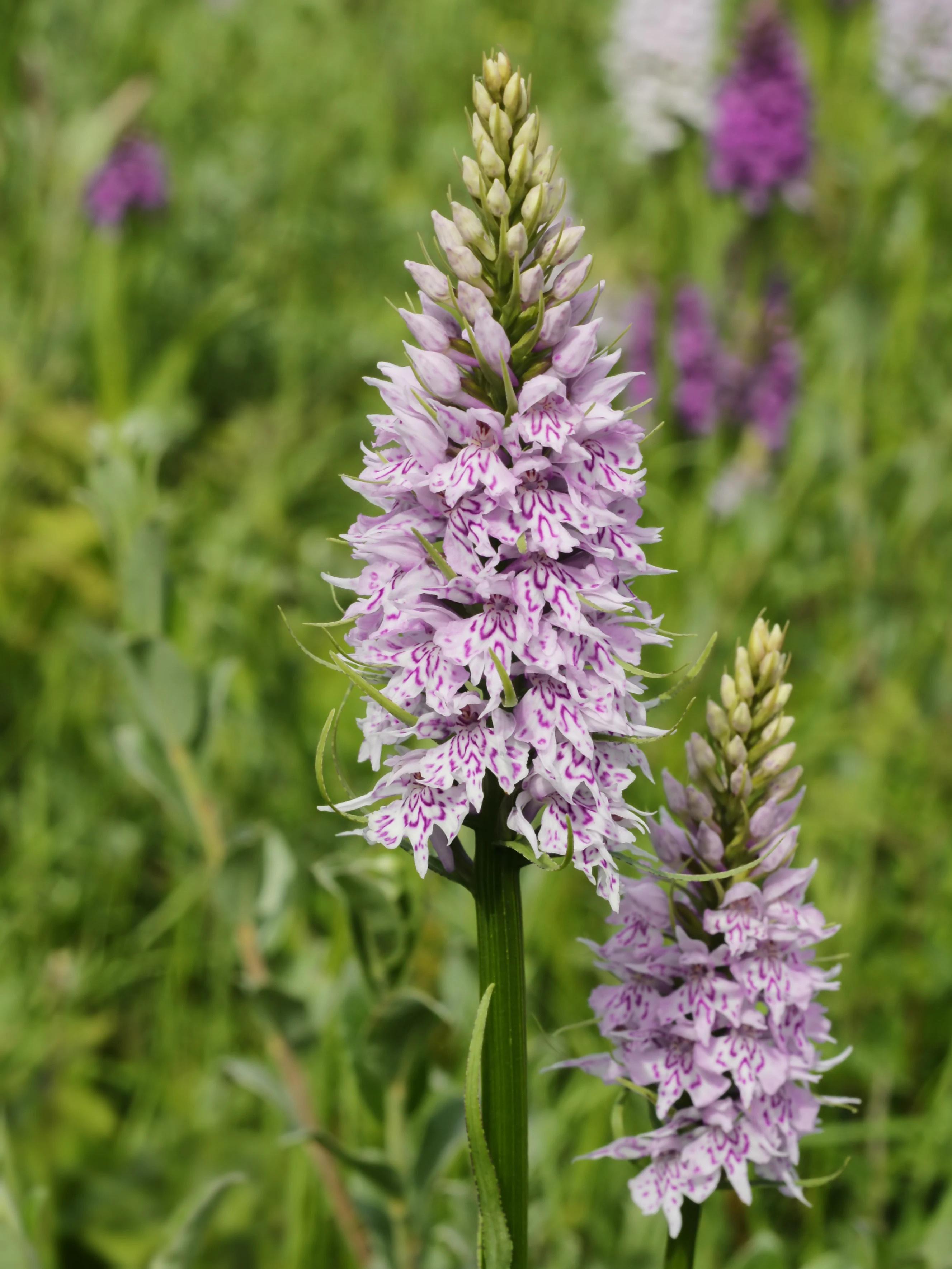
Close-up of two flowering spikes of common spotted orchids, featuring pale pink petals with purple spots, set against a blurred green meadow background.
Common spotted orchids blooming in the reserve.

Regional Nature Reserve of the Carrière des Nerviens wildlife and species highlights

The fauna of the reserve is, in the words of its managers, mostly common but ecologically meaningful. Mammals include red fox, red squirrel, hare, European rabbit, mole, wood mouse, bank vole, and field vole. Daubenton's bat and the common pipistrelle regularly hunt over the site but do not roost there, as the trees are too young and old structures too few to offer stable shelters.

Birdlife is more diverse than the small size would suggest, with 42 species recorded and 25 confirmed as breeding. Raptors such as the northern goshawk and Eurasian sparrowhawk take advantage of the rich passerine community, while species like the grasshopper warbler use the site as a migratory stopover and the Eurasian woodcock winters there. The common nightingale breeds occasionally.

Reptiles and amphibians are represented by a small but characteristic set: common toad and common frog, which use the site for hibernation or during migrations, the viviparous lizard, common wall lizard, and slow-worm. Invertebrate diversity is also notable, with 23 butterfly, 105 moth, and 9 orthopteran species, including the holly blue, the sickle-bearing bush-cricket, and the slender groundhopper Tetrix tenuicornis, all considered heritage species in the regional context.
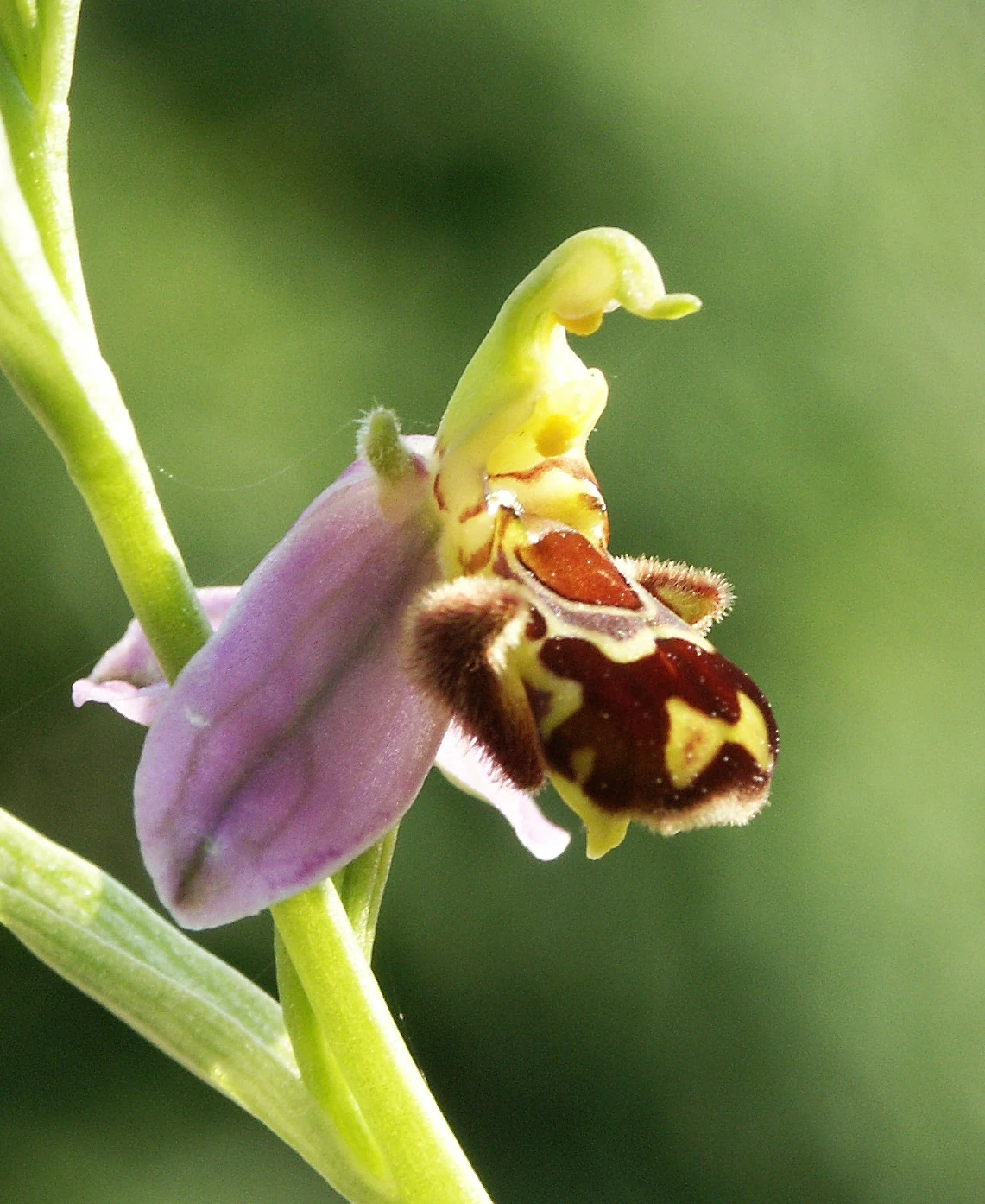
A close-up side view of a bee orchid flower featuring purple sepals and a distinctive fuzzy, brown and yellow patterned labellum against a soft green background.
A close-up view of a bee orchid (Ophrys apifera) flower, a notable species found in the reserve.

Regional Nature Reserve of the Carrière des Nerviens conservation status and protection priorities

The reserve carries IUCN Category IV status as a habitat and species management area, and is part of a wider framework of regional and European conservation tools, including ZNIEFF type I and type II inventories and its inclusion in the local green corridor. Its core conservation challenge is preserving the delicate balance of open, pioneer woodland, shrubby, and forest habitats against the natural tendency of the site to evolve toward mature forest.

Land acquisition by the CPIE, regular brushing work, selective clearing, and targeted mowing all aim to keep open herbaceous zones where orchids, ground beetles, and rare butterflies can persist. A second priority is the ongoing fight against invasive plants, particularly Japanese knotweed, common calamagrostis, Canadian goldenrod, American asters, and spreading bramble thickets, all of which require manual or differentiated mechanical control.

Beyond these site-level actions, the reserve contributes to broader ecological connectivity in the Avesnois. It sits between the Belgian Natura 2000 site Haut-Pays des Honnelles, the Hogneau valley ZNIEFF, the Bellignies quarry with similar ecological conditions, and the large Forêt de Mormal to the south, with a disused railway line and the Bavay stream providing physical corridors for wildlife movement.

Regional Nature Reserve of the Carrière des Nerviens cultural meaning and human context

The reserve carries a strong cultural resonance through its name, which deliberately echoes Bagacum Nerviorum, the Roman capital of the Nervii, a Belgic tribe whose territory included what is now Bavay. This naming choice links the post-industrial ecological recovery of the site with the deeper Gallo-Roman heritage of the region, a heritage materialized in the nearby archaeological site of Bagacum and the adjacent Château de Rametz.

The reserve is also embedded in the working agricultural and craft landscape of the Avesnois. Quarrying heritage, traditional masonry tools, and the local tradition of volunteer chantiers nature connect modern conservation work to the region's rural community life. Environmental education programs run with agricultural high schools and the wider public reinforce this cultural dimension, framing the reserve as both a scientific and a community resource.
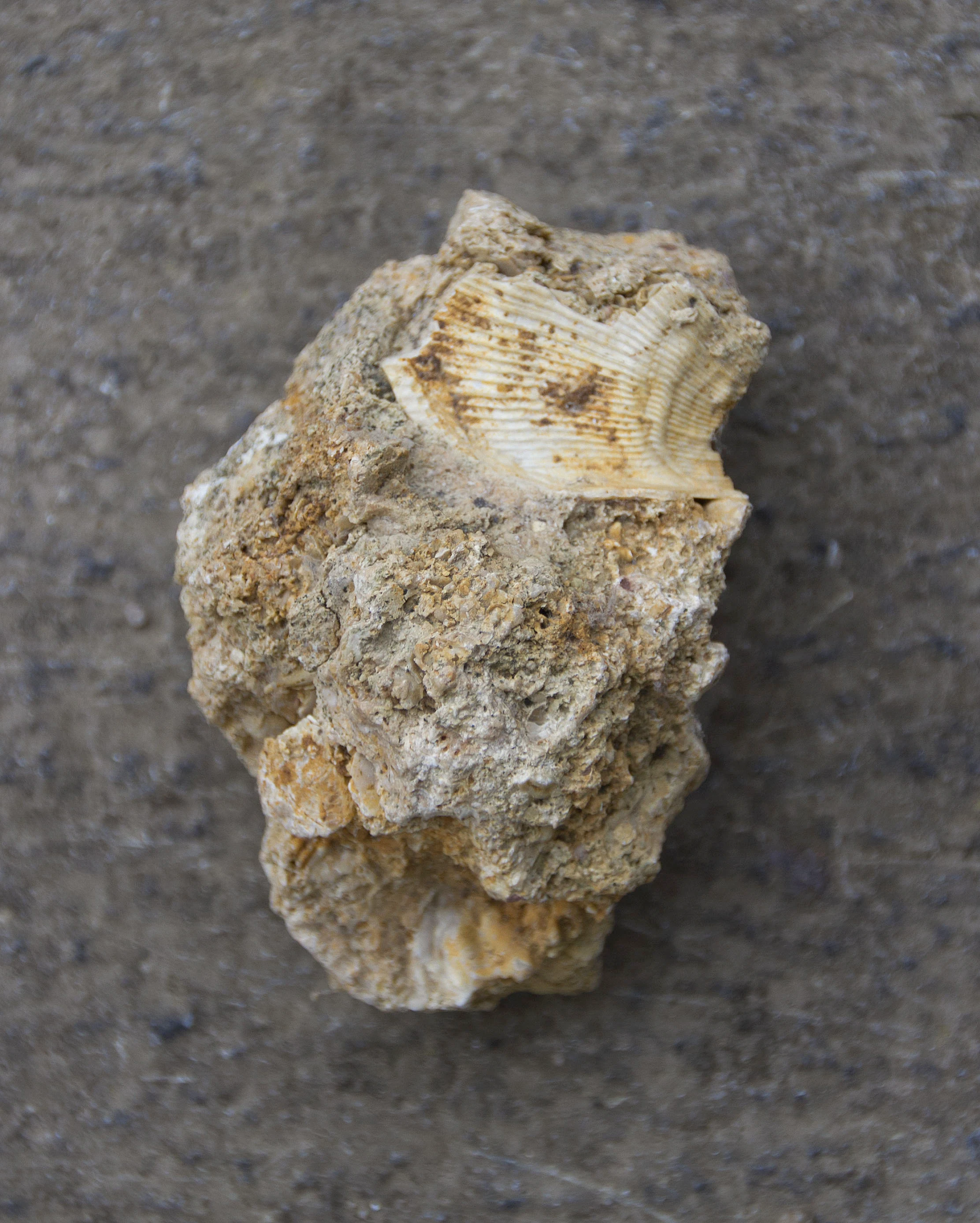
A close-up view of a rough, tan-colored rock fragment with a visible ribbed fossil imprint on its surface, set against a dark gray background.
A sample of Tourtia geological formation showing fossilized remains found in the Carrière des Nerviens.

Top sights and standout views in Regional Nature Reserve of the Carrière des Nerviens

A defining highlight of the reserve is the way a small former quarry has become a dense mosaic of seventeen plant formations, including three Habitat Directive types, on only about three hectares. Among these, the shaded rock-slope community with hart's tongue fern and the hybrid butterbur megaherb formation are considered exceptional in Nord-Pas-de-Calais.

Equally noteworthy are the botanical treasures: seven regionally protected plants, a regionally endangered moss, and a striking fungus checklist, including several species on the regional red list. The site's good integration in the regional green corridor and its partnership with the CPIE Bocage de l'Avesnois make it both a conservation laboratory and a model of community-based habitat management.
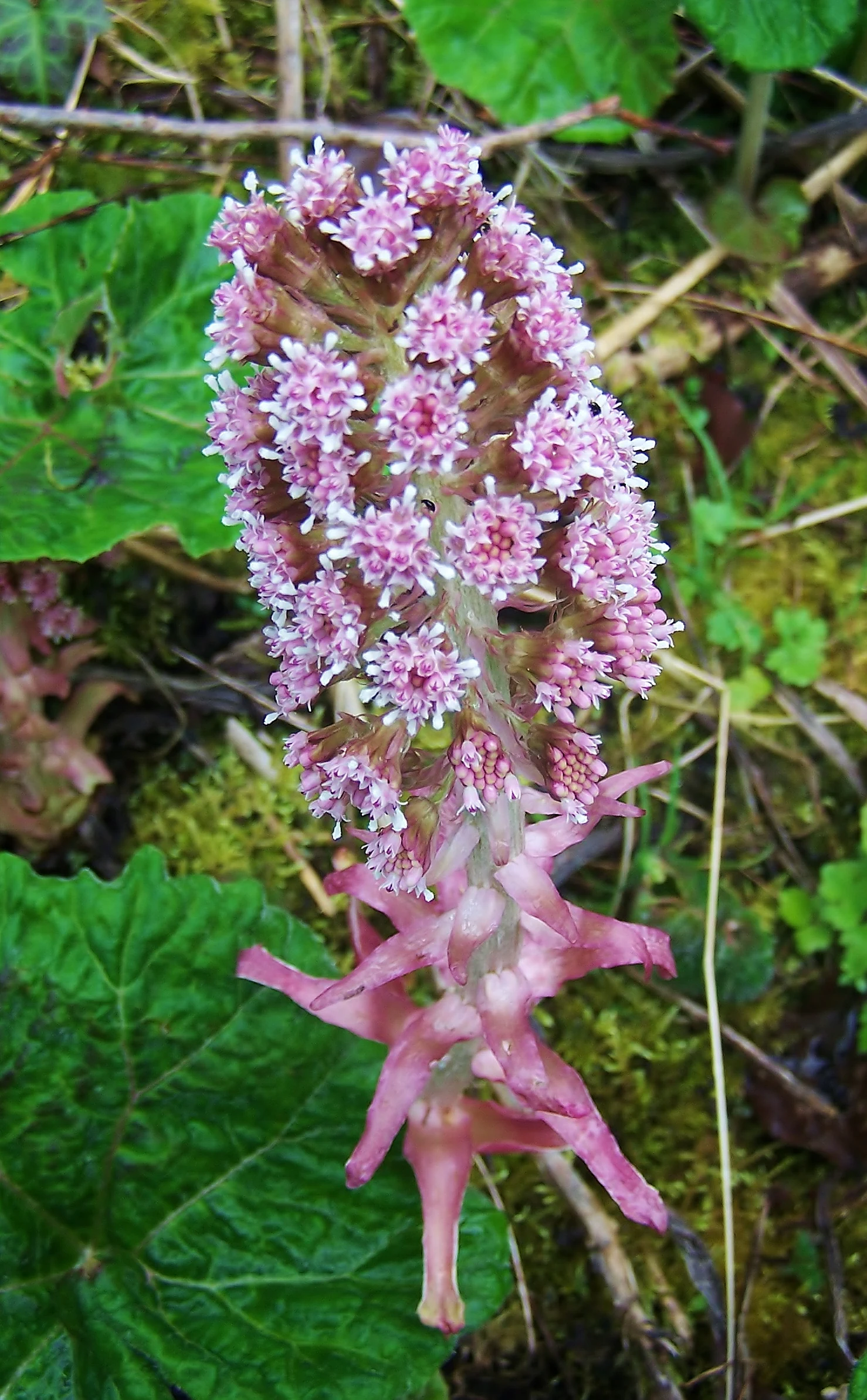
A close up view of a pink butterbur flower stalk rising from the ground, surrounded by broad green leaves and grass.
A blooming butterbur (Petasites hybridus) specimen found within the reserve.

Best time to visit Regional Nature Reserve of the Carrière des Nerviens

The reserve's vegetation is most expressive in late spring and early summer, when the open herbaceous zones come into flower, orchids such as the pyramid orchid, bee orchid, and man orchid are in bloom, and butterflies of the pioneer meadows are most active. Spring is also a good moment for woodland-edge flora, including bluebell, wild daffodil, and lily of the valley on the older, wooded side of the reserve.

Autumn offers a different appeal for those interested in fungi and bryophytes, with documented peaks in mushroom fruiting and easy moss-spotting on rocks and wood. Because the site is small, fragile, and primarily a conservation zone, visits are generally limited to guided outings and volunteer work days rather than free public access, so timing seasonal interest should be paired with available program dates.
Monthly climate preview

Long-term representative point measurements tracking monthly temperature and precipitation variation

Climate Normals and Annual Temperature Rhythm for Réserve naturelle régionale de la carrière des Nerviens

Representative coordinates record measured monthly temperature ranges alongside consistent daily precipitation patterns from 1991 through 2020. Examining the full twelve-month profile reveals detailed baseline climate normals across the protected area.
Annual mean10 °C
2 °C18 °C
Jan
Feb
Mar
Apr
May13°
Jun16°
Jul18°
Aug18°
Sep15°
Oct11°
Nov
Dec
Warmest month
July

18.1 °C

Coolest month
January

2.5 °C

Wettest month
December

2.6 mm/day

Driest month
April

1.5 mm/day

Park location guide

Geography guide, regional context, and park location map for Regional Nature Reserve of the Carrière des Nerviens

Regional Nature Reserve of the Carrière des Nerviens park geography, regions, and map view in France

Understand where Regional Nature Reserve of the Carrière des Nerviens sits in France through a broader geographic reading of the surrounding landscape, nearby location context, and its mapped position within the national park landscape.

How Regional Nature Reserve of the Carrière des Nerviens fits into France

France is a unitary semi-presidential republic and one of the world's largest economies. It borders Belgium, Luxembourg, Germany, Switzerland, Italy, Monaco, Andorra, and Spain, with a maritime border to the United Kingdom. The country is known for its cultural influence, art, cuisine, and political history spanning centuries.

Wider geography shaping Regional Nature Reserve of the Carrière des Nerviens in France

France is located in Western Europe. Metropolitan France extends from the Rhine to the Atlantic Ocean and from the Mediterranean Sea to the English Channel and North Sea. The country borders Belgium, Luxembourg, Germany, Switzerland, Italy, Monaco, Andorra, Spain, and has a maritime border with the United Kingdom.

Map view of Regional Nature Reserve of the Carrière des Nerviens

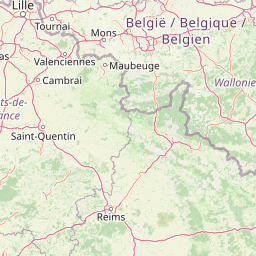
Use this park location map to pinpoint Regional Nature Reserve of the Carrière des Nerviens in France, understand its exact geographic position, and read its mapped placement within the surrounding landscape more clearly.

Pigeon | © OpenStreetMap contributors

Location context for Regional Nature Reserve of the Carrière des Nerviens

Hauts-de-France
Recorded earthquake history

View Historical Earthquake Records for Réserve naturelle régionale de la carrière des Nerviens

Examine the historical catalogue of recorded seismic events associated by proximity with Réserve naturelle régionale de la carrière des Nerviens. This MoriAtlas resource provides a transparent, data-focused look at earthquake history in the surrounding landscape to support your geographic exploration.

Réserve naturelle régionale de la carrière des Nerviens Earthquake History

Catalogued events

15 events

Strongest magnitude

Magnitude 5.5

Most recent event

Jul 14, 2008

This history includes earthquakes recorded inside the park or within 50 km of its borders

Visualizing the habitats, terrain, and protected landscape character of the reserve

Réserve naturelle régionale de la carrière des Nerviens Photos and Landscape Scenery

Visual documentation captures the diverse habitat mosaic, pioneer woodland, and calcium-rich terrain defining the protected area. Examining these environmental views provides a clearer understanding of the geological formations and botanical communities spanning the former quarry.

A close-up view of a cluster of blue forget-me-not flowers with bright yellow centers against a soft green blurred background.

Close-up of a slow worm's head showing brown, mottled scales and a dark eye, positioned just above green moss.

A close up shot of a Lizard Orchid flower stalk showing its twisted purple and white petals and spotted, elongated lower lips.

Close-up of two flowering spikes of common spotted orchids, featuring pale pink petals with purple spots, set against a blurred green meadow background.

A close-up side view of a bee orchid flower featuring purple sepals and a distinctive fuzzy, brown and yellow patterned labellum against a soft green background.

A close-up vertical shot of a Pyrola rotundifolia flower stalk, featuring multiple delicate white cup-shaped blossoms with visible reddish styles, surrounded by green foliage and thin dry stalks.

A close-up view of a rough, tan-colored rock fragment with a visible ribbed fossil imprint on its surface, set against a dark gray background.

A close up view of a pink butterbur flower stalk rising from the ground, surrounded by broad green leaves and grass.

A vintage black and white postcard shows a sandstone quarry with industrial equipment, including a tall smokestack and a mechanical hoist structure, set against rocky cliffs and surrounded by trees.

A wide panoramic photograph showing a clearing surrounded by dense shrubbery and small trees under a blue sky.

A sunny, open landscape with scattered trees, shrubs, and grassy meadows under a clear blue sky, with a small weathered post in the lower right foreground.

A group of adults and a child gathered in a grassy clearing with a wooded background, listening to a guide during an outdoor nature tour.

Park atlas

Compare surrounding protected landscapes and neighboring reserves across northern France.

Parks Near Réserve naturelle régionale de la carrière des Nerviens and Regional Protected Areas

Browse nearby protected areas and regional reserves to compare limestone habitats across the surrounding valley terrain. Continuing into adjacent natural sites reveals broader ecological patterns and regional conservation corridors beyond individual quarries.
A wide watercolor illustration showing a calm river reflecting pink and yellow hues, bordered by green trees and vegetation on both banks.
Nature reserveHauts-de-France
4.2 km away#1 closest

Northwest

Réserve naturelle régionale du bois d'Encade: Protected Woodland and Quarry Mosaic

Regional Nature Reserve in the Hauts-de-France river valley.

Spanning a compact stretch of the Hogneau valley, this nature reserve protects diverse habitats including fern-rich rock crevices and mature forest stands. The site represents a crucial ecological stepping stone that provides refuge for numerous bird, bat, and invertebrate species within a heavily cultivated agricultural corridor of northern France.

Area
0.021 km²
Established
2001
IUCN
IV
Relief
Lowland
Nature reserveHauts-de-France
9.3 km away#2 closest

Southeast

Réserve naturelle régionale de Pantegnies: Protected Landscape and Regional Map Overview

A managed nature reserve in the Hauts-de-France region

Réserve naturelle régionale de Pantegnies covers 37 hectares of protected terrain near Pont-sur-Sambre. This IUCN Category IV site serves as a vital anchor for regional biodiversity management, offering a clear case study in the preservation of northern French landscapes through formal regional nature reserve status.

Area
0.37 km²
Established
2013
IUCN
IV
Scope
Terrestrial
A horizontal watercolor illustration depicting rolling green hills, meadows, and a small stream or body of water.
Protected landscapeProvince de Hainaut
About 11 km away#3 closest

Northeast

Parc naturel des Hauts-Pays: Geography and Protected Landscape Analysis

Tracing the forest corridors and river valleys of the Walloon region

Situated along the Franco-Belgian border, Parc naturel des Hauts-Pays offers a rare look at an intact bocage and forest landscape. The area is defined by the Grande Honnelle river valley, calcareous grasslands, and high-quality broadleaf woods. Its unique geographic location acts as a critical refuge for rare plant species and preserves a traditional rural identity that has survived across a complex watershed divide.

Area
157 km²
Established
2000
IUCN
V
Protected areaNord
14 km away#4 closest

Northwest

Vallées de la Scarpe et de l'Escaut Protected Landscape Geography and Map Context

Wetland mosaic, subsidence lakes, and river floodplains in Nord

Examine the physical geography of the Scarpe and Escaut Valleys, a premier wetland site in northern France. The protected area features a mosaic of marshes, wet meadows, and mining-subsidence lakes that provide vital habitats for migratory waterbirds and support carbon storage through rare alkaline peatlands.

Area
276.22 km²
Established
2020
Relief
Lowland
Scope
Terrestrial
A watercolor painting showing a soft, panoramic landscape with green hills in the distance, a meandering stream in the foreground, and grassy banks with subtle pink floral highlights.
Nature reserveHauts-de-France
16 km away#5 closest

South

Réserve naturelle régionale des Prairies du Val de Sambre: Regional Nature Reserve Atlas

Wetland floodplain meadows in the middle Sambre valley

The Réserve naturelle régionale des Prairies du Val de Sambre protects essential wet grassland habitats in northern France. Spanning approximately 49 hectares along the canalised Sambre, this protected area maintains traditional meadow systems that support wetland-dependent species; it represents a key junction in the regional landscape between the Mormal forest and Thiérache bocage.

Area
0.494 km²
Established
2012
IUCN
IV
A watercolor painting of a pastoral landscape featuring a grassy foreground with a small pool of water, a line of trees, and soft hills in the background.
Protected landscapeHainaut
About 25 km away#6 closest

Northwest

Parc naturel des Plaines de l'Escaut: Geographic Overview of the Hainaut Protected Area

Scheldt valley wetlands, forested ridges, and historical landscape estates.

Located in the Hainaut province of Belgium, Parc naturel des Plaines de l'Escaut protects a complex mosaic of lowlands and heritage sites. This area integrates wetlands, heathland openings, and castle estates within a heavily humanized region. Learn about its role as a cross-border protected entity and its contribution to the pan-European ecological network through its varied terrain and water-dominated geography.

Area
465 km²
Established
1996
IUCN
V
Relief
Lowland
Protected areaHauts-de-France
About 25 km away#7 closest

Southwest

Neuvilly Protected Area: Geography, Mapped Boundaries, and Regional Landscape Context

A detailed geographic overview of protected lands in Hauts-de-France.

Gain insights into the Neuvilly protected area through detailed mapping and geographic analysis. This resource provides a clear breakdown of the site footprint and its place within the Hauts-de-France landscape, ensuring a structured understanding of its ecological boundaries and regional significance for mapping and environmental study.

Area
0.193 km²
Established
1990
Climate
Temperate
Scope
Terrestrial
Nature reserveHauts-de-France
39 km away#8 closest

Southeast

Réserve naturelle régionale des monts de Baives: Protected Limestone and Calcareous Landscapes

Ecological geography and regional conservation map context

Encompassing roughly 19 hectares, the Réserve naturelle régionale des monts de Baives protects a specialized ecosystem at the edge of the Ardennes foothills. The site is recognized for its south-facing limestone slopes, orchid-rich grasslands, and historical quarry habitats that support regional bat colonies and unique botanical species.

Area
0.188 km²
Established
1996
IUCN
IV
Relief
Upland

Common questions about visiting, size, designation, and location context for Regional Nature Reserve of the Carrière des Nerviens

Regional Nature Reserve of the Carrière des Nerviens FAQs for park facts, access, geography, and protected area context

Find quick answers about Regional Nature Reserve of the Carrière des Nerviens, including protected-area facts, park geography, trail and visitor context, and how the park fits into its surrounding country and regional landscape.
MoriAtlas Explorer

Continue Your Protected Areas Search Across the Global Atlas

Deepen your exploration by continuing the structured search for national parks and protected areas worldwide. Utilize the comprehensive filtering capabilities to compare different conservation landscapes and refine your understanding of global park geography. Discover more about the distribution and characteristics of protected natural areas.

Global natural geography