Why Réserve naturelle régionale du site de Saint-Cyr stands out
The reserve is best known for its network of ponds, reedbeds, small islands, and alluvial woodlands forming a wetland complex along the Clain river. This mosaic provides a key stopover point for migratory birds moving along the corridor between the Loire and the Atlantic coast. Its ecological value comes from the diversity of habitats concentrated in a relatively small area, including three habitats of community interest. Inventories have recorded a substantial number of plant species, several of which hold regional heritage value, reinforcing the site's role as a small but ecologically dense natural area within an otherwise heavily used rural and recreational landscape.
Réserve naturelle régionale du site de Saint-Cyr history and protected-area timeline
The current nature reserve is the product of an industrial past and a long ecological recovery. The area was originally an aggregate extraction site in the floodplain of the Clain river, where gravel and similar materials were quarried for use in nearby construction projects, including works linked to the Futuroscope development.
After extraction ceased, the disturbed ground was gradually recolonized by vegetation, while the workings themselves filled with water, generating an accidental mosaic of ponds, marshy zones, and disturbed ground that evolved over time into a habitat-rich wetland complex. The site's combination of floodplain geology, varied water depths, and minimal subsequent disturbance allowed it to develop into a refuge for plants and birds far more diverse than the surrounding agricultural land.
The conservation value of the site was eventually formalized when the Conseil régional classified it as a regional nature reserve through a deliberation of 20 June 2022. Since then, the reserve has operated as a managed protected area, balancing ecological preservation with public engagement through the surrounding leisure infrastructure.
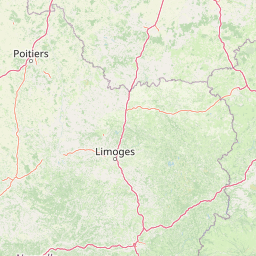
Réserve naturelle régionale du site de Saint-Cyr landscape and geographic character
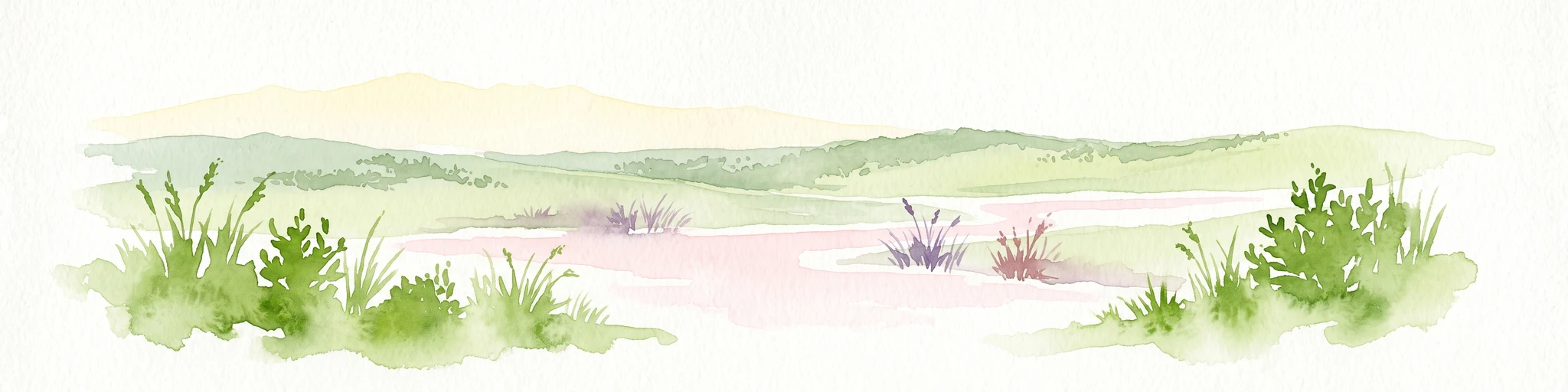
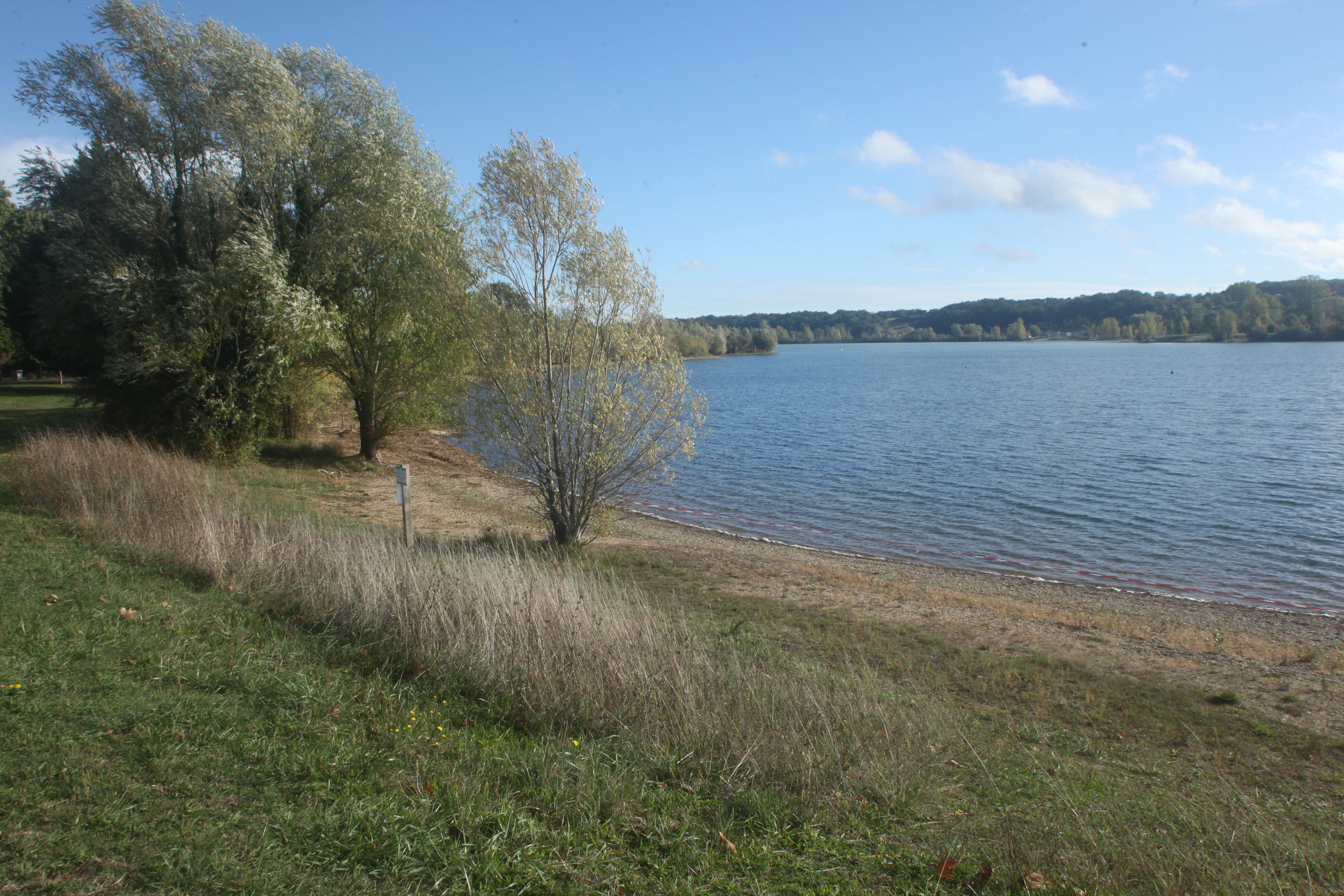
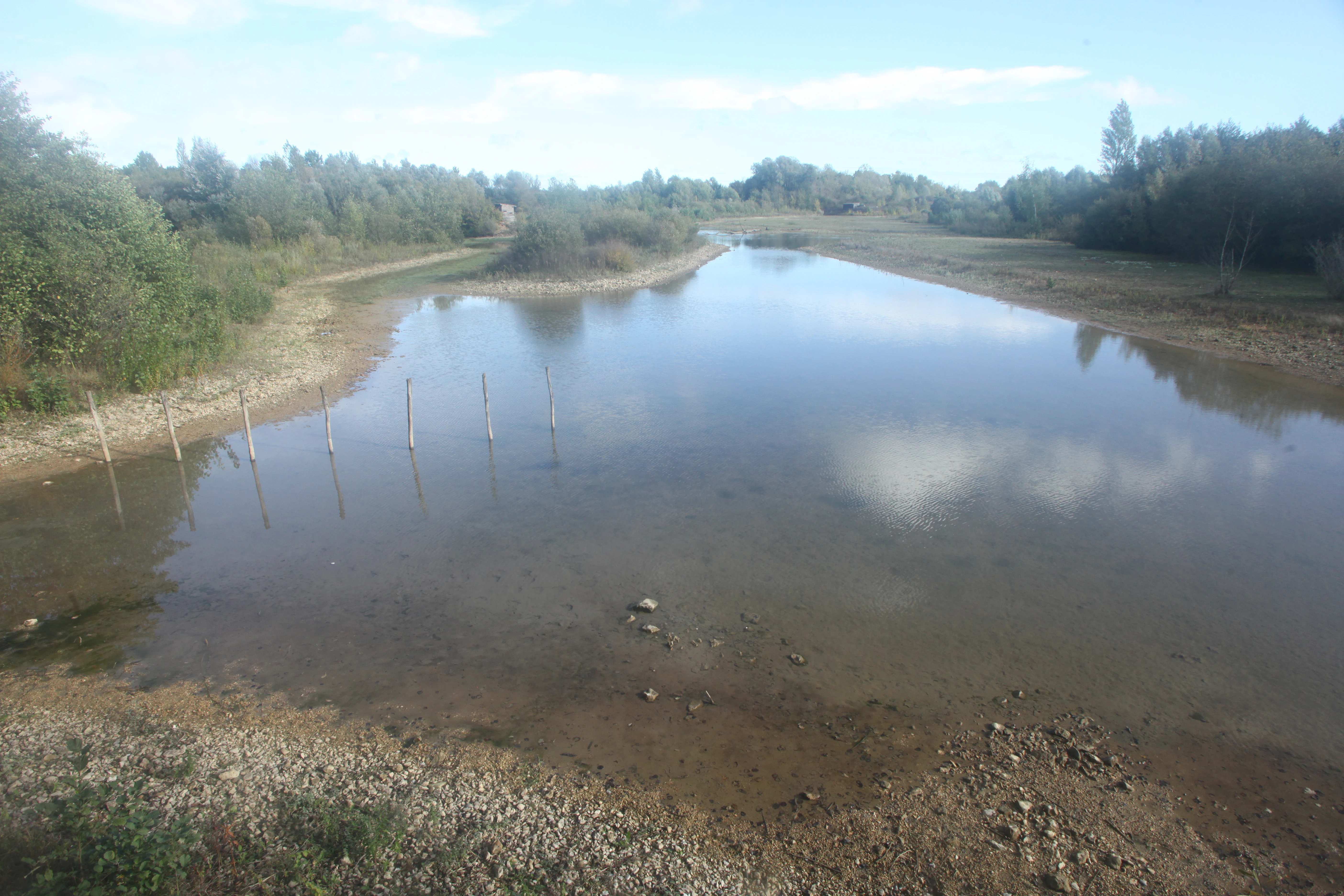
The reserve occupies a low-lying strip of floodplain in the Clain valley, where former quarry basins now form a network of still water bodies interspersed with emergent vegetation. The terrain is largely flat and water-influenced, shaped by the river's historical flooding patterns.
Scattered across the water bodies are small islands, marshy margins, and belts of reeds, while surrounding areas support alluvial woodlands that reflect the periodic influence of the river. The resulting landscape is one of soft horizons, shallow water edges, reedy fringes, and wooded patches, blending the visual character of a working leisure park with the quieter atmosphere of a wetland refuge.
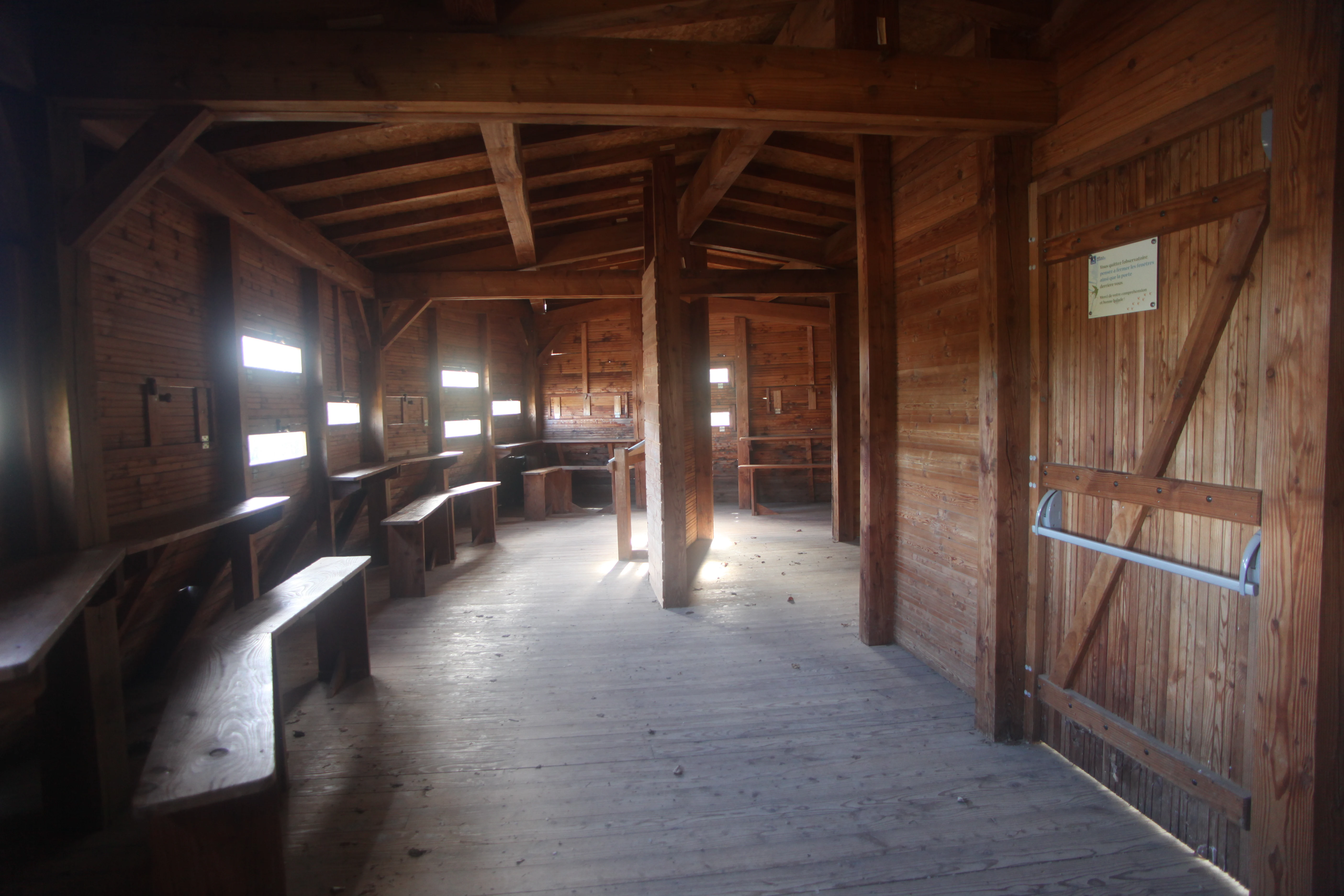
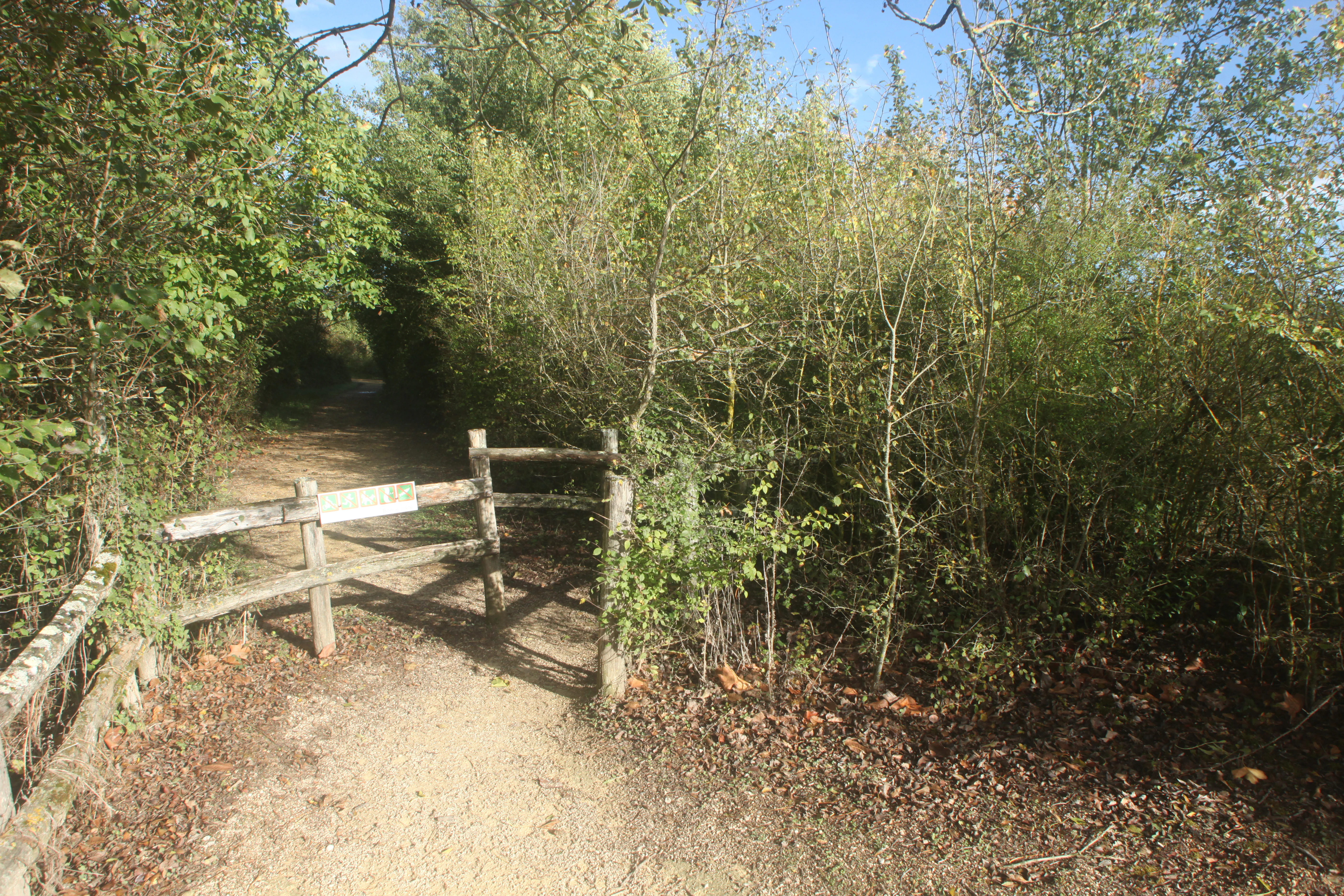
Within this setting, the contrast between open water surfaces, vertical reed stands, and enclosed woodland creates a varied microtopography that is felt at close range even though the relief of the wider area is gentle. The presence of bird observation hides and discovery trails emphasizes the modest scale of the site, where landscape appreciation happens primarily through water-level views and intimate encounters with wetland vegetation.
Réserve naturelle régionale du site de Saint-Cyr ecosystems, habitats, and plant life
Ecologically, the reserve is dominated by wetland habitats. The 14 recorded natural habitats include open water, marsh zones, reedbeds, small insular formations, and alluvial woodlands, three of which are recognized as habitats of community interest under European habitat classification frameworks.
This concentration of habitats gives the reserve an outsized ecological role relative to its modest surface area. The interplay between permanent water, seasonal flooding from the Clain, and successional alluvial forest produces a dynamic environment where plant and animal communities shift in response to water levels and seasons.
The flora of the reserve is particularly notable, with inventories documenting around 293 plant species, including several species of regional conservation interest such as the snake's head fritillary, the large naiad, and the small naiad. These sensitive aquatic and meadow species benefit from the reserve's relatively undisturbed water margins and its hydrological stability, marking the site as an important refuge for wetland flora in the Vienne.
Réserve naturelle régionale du site de Saint-Cyr wildlife and species highlights
Despite its small size, the reserve holds considerable value for fauna, especially birds. Its position along the migratory corridor between the Loire and the Atlantic coast makes it an important stopover site, providing resting and feeding habitat for waterbirds that travel between the interior of France and the coast.
The combination of open water, sheltered bays, reedbeds, and alluvial woodland creates a habitat mosaic attractive to a wide range of birdlife, including species that favor shallow water, species that nest in reeds and islands, and woodland-associated species. Beyond its ornithological significance, the reserve's mix of aquatic and terrestrial habitats supports broader faunal communities, including freshwater invertebrates and other wetland-dependent animals, although detailed faunal inventories remain partial.
Réserve naturelle régionale du site de Saint-Cyr conservation status and protection priorities
The reserve's establishment in 2022 recognized that a former extraction site along the Clain had, through ecological succession, acquired conservation value disproportionate to its small size. Protecting this area is a way of locking in the biodiversity that has developed naturally on disturbed land and preventing its loss to redevelopment or intensive land use.
Its classification as a regional nature reserve, categorized under IUCN Category IV, places it within a framework dedicated to the conservation of habitats and species through targeted management. The reserve's ecological profile, including habitats of community interest and plant species of regional heritage value, gives it a meaningful role in regional biodiversity strategies.
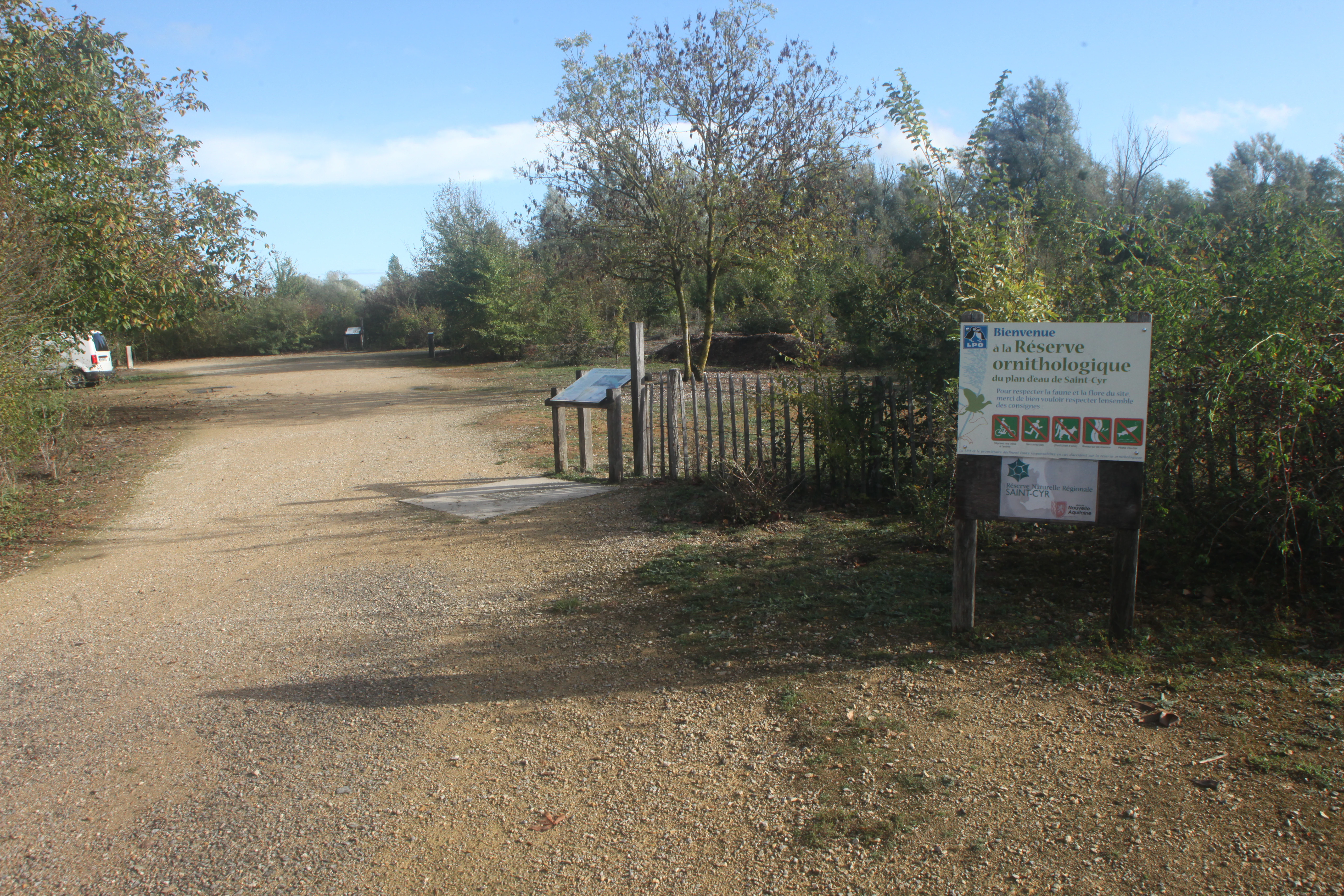
In practical terms, conservation here also means managing the relationship between the protected core and the surrounding leisure park. Visitor infrastructure such as discovery trails and bird observation hides allow the reserve to fulfill educational and recreational functions while keeping disturbance to sensitive areas under control, reinforcing the site's value as a small but well-integrated case of conservation within a heavily visited landscape.
Réserve naturelle régionale du site de Saint-Cyr cultural meaning and human context
The reserve's identity is closely tied to the modern industrial and recreational history of the Beaumont Saint-Cyr area. The quarrying activity that shaped the original landforms supported major local construction projects, including works associated with Futuroscope, one of the region's most prominent cultural and tourism landmarks.
Today, this industrial past has been reframed as an ecological opportunity, and the reserve sits within a broader leisure and cultural identity centered on the Lac de Saint-Cyr. The transition from extraction site to a place of natural heritage and public recreation reflects a regional narrative of converting former extractive landscapes into shared natural spaces.
Top sights and standout views in Réserve naturelle régionale du site de Saint-Cyr
A compact 39-hectare wetland reserve along the Clain river, recognized as a stopover site on the migratory route between the Loire and the Atlantic coast. The reserve combines ponds, reedbeds, small islands, and alluvial woodlands across 14 recorded natural habitats, three of which are habitats of community interest.
Its recent classification in 2022 and its 293 recorded plant species, including several of regional conservation interest, make it a small site with disproportionate ecological significance. The integration of the reserve within a larger leisure park setting adds a distinctive dimension, allowing high visitor engagement without compromising its conservation role.
Best time to visit Réserve naturelle régionale du site de Saint-Cyr
The reserve experiences most of its seasonal variability through water levels and bird activity rather than dramatic landscape shifts. Spring and autumn tend to be the most dynamic periods, as flood pulses from the Clain can reshape water margins, and migratory birds pass through or settle on the ponds and reedbeds.
Summer offers warmer conditions and active vegetation, with the wetland at its most visually lush, while winter can bring quieter scenes with overwintering waterfowl. Because the reserve is integrated within a broader leisure park, surroundings remain accessible through much of the year, though weather conditions can affect trail conditions and visibility from observation hides.