Mori Atlas logo
Nature reserveRezerwat przyrody Jezioro Małe Łowne

Examining the boggy pine forests, mire communities, and post-glacial terrain in northern Poland.

Rezerwat przyrody Jezioro Małe Łowne: A Protected Wetland and Glacial Lake Geography

Rezerwat przyrody Jezioro Małe Łowne stands as a significant protected nature reserve within the Pomeranian Voivodeship, specifically located in the Zaborski Landscape Park. This geography is defined by a small lake undergoing a transformation into a floating bog, surrounded by a mosaic of raised and transitional peatland and boggy coniferous forest. Within the broader Bory Tucholskie region, the protected area showcases a lowland glacial landscape shaped by historic ice sheets, kettle holes, and distinct hydrological connections to the nearby Brda River.

wetland reservepeatlandfloating bogboggy pine forestglacial lakeBory Tucholskie

Rezerwat przyrody Jezioro Małe Łowne

Nature reserve

Park overview

Structured park overview, official facts, and landscape profile for Jezioro Małe Łowne Nature Reserve

Jezioro Małe Łowne Nature Reserve park facts, protected area profile, and essential visitor context

Review the core facts for Jezioro Małe Łowne Nature Reserve, including designation, size, terrain, visitor scale, habitats, and operating context in one park-focused overview.

About Jezioro Małe Łowne Nature Reserve

Jezioro Małe Łowne Nature Reserve sits in the heart of one of Poland's most ecologically significant lowland regions, the Bory Tucholskie, an area shaped by glacial activity and now defined by extensive forests, lakes, and peatlands. The reserve was established on 31 December 1993 through a legal act published in the Polish Monitor of 1994, reflecting recognition of the site as a particularly valuable wetland complex requiring formal protection. Its formal designation is that of a "water nature reserve," a category reserved for sites where aquatic and peat-forming processes are the primary conservation concern.

The reserve sits within the larger Zaborski Landscape Park, which provides a broader framework for landscape-scale protection across this part of pomorskie (Pomeranian Voivodeship). The site lies on the Równina Charzykowska mesoregion, a plain characterized by post-glacial lakes, sandy outwash plains, and extensive mires. Near the reserve, the Brda River flows through the landscape, while Lake Charzykowskie, a much larger body of water, lies to the east. Small settlements such as Babilon and Kopernica are located to the north, anchoring the reserve within a sparsely populated rural setting typical of the Zaborski region.

At the center of the reserve is Lake Małe Łowne, a small lake whose surface is being progressively overtaken by floating bog mat. This natural process, in which Sphagnum and other peat-forming vegetation colonize open water, is one of the defining features the reserve was created to protect. The surrounding forests are dominated by boggy pine woodland, while transitional communities between open water, sedge mires, and drier peatland give the site a richly layered ecological character.

Protection and recognition

Documented terrestrial conservation framework and management scope

Rezerwat przyrody Jezioro Małe Łowne Protection Status and Recognition

Rezerwat przyrody Jezioro Małe Łowne maintains a documented terrestrial protection status within national conservation boundaries. Structured records outline the official designation framework and management scope governing this protected natural landscape.

Protection details

Protection scope
Terrestrial
Transboundary protection
No
Buffer area
1.32 km²
Park context

Deeper park guide and search-rich context for Jezioro Małe Łowne Nature Reserve

Jezioro Małe Łowne Nature Reserve history, landscape, wildlife, and travel context

Explore Jezioro Małe Łowne Nature Reserve through its history, landscape character, ecosystems, wildlife, conservation priorities, cultural context, and seasonal travel timing in a structured park guide built for atlas discovery and search intent.

Why Jezioro Małe Łowne Nature Reserve stands out

The reserve is best known for protecting a small post-glacial lake that is actively transforming into a floating bog, surrounded by boggy pine forest, sedge-moss mires, and raised and transitional peatland communities within the broader Bory Tucholskie region.
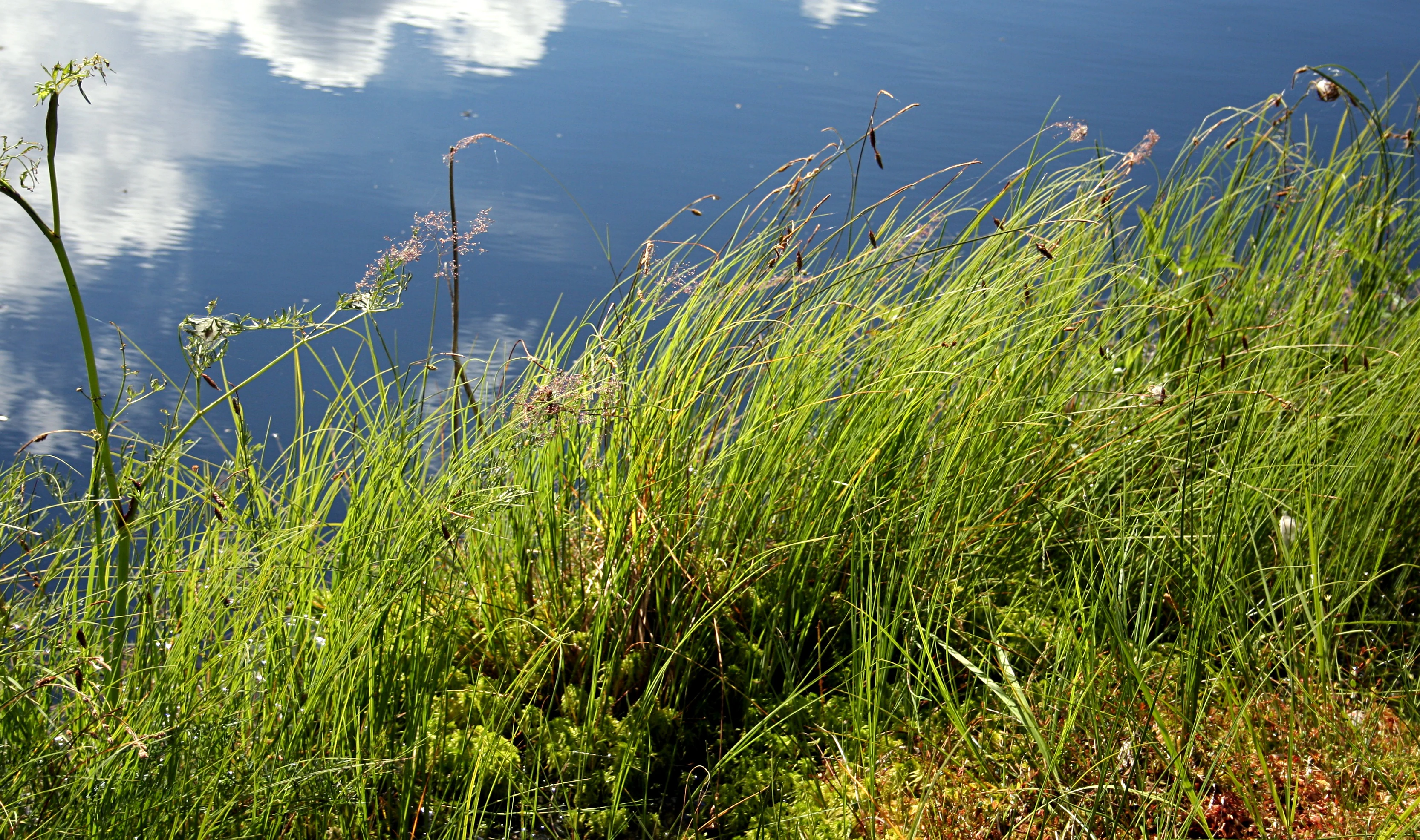
Close-up view of tall green grasses and sedges growing along the water's edge, with the dark surface of the lake reflecting the sky and white clouds.
A plant community, including sedges, growing along the edge of Jezioro Małe Łowne.

Jezioro Małe Łowne Nature Reserve history and protected-area timeline

The nature reserve was formally established on 31 December 1993, with its legal foundation published in the Polish legal journal Monitor Polski in early 1994. Its creation was part of a broader wave of wetland and landscape protection efforts in the Bory Tucholskie region during the post-1989 conservation expansion in Poland, when many previously unprotected peatland and lake systems gained formal recognition. The reserve's inclusion within the Zaborski Landscape Park reflects the layered approach to conservation in this region, combining landscape-scale protection with site-specific reserve designations.

Jezioro Małe Łowne Nature Reserve landscape and geographic character

The landscape of the reserve is defined by lowland glacial topography typical of northern Poland. The terrain is generally flat, shaped by Pleistocene glaciation that left behind a mosaic of small lakes, kettle holes, sandy outwash plains, and extensive peatlands. Lake Małe Łowne sits at the center of the site as a small, shallow body of water flanked by gently sloping peat-dominated shores.

To the west flows the Brda River, a major regional watercourse that drains much of the Bory Tucholskie area. To the east lies the much larger Lake Charzykowskie, providing a hydrological and ecological contrast with the reserve's intimate, mire-enclosed basin. The overall scenery is one of quiet, water-dominated wilderness, with sparse settlement, dense coniferous stands, and open mire communities shaping the visual character of the area.

Jezioro Małe Łowne Nature Reserve ecosystems, habitats, and plant life

Ecologically, the reserve centers on the dynamic transition from open water to peatland. The lake surface is increasingly covered by floating bog mat, or "pło," a community of mosses, sedges, and other mire plants that float on or just above the water, slowly transforming the lake into terrestrial vegetation. Around this floating mat, the reserve protects boggy coniferous forest, characterized by stunted pines growing on waterlogged, peat-rich soils.

Sedge-moss communities, including sedge-dominated swards, form the wetland matrix along the lake margins. The site also contains fragments of raised bog and transitional peatland, both of which are ecologically valuable for their specialized flora and their role in carbon and water storage. Together, these habitats create a fine-scale ecological gradient from open water through floating mat to forested mire, making the reserve a compact but ecologically rich site within the Zaborski Landscape Park.

Jezioro Małe Łowne Nature Reserve wildlife and species highlights

The reserve's wildlife profile is shaped primarily by its wetland and bog forest habitats. Such environments in the Bory Tucholskie region typically support breeding bog-associated birds, amphibians tied to peatland pools, and a range of insects and invertebrates adapted to acidic, nutrient-poor mire conditions. The boggy pine forest surrounding the lake provides habitat for forest-dwelling bird species characteristic of the region.

While the Wikipedia source does not enumerate specific species, the habitat mosaic of lake, floating mat, sedge mires, and boggy forest makes the reserve ecologically significant for the species communities typically associated with these habitat types in northern Poland. The site's value lies less in charismatic large mammals and more in the specialized, often inconspicuous biodiversity of peatland ecosystems.

Jezioro Małe Łowne Nature Reserve conservation status and protection priorities

Conservation significance at Jezioro Małe Łowne rests on the protection of an actively evolving wetland system. The reserve was created specifically to safeguard the lake and its surrounding peat-forming communities from drainage, peat extraction, and other land-use changes that have historically degraded similar sites in Poland. By being designated a "water nature reserve," it receives protection aimed at preserving the natural hydrology and successional processes that sustain the floating bog and peatland communities.

The site's placement within the Zaborski Landscape Park adds a broader layer of landscape-scale protection. Together, the reserve's 37.83-hectare core and its 132.29-hectare buffer zone help maintain ecological continuity in a region where peatlands play a critical role in water retention, biodiversity support, and carbon storage. The combination of formal reserve status and landscape park membership reflects the recognized importance of the Zaborski area as one of Poland's key wetland-forest complexes.

Jezioro Małe Łowne Nature Reserve cultural meaning and human context

The reserve lies within the Bory Tucholskie region, an area historically associated with forest-based livelihoods, small rural hamlets, and a strong identity tied to the surrounding forests and lakes. Settlements like Babilon and Kopernica reflect this pattern of dispersed rural habitation in the forested lowlands of the Chojnice commune. The region's culture has long been shaped by its relationship with the Brda River and the numerous post-glacial lakes, including traditions of fishing, forestry, and seasonal use of the landscape, although the reserve itself is now managed primarily for ecological rather than cultural-heritage purposes.

Top sights and standout views in Jezioro Małe Łowne Nature Reserve

The reserve's main highlights include its floating bog, which is actively transforming the lake into terrestrial mire; its surrounding boggy pine forest; and its combination of raised and transitional peatland habitats within a compact area. Its location within the Zaborski Landscape Park places it in one of Poland's most important lowland conservation landscapes, while its proximity to the Brda River and Lake Charzykowskie anchors it firmly within the broader Bory Tucholskie ecosystem.

Best time to visit Jezioro Małe Łowne Nature Reserve

Late spring through early autumn is generally the best period for experiencing this type of lowland wetland reserve, when milder temperatures make mire and forest walks more accessible and when wetland bird activity is at its peak. Summer brings the most visible development of sedge-moss communities and floating bog vegetation, while autumn can offer quieter conditions for observing the broader Bory Tucholskie landscape. Winter visits can highlight the stark beauty of boggy pine forest, though waterlogged ground and limited access often make the site less approachable during colder months.
Monthly climate preview

Examine long-term representative temperature ranges and monthly precipitation cycles across the protected terrain

Rezerwat przyrody Jezioro Małe Łowne Climate Normals and Annual Weather Patterns

Historical data records sustained sub-zero winter minimums alongside warm summer peaks reaching average maximums above thirty degrees at the representative coordinate. Analyzing the complete twelve-month temperature and precipitation profile provides deeper insight into the regional climate rhythm.
Annual mean8 °C
-3 °C18 °C
Jan-3°
Feb-2°
Mar
Apr
May12°
Jun16°
Jul18°
Aug18°
Sep14°
Oct
Nov
Dec-1°
Warmest month
July

18.3 °C

Coolest month
January

-2.7 °C

Wettest month
July

2.8 mm/day

Driest month
April

1.3 mm/day

Park location guide

Geography guide, regional context, and park location map for Jezioro Małe Łowne Nature Reserve

Jezioro Małe Łowne Nature Reserve park geography, regions, and map view in Poland

Understand where Jezioro Małe Łowne Nature Reserve sits in Poland through a broader geographic reading of the surrounding landscape, nearby location context, and its mapped position within the national park landscape.

How Jezioro Małe Łowne Nature Reserve fits into Poland

Poland, officially the Republic of Poland, is a Central European country spanning from the Baltic Sea in the north to the Carpathian Mountains in the south. It borders Germany, Czech Republic, Slovakia, Ukraine, Belarus, Lithuania, and Kaliningrad Oblast. The country has a temperate climate, diverse landscapes, and is known for its rich history, cultural heritage, and strong economic position within the EU.

Wider geography shaping Jezioro Małe Łowne Nature Reserve in Poland

Poland occupies 312,696 km2 in Central Europe, extending from the Baltic Sea coast in the north to the Sudetes and Carpathian Mountains in the south. It borders Germany to the west, Czech Republic and Slovakia to the south, Ukraine and Belarus to the east, and Lithuania and Kaliningrad Oblast to the northeast. The landscape includes lowland plains, uplands, and mountain ranges.

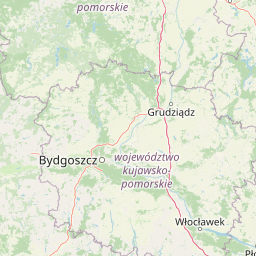
Map view of Jezioro Małe Łowne Nature Reserve

Use this park location map to pinpoint Jezioro Małe Łowne Nature Reserve in Poland, understand its exact geographic position, and read its mapped placement within the surrounding landscape more clearly.

Pigeon | © OpenStreetMap contributors

Location context for Jezioro Małe Łowne Nature Reserve

Pomeranian Voivodeship

Explore protected area views, floating bog terrain, and wetland habitats across the reserve.

Visualizing Rezerwat przyrody Jezioro Małe Łowne Photos and Landscape Scenery

Visual records capture the distinctive wetland terrain, post glacial lake waters, and boggy coniferous forest surrounding Rezerwat przyrody Jezioro Małe Łowne. Examining photographic evidence reveals the transitional peatland ecosystems and unique mire vegetation defining this protected landscape.

Close-up view of tall green grasses and sedges growing along the water's edge, with the dark surface of the lake reflecting the sky and white clouds.

Park atlas

Compare adjacent wetland reserves, glacial lakes, and regional lowland geography

Parks Near Rezerwat przyrody Jezioro Małe Łowne and Protected Landscapes

Browsing other parks near Rezerwat przyrody Jezioro Małe Łowne reveals interconnected wetland reserves and protected lowland forests across the surrounding region. Examining adjacent protected areas provides valuable geographic context for understanding the broader Bory Tucholskie ecosystem and regional hydrology.
Protected landscapePomeranian Voivodeship
Mapped location lies within the park boundary#1 closest

Northeast

Zaborski Park Krajobrazowy: Geographic Profile of a Polish Protected Landscape Area

Tuchola Forest region, Pomeranian Voivodeship

Investigate the unique terrain of Zaborski Park Krajobrazowy, a protected landscape defined by its dense network of glacial lakes and sandy outwash plains. This territory provides a comprehensive view of northern Polish lowland geography, highlighting the ecological significance of its river valleys and relic forest habitats within the broader Tuchola Forest ecosystem.

Area
340.3 km²
Established
1990
Relief
Lowland
Climate
Temperate
Nature reservePomeranian Voivodeship
About 3.1 km away#2 closest

Southwest

Jezioro Sporackie Nature Reserve: Mapped Geography and Protected Area Context

Exploring the lobelia lake and peatland mosaic in Pomeranian Voivodeship

Jezioro Sporackie Nature Reserve protects a vital ecological gradient ranging from nutrient-poor aquatic habitats to wooded terrestrial margins. The site preserves Sporacz, a glacial lake recognized for its specialized flora, alongside the surrounding transitional mire and forest compartments that form its primary buffer zone in Northern Poland.

Area
0.176 km²
Established
1965
Relief
Lowland
Climate
Temperate
A pale, soft-toned watercolor painting of a calm lake shore with marshy grasses in the foreground and a line of green trees and rolling hills in the background.
National parkPomeranian Voivodeship
About 3.3 km away#3 closest

East

Park Narodowy „Bory Tucholskie”: Geography of a Polish National Park and Protected Forest

Lowland pine ecosystems and glacial water networks

Located in the Pomeranian Voivodeship, Park Narodowy „Bory Tucholskie” protects a significant remnant of the Tuchola Forest. The terrain, characterized by postglacial sandy plains, inland dunes, and acidic lobelia lakes, provides a critical reference site for studying forest ecology and glacial geomorphology within the Polish national park system.

Area
46.13 km²
Established
1996
Visitors
33K annual
Relief
Lowland
Watercolor painting of a river flowing through a forested area with colorful fields
National parkPomeranian Voivodeship
About 3.3 km away#4 closest

South

Tuchola Forest National Park: Explore Poland's Largest Protected Woodland and Glacial Lakes

Detailed maps and geographic context of unique forest ecosystems and terrain.

MoriAtlas offers a comprehensive geographic overview of Tuchola Forest National Park, a vital protected area in Pomeranian Voivodeship, Poland. This page delves into the park's identity as Poland's largest contiguous forest, distinguished by its post-glacial landscape. Users can explore the mapped boundaries of its extensive coniferous forests, numerous interconnected glacial lakes, dynamic dunes, and ecologically rich peatlands. It serves as a key entry point for understanding the park's unique terrain and its significant place within the broader regional geography and protected lands atlas.

Area
46.13 km²
Established
1996
IUCN
II
Visitors
33K annual
Protected areaPomeranian Voivodeship
About 3.3 km away#5 closest

Northeast

Sandr Brdy: Protected Glacial Landscapes and Hydrological Networks in Pomeranian Voivodeship

A vital reference site for lowland habitat conservation and post-glacial terrain.

Sandr Brdy spans 7,492 hectares of outwash plains in northern Poland. Its terrain hosts a complex mosaic of calcareous fens, acid oak forests, and lobelia lakes, established to preserve fragile aquatic and terrestrial species like the gray wolf and lady's slipper orchid within a unique glacial framework.

Area
74.926 km²
Scope
Terrestrial
Water
Major water bodies
Nature reservePomeranian Voivodeship
About 12 km away#6 closest

East

Rezerwat przyrody Moczadło: Protected Nature Reserve and Lobelia Lake in Pomeranian Voivodeship

Mapped ecological zone within the Bory Tucholskie lake region

Gain insight into the protected landscape of Rezerwat przyrody Moczadło, a nature reserve in Pomeranian Voivodeship defined by its exceptionally clear oligotrophic waters. This site offers valuable data for those studying post-glacial lake ecosystems, rare aquatic flora, and the sensitive transition zones between open water and peat-forming pine forest landscapes.

Area
0.262 km²
Established
2011
Water
Major water bodies
Protected landscapeKuyavian-Pomeranian Voivodeship
About 18 km away#7 closest

East

Tuchola Landscape Park: Mapped Protected Area and Riverine Geography in Poland

Pine-covered outwash plains and the meandering Brda River corridor

Covering a significant portion of northern Poland, Tuchola Landscape Park protects a distinctive postglacial landscape of sandy plains and dense pine forests. The park geography is anchored by the Brda River, which flows through a series of rapids and breakthroughs before reaching deep into the surrounding pine-clad outwash plain. Detailed map data provides insight into the park's eight nature reserves, which preserve critical wetland, bog, and riverine habitats.

Area
369.83 km²
Established
1985
Relief
Lowland
Climate
Temperate
Watercolor painting of a soft, hazy wetland landscape with green foliage, pink marsh vegetation, and distant hills in pale tones.
Nature reservePomeranian Voivodeship
About 21 km away#8 closest

North

Rezerwat przyrody Dolina Kulawy: Mapping Peatlands and Wetlands in Pomeranian Voivodeship

A protected landscape featuring soligenous mires and glacial lakes.

Discover the intricate geography of Rezerwat przyrody Dolina Kulawy, a nature reserve centered on the Kulawa River valley in northern Poland. This protected area offers a unique look at soligenous peatlands, floodplain forests, and mesotrophic lake systems, providing essential context for the post-glacial landscape of the Bory Tucholskie region.

Area
1.546 km²
Established
2009
Relief
Lowland
Climate
Temperate

Common questions about visiting, size, designation, and location context for Jezioro Małe Łowne Nature Reserve

Jezioro Małe Łowne Nature Reserve FAQs for park facts, access, geography, and protected area context

Find quick answers about Jezioro Małe Łowne Nature Reserve, including protected-area facts, park geography, trail and visitor context, and how the park fits into its surrounding country and regional landscape.
MoriAtlas Explorer

Continue Your Protected Areas Search Across the Global Atlas

Deepen your exploration by continuing the structured search for national parks and protected areas worldwide. Utilize the comprehensive filtering capabilities to compare different conservation landscapes and refine your understanding of global park geography. Discover more about the distribution and characteristics of protected natural areas.

Global natural geography