Why Debry Nature Reserve stands out
Debry is best known for preserving a relict fragment of Carpathian beech and fir forest far from the Carpathian mountains themselves, together with the unusual erosional ravines called 'debra' that cut into the plateau. The combination of older fir stands, diverse forest communities, and rare montane plants in the herb layer makes the reserve a notable ecological island within the Roztocze range.
Debry Nature Reserve history and protected-area timeline
Debry Nature Reserve was formally established in 1983 by an order of the Polish Minister of Forestry and the Wood Industry, issued on 22 April of that year. The founding legal act was published in the official monitor as item 91 of issue 16, and the reserve's purpose was to preserve a fragment of beech and fir forest containing rare mountain plant species in the herb layer.
From its establishment, the reserve has been held in State Treasury ownership and managed by the State Forests, placing it within the standard Polish framework for state-administered forest protection. Its position was reinforced over time by its location within the buffer zone of Roztocze National Park, which extended the reserve's role in the regional conservation network.
Debry Nature Reserve landscape and geographic character
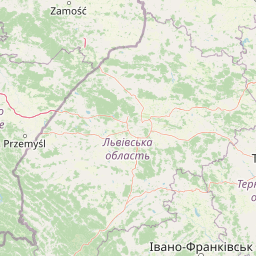
The landscape of Debry is defined by the rolling plateau country of the Central Roztocze, a sandstone ridge that forms part of a larger elevated belt running through eastern Poland. The reserve sits on the ridge's plateau and slopes and is crossed by a series of deep erosional incisions known locally as 'debra'. These ravines cut through the central and northern parts of the area and create a more rugged relief than the gently rolling surroundings.
Plateau surfaces and gentle slopes are dominated by coniferous and mixed forest, while steeper ground supports broadleaf communities. The combination of open ridge, sloped terrain, and incised valleys produces a noticeable variety in landscape character across the relatively compact reserve.
Debry Nature Reserve ecosystems, habitats, and plant life
Ecologically, Debry belongs to the transitional forest zone where lowland and upland influences meet. The dominant community is upland mixed fir forest, which covers around seventy percent of the protected area on the higher ground. On contrasting sites, particularly on slopes and in valleys, fertile Carpathian beech forest takes over, contributing broadleaf character to the forest mosaic.
In the cooler, moister microclimates of the erosional ravines, vegetation patterns shift further. These deeper incisions support herb-layer communities enriched by plant species typical of more mountainous regions, far to the south. The old fir stands on the plateau give the area an additional element of forest continuity and structural complexity, supporting shade-tolerant and moisture-loving flora.
Debry Nature Reserve wildlife and species highlights
Consistent wildlife information in the source material for Debry is limited, and the reserve's documented significance is primarily botanical and forest-structural rather than faunal. The presence of old fir stands, varied microclimates, and protected plant species suggests habitat conditions favorable to forest birds, small mammals, and forest-floor invertebrates typical of mixed beech and fir communities in the Roztocze range.
Debry Nature Reserve conservation status and protection priorities
Debry was established specifically to preserve a fragment of beech and fir forest together with its rare mountain-associated plant species, giving it a clear floristic and forest-conservation purpose. Its value lies in maintaining forest composition and structure that would otherwise be vulnerable to silvicultural change, particularly in a region where fir regeneration has historically been limited.
Ongoing threats identified for the reserve include insufficient natural regeneration of fir, excessive shrub encroachment, and an uneven age structure within parts of the tree stand. The reserve's classification as a partial-protection area and its position within the buffer zone of Roztocze National Park provide formal safeguards for its long-term protection.
Debry Nature Reserve cultural meaning and human context
Debry sits within a forested rural landscape shaped by small villages such as Kaczórki and Bondyrz, which form the local human context for the reserve. The unusually deep erosional incisions that give the area part of its name are themselves a recognizable feature of the regional Roztocze landscape and reflect long-term interactions between geology, climate, and land use in this part of eastern Poland.
Top sights and standout views in Debry Nature Reserve
The standout features of Debry are its upland mixed fir forest on the plateau, the fertile Carpathian beech forest communities on slopes and ravines, the old-growth fir stands, and the deep erosional 'debra' formations that create the reserve's distinctive relief. Six protected plant species have been recorded here, along with a notable set of mountain-associated herbs that occur far north of their typical Carpathian range.
Best time to visit Debry Nature Reserve
Debry is a forest reserve, and its character changes most visibly with the seasons through the foliage of its beech and fir stands. Late spring and early summer bring the most active herb layer and the freshest forest atmosphere, including the period when many forest-floor plants are easiest to observe. Autumn highlights the structural diversity of old fir stands and the cooler microclimates of the erosional ravines. Winter offers a quieter experience of the reserve's ridgelines and deep forest channels.