Why Roztocze National Park stands out
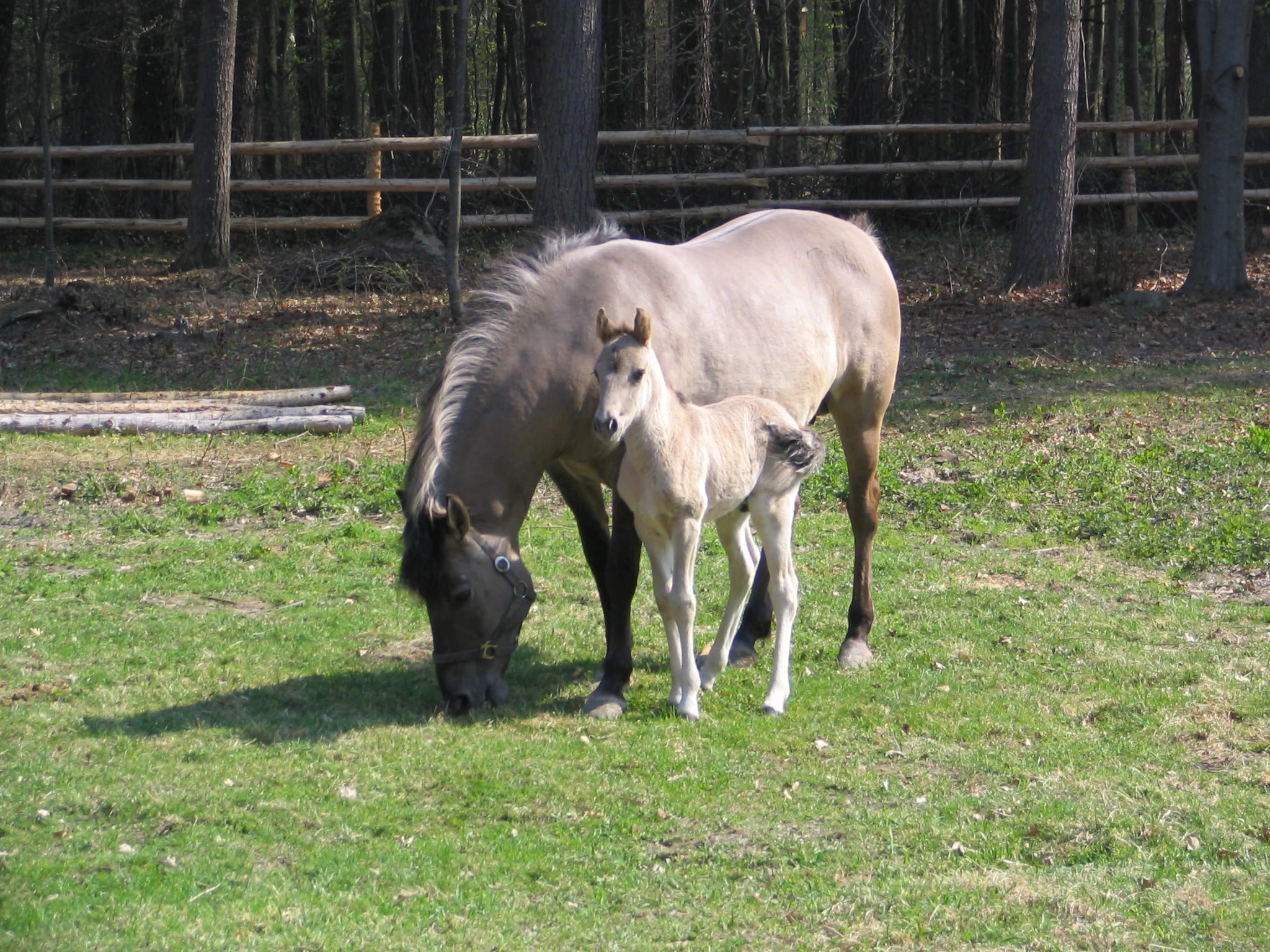
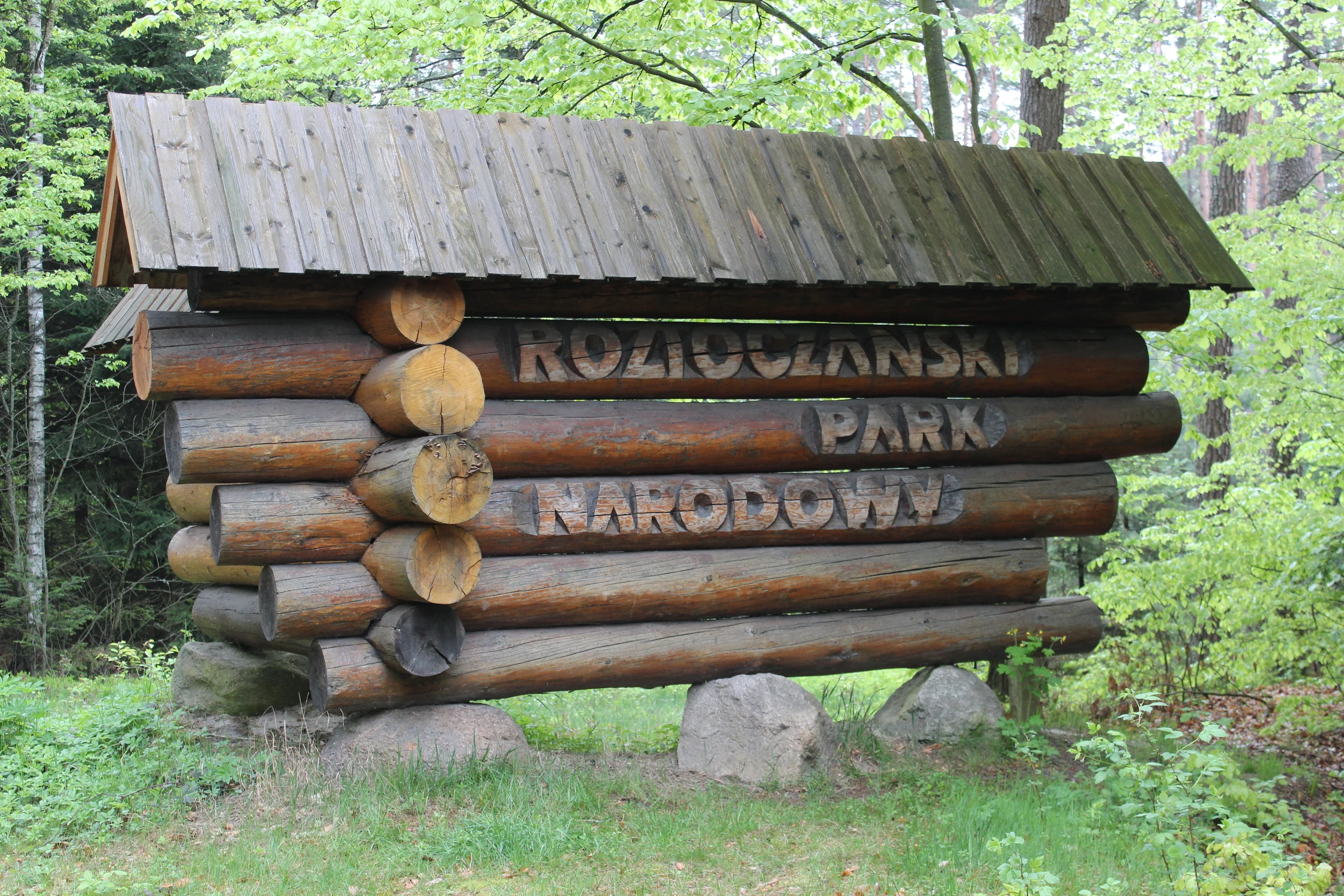
Roztocze National Park is best known for its extraordinary old-growth forests dominated by towering firs, some of the largest in Poland, and its designation as the nation's most heavily forested national park. The park preserves critical habitat for the Polish konik pony, a heritage breed reintroduced in 1982 that now roams freely in dedicated conservation areas near Echo Ponds. The ancient tree population, over 400 specimens designated as nature monuments, represents one of the most significant heritage tree collections in Central Europe. The park also protects the Wieprz river valley, a major waterway with relatively clean water, and serves as a critical corridor for European wildlife including wolves, beavers, and numerous bird species.
Roztocze National Park history and protected-area timeline
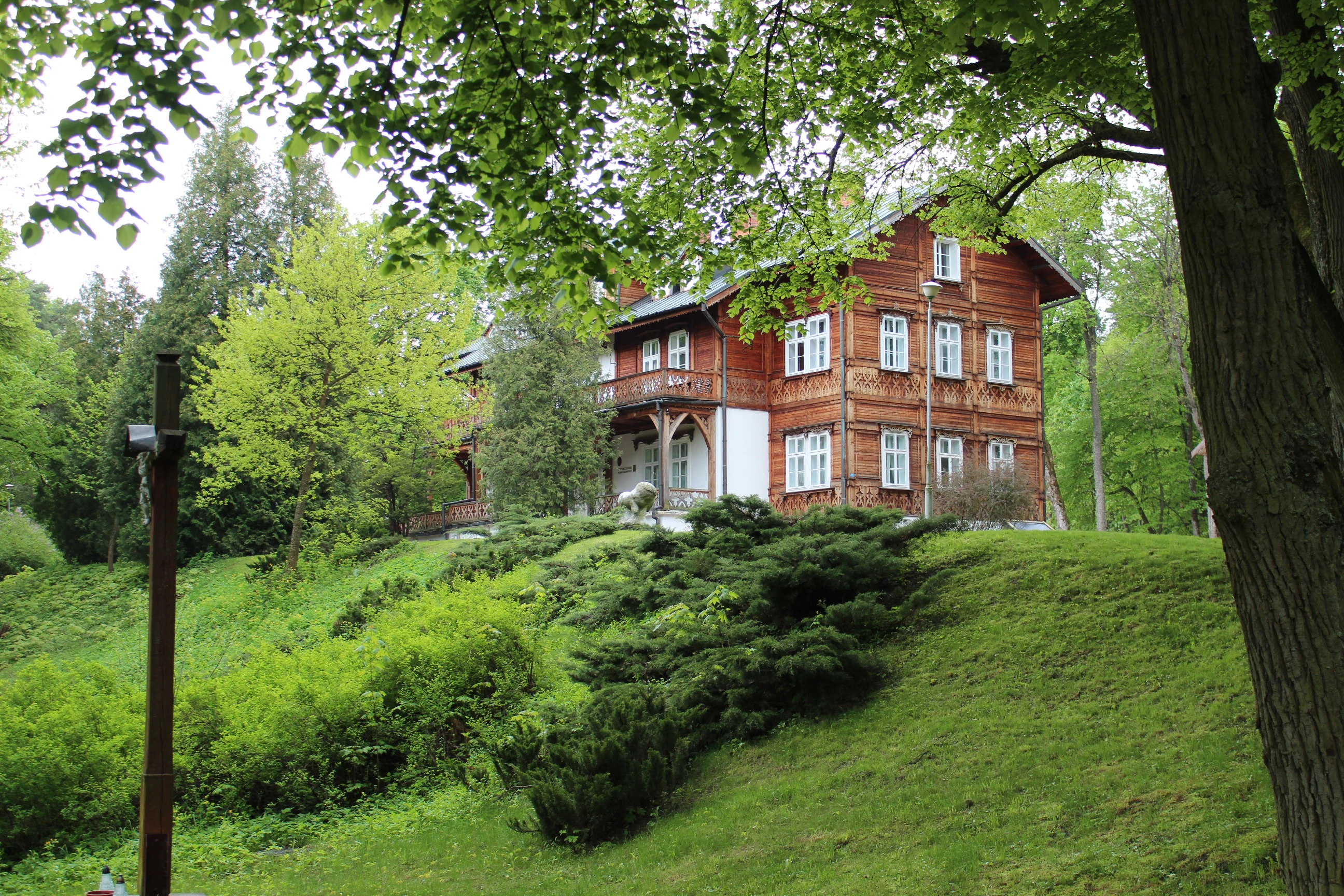
The history of Roztocze National Park is inseparable from the Zamoyski family estate, one of Poland's great aristocratic landholdings established in 1589 with its headquarters at Zwierzyniec. The estate maintained a fenced hunting area, known as a zwierzyniec, spanning approximately 30 kilometers that encompassed what is now the Bukowa Góra strict protection zone. This historical game preserve protected elk, lynx, wild boar, wolves, European wildcats, and tarpans. Nature protection in the region began in 1934 with the creation of the Bukowa Góra Preserve, and in 1938 the Zamoyski estate issued Poland's first law protecting birds of prey. Following World War II, the area came under state forest management, and Roztocze National Park was formally established in 1974 from state forest lands that had been part of the historic Zamoyski holdings. Initially covering 48.01 km², the park was expanded to its current size. The park's administration is housed in the restored palace that once served as the Zamoyski estate administrator's residence. The region witnessed numerous military conflicts during the Polish January Uprising and both World Wars, with memorial sites in Zwierzyniec and surrounding areas commemorating these turbulent periods.
Roztocze National Park landscape and geographic character
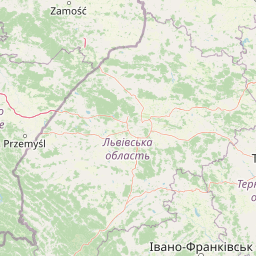
The Roztocze landscape within the park represents one of Poland's most distinctive upland environments. The terrain consists of rolling hills and valleys formed through Cretaceous chalk and Tertiary bedrock, with Quaternary sands filling the valley floors. Elevation reaches a maximum of 350 meters above sea level. The Wieprz River, flowing from east to west through the park, has carved a broad valley that supports wetland habitats and riparian forests. Two smaller streams, the Szum (2.5 km) and the Świerszcz (7.5 km), originate within the park boundaries. The park's forest matrix contains remarkable old-growth elements, with some of Poland's tallest fir trees reaching 50 meters in height. The combination of steep valley sides, flat valley bottoms, and the river corridor creates a diverse physical landscape that supports varied ecological communities.
Roztocze National Park ecosystems, habitats, and plant life
Roztocze National Park represents a critical biogeographic crossroads where western European forest species meet eastern Carpathian elements. The park's 95.5% forest coverage makes it Poland's most forested national park, with approximately 20 distinct forest communities identified. The dominant forest type is the upland fir-beech mixed forest, covering nearly one-third of the park area, followed by Carpathian beech forest. The park supports significant populations of fir, beech, sycamore maple, lime, spruce, and yew—species representing the western European forest boundary. Rich hornbeam-oak forests grow on the most fertile soils, while pine forests occupy sandy valley terraces. Wetland forests, alder carrs, and raised bogs occur in poorly drained areas, preserving glacial and subarctic relicts including dwarf birch, northern greenberry, and cord grass. The vascular plant flora comprises approximately 750 species, including such notable species as the large-flowered anemone, European black cohosh, soft-haired lungwort, and yellow scabious. Atlantic-influenced species such as intermediate sundew, brown beak sedge, and rigid sedge reach their eastern distribution limits here.
Roztocze National Park wildlife and species highlights
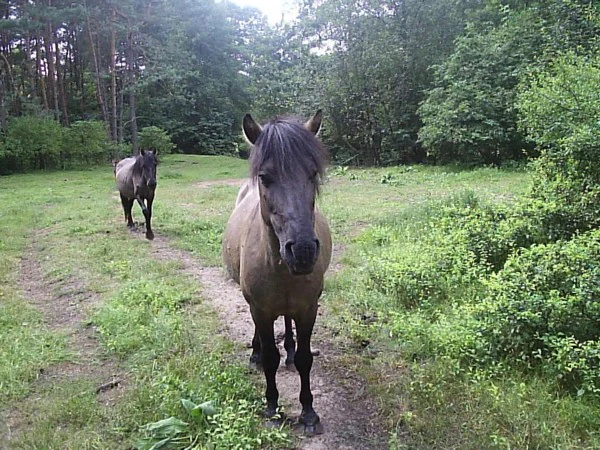
The mammalian fauna of Roztocze National Park includes red deer, roe deer, wild boar, red fox, grey wolf, and Eurasian badger. European beavers, reintroduced in 1979, have established thriving colonies along the Wieprz valley and now represent a successful conservation story. Polish konik ponies, a heritage breed descended from the extinct tarpan, were introduced in 1982 and now roam freely in a 180-hectare conservation area near Echo Ponds and Biała Góra, living without human intervention except for winter supplemental feeding. Bird diversity is exceptional, with approximately 190 species recorded, of which about 130 regularly nest within the park. Notable species include the lesser spotted eagle, common buzzard, black stork, white-backed woodpecker, grey-headed woodpecker, and thrush nightingale. The reptile community includes the European pond terrapin (a protected species), common adder, grass snake, and lizards. The invertebrate fauna is extraordinarily rich, with over 2000 insect species documented, particularly notable for beetles in the Carabidae and Cerambycidae families, as well as diverse populations of snails, millipedes, arachnids, and orthopterans.
Roztocze National Park conservation status and protection priorities
Roztocze National Park plays a vital role in conserving Poland's forest biodiversity and serves as a flagship for the broader Roztocze region. The park's strict protection zones—Bukowa Góra, Czerkies, Jarugi, Międzyrzeki, and Nart—preserve old-growth forest ecosystems that have become rare in lowland Poland. The protection of ancient trees, including over 400 designated nature monuments, maintains ecological continuity and habitat for specialized species. The reintroduction of European beavers demonstrates successful conservation management, while the Polish konik pony breeding program preserves genetic diversity of this heritage breed. The Wieprz River, maintained in good water quality, supports aquatic and riparian ecosystems. The park's buffer zone of approximately 381 km² extends protection into the surrounding landscape, maintaining ecological connectivity. The park also serves as a living laboratory for forest ecology research and environmental education, with dedicated facilities in Zwierzyniec and Florianka.
Roztocze National Park cultural meaning and human context
The Roztocze landscape has been shaped by centuries of human presence, most notably through the Zamoyski family estate established in 1589. The town of Zwierzyniec served as the administrative center for this vast landholding, which maintained a protected game preserve—a zwierzyniec—enclosing the core of what is now the national park. This historical hunting ground represented an early form of wildlife protection, preserving large mammals including elk, lynx, and tarpans. The current park headquarters occupy the restored palace of the former estate administrator, connecting modern conservation to this aristocratic heritage. In 1990, part of the park (24 hectares) was incorporated into Zwierzyniec when the settlement gained town status. The Polish konik pony has become the park's symbolic animal, representing both the region's cultural heritage and successful conservation breeding programs.
Top sights and standout views in Roztocze National Park
Roztocze National Park stands as Poland's most forested protected area, with ancient fir forests reaching 50 meters in height. The park preserves over 400 monument trees and supports the only wild population of Polish konik ponies, a heritage breed descended from the extinct tarpan. The Wieprz River valley provides habitat for reintroduced European beavers, while the forest supports grey wolf packs and over 190 bird species. Five strict nature reserves protect old-growth forest communities, and the park serves as a biogeographic crossroads where western European and eastern Carpathian species meet. The historical connection to the Zamoyski family estate and the restored administrator's palace add cultural depth to the natural landscape.
Best time to visit Roztocze National Park
The park offers distinct seasonal experiences throughout the year. Spring brings forest wildflower blooms and active wildlife as species emerge from winter, making April and May excellent for botanical observation and birdwatching. Summer offers warm conditions ideal for hiking the five marked trails, with lush green forest coverage and longer daylight hours. Autumn transforms the forests with color changes, particularly in the beech-dominated areas, and offers excellent mushroom foraging opportunities while quieter visitor numbers persist. Winter provides a different perspective on the landscape, though some trails may have limited accessibility. The Polish konik ponies are most easily observed in their designated areas during spring and summer when they graze openly. The park's educational center in Zwierzyniec operates year-round and provides orientation regardless of season.