
Why Boikivshchyna National Nature Park stands out
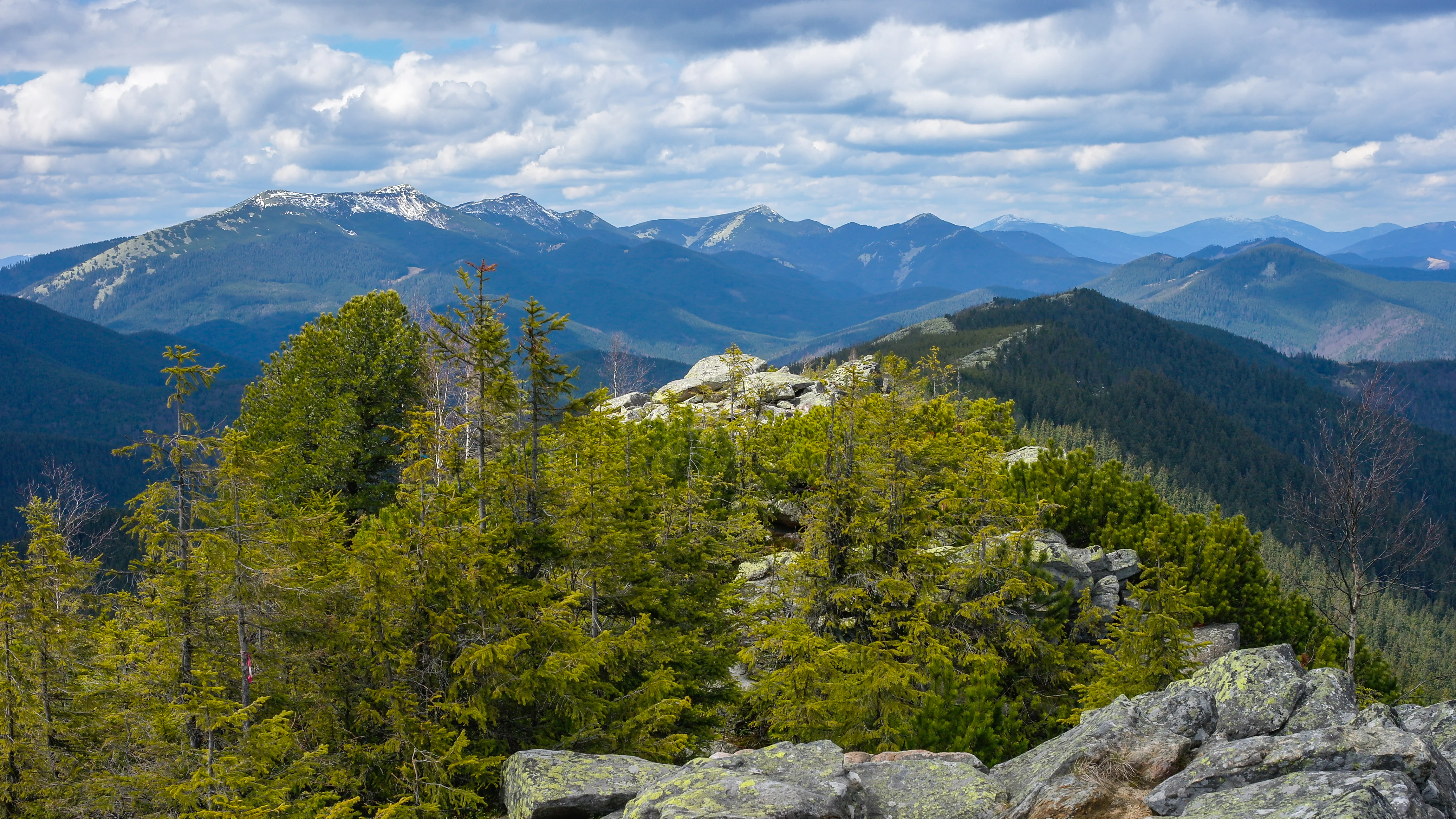
Boikivshchyna is best known for its protection of Carpathian montane conifer forests in the Eastern Beskids, a region characterized by temperate forest ecosystems that extend across eastern Romania and western Ukraine. The park encompasses the headwaters of the Stryi River and preserves the upper Dniester valley landscape. Its territory includes Pikui, the highest mountain in Lviv Oblast, offering alpine terrain above the tree line. The area is noted for its forest cover dominated by Norway spruce and European silver fir, representing some of the most intact coniferous forest communities in the Ukrainian Carpathians.
Boikivshchyna National Nature Park history and protected-area timeline
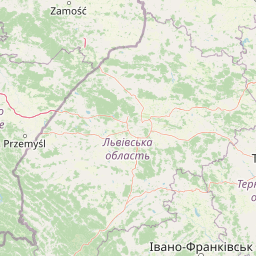
Boikivshchyna National Nature Park was officially established on April 11, 2019, when President Petro Poroshenko signed Presidential Decree No. 130/2019, creating the protected area in the Carpathian region of Lviv Oblast. The park was originally situated within Turka Raion, which was abolished during Ukrainian administrative reforms in 2020, with its territory subsequently incorporated into Sambir Raion. The decree mandated the development of a management plan for the park, the allocation of approximately 10,623 hectares of land for permanent use, and the preparation of organizational and boundary documentation between 2019 and 2021. The park was created with the explicit purpose of preserving the genetic, species, and landscape diversity of the Ukrainian Carpathians, recognizing the ecological importance of this mountain region for biodiversity conservation and ecosystem services.
Boikivshchyna National Nature Park landscape and geographic character
The terrain of Boikivshchyna National Nature Park is characterized by the mountainous topography typical of the Carpathian Beskids, with elevations ranging from approximately 400 meters in the lower valleys to over 1,700 meters at the summit of Pikui, the highest point in Lviv Oblast. The landscape consists of steep mountain slopes carved by glacial valleys, with the forest-covered ridges forming the watersheds between the Stryi River basin and other tributaries of the Dniester system. The Vododilnyi Range traverses the park area, providing the backdrop for the upper Dniester valley. The combination of elevation gradient, aspect variations, and valley morphology creates a diverse landscape of forest-covered slopes, rocky outcrops, and riparian corridors along the mountain streams. The Stryi River originates within the park boundaries, fed by springs and small tributaries descending from the higher terrain.
Boikivshchyna National Nature Park ecosystems, habitats, and plant life
Boikivshchyna lies within the Carpathian montane conifer forests ecoregion, a temperate forest ecosystem that dominates the mountainous areas of the Carpathian Mountains across multiple countries. The park's forests are primarily composed of Norway spruce and European silver fir, forming dense coniferous stands across the mountain slopes and valleys. These forest communities represent some of the more intact examples of Carpathian montane forests in Ukraine. The park supports more than 30 species of herbaceous plants, including rare species such as common clubmoss, hairy-fruited aconite, perennial honesty, smooth pea, and snowdrop. The vegetation zonation reflects the elevation gradient, with montane forests giving way to subalpine communities at higher elevations and riparian vegetation along watercourses.
Boikivshchyna National Nature Park conservation status and protection priorities
The establishment of Boikivshchyna National Nature Park represents Ukraine's effort to protect significant portions of its Carpathian forest ecosystems within a formal protected area framework. The park falls under IUCN Category II, reflecting its designation as a national park focused on ecosystem conservation and protection of natural landscapes. The Carpathian montane conifer forests are recognized as an important ecoregion for biodiversity, hosting species with both European and more restricted Carpathian distributions. The park contributes to the protection of watershed areas that feed into the Dniester River system, providing ecosystem services related to water regulation and soil conservation in the mountain catchments. The inclusion of forest lands previously under various management regimes into a coordinated protected area aims to ensure more consistent conservation of these mountain forest ecosystems.
Boikivshchyna National Nature Park cultural meaning and human context
The park is named for the Boikivshchyna region, a historical cultural region in the Carpathian foothills of western Ukraine. This area has been traditionally inhabited by Boiky, an ethnic subgroup of Ukrainians known for their distinct cultural traditions and pastoral land-use practices in the mountain and foothill zones. The landscape has been shaped by centuries of human activity, including seasonal grazing and forest resource use, though the core mountain areas maintained significant natural cover. The park's territory spans across administrative boundaries, with portions in both Lviv Oblast and Zakarpattia Oblast, reflecting the geographic continuity of the Carpathian landscape beyond modern political divisions.
Top sights and standout views in Boikivshchyna National Nature Park
The park protects Pikui, the highest mountain in Lviv Oblast, offering the most elevated terrain within the protected area with alpine character above the tree line. The source of the Stryi River is accessible via maintained walking trails within the park, providing visitors with the opportunity to visit one of the principal Carpathian rivers at its origin. The extensive spruce and fir forests represent some of the finest examples of Carpathian montane conifer forests in the region. The combination of high mountain peaks, forest-covered valleys, and watershed headwaters creates a coherent mountain landscape that exemplifies the Carpathian Beskids character.
Best time to visit Boikivshchyna National Nature Park
The Carpathian region experiences distinct seasons that affect visit conditions throughout the year. Summer months from June through August offer the warmest conditions for hiking and feature the most accessible trail conditions, with forest foliage providing shade along mountain paths. Autumn brings colorful foliage displays as the coniferous and deciduous species change, creating scenic landscapes within the forest. Winter transforms the park into a snowy mountain environment suitable for winter recreation but with more challenging access conditions. Spring allows observation of early flowering plants as snow retreats from lower elevations, though trail conditions may remain wet or muddy during the snowmelt period.