
Why Skole Beskids National Nature Park stands out
Skole Beskids is best known for its extensive old-growth beech and beech-fir forests that represent a significant portion of Ukraine's Carpathian woodland heritage. The park protects one of the last remaining tracts of primeval Carpathian forest in western Ukraine, home to a notable population of European bison that were reintroduced in 1965. The mountainous landscape, with its flysch rock formations and dramatic valley cuts, creates a distinctive Carpathian scenery. The fortress of Tustan, a historic cliff-side fortification, adds cultural significance to the natural landscape.
Skole Beskids National Nature Park history and protected-area timeline
The Skole Beskids area has a long history of human presence and land use, with the region's mild climate and scenic mountain landscapes making it a destination for health resorts and tourism for centuries. The national park was officially created in 1999 to provide formal protection to the Carpathian forests and mountain ecosystems of the Skole Beskids Range. The establishment of the park came as part of Ukraine's broader effort to protect its Carpathian natural heritage, recognizing the ecological significance of the beech and beech-fir forests that dominate the area. The park is managed by Ukraine's Ministry of Ecology and Natural Resources and continues to serve both conservation and public use functions, maintaining a network of recreation facilities and trail systems for visitors.
Skole Beskids National Nature Park landscape and geographic character
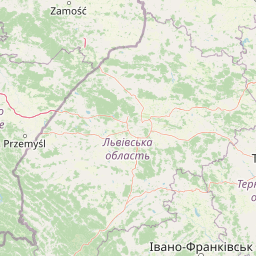
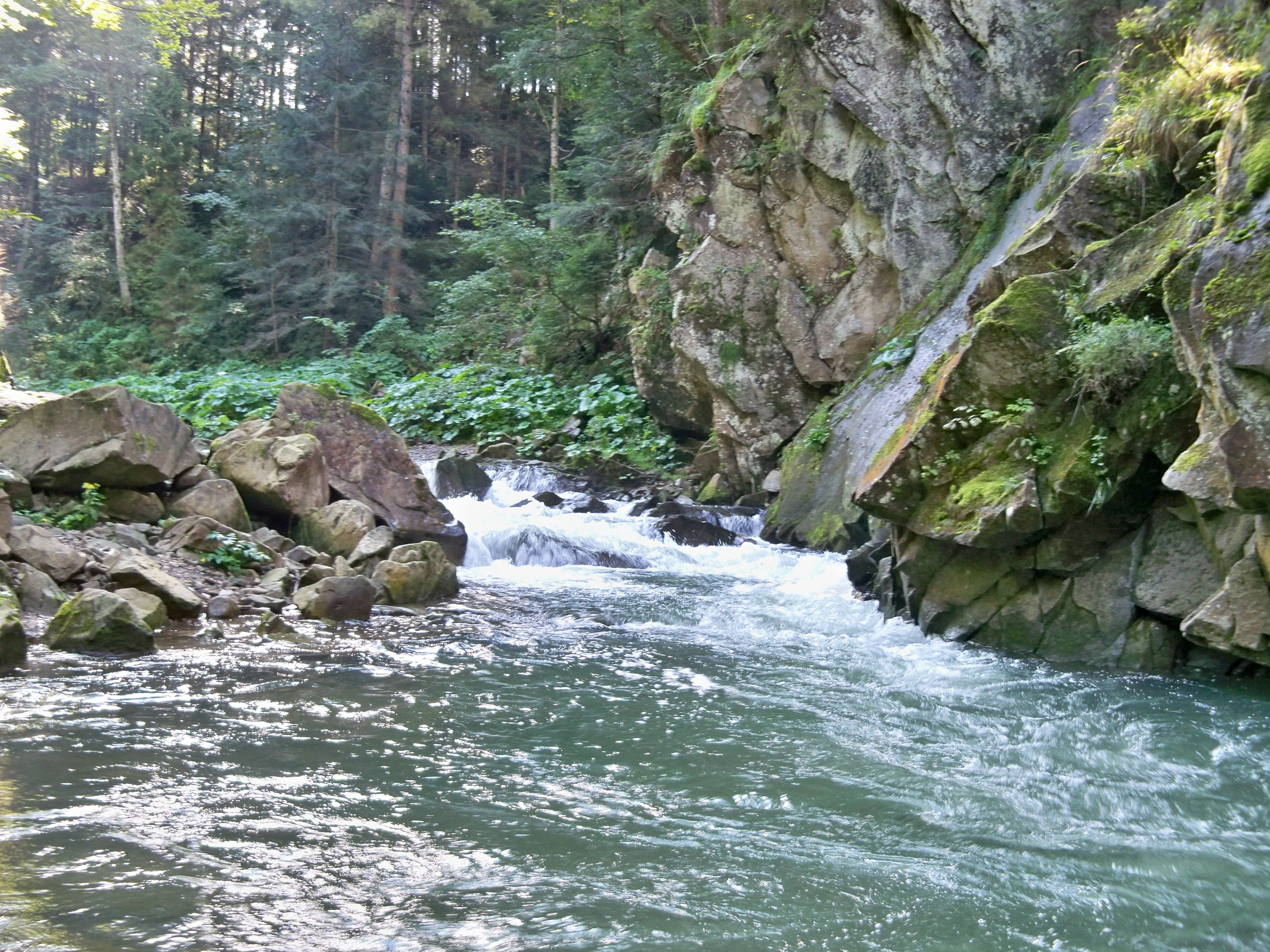
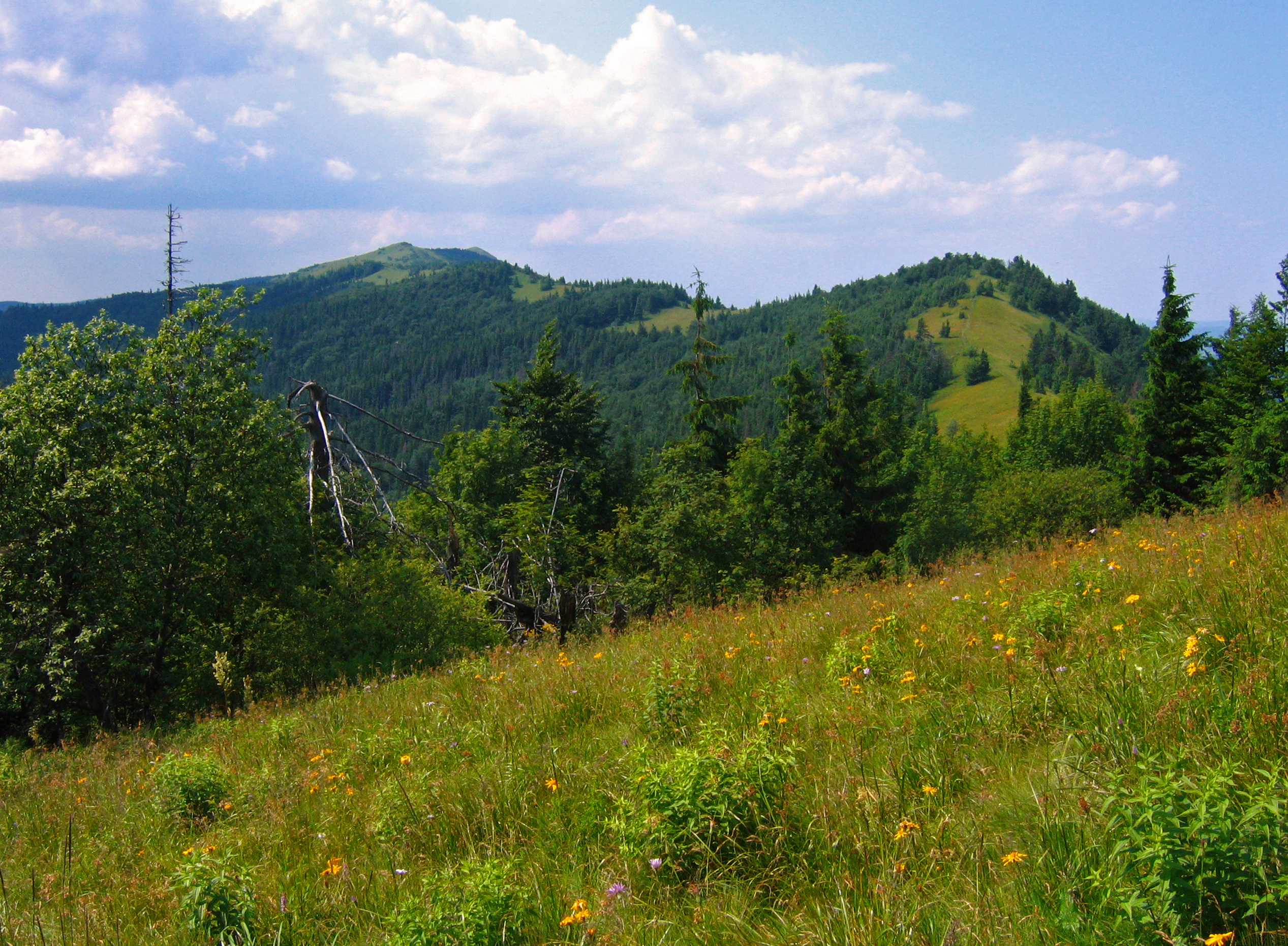
The landscape of Skole Beskids National Nature Park is defined by its mountainous Carpathian character. The Skole Beskids Range runs northwest to southeast through the protected area, with a series of parallel ridges separated by steep-sided valleys. The park encompasses the drainage basins of both the Stryi River and the Opir River, with altitude ranging from 600 meters in the lower valleys to 1,260 meters at Mount Parashka. The underlying geology consists of flysch, a distinctive sequence of Cretaceous and Paleogene sedimentary rocks that erode into steep cliffs and rocky outcrops. River erosion has carved deep gullies between the ridge peaks, creating a rugged terrain of steep slopes, rock faces, and narrow valleys. The combination of forested slopes, rocky ridges, and flowing rivers creates a classic Carpathian mountain landscape.
Skole Beskids National Nature Park ecosystems, habitats, and plant life
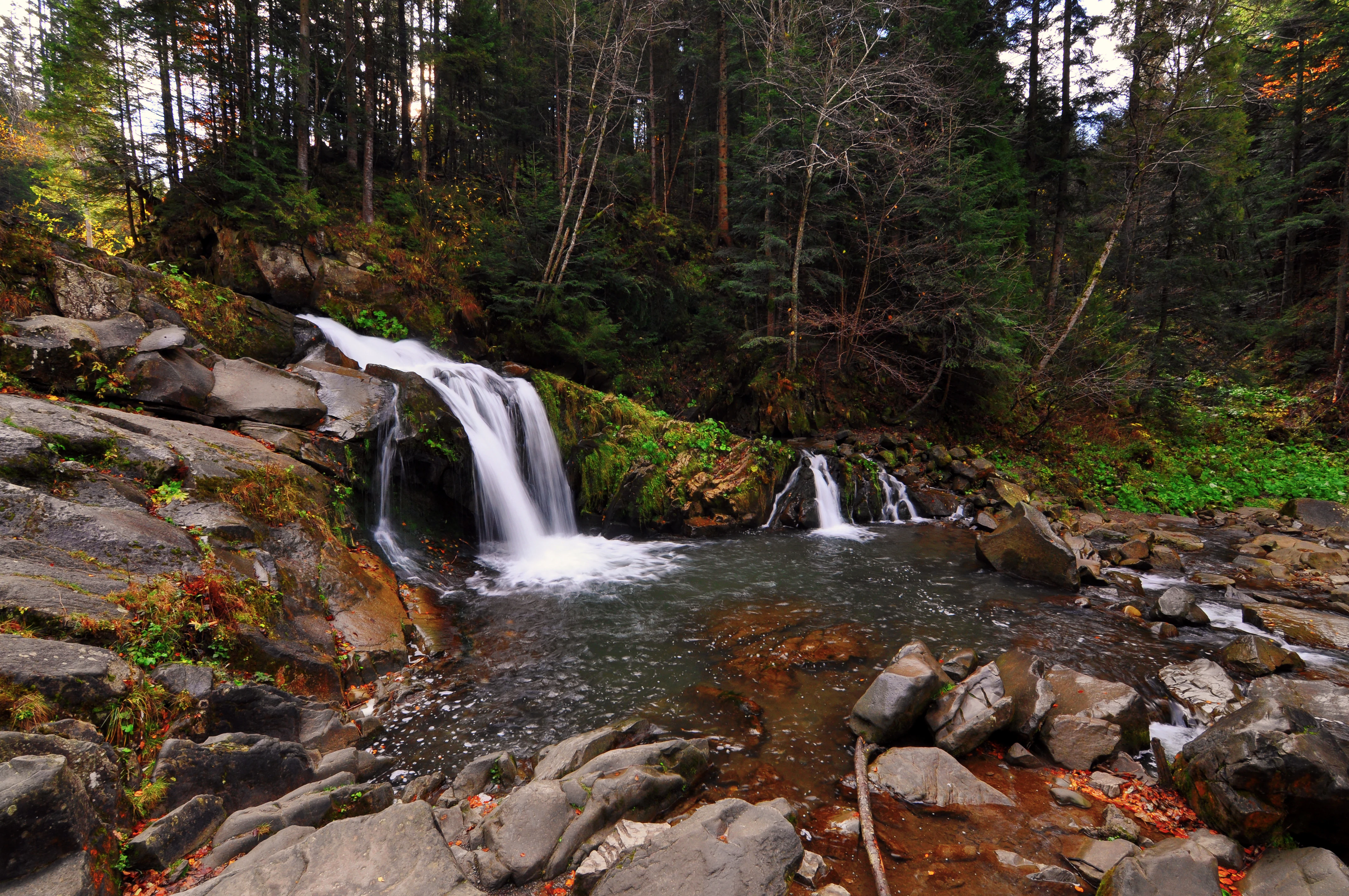
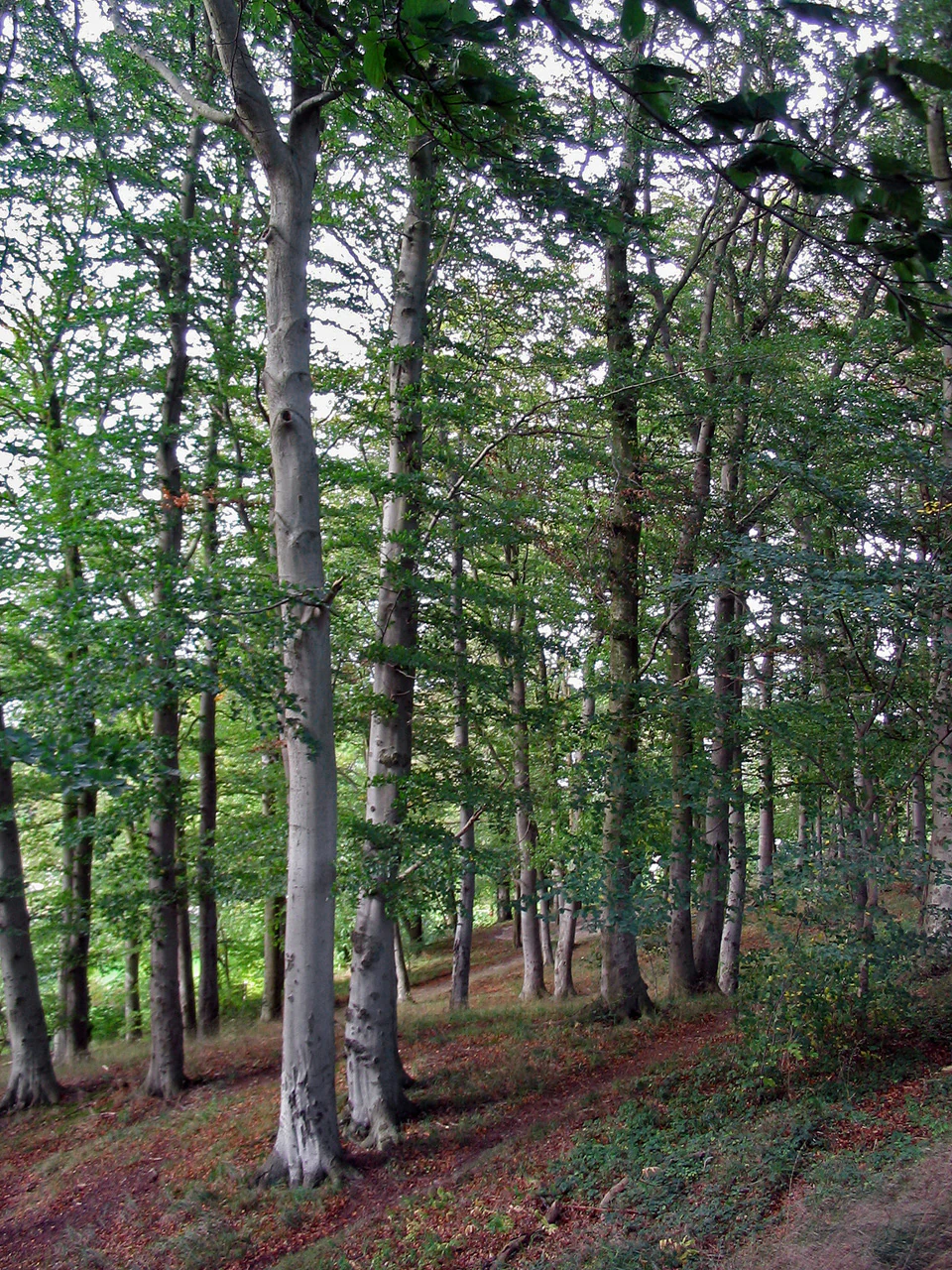
The ecological character of Skole Beskids is defined by its extensive forest cover on the mountain slopes. The majority of the park is covered in forested vegetation, predominantly beech and beech-fir forests growing on gravelly soils. Much of the forest is over 100 years old, representing mature Carpathian woodland. At higher elevations, the vegetation transitions to spruce-fir-beech forest communities. The park supports exceptional biodiversity, with over 635 species of vascular plants recorded within its boundaries. The combination of old-growth forest, varied topography, and climatic conditions creates a rich ecological system that represents one of the most significant remaining tracts of Carpathian forest in Ukraine.
Skole Beskids National Nature Park wildlife and species highlights
Skole Beskids supports a diverse fauna with approximately 50 species of mammals, 121 species of birds, 18 species of fish, 9 amphibians, and 6 reptiles documented within the park. The ungulate community includes red deer, roe deer, wild boar, and a population of European bison. The bison were reintroduced to the area in 1965 when 10 individuals were brought to the park, and they have successfully adapted to local conditions and produced offspring. Large mammals present in the park include brown bear, gray wolf, lynx, and red fox. The park also hosts rare species protected under Ukrainian and European conservation listings, including forest cat, otter, badger, ermine, and several species of owls. Eight species of bats found in the park are included in the Bernese List, with one also appearing on the European Red List.
Skole Beskids National Nature Park conservation status and protection priorities
Skole Beskids National Nature Park plays an important role in protecting the Carpathian forest ecosystem and its associated biodiversity. The park preserves representative examples of Carpathian beech and beech-fir forests that are of high conservation value. The protection of old-growth forest communities and their associated wildlife populations, including rare species such as brown bear, lynx, and European bison, makes this park significant for European biodiversity conservation. The park's classification as IUCN Category II reflects its primary purpose of protecting natural ecosystems while allowing for sustainable public use and environmental education.
Skole Beskids National Nature Park cultural meaning and human context
The Skole Beskids region has been inhabited for centuries and retains cultural significance beyond its ecological value. The area has historically been known for health resorts and tourism, benefiting from the mild mountain climate and the scenic natural environment. Within the park boundaries lies the Fortress of Tustan, a historic cliff-side fortification that represents the region's historical heritage. The tradition of tourism and recreation in the area continues today, with the park maintaining over 20 recreation and boarding houses that offer visitors opportunities to experience the Carpathian landscape. The combination of natural protection and cultural use reflects the park's role in preserving both the environmental and cultural character of this part of western Ukraine.
Top sights and standout views in Skole Beskids National Nature Park
Skole Beskids National Nature Park protects one of Ukraine's most significant Carpathian forest landscapes, featuring old-growth beech and beech-fir forests, dramatic mountain ridges carved by river valleys, and notable wildlife including a population of European bison. Mount Parashka offers hiking opportunities with panoramic views of the surrounding Carpathian ranges. The Fortress of Tustan provides a unique cultural landmark within the natural landscape. The park supports over 635 species of vascular plants and diverse wildlife communities, including rare species such as brown bear, lynx, and several owl species. The combination of ecological significance, scenic mountain terrain, and cultural heritage makes this protected area a valuable component of Ukraine's Carpathian mountain estate.
Best time to visit Skole Beskids National Nature Park
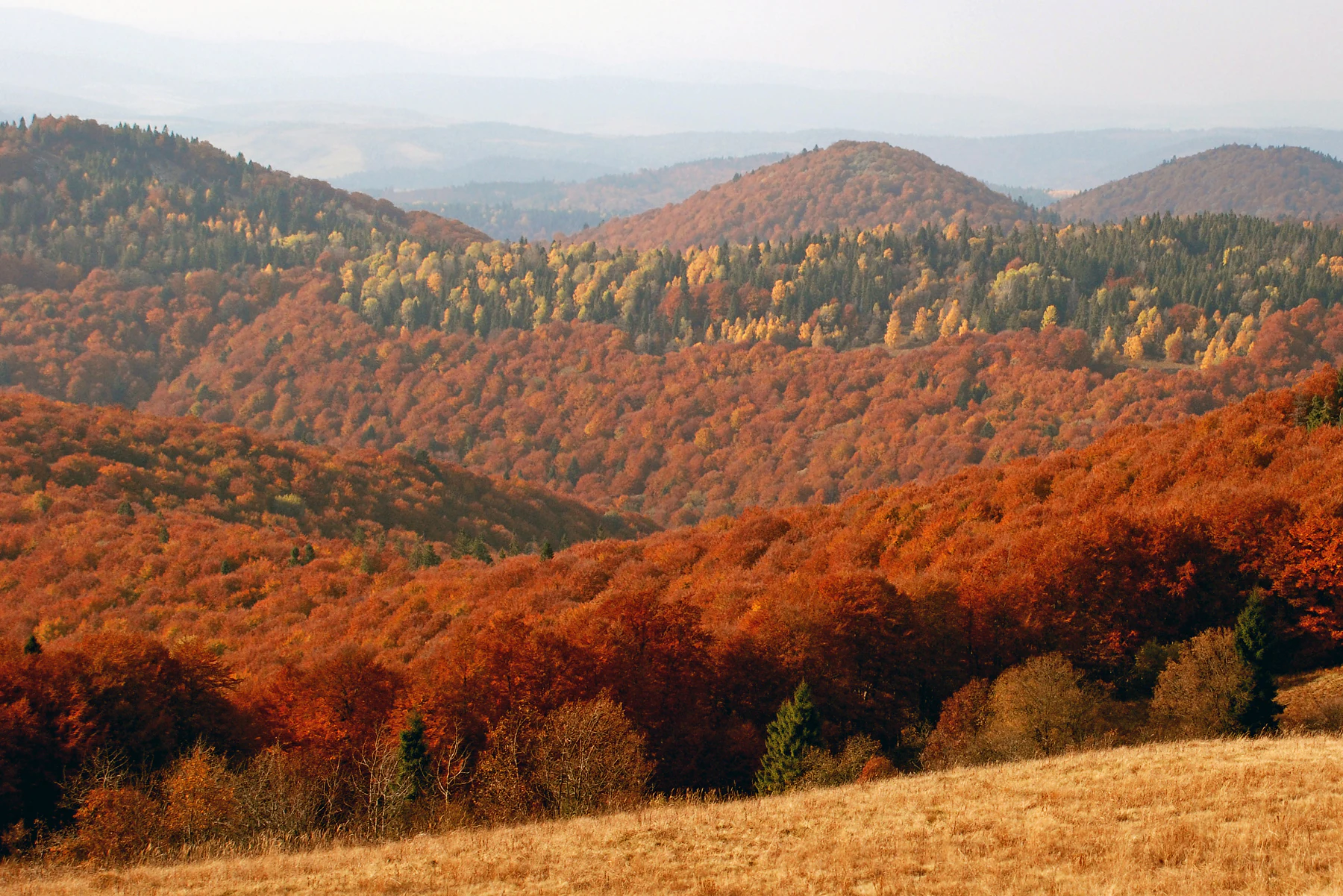
The park can be visited year-round, with each season offering distinct experiences. Summer months bring warm conditions with average temperatures around 16°C in July, making this the most popular season for hiking and outdoor activities. The summer months also correspond with the wettest period, with precipitation averaging 800-1,100 mm annually. Winter brings colder temperatures, with January averaging -6°C, and the park typically experiences about 39 cm of snow depth. Winter visits offer the opportunity to experience the park's quiet mountain landscapes, though conditions can be challenging. The transitional seasons of spring and autumn provide alternative times to visit, with autumn particularly notable for forest color and milder weather.