
Why Ronov Nature Reserve stands out
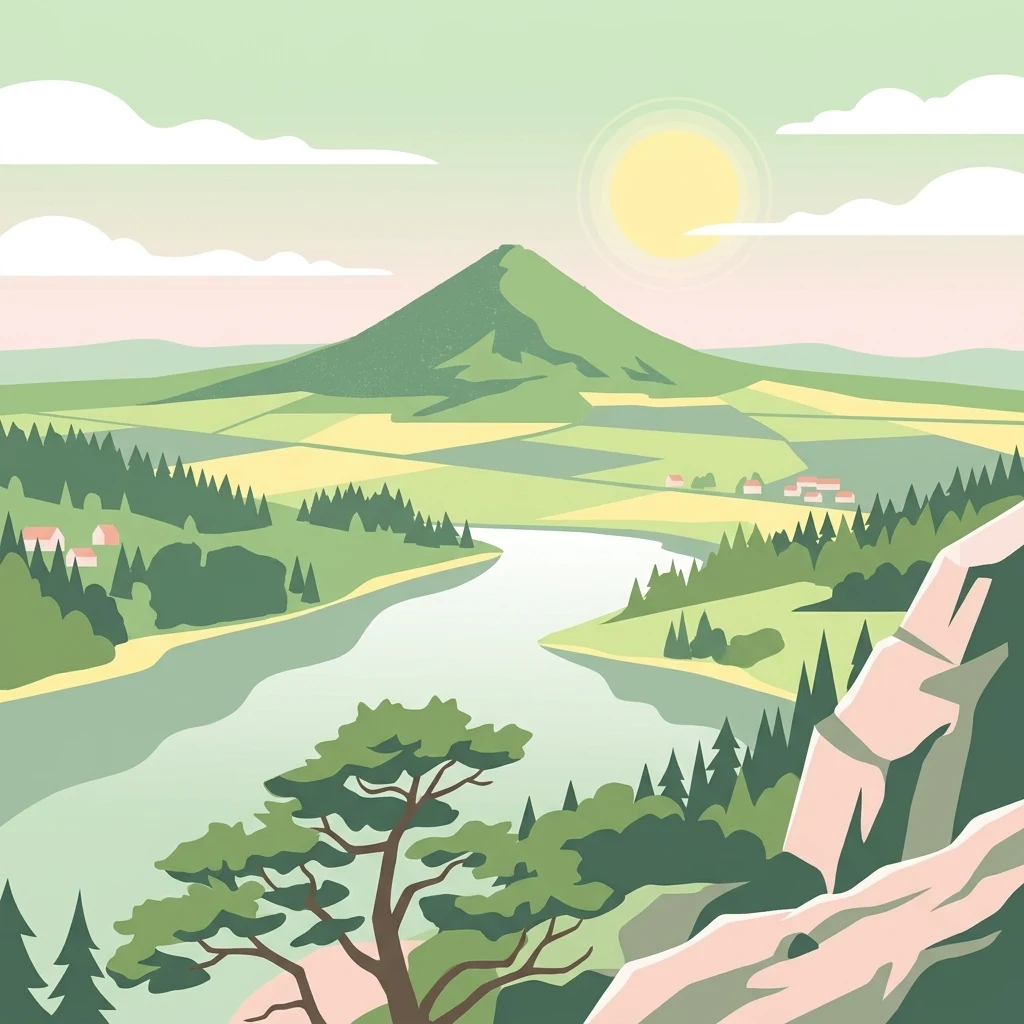
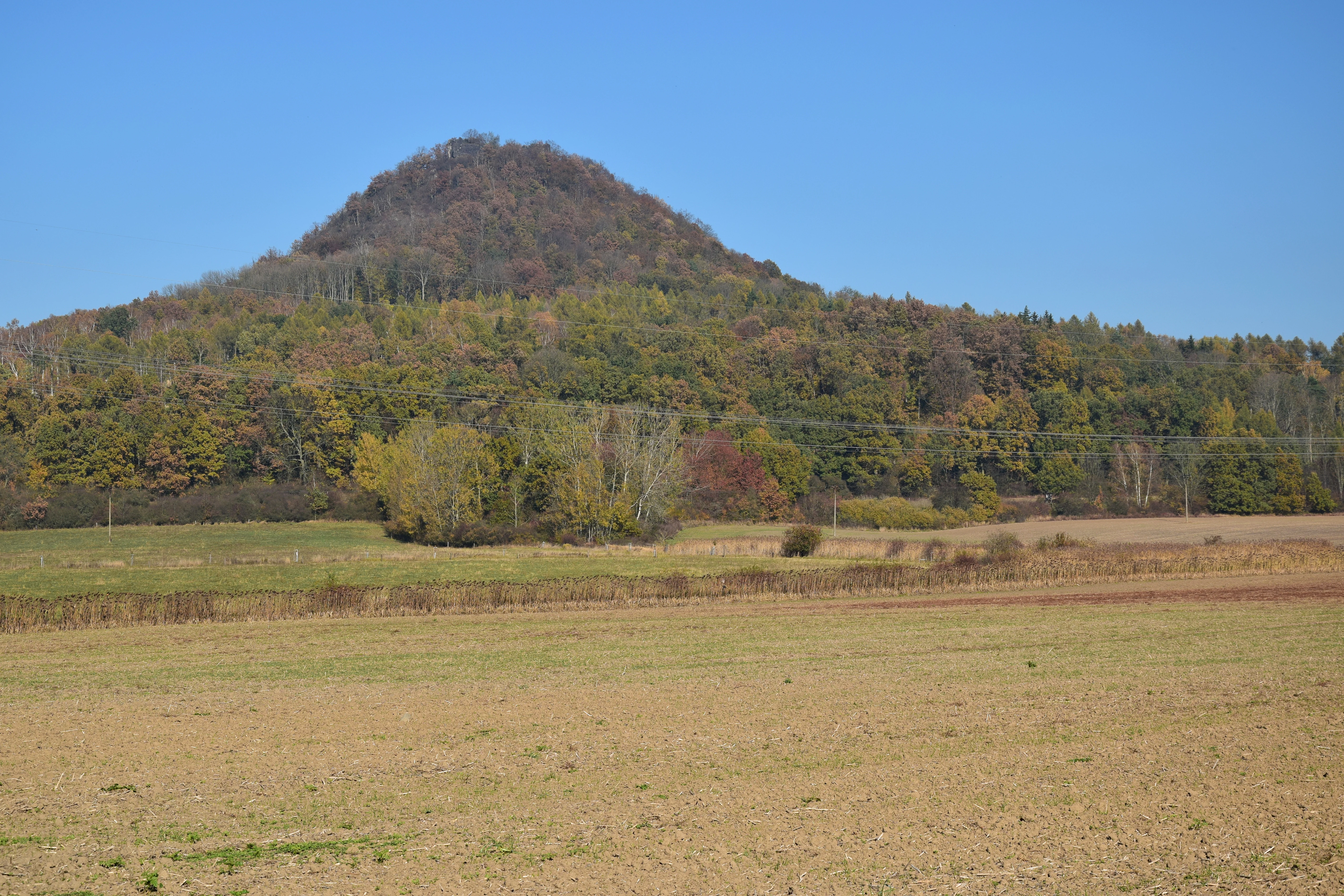
Ronov is best known for its dramatic conical profile and its extensive scree slopes, which form block fields and talus forests beneath the summit. The hill is also recognized for its rare botanical communities, including significant populations of Lilium martagon and isolated populations of Cotoneaster integerrimus. Adding to its identity, the medieval Ronov Castle ruin crowns the peak, making the hill a place where volcanic geology, biodiversity, and human heritage converge.
Ronov Nature Reserve history and protected-area timeline
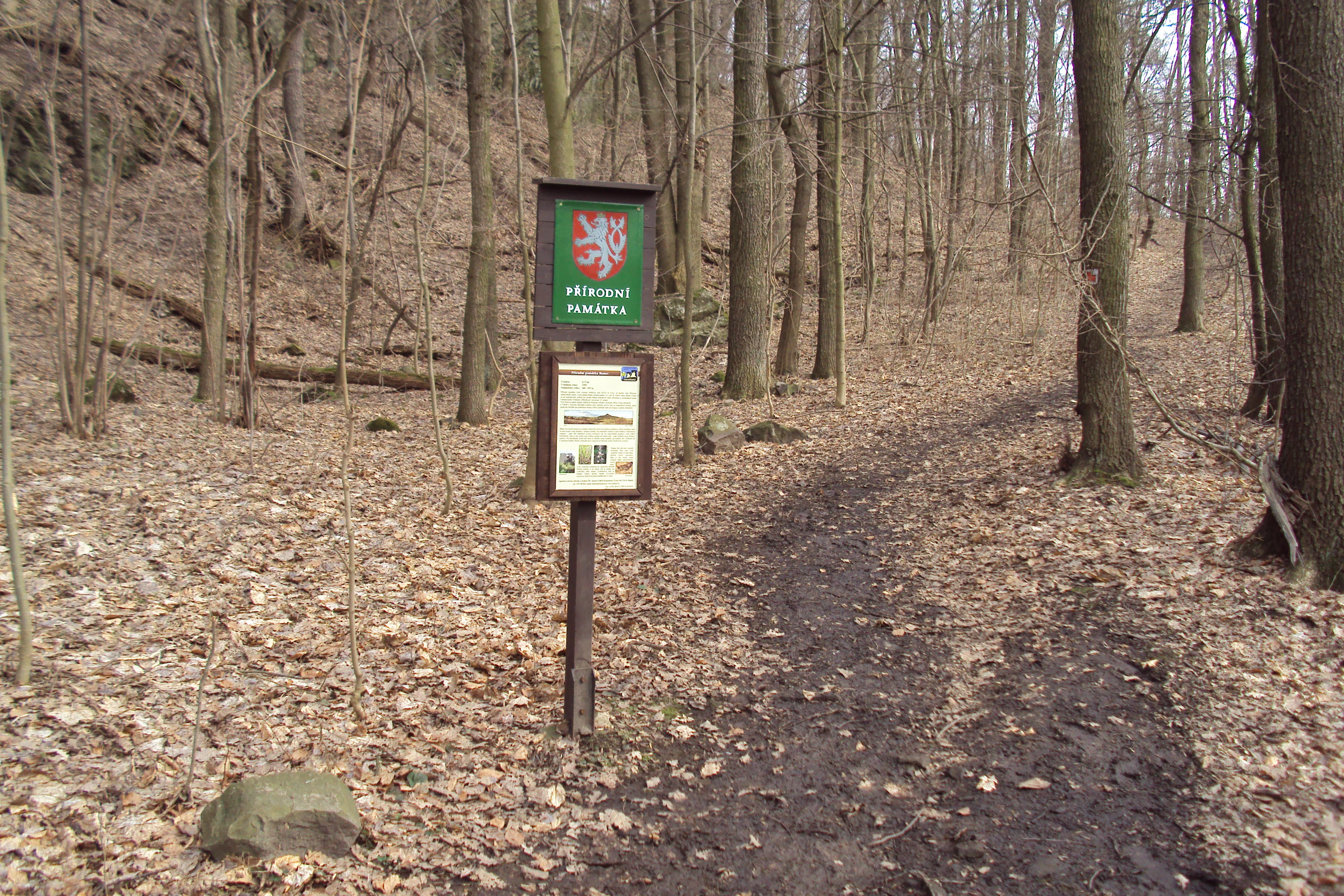
Ronov's history as a protected natural area began on 8 May 1995, when the site was formally declared a nature monument by the administration of the Kokořínsko Protected Landscape Area. The declaration recognized the hill's unusual basalt geology, its scree forests, and its rare botanical species as features worthy of conservation. Since its designation, the reserve has been managed as part of the broader protected landscape network of northern Bohemia, and the area has also been incorporated into the European Site of Community Importance known as Ronov – Vlhošť.
Beyond modern conservation, the hill carries an older human history. The castle of Ronov once stood atop the summit, and although it is now in ruins, the site remains a notable feature of regional heritage. The combination of medieval ruins, continuous forest cover, and largely undisturbed bedrock makes the hill a place where natural and cultural histories physically overlap.
Ronov Nature Reserve landscape and geographic character
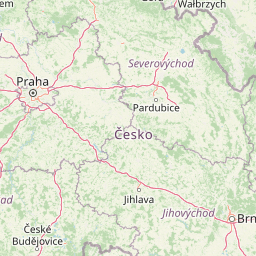
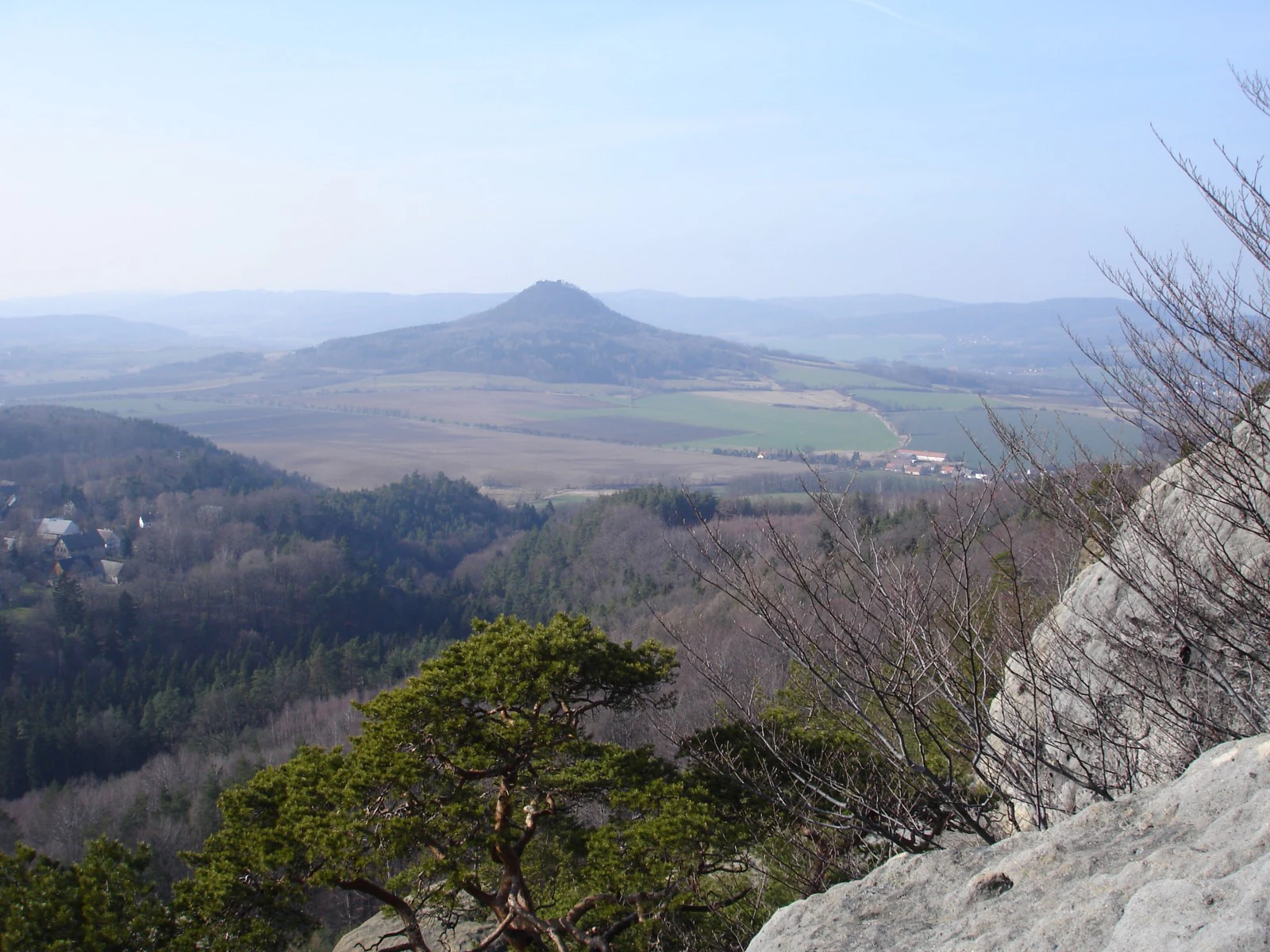
Ronov's landscape is defined by its sharply conical volcanic profile, which rises abruptly from the more gently rolling terrain of the Polomené hory and the broader Ralská pahorkatina. The hill's slopes are unusually steep, and erosion of the basalt bedrock has produced extensive block fields and talus slopes on the steeper flanks. These rocky surfaces blend downward into the forested lower slopes, where scree meets mature deciduous woodland.
The summit of Ronov offers wide panoramic views across the surrounding Bohemian highlands, including distant views toward the neighboring peak of Vlhošť. From the surrounding landscape, the hill is itself a prominent visual landmark, recognizable by its near-symmetrical conical silhouette. Streams descending from the broad flanks of the hill feed into the Ploučnice river system, eventually reaching the Elbe watershed.
Ronov Nature Reserve ecosystems, habitats, and plant life
The ecological character of Ronov is shaped by its unusual geology. The volcanic bedrock produces thin soils, warm microclimates on south-facing slopes, and dry, rocky habitats that contrast strongly with the mesic forests typical of the surrounding region. These conditions have allowed the development of rare plant communities, including extensive populations of Lilium martagon, the martagon lily, which thrives in the open and semi-scree forest habitats on the hill.
The slopes of Ronov also support block-field habitats where slow soil formation allows lichens, mosses, and rock-adapted shrubs to establish. Among the notable botanical species recorded on the hill is Cotoneaster integerrimus, a dwarf shrub that is rare in Czech flora and dependent on exposed, rocky habitats. Forests on the more stable slopes are dominated by oak-hornbeam woodland, with patches of scree forest where maple species establish among the basalt rubble.
The reserve's protected status reflects the need to preserve these distinctive habitat mosaics, which are uncommon at the regional scale. Even though the protected area covers only around 8.7 hectares, the site provides habitat for species that rely on the unique combination of rocky terrain, dry warm slopes, and old-growth deciduous canopy found here.
Ronov Nature Reserve wildlife and species highlights
Although small in size, the Ronov reserve supports a notable assemblage of species linked to rocky basalt habitats and deciduous forests. Among the recorded invertebrates is the ground beetle Leistus montanus, a species of conservation interest in Central Europe, along with the earthworm genus Allobophora, which contributes to the slow decomposition processes in scree soils.
Reptile species also feature prominently on the hill, with the smooth snake (Coronella austriaca) recorded among the protected fauna adapted to warm, rocky terrain. The combination of stone seas, dense leaf-litter, and mature broadleaf forest on the slopes supports a varied community of insects, spiders, and small vertebrates, most of which remain linked to the microhabitat structures created by the basaltic geology rather than to the broader regional forest fauna.
Ronov Nature Reserve conservation status and protection priorities
Ronov was declared a nature monument in 1995 to safeguard a combination of geological, botanical, and zoological values that are rare at both regional and national scales. The designation specifically recognizes the extensive scree formations and the specialized plant and animal species that depend on them. Although the reserve's total area is modest, its ecological significance is disproportionately high because few remaining sites in the Czech Republic combine volcanic exposed bedrock with semi-natural old-growth deciduous forest.
Administered as part of the Kokořínsko – Máchův kraj Protected Landscape Area, Ronov also contributes to broader landscape-scale conservation. Its inclusion in the European Site of Community Importance known as Ronov – Vlhošť connects it with neighboring Vlhošť and supports migratory and dispersal pathways for species that require multiple, spatially distributed rocky and forest habitats.
Ronov Nature Reserve cultural meaning and human context
Beyond its natural importance, Ronov holds cultural significance tied to the medieval Ronov Castle, whose ruins remain visible on the summit. The castle combined with the hill's commanding views supports its role as a small but recognizable landmark in Bohemian cultural memory. The surrounding villages, including Blíževedly, Kravaře, and Stvolínky, have long been connected with the hill both visually and through traditional use of the surrounding forests.
Top sights and standout views in Ronov Nature Reserve
Ronov stands out for the unusual sharpness of its volcanic cone profile and the panoramic views from its summit. Large stone seas stretching across the flanks of the hill provide some of the most visually striking basalt scree formations in the Ralská pahorkatina, while the population of Lilium martagon on the slopes makes the site a notable botanical destination during the flowering season. Above all, the combination of rare scree-forest ecosystems, protected flora, and a medieval castle ruin creates a uniquely layered landmark at the edge of the Kokořínsko – Máchův kraj Protected Landscape Area.
Best time to visit Ronov Nature Reserve
Ronov is most rewarding in late spring and early summer, when the slopes' martagon lilies are in bloom and the weather offers clear panoramic views from the summit. Autumn provides a quieter atmosphere and crisp visibility across the Bohemian highlands, while winter visits are best suited for hikers comfortable with the steep scree-covered slopes. The reserve's scenic value remains strong throughout the year thanks to the hill's distinctive conical shape and the ever-present backdrop of the surrounding Polomené hory.