
Visit Timing
When Is the Best Time to Visit Teide National Park?
Determining the best time to visit Teide National Park requires navigating the significant contrast between the park's central highland environment and the lower elevations of Tenerife. Because the park acts as a vertical transition zone, the most effective planning involves understanding that conditions at the caldera floor can shift drastically from those found at the peak. There is no single universal period for every visitor, as the most suitable time depends entirely on whether your priority is alpine hiking, stargazing, or experiencing the unique botanical cycles that define this volcanic landscape.
The Vertical Climate Challenge
The primary factor shaping your visit is the elevation, which dictates temperature and atmospheric stability. While the surrounding island may experience mild maritime conditions, the park interior exists in a high-altitude, thin-air environment where the sun is more intense and nights can plummet toward freezing even when lower coastal areas remain warm. Rainfall patterns here are also distinct; while the park remains largely arid, the transition seasons often bring instability that can close high-altitude access routes. When choosing your dates, prioritize the trade-off between the milder, longer daylight hours of late spring and the crisp, cloud-free nights preferred for astronomical observation.
Environmental Drivers for Timing
Three core factors determine the quality of your experience throughout the year. First, the bloom cycle of endemic flora like the Teide bugloss creates a brief, visual peak in late spring. Second, wind and cloud levels are critical; while clouds typically sit below the two thousand meter mark, periods of high wind can significantly impact the accessibility of peak-summit transit. Finally, the rare phenomenon of Calima, or Saharan dust events, remains an unpredictable variable that can reduce visibility to near zero regardless of the season. Because these conditions are environmental rather than purely seasonal, planning requires flexibility.
By viewing the year as a series of micro-climates rather than rigid four-season blocks, you can better align your trip with your specific interests. Whether you are seeking the vibrant red hues of the landscape in May or the crystalline, dark skies of the winter months for viewing the cosmos, the park remains a distinct entity that demands preparation for sudden environmental shifts. Relying on seasonal generalizations can be misleading, so treat your timing as a decision based on the balance of light, temperature stability, and the specific volcanic terrain features you wish to access.
Seasonal Planning
Best Months for Visiting Teide National Park
Spring Bloom and Mild Highland Conditions: May and June
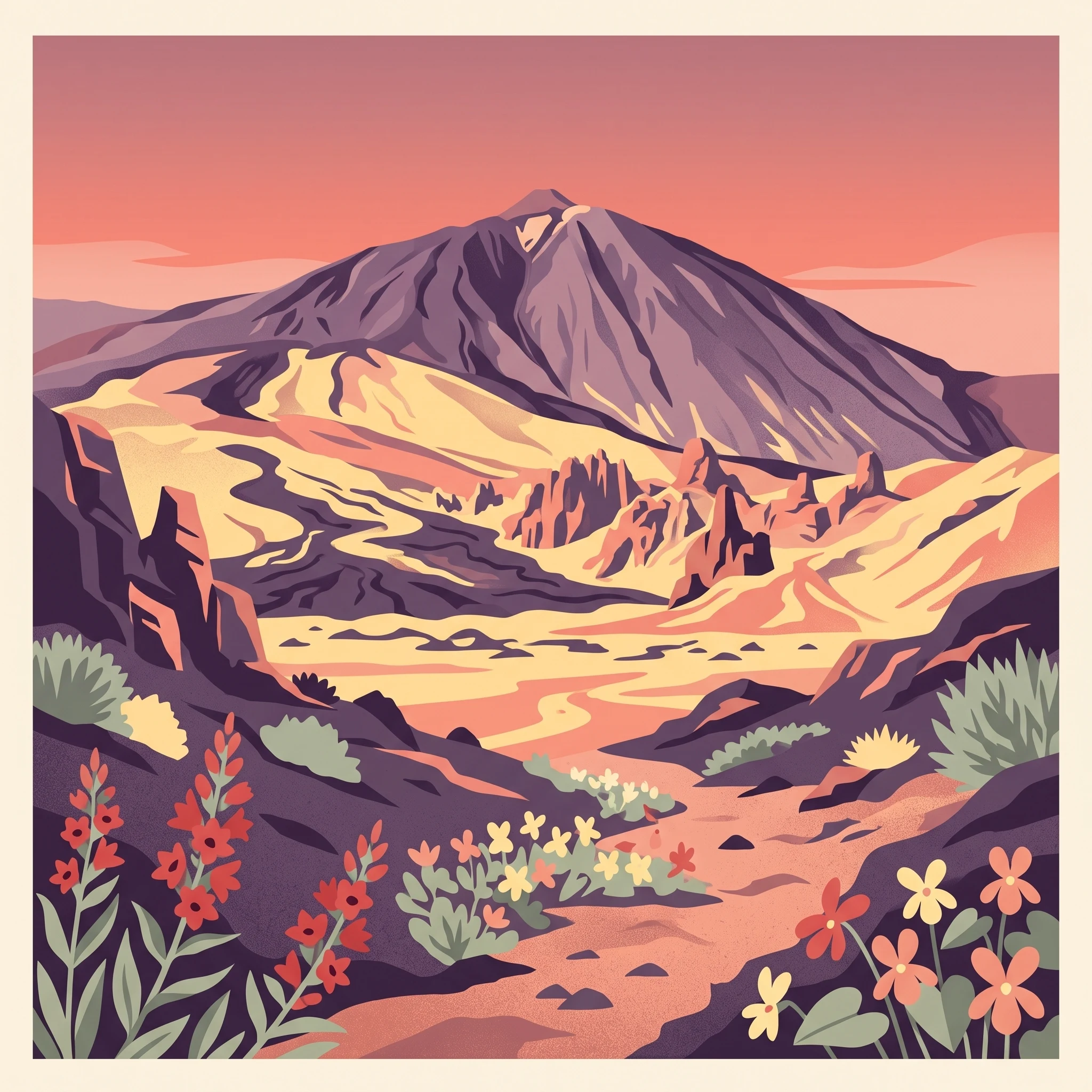
For many visitors, the period between May and June represents the ideal window to experience the park's botanical uniqueness. This timeframe is characterized by the striking flowering of the Teide bugloss, a red, tower-like plant that dominates parts of the landscape. During these months, the daily mean temperatures are rising comfortably, providing excellent conditions for daytime exploration of the volcanic fields. Because the park's high-altitude climate is distinct from the coastal areas of Tenerife, May and June offer a vital period where the risk of extreme thermal drops is mitigated, making it easier to plan extended outdoor activities without the intensity of peak summer heat.
The Stargazing Window: Winter Months
While coastal Tenerife experiences milder winters, the high-altitude volcanic landscape of the park provides some of the clearest skies in Europe during the winter months of December, January, and February. Visitors prioritizing astronomy or photography will find these months advantageous due to the stability of the atmosphere above the cloud inversion layer, which typically sits below 2,000 meters. The trade-off for this clarity is the requirement for substantial thermal gear. While the sun can feel intense during the day, the alpine temperatures at elevations exceeding 2,000 meters drop significantly once darkness falls. Travelers should treat winter as a season for dedicated observation rather than casual sightseeing, as the environmental conditions are more unforgiving than in the transitional spring months.
Transition Periods and High-Summer Heat: July to September
July, August, and September mark the peak of the park's thermal cycle. During these months, the maximum temperatures at lower elevations rise, and the park becomes a focus for those seeking intense, dry volcanic landscapes. Wind speeds can be more pronounced during mid-summer, which occasionally influences the perceived temperature on exposed ridge lines. This period is best suited for visitors who are comfortable with heat and desire the longest daylight hours of the year, providing ample time for traverses across the caldera. The main trade-off during this season is the potential for increased UV exposure and the need for rigorous hydration strategies, as the high-altitude, thin air offers little relief from the summer sun. Those looking for cooler air temperatures are better served by planning their visits in the shoulder months of late spring or early autumn, when the thermal intensity is lower but the accessibility remains high.
Annual Climate Overview
Teide National Park Weather and Climate Trends by Month
Understanding the climate of this volcanic landscape requires a clear distinction between the coastal environments of Tenerife and the high-altitude reality of the park itself. The long-term climate normals, measured at lower elevations, demonstrate an annual pattern that is generally temperate, yet it provides only a foundation for the significantly colder and more exposed conditions visitors will encounter as they ascend toward the caldera and the summit of Mount Teide.
Annual Temperature Trends and Variability
Temperatures throughout the year remain relatively consistent at lower altitudes, with mean values hovering between approximately 17 degrees Celsius in the cooler months and 22 degrees in the peak summer period. While these averages might suggest a moderate environment, they mask the rapid temperature drops that occur with every few hundred meters of elevation gain. Daytime maximums regularly climb into the mid-20s during summer, yet the thinner air at higher altitudes means that once the sun begins to set, temperatures can plummet toward freezing. Visitors should interpret these climate normals as coastal or mid-slope baselines rather than precise forecasts for the high-altitude park terrain, where weather is prone to sudden, elevation-driven shifts.
Precipitation Patterns and Humidity
The park experiences a distinct annual rhythm regarding moisture. Precipitation is notably low, with the summer months of June and July showing minimal average daily rainfall. As autumn progresses into winter, the frequency of precipitation increases slightly, though the park remains arid compared to more northern latitudes. Humidity levels reflect this, typically sitting in the mid-70 to low-80 percent range. While these numbers suggest a generally dry environment, the accumulation of moisture during winter months can lead to frost or even light snowfall at the highest points of the park. It is essential to view these statistics as long-term averages rather than a guarantee of dry weather, particularly during transition seasons when local wind patterns can transport moisture into the higher caldera.
Wind, Daylight, and Atmospheric Stability
Daylight hours follow a standard seasonal curve, offering over 13 hours of sunlight during the summer solstice in June and July, which provides ample time for exploration. In contrast, winter days shorten to approximately 10 hours, significantly compressing the window for safe, high-altitude hiking. Wind speeds are a critical factor in how the climate feels to visitors; averages reach their peak in July and August. At high altitudes, these wind conditions are amplified by the terrain, often making wind chill a major factor regardless of the ambient air temperature. Additionally, visitors should be aware of the Calima, an atmospheric phenomenon that can occur at any time of year. This influx of Saharan dust not only impacts visibility but can also lead to sharp, sudden changes in temperature and air quality, rendering standard climate averages temporarily irrelevant.
Seasonal dynamics
Understanding climate transitions and seasonal patterns at Teide National Park
Rather than applying a rigid four-season model that relies on temperate latitude norms, visitors to Teide National Park should view the annual climate as a transition between stable, arid cycles and periods of atmospheric variability. Because the park landscape sits at high elevation, the climate is dictated more by its altitude relative to the trade winds and the Atlantic inversion layer than by traditional calendar cycles.
The Arid and Stable Season
From late spring through early autumn, the park experiences its most stable phase. During these months, the inversion layer typically keeps the dense cloud cover of the Atlantic well below the park boundaries, resulting in clear, dry, and sunny conditions at the higher reaches of the caldera. This period is defined by low humidity and high solar exposure, which makes it the most predictable window for outdoor activities like hiking and stargazing. The absence of significant precipitation during this phase allows for the characteristic stark, volcanic views of the caldera to remain unobstructed. While daytime temperatures are manageable due to altitude, the high UV index remains a consistent factor for anyone navigating the landscape during this phase.
The Transition and Variable Months
As autumn progresses into winter, the park enters a period characterized by atmospheric instability. This is the window where the likelihood of precipitation increases, and temperatures, particularly overnight, drop significantly. Unlike the stable arid months, this phase is when the park is most susceptible to the influence of passing weather systems that can disrupt the normally clear skies. While not a monsoon-like rainy season, this period represents a clear shift in conditions where clouds may spill over into the caldera, and the higher peaks of Mount Teide may experience temperatures near or below freezing. This period requires the most flexibility in planning, as the wind speeds and visibility can fluctuate rapidly in response to regional Atlantic weather patterns.
Identifying the Calima Factor
An essential component of the park's seasonal dynamics is the periodic occurrence of Calima, a weather event driven by wind carrying Saharan dust. This phenomenon does not follow a strict monthly schedule, but it represents a significant, short-term transition in the park's climate. During a Calima event, visibility drops sharply, air quality changes, and the typically clear, arid atmosphere is replaced by a hazy, warmer environment. Visitors should understand that the park's weather is not merely about the calendar month but about the interaction between long-term atmospheric patterns and these sporadic, high-impact events. Because these occurrences are short-lived but impactful, the seasonal rhythm of the park is best understood as a baseline of either stability or variability, rather than a fixed series of predictable weather states.
Seasonal Experiences
Experiencing the Landscapes and Flora of Teide National Park Year-Round
Navigating the Volcanic Terrain Through the Year
Visitors to the park often discover that the experience of the landscape shifts significantly based on the time of year, largely dictated by the interplay between altitude and solar intensity. The volcanic landscape of the Las Cañadas caldera, characterized by vast lava flows and rock formations like the Roques de García, remains accessible throughout the annual cycle, but the conditions underfoot and the atmospheric clarity vary. During the warmer, more stable months, the dry volcanic ground retains heat, making exploration more demanding under the sun. In the cooler periods, the high-altitude air can reach temperatures near the freezing point, requiring layers and careful attention to the environment, particularly when the wind rises across the exposed slopes.
Seasonal Botanical Cycles and High-Altitude Flora
The park is home to specific endemic flora that define its biological profile, with the timing of these displays offering a natural calendar for visitors. The Teide bugloss, known for its tall, red-flowered spikes, typically commands attention during the late spring months of May and June. Planning a visit during this period aligns with the peak visual appeal of this species in its natural habitat. Conversely, the Teide violet, which resides at the highest elevations within the park, remains a more subdued presence that persists in the rocky, alpine zones. Because these plants are highly sensitive to their environment, their growth patterns are directly linked to the moisture and temperature cycles established over long-term norms, rather than specific human-managed schedules.
Stargazing and Atmospheric Stability
Beyond the daytime volcanic formations, the park is recognized as an international destination for astronomical observation, anchored by the presence of the Teide Observatory at an elevation of 2,371 meters. The quality of the night sky is often most consistent during periods when low-level clouds are trapped below the caldera ridge, a phenomenon that provides clear, steady viewing conditions above the inversion layer. While these conditions can occur throughout the year, the stability required for astronomical activities is frequently interrupted by episodes of dust-laden air known as Calima. These weather events can limit visibility, emphasizing the need for visitors to remain flexible and verify current atmospheric conditions, as the clarity of the skies is never guaranteed by a calendar date alone.
Walking and Climbing in Challenging Conditions
Hiking trails, ranging from the ascent of the peak itself to traverses around the volcanic caldera, demand preparation that accounts for the park's elevation. The terrain is often composed of loose lapilli and sharp magma, which can become more challenging when temperatures fluctuate or when wind speeds increase. Trails leading toward higher peaks, such as the ascent from Montaña Blanca, present an environment where the lack of oxygen and the physical demands of high-altitude movement are constant factors. Whether walking during the longer daylight hours of summer or the shorter, colder days of winter, the environmental conditions,such as the potential for ice or snow at the highest summits,require visitors to select routes that match their physical ability and to confirm the status of local infrastructure, like the cable car, before beginning their day.
Visitor Priorities
Optimizing Your Teide National Park Trip by Interest and Activity
Balancing Climate for Hiking and Physical Activity
For travelers prioritizing hiking and strenuous outdoor activity, the primary goal is finding a window that minimizes heat stress at lower access points while ensuring manageable conditions at high altitudes. The most effective months for sustained walking are typically during the transition periods of late autumn (October to November) or early spring (April to May). During these times, the intense solar radiation of summer decreases, and the wind speeds remain relatively moderate compared to the peak winter months. Hikers should note that the ascent to the higher elevations requires careful planning for significant temperature drops, where the zero-degree mark is common. If your goal is to tackle the trails around the crater or the ascent to the summit, prioritize clear-weather windows to avoid the risk of sudden fog or low-visibility conditions that can render marked trails difficult to navigate.
Targeting Mild Temperatures and Stable Conditions
If your primary preference is avoiding extreme temperatures, look toward the shoulder months of April and May or October. While summer months see the highest average temperatures, they can be accompanied by sustained, higher wind speeds that affect comfort levels during long periods outdoors. In contrast, the period from October through November provides a balance where the heat of summer has dissipated, yet the full force of winter cooling and increased precipitation has not yet arrived. This period is particularly favored for those who want to explore the diverse geological features of the caldera without the exertion caused by extreme heat or the need for heavy winter layers. Always check that your plans remain flexible, as even during these milder months, the alpine climate can change rapidly due to altitude.
Prioritizing Clear Skies and Maximum Daylight
Visitors whose primary goal is stargazing or maximizing their hours of outdoor exploration naturally gravitate toward different seasonal trade-offs. Longer daylight hours, which peak from late May through July, offer the most extensive window for daytime activities such as traversing the volcanic landscapes of the Las Canadas caldera. However, these months require significant preparation for sun exposure, as the thin mountain air provides little protection against solar radiation.
Conversely, those focused on the park's world-renowned night skies will find the greatest stability in late autumn and winter. The reduction in moisture and the atmospheric patterns of the cooler months often produce the clarity required for high-quality astronomical observation. The trade-off for these pristine night conditions is shorter daylight hours and substantially colder temperatures at night, often dropping close to freezing. Travelers should not rely on geothermal warmth near volcanic vents for comfort; bringing adequate thermal gear is essential for any nighttime excursion regardless of the season.
Visitor Access
Seasonal Access and Operational Considerations for Teide National Park
Accessing the high-altitude landscapes of Teide National Park requires more than standard travel planning. Because the park acts as a major ecological and scientific reserve, administrative controls are in place to balance visitor volume with environmental protection. Planning your trip requires distinguishing between general access to the Las Canadas caldera and regulated access to restricted zones like the summit of the volcano.
Summit Access and Required Permits
Reaching the highest point of Mount Teide via the Telesforo Bravo trail is a highly regulated activity. Access is strictly controlled to maintain the integrity of the alpine ecosystem and ensure safety at extreme altitudes. A free permit is mandatory for anyone planning to hike from the upper cable car station at La Rambleta to the summit. These permits are limited to a small number of climbers per day to prevent overcrowding. Because demand often outstrips supply, it is strongly advised to check the official national park reservation website months in advance of your intended travel dates. Without a pre-booked permit, independent hikers will not be granted access to the final ascent path. Always confirm the current permit system, as regulations and the specific trails requiring authorization are subject to change by park authorities.
Operational Status of the Cable Car
For those who prefer a mechanical ascent, the teleferico serves as the primary gateway to the high-mountain environment. This service is sensitive to local weather conditions, particularly high wind speeds and winter ice. When conditions are deemed unsafe, the service is suspended, which directly impacts the ability of thousands of daily visitors to reach the upper station. Tickets are sold for specific time slots, and purchasing in advance is necessary to guarantee your boarding time. If you book a slot, you must monitor local weather updates and official service announcements, as operations can be halted on short notice. If the cable car is not running, access to the higher trails is effectively restricted to those prepared for a significantly longer and more physically demanding climb from the base.
Seasonal Route Considerations
Beyond the summit, specific hiking routes throughout the caldera and volcanic slopes may have their own access requirements or seasonal recommendations. Some paths are subject to temporary closure for maintenance or safety reasons, and regulations regarding hiking permits for non-summit routes have been introduced for certain zones. Before embarking on any hike, consult the official Tenerife and national park websites to verify if your chosen trail is currently open and if a specific permit is required for your travel dates. Relying on older guidebooks or historical descriptions is insufficient for planning, as the operational status of trail infrastructure can shift to reflect current management policies.
Safety and Preparation
Weather Expectations and Seasonal Safety in Teide National Park
Managing Thermal Variability and Solar Exposure
The most critical aspect of physical preparation for Teide National Park is acknowledging that coastal temperatures on Tenerife rarely reflect the environment within the highlands. Even when the lowlands experience consistent warmth, the park elevation, which begins significantly above sea level, presents a distinct alpine environment. Travelers should expect rapid changes in apparent temperature, especially when moving between the shaded sides of rock formations and areas of direct solar exposure. Because of the high altitude, ultraviolet radiation remains potent throughout the year, regardless of the season or the recorded air temperature. Preparation should focus on layering, as wind chill frequently lowers the felt temperature, particularly near the caldera rim or at the summit, where gusts can be persistent and biting.
Preparing for Elevation and Rapid Ascent
Visitors planning to reach the higher reaches of the park, including the summit, should be mindful of how the rapid change in elevation affects the body. While the cable car facilitates quick access, this efficiency means the body has little time to acclimatize to lower oxygen levels. Those who spend time in the lower-elevation zones of the park before ascending often manage these transitions better than those arriving directly from sea level. If you experience symptoms such as dizziness or shortness of breath, the most reliable course of action is to descend to a lower altitude immediately. Because cable car queues can be lengthy during peak hours, it is prudent to plan your ascent based on how you feel on the day, rather than adhering to a rigid, pre-booked schedule if you are not feeling well.
Seasonal Weather Preparedness
Seasonal changes in the park are best viewed through the lens of atmospheric stability rather than standard four-season patterns. During winter months, cold temperatures and occasional high-altitude winds can lead to freezing conditions, requiring robust wind-resistant clothing and extra insulation. In contrast, the summer months bring intense, unshielded sunlight that necessitates high-coverage sun protection. Calima events,episodes of Saharan dust that reduce visibility and air quality,can occur at any time of year. These events are often forecast a few days in advance; checking official meteorology reports before heading up is a standard, vital step for any visitor. Always verify current conditions, such as trail closures or wind speed warnings, through official park authority channels, as weather in the high volcanic terrain can shift significantly within a single day.
Finalizing your visit
How to choose the best time to visit Teide National Park
Choosing the right time for your visit to the highlands of Tenerife requires weighing your specific travel goals against the park's distinct, elevation-driven climate. Because the landscape ranges from coastal zones to the high-altitude summit, there is no single month that serves everyone. Your decision should center on whether you prioritize the botanical activity of the spring, the observational clarity of the winter, or the extended daylight of the summer months. Each period introduces a trade-off, where gaining mild temperatures at lower levels may require sacrificing the crystalline visibility needed for astronomy or the unique flora viewing opportunities found only in the late spring.
For those drawn to the park's famous endemic botany, specifically the flowering of the Teide bugloss, focusing your plans around the late spring months is essential. This period offers a unique intersection of manageable temperatures and biological activity. Conversely, if your priority is the high-altitude stargazing experience that makes this site a world-class observatory, you must shift your focus toward the winter months. While this necessitates preparing for colder, alpine conditions and the possibility of intermittent, short-term winter weather volatility, the atmospheric stability during these months provides the most reliable window for viewing the night sky. Summer visitors benefit from the longest days and most consistent accessibility for daytime exploration, yet they must be prepared for the intensity of the high-altitude sun and the potential for crowding at the most popular geological sites.
Ultimately, the most successful visits are defined by flexibility. Because weather patterns at extreme altitude are fundamentally different from those at sea level, you must avoid relying on coastal forecasts when planning your mountain itinerary. Prior to departure, verify your plans against official, current trail status reports and cable car operating schedules, as these can change based on real-time wind and weather conditions. By identifying your primary objective, such as photography or peak exploration, and then aligning that goal with the seasonal trade-offs of temperature and visibility, you can select the window that best suits your needs. Regardless of the month you choose, your preparation should always include contingencies for rapidly shifting conditions inherent to volcanic high-altitude environments.