Why Thornybush Game Reserve stands out
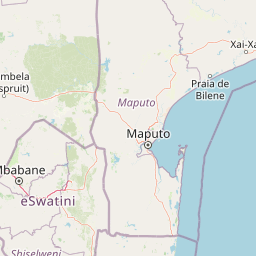
Thornybush is best known for its unfenced border with the Kruger National Park, which effectively extends the Kruger ecosystem into a smaller, privately managed reserve. This makes the reserve notable for sightings of the Big Five, including healthy populations of lion, leopard, white rhino, elephant, and Cape buffalo, together with a broad mammal and bird community typical of the Lowveld savannah. Equally distinctive is the reserve's character as a private safari destination. A cluster of upscale game lodges, including both bush camps and riverside lodges, sustain the reserve financially while contributing to local community projects and sustainable land use around it.
Thornybush Game Reserve history and protected-area timeline
The reserve's modern form emerged as part of South Africa's broader turn toward private conservation and ecotourism in the Lowveld. Land originally used for mixed ranching was consolidated into a single managed wildlife area, with the unfenced border with Kruger National Park preserved to maintain natural wildlife movement.
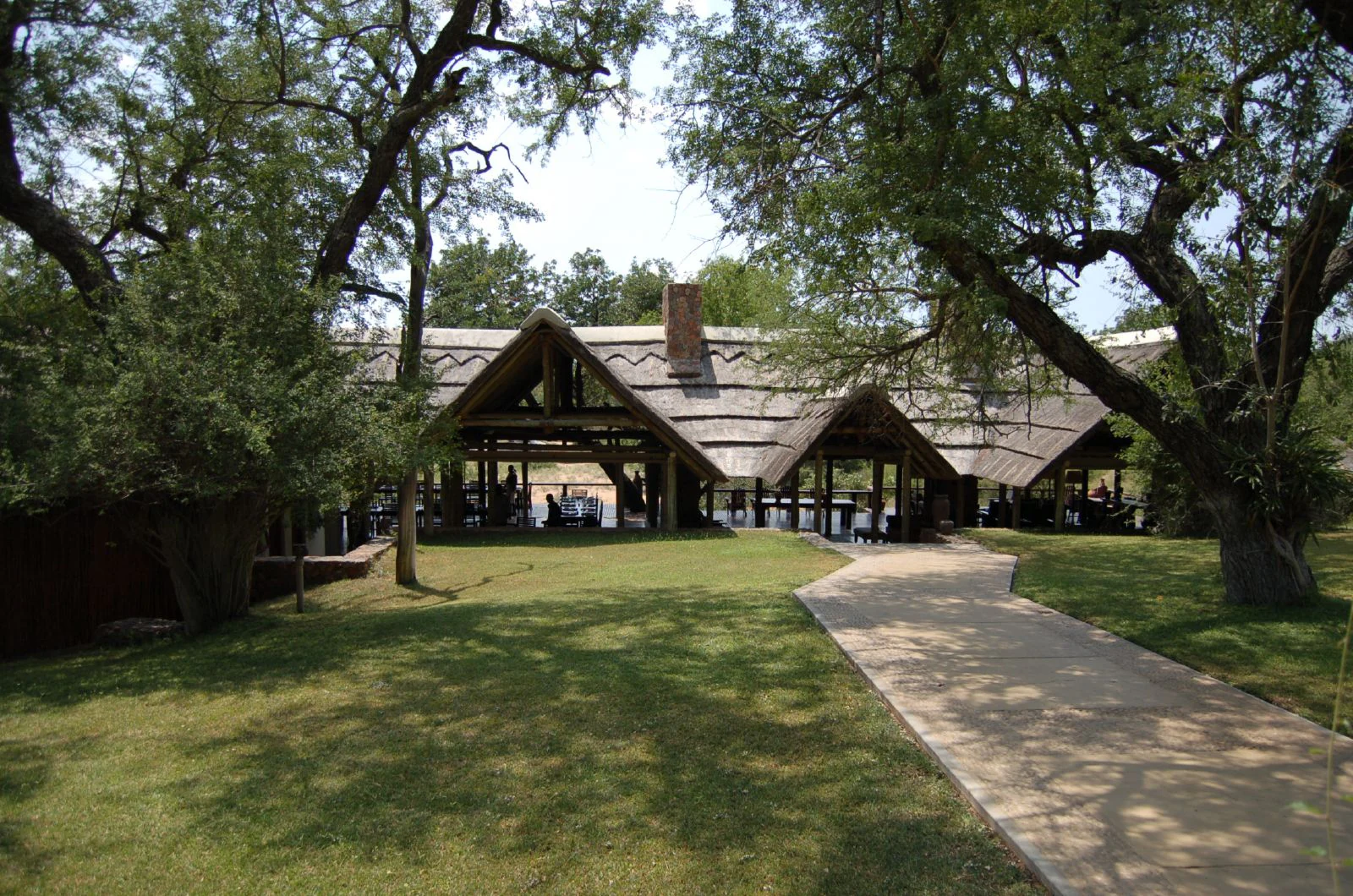
Over time, the property evolved from a multi-landowner patchwork into a coordinated private reserve built around commercial safari lodges. This transition brought investment in wildlife management, anti-poaching efforts, and community programs, aligning Thornybush with the conservation philosophy used by neighboring reserves such as Kapama and Timbavati. The lodge infrastructure, including both tented camps and bush lodges, was developed incrementally as the reserve's reputation for close-range game viewing grew.
Thornybush Game Reserve landscape and geographic character
Thornybush is dominated by the open savannah typical of the Lowveld, a broad-leaved woodland mixed with grass-covered plains and seasonal rivers. The terrain generally consists of gently undulating land, with denser vegetation along watercourses and more open grassy expanses on the higher ground between them. The reserve's location within the broader Kruger ecological zone means its soils, vegetation, and rainfall patterns closely mirror those of the national park to the east.
The seasonal rivers and the riparian fringes along them are a defining visual and ecological feature, supporting lush growth that contrasts with the otherwise open bushveld. This mosaic of dry savannah and moist riverine woodland gives the reserve a varied character over short distances and helps support a wide range of herbivore species.
Thornybush Game Reserve ecosystems, habitats, and plant life
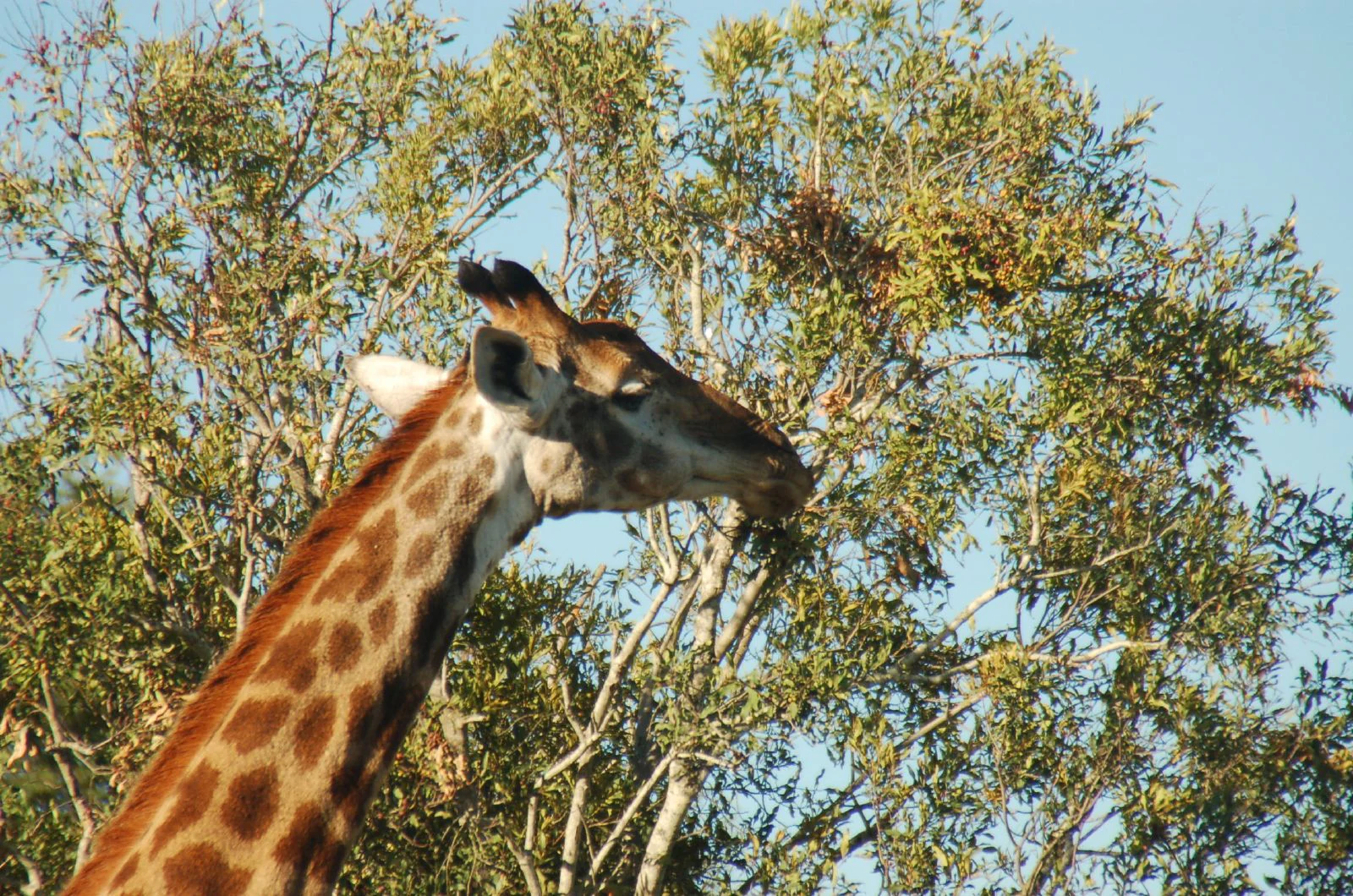
The reserve's ecological value rests on its savannah-and-riverine mosaic and its direct ecological link to Kruger National Park. Habitats supported within the property include open grassveld, mixed thornveld, and well-vegetated riparian zones along seasonal watercourses, all of which are characteristic of the Lowveld biome. This combination supports a broad spectrum of herbivores, from grazers such as zebra, wildebeest, and buffalo to browsers such as kudu and giraffe.
Because Thornybush is integrated into the Greater Kruger system ecologically rather than separated from it, the reserve benefits from a richer species pool than its size alone would suggest. Predator populations, scavenger guilds, and the smaller mammal communities typical of bushveld habitats are all present and shaped by the same seasonal ecological cycles that govern the broader region.
Thornybush Game Reserve wildlife and species highlights
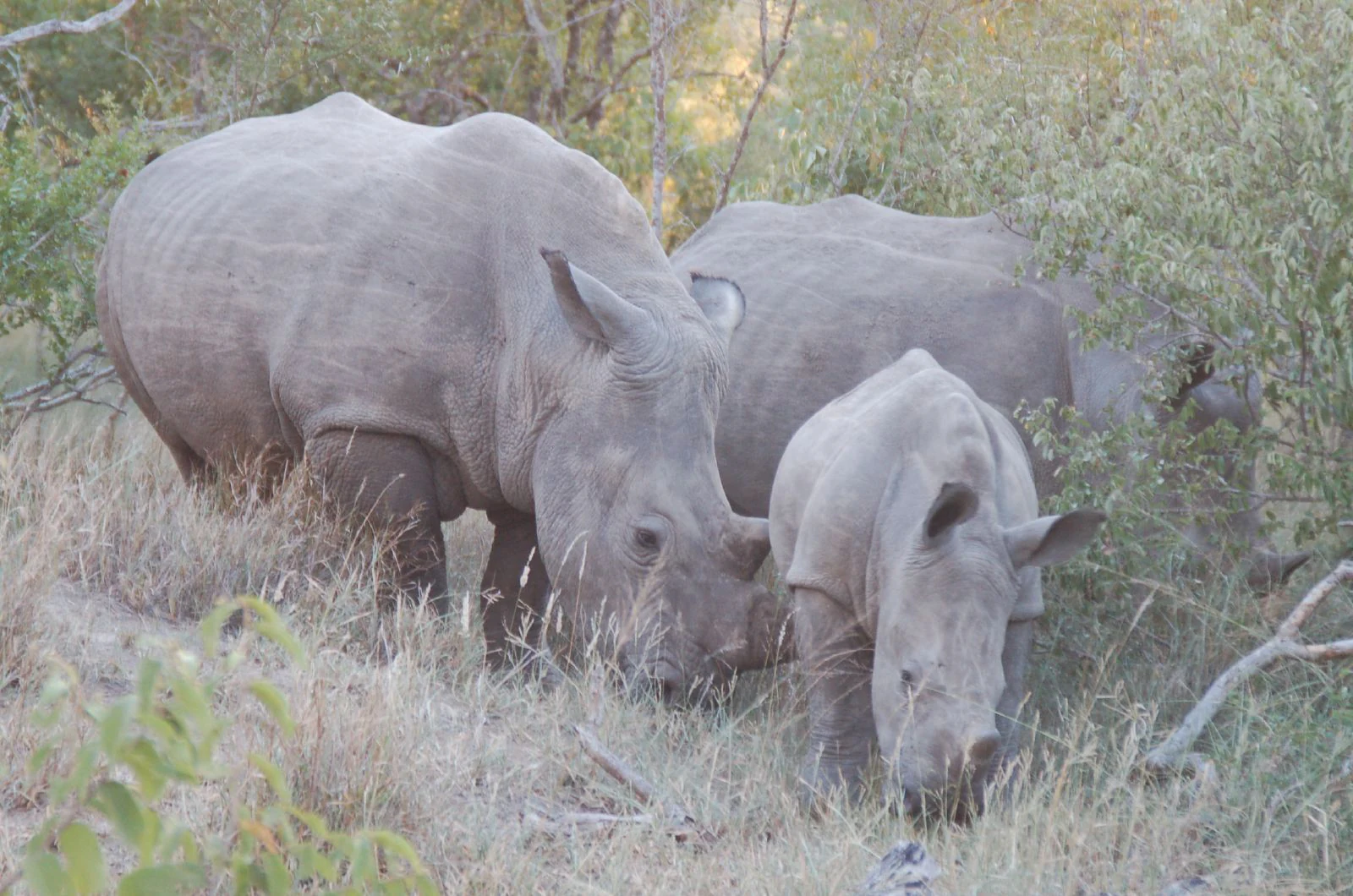
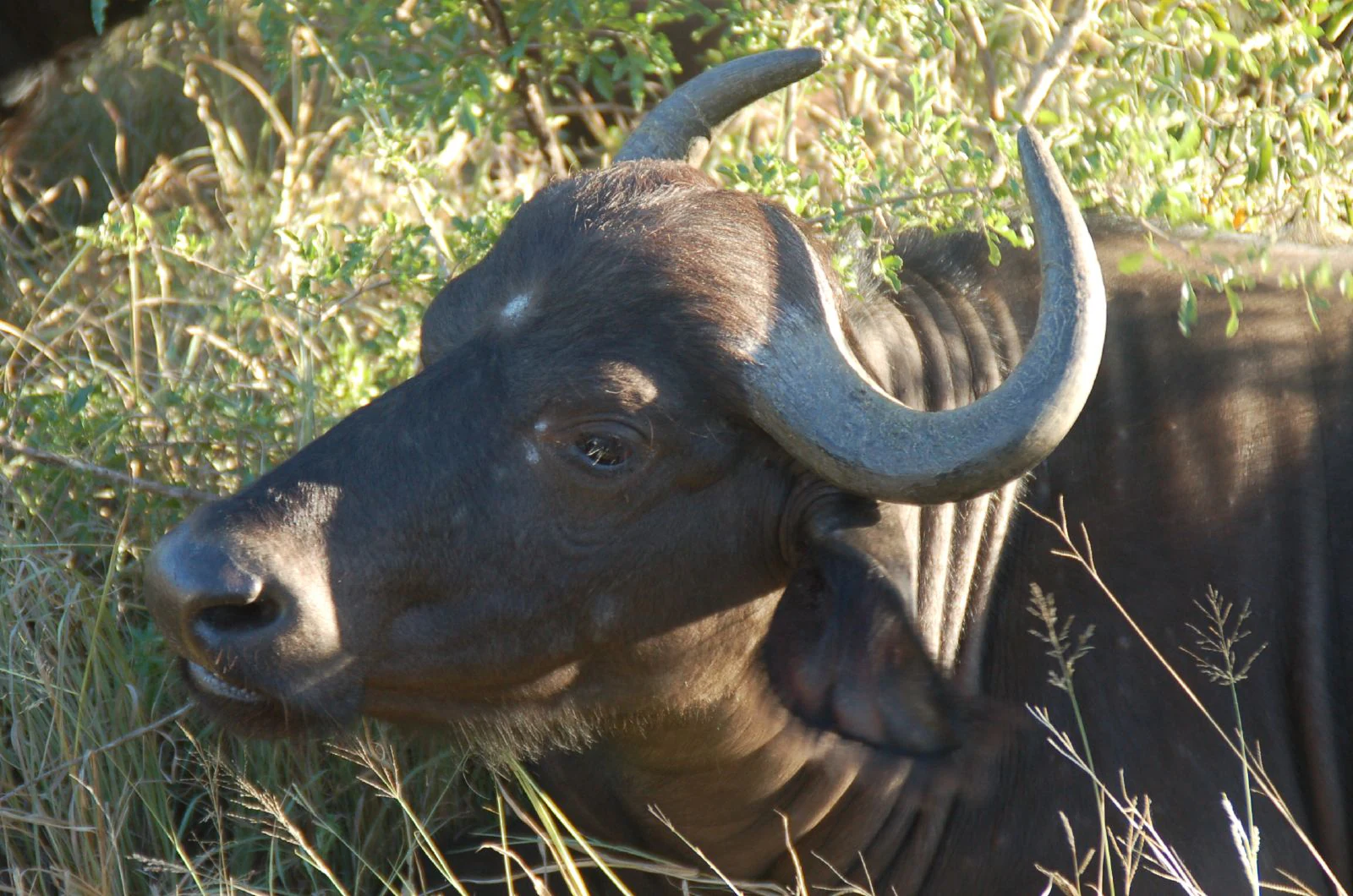
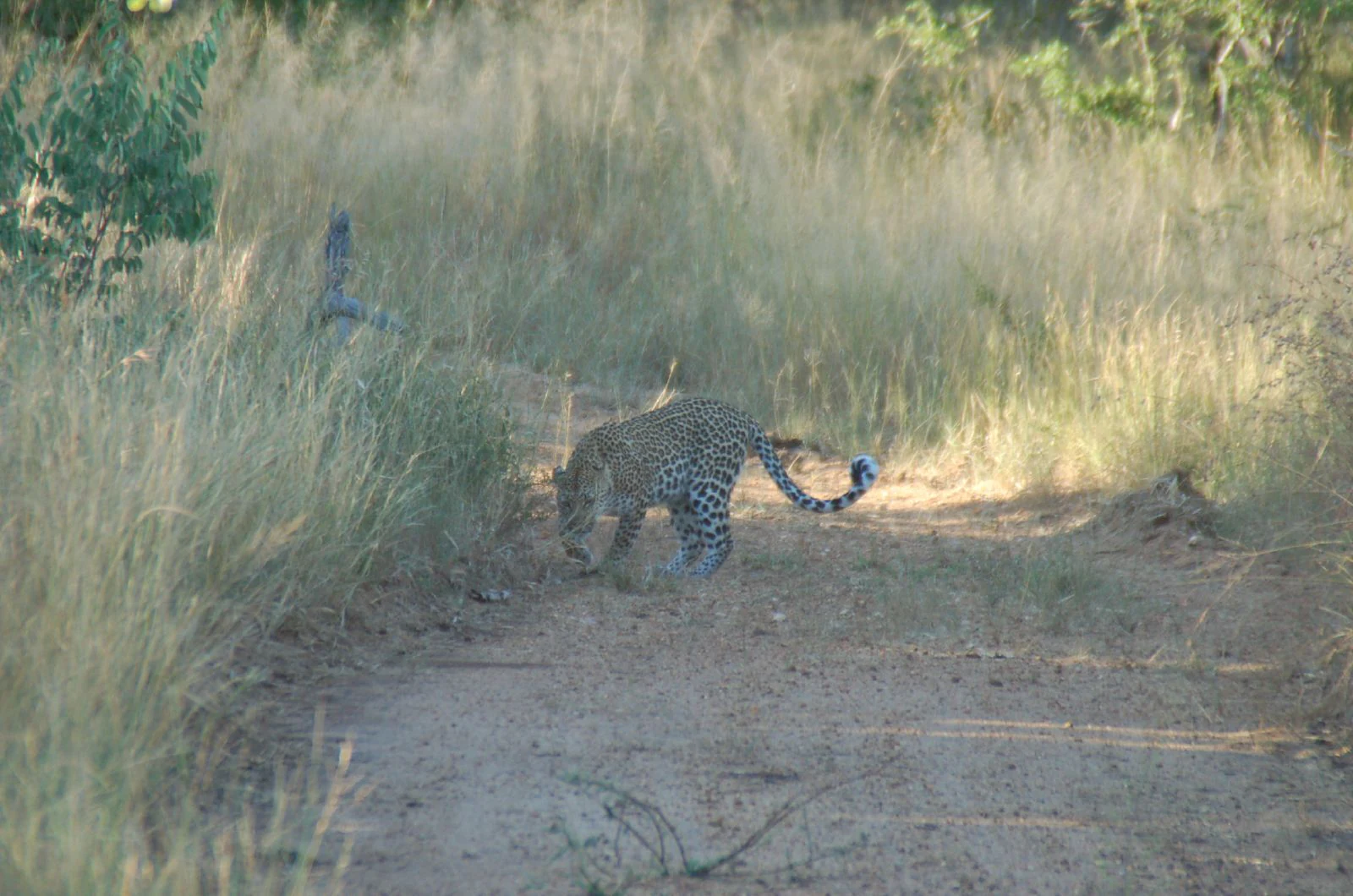
Thornybush supports an unusually diverse wildlife community for a private reserve, with the lack of an internal fence along the Kruger boundary allowing regular movement of large mammals in and out of the property. The reserve is known for the Big Five: lion, leopard, white rhino, elephant, and Cape buffalo, all of which can be encountered within the reserve's open savannah and riverine habitats.
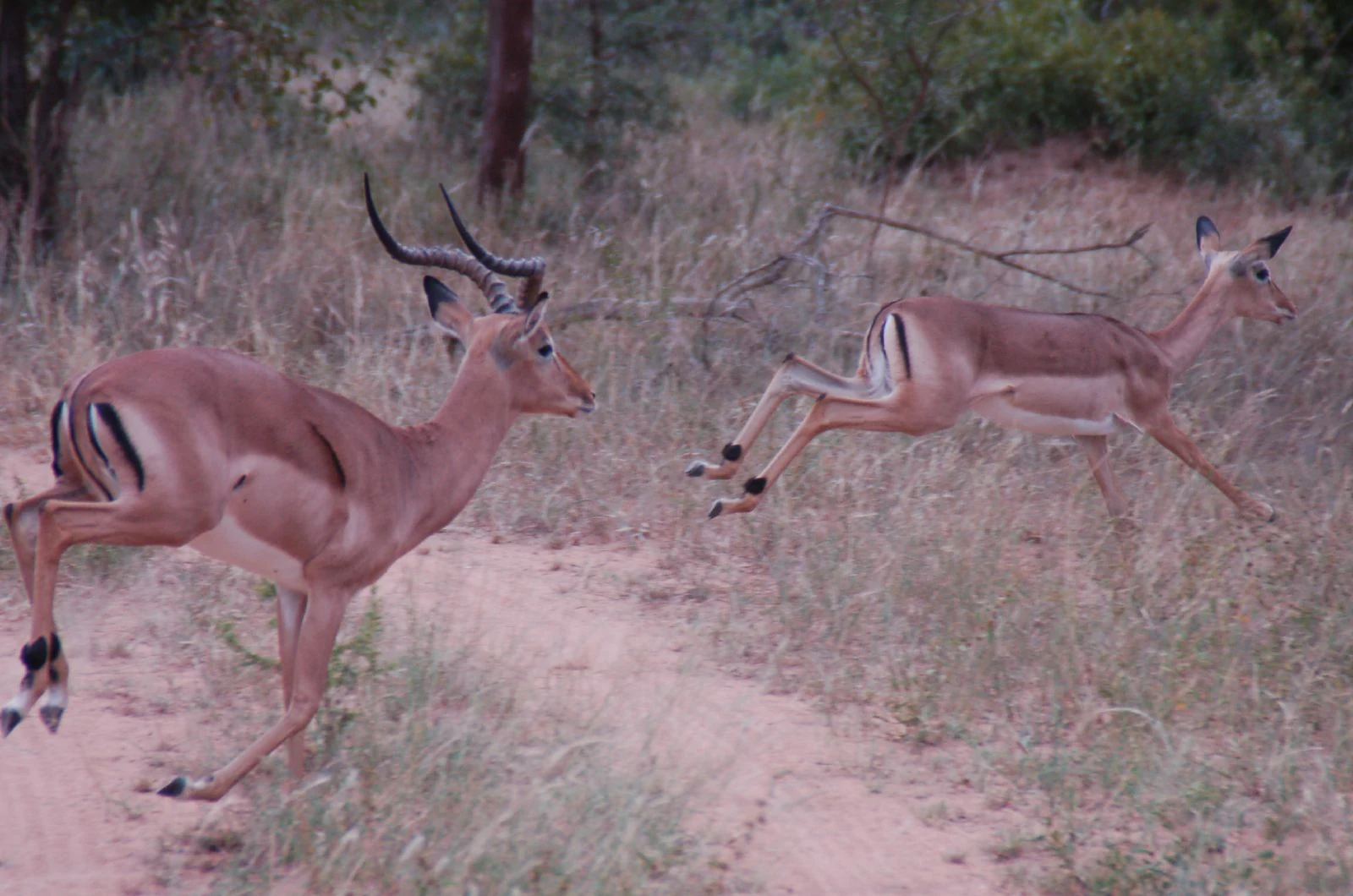
Beyond these flagship species, Thornybush hosts giraffe, zebra, wildebeest, kudu, impala, and other common Lowveld antelope, along with rarer sightings of African wild dog and Southeast African cheetah. The reserve also records a substantial bird list, with species such as the lilac-breasted roller among the more colorful and frequently seen residents. Reptile diversity is similarly rich and includes species such as the giant plated lizard and black mamba, while amphibians and freshwater fish add to the reserve's broader faunal profile.
Thornybush Game Reserve conservation status and protection priorities
The reserve's conservation significance is closely tied to its role as part of the Greater Kruger landscape. The unfenced border with Kruger National Park allows wildlife to range naturally and ensures genetic and demographic continuity between populations on either side. This makes even a comparatively small property like Thornybush a meaningful contributor to the long-term persistence of Lowveld species, including wide-ranging predators such as lion and African wild dog.
Within its own boundaries, the lodge-based model supports active land management, anti-poaching efforts, and regulated tourism that generates funding for conservation and community work. Partnerships with neighboring reserves, including Kapama and Timbavati, strengthen the region's broader conservation network, while outreach projects with surrounding schools and sustainable farming initiatives link the reserve's ecological work to local social and economic outcomes.
Thornybush Game Reserve cultural meaning and human context
Thornybush Game Reserve sits in a region shaped by a layered human history that includes longstanding indigenous communities, later European-era ranching, and the more recent rise of private conservation as a central economic activity. Today, the reserve's lodges play a meaningful role in connecting local communities to the safari economy through employment, school support, and small-scale sustainable farming projects.
The reserve's cultural character is therefore not defined by ancient monuments or preserved settlements, but by its evolving role as private land that supports both wildlife and the people living around it. This modern conservation-culture interface is one of the defining features of the Greater Kruger region.
Top sights and standout views in Thornybush Game Reserve
The most distinctive features of Thornybush are its unfenced connection to Kruger National Park, the strong presence of the Big Five, and the diversity of accommodations within a relatively compact reserve footprint. Open savannah driving, riverine forest, and a rich bird community combine to create a setting that feels continuous with Kruger itself.
Its lodge model is a defining element, blending tented camps, riverside lodges, and family-oriented properties. Combined with community outreach and sustainable land use around the reserve, this makes Thornybush a representative example of contemporary private conservation in the Limpopo Lowveld.
Best time to visit Thornybush Game Reserve
Like the wider Lowveld, Thornybush has a climate defined by a warm, wet summer season and a cooler, drier winter. Wildlife viewing is generally productive throughout the year because the unfenced border with Kruger ensures consistent animal presence. The dry winter months typically concentrate wildlife around remaining water sources and create easier sightings on open grassland, while the wetter summer months bring greener scenery, migratory birds, and the birth season for many antelope species. Choosing between these periods is largely a question of preferred atmosphere: dry-season visibility and concentration versus wet-season landscape and birds.