Why Balule Nature Reserve stands out
Balule is best known for being part of the open-system Greater Kruger landscape, where dropped fences create a continuous wilderness between private reserves and the national park. Its Big Five game presence and its setting along the Olifants River give it the reputation of a flagship lowveld safari area. The reserve is also recognized for the sheer plant diversity packed into its subtropical lowveld setting, with more than 300 documented tree species across its varied eco-zones. This combination of ecological richness, riverine habitat, and predator-rich savannah is what sets Balule apart from many other private game reserves in the region.
Balule Nature Reserve history and protected-area timeline
The modern Balule Nature Reserve is the product of a deliberate fencing-down process that began in the early 1990s. Before that, the area had been a patchwork of separate, fenced game farms where each landowner managed wildlife in isolation, often with hunting as a primary use.
In the early 1990s, a group of landowners began removing the fences between their properties to expand grazing ranges for wildlife and improve the genetic diversity of local animal populations. By the end of the decade, the majority of Balule's landowners had joined the initiative, creating a single, much larger open area where game could roam uninterrupted. Hunting was curbed, and the reserve's identity shifted decisively toward conservation and ecotourism.
Kruger National Park authorities observed the ecological benefits of this restored landscape and decided to extend it further by removing the fences between the Klaserie Game Reserve, the Olifants Game Reserve, and Kruger itself. This linked Balule and the other Associated Private Nature Reserves into the broader Greater Kruger National Park. Over time, additional properties have been absorbed, so the reserve's footprint continues to expand beyond its original consolidated size.
Balule Nature Reserve landscape and geographic character
Balule sits in the subtropical lowveld, a zone defined by hot summers, mild winters, and a mix of bushveld, savannah, and riverine forest. The terrain is generally flat to gently undulating, but the visual scenery changes significantly as one moves between habitats. Near the Olifants River, the landscape softens into lush riparian woodland and grassy banks; farther from the water, the bush thickens into mopane-dominated woodland and open mixed savannah.
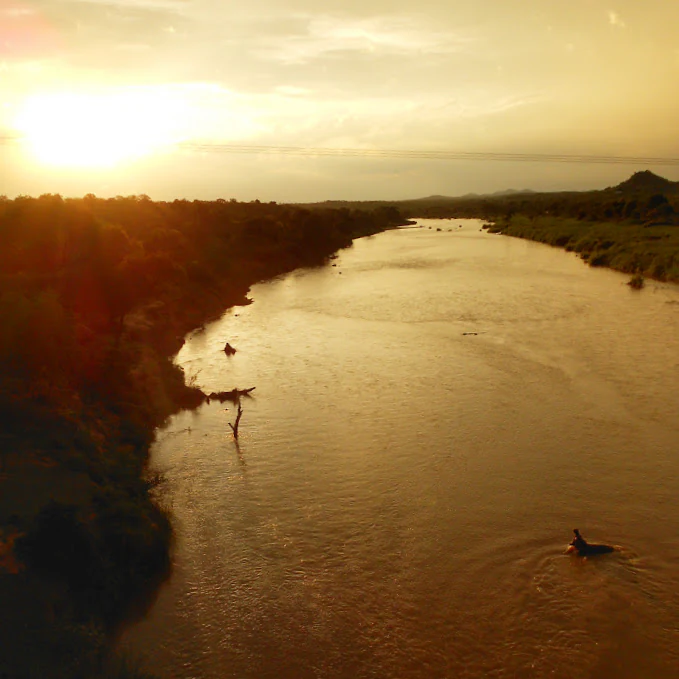
The perennial Olifants River is the landscape's dominant feature, flowing roughly 20 kilometers through the center of the reserve. Its banks support dense vegetation and provide a permanent water source that shapes how wildlife distributes itself across the property. Baobabs, fever trees, knobthorns, and marulas rise above the grass layer, creating the classic big-tree, big-sky character that this part of South Africa is known for.
Although Balule lacks dramatic mountains or coastlines, its landscape is the kind that rewards slow observation: sudden clearings where giraffe browse at eye level, dust roads that trace old migrations, river bends where crocodiles surface, and dry mopane flats that catch the orange Lowveld light at the end of the day.
Balule Nature Reserve ecosystems, habitats, and plant life
The reserve lies within a multi-eco-zone section of the lowveld, and the variety of overlapping habitats (riverine, mopane woodland, mixed bushveld, open savannah, and seasonal floodplain) is what gives Balule its unusual botanical richness. More than 300 tree species have been documented in the broader region, and individual conservancies within Balule support baobabs, fever trees, knobthorns, marulas, and extensive mopane tracts.
This mosaic of vegetation creates room for specialized niches: riverine thickets along the Olifants, taller canopies where knobthorn dominates, and drought-tolerant mopane woodland on poorer soils. The result is an ecosystem that feels layered and varied even within short drives, and that supports an unusually wide spectrum of herbivores, predators, and birdlife at the same time.
Balule Nature Reserve wildlife and species highlights
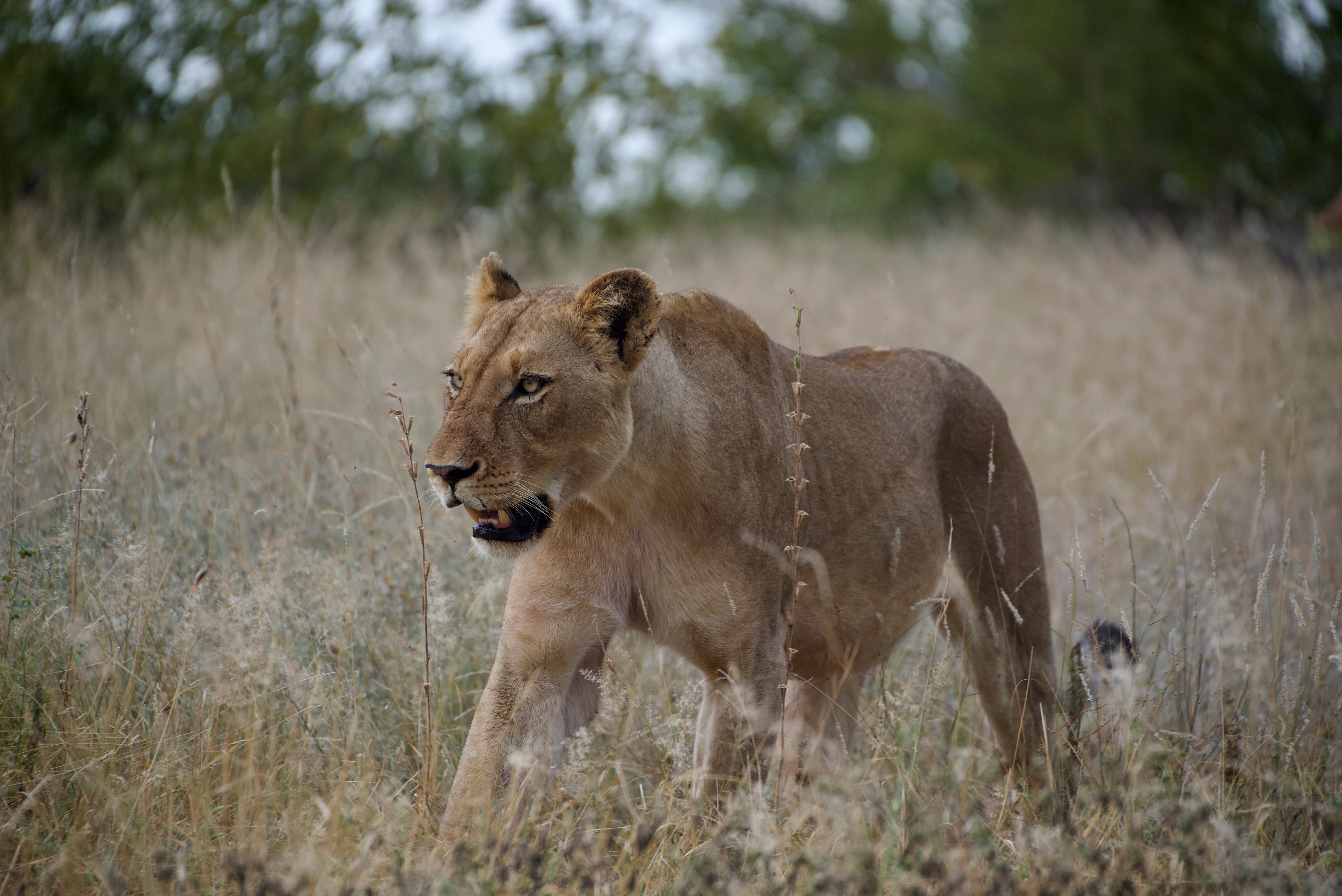
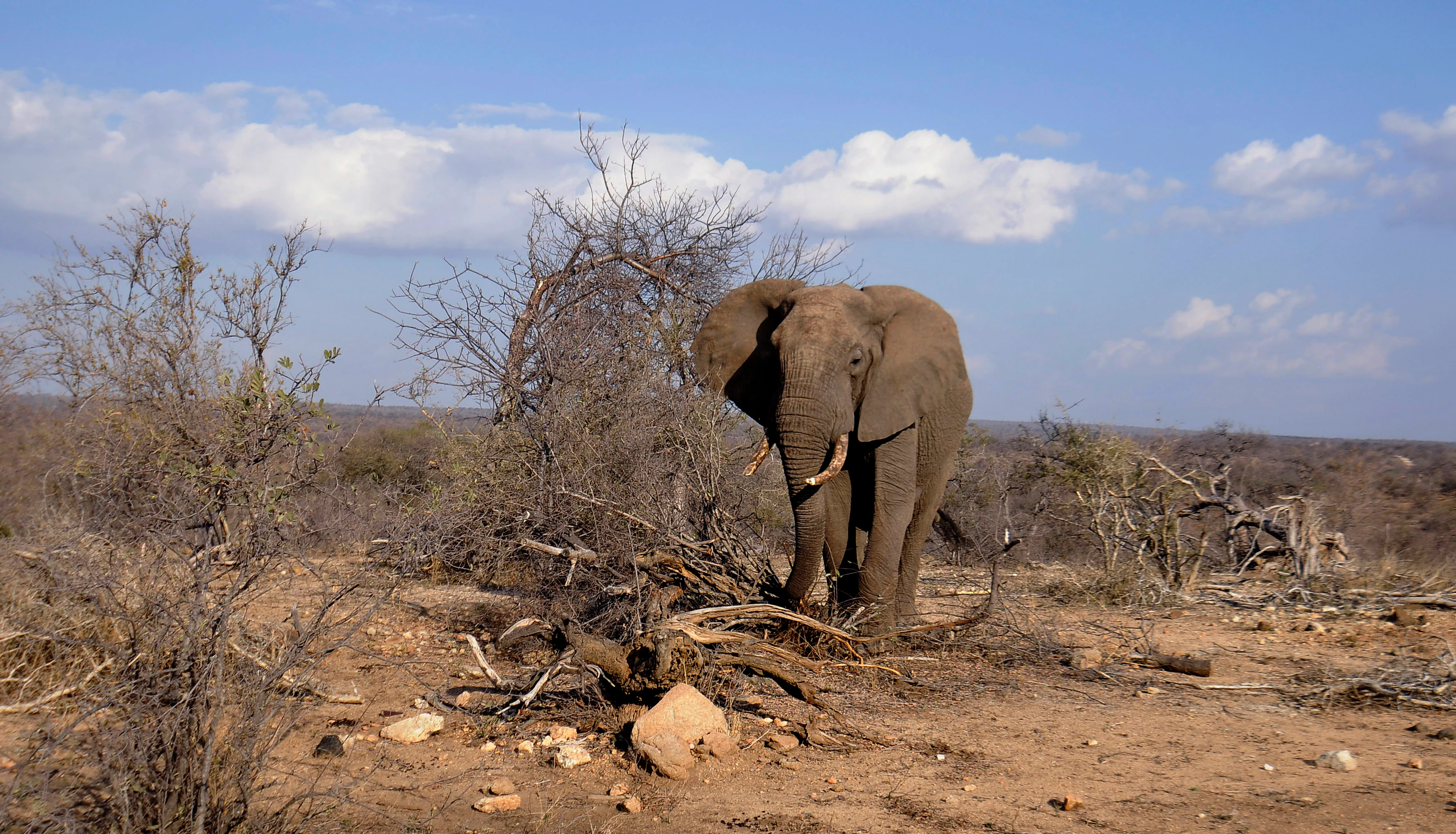
Balule's open integration with Kruger National Park means its wildlife population mirrors the typical lowveld Big Five profile. Elephant, lion, leopard, rhinoceros, and buffalo all occur within the reserve, and the sighting of one of these species (or several in a single drive) is a regular expectation rather than a rare event.
The reserve hosts more than 30 mammal species in total. Plains game such as zebra, wildebeest, and South African giraffe are widespread, and the predator community includes lion, African leopard, and Southeast African cheetah. The Olifants River and its associated pools support large herds of hippos and a resident population of Nile crocodiles, and these water sources become focal points for wildlife traffic during the long dry season.
Birdlife is similarly rich, with more than 220 recorded species. Raptors are a particular highlight; lappet-faced vulture, Pel's fishing owl, and martial eagle are among the sought-after sightings, while larger, more conspicuous birds include kori bustard, southern ground hornbill, and saddle-billed stork.
Balule Nature Reserve conservation status and protection priorities
Balule's conservation value lies as much in its connectivity as in its own footprint. By surrendering internal fences and later integrating with Kruger National Park, the reserve became part of a much larger continuous ecosystem, giving resident wildlife access to seasonal grazing, breeding ranges, and genetic exchange that no 40,000-hectare block could provide on its own.
The early-1990s decision by landowners to remove fences was the defining conservation moment for Balule. It shifted the area from fragmented, hunt-oriented game farms into a wildlife-first landscape where animals determine their own movements. The subsequent links with the other Associated Private Nature Reserves (Timbavati, Klaserie, Umbabat) and with Kruger itself multiplied these benefits.
Today, the reserve continues to expand incremental as additional landowners join the open-system model. This continuing growth reinforces Balule's role not as an isolated protected patch but as a living, expanding component of one of Africa's most important transboundary conservation complexes.
Top sights and standout views in Balule Nature Reserve
Balule stands out for its fence-free integration with Kruger National Park, a design choice that gives it ecological depth far beyond most private reserves of similar size. The Olifants River corridor, with its hippos, crocodiles, and riverine forest, is the reserve's scenic and ecological backbone.
For safari travelers, the headline combinations are Big Five game viewing on open lowveld, more than 200 bird species, and a network of private lodges set inside a continuous wilderness. For conservation-minded visitors, Balule is one of the clearest examples anywhere in Africa of how private landowners, working together and with a national park, can stitch fragmented land back into a single functioning ecosystem.
Best time to visit Balule Nature Reserve
Balule's climate follows the broader lowveld pattern: hot, sometimes humid summers with concentrated rainfall, and dry, mild winters with clear skies and lower bush density. The dry winter months, broadly from May through August, are commonly associated with easier game viewing because animals concentrate around the Olifants River and remaining waterholes, and vegetation thins enough to improve visibility.
The summer months bring lush bush, vibrant bird activity around breeding and migrant arrivals, and dramatic skies, though heavier rainfall can make some roads slower and game sightings more dispersed. Shoulder periods at the limits of summer and winter can offer a balance between green scenery, manageable temperatures, and active wildlife, and are often considered broadly rewarding for visitors who want a mix of comfort, atmosphere, and game viewing.