Why Tost Tosonbumba Nature Reserve stands out
Tost Tosonbumba is best known as one of Mongolia's premier snow leopard reserves. The Tost mountain range sits within its boundaries and hosts one of the most studied snow leopard populations in the South Gobi. The reserve's establishment was closely linked to ecological research that began in 2009, which documented the importance of the area for these elusive cats and the threats they faced from mining and pastoral conflict.
Tost Tosonbumba Nature Reserve history and protected-area timeline
The history of Tost Tosonbumba Nature Reserve is closely tied to scientific research and a series of conservation campaigns that played out over more than a decade. In 2009, an ecological study began in the South Gobi Desert to assess snow leopard populations, habitat conditions, and the threats facing the species in the Tost mountain region. The research quickly confirmed that the area supported a robust population of snow leopards, but also revealed serious risks to their long-term survival.
Tensions between wildlife conservation and local livelihoods escalated when a snow leopard killed livestock belonging to herders, triggering retaliation against the cats. In response, conservationist Bayarjargal Agvaantseren, who would later found the Snow Leopard Trust in Mongolia, launched a livestock insurance programme to compensate herders for losses, easing the pressure on leopards that had been killed in retaliation. Agvaantseren and other advocates then worked to convince the government to formalize protection for the area.
In 2010, Tost Tosonbumba was designated as a locally protected area. Although this was a significant step, it still permitted active mining operations, and the area was reported to have been subject to 37 mining licenses at the time. Local protection rules, however, allowed the authorities to revoke existing licenses and block new ones. The following years saw active campaigning against these mining operations, a fight that cost conservationist Lkhagvasumberel Tumursukh his life in 2015.
In April 2016, following sustained pressure from conservationists, scientists, and local communities, the area was elevated to full nature reserve status, and all mining licenses within its boundaries were revoked, ending a major source of habitat fragmentation and disturbance.
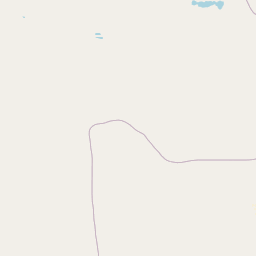
Tost Tosonbumba Nature Reserve landscape and geographic character
The landscape of Tost Tosonbumba is defined by a stark meeting of two very different environments that characterize the South Gobi. The first is the open desert and dry steppe that dominate the surrounding region: broad basins of gravel and sand, sparse vegetation, and extreme temperature variation between day and night. The second is the Tost mountain range itself, where elevations rise sharply into rough terrain of exposed bedrock, steep ravines, and partially vegetated slopes.
Within the reserve, the mountains form a network of rugged corridors and valleys that are otherwise rare in the surrounding plains. These features give the area its distinctive visual character: ridgelines and rocky spurs rising against a vast, flat desert backdrop. The combination of vertical relief and remoteness creates deep, cool ravines and sheltered pockets where moisture and vegetation persist longer than on the open plains, supporting a subtly different ecological community.
Erosion, wind, and weathering have shaped the landscape over long timescales, leaving behind the cliff faces, scree slopes, and crevices that define ideal snow leopard habitat. Although the area is not high in absolute terms compared with Mongolia's northern mountains, its broken topography functions ecologically much like the higher altitude ranges used by snow leopards elsewhere in Central Asia.
Tost Tosonbumba Nature Reserve ecosystems, habitats, and plant life
Tost Tosonbumba's ecological identity is shaped by the contrast between true desert and dissected mountain habitat. On the plains and lower slopes, sparse desert vegetation dominates, with drought-tolerant grasses, low shrubs, and widely spaced plants adapted to low rainfall and harsh temperature ranges. These open areas form the primary grazing ground for both wildlife and the domestic livestock herded by local nomadic communities.
Within the Tost mountains, microhabitats become more varied. Rocky outcrops accumulate moisture and create refuges for plants, while shaded ravines support denser pockets of vegetation. This mosaic of habitats is essential because it allows large carnivores such as snow leopards to travel, hunt, and den without being forced into constant contact with livestock or human activity on the open plains.
As a Gobi ecosystem, the reserve experiences extremes of climate, with cold winters, hot summers, and limited precipitation. These conditions restrict primary productivity and produce an ecosystem where vegetation cover is sparse, biological communities are highly adapted, and the presence of large predators depends on the integrity of the remaining wilderness. The nature reserve designation in 2016 was intended to preserve this delicate ecological balance at the landscape scale.
Tost Tosonbumba Nature Reserve wildlife and species highlights
Snow leopards are the most prominent and most studied wildlife species in Tost Tosonbumba. The Tost mountains have long been recognized as a stronghold for the species in the Trans-Altai Gobi, and ecological research conducted in the area since 2009 has helped document breeding populations, movement patterns, and behavior in this rugged environment. The reserve's existence is closely linked to conserving these cats and the prey base on which they depend.
Beyond snow leopards, the reserve's rocky terrain and open desert support a range of Gobi wildlife, including wild ungulates that graze on the sparse vegetation of the plains and slopes. These ungulates form an important prey base for large predators and represent an essential part of the food web that sustains the area's carnivore populations. Smaller mammals, birds adapted to arid landscapes, and reptiles typical of the South Gobi also contribute to the reserve's biodiversity.
The presence of snow leopards has made the reserve a focal point for broader discussions about human-wildlife coexistence in the Gobi. Because snow leopards occasionally prey on livestock, the interaction between wild animals and herders has shaped both the ecological dynamics and the conservation history of the area, including the development of community-based programs to compensate herders for losses.
Tost Tosonbumba Nature Reserve conservation status and protection priorities
Tost Tosonbumba Nature Reserve is one of the most important protected areas in Mongolia for snow leopard conservation. Its designation in 2016 was a direct outcome of ecological research, herder-led conservation efforts, and targeted advocacy aimed at securing long-term protection for one of the species' most important habitats in the country. The reserve reflects a model in which a single high-profile species acts as both the focus and the driver of broader landscape protection.
A key conservation justification for the reserve was the revocation of 37 mining licenses operating within its boundaries. Mining activities had been a major source of habitat fragmentation, road expansion, and disturbance, and ending these operations was central to restoring habitat connectivity for snow leopards and their prey. The reserve's establishment also provided a legal foundation for ongoing monitoring, anti-poaching work, and ecological study.
The reserve's conservation model combines ecological research with socioeconomic measures. The livestock insurance programme developed by Bayarjargal Agvaantseren addresses one of the principal causes of human-wildlife conflict by compensating herders when snow leopards kill livestock, reducing retaliatory killings. Combined with formal protection and active engagement of local communities, these measures have helped Tost Tosonbumba become a symbol of integrated conservation planning in the Mongolian Gobi.
Tost Tosonbumba Nature Reserve cultural meaning and human context
The Tost Tosonbumba region is part of the traditional grazing lands used by Mongolian nomadic herders in the South Gobi. For generations, local communities have moved livestock across the desert and mountain pastures according to seasonal cycles, and their presence has shaped both the landscape and the conservation challenges facing the reserve. Conflict between herders and snow leopards, whose ranges overlap with grazing areas, has been a defining feature of life in this part of Mongolia.
The reserve's history also reflects the emergence of strong Mongolian conservation leadership. Figures such as Bayarjargal Agvaantseren and Lkhagvasumberel Tumursukh played central roles in advocating for protection, in some cases at great personal cost. Their efforts highlight the deep connections between environmental protection, nomadic culture, and civic engagement in modern Mongolia, especially in regions where traditional livelihoods intersect directly with threatened wildlife.
Top sights and standout views in Tost Tosonbumba Nature Reserve
Tost Tosonbumba stands out as a flagship reserve for snow leopard conservation in Mongolia's South Gobi Desert. Its dramatic combination of open desert and broken mountain terrain creates a habitat that has supported a robust, breeding snow leopard population and serves as a natural laboratory for long-term ecological research on the species.
The reserve's history demonstrates how science, community engagement, and targeted policy reform can converge to protect a landscape under immediate threat from mining. The revocation of mining licenses in 2016, combined with the livestock insurance scheme and the active involvement of local herders, makes Tost Tosonbumba a notable example of integrated mountain-desert conservation in Central Asia.
Best time to visit Tost Tosonbumba Nature Reserve
Tost Tosonbumba lies in the South Gobi, a region characterized by extreme seasonal variation. Winters can be brutally cold, with deep snow and very limited accessibility in the mountains, while summers are hot and dry. Spring and autumn tend to offer more moderate conditions, with cooler temperatures that make travel into the mountains more feasible and wildlife, including snow leopards, somewhat easier to locate across the open terrain.