
Understand the classification structure of South Korea's protected lands and explore designation details.
South Korea's Protected Area Designations: Browse National Park Categories and Reserve Types
South Korea's protected natural areas are organized into distinct designation families, providing a structured approach to geographic discovery. This route allows exploration of these categories, starting with South Korea's National Parks and other significant protected landscapes. Delve into the specific classification criteria and mapped boundaries that define each designation group, gaining insight into the country's conservation efforts and diverse terrain.
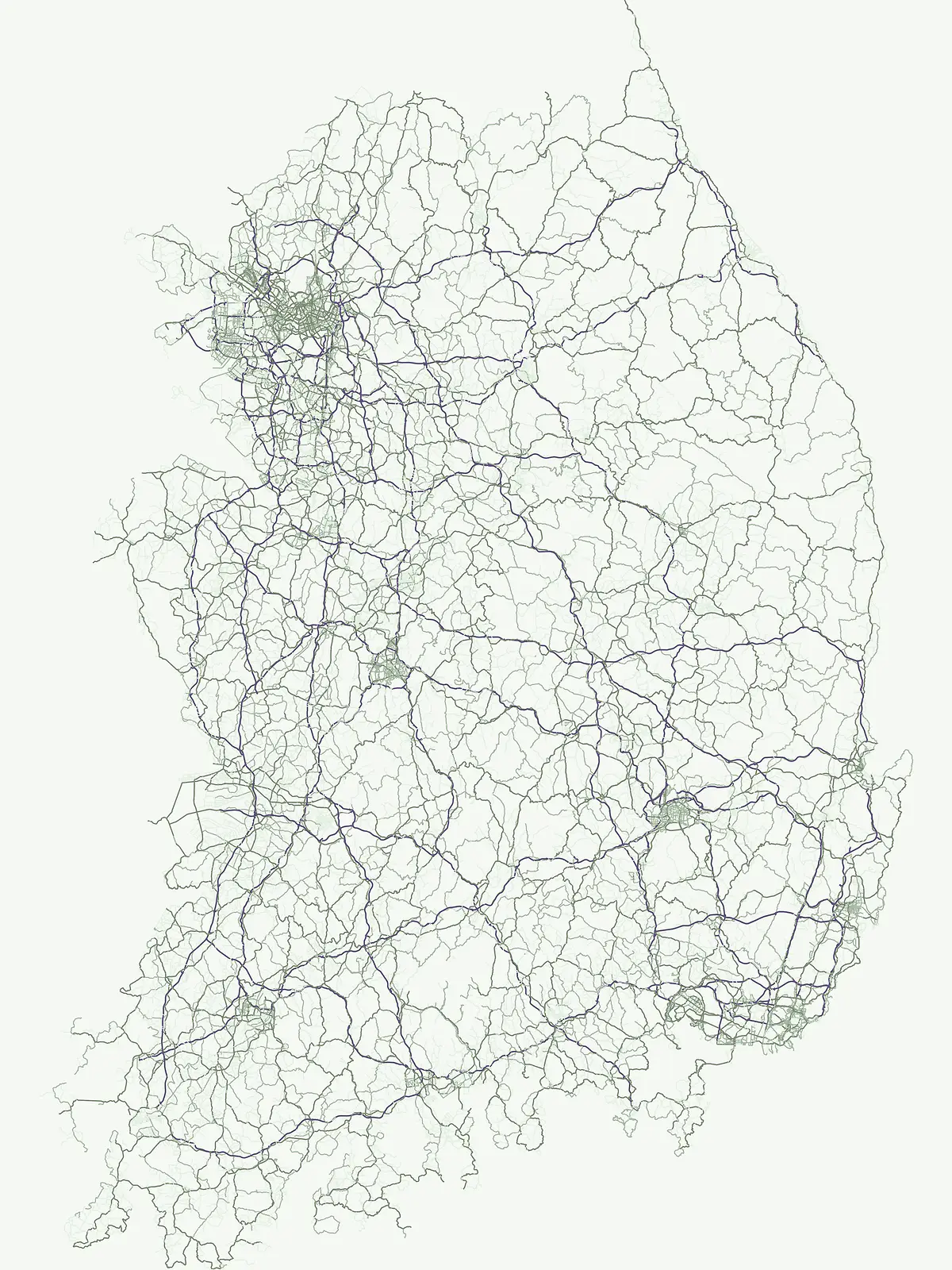
Understand the protected area structure and represented park types across South Korea
Discover South Korea's National Park Designations and Protected Area Types
Browse national parks and other protected area types found across South Korea, from its mountainous interior to its scenic coastlines. Understanding these official designations provides insight into the country's conservation priorities and the diverse natural environments protected within its borders.
- Leading designation
- National park
- Mapped parks
- 21
- Represented designations
- 1
South Korea's National Park System: Unveiling Key Protected Area Designations
South Korea's protected area landscape is predominantly shaped by its extensive network of national parks, indicating a strong national focus on flagship conservation. These designated parks cover a diverse range of terrain, from mountainous regions to coastal stretches, providing a clear framework for park discovery.
Explore the mapped distribution of national protected lands.
National park
This country-specific atlas section details South Korea's National Parks, showcasing 21 key protected areas. It focuses on their geographic presence, mapped boundaries, and role as nationally significant sites for landscape conservation and biodiversity. Understand the distribution of these vital natural reserves across the Korean Peninsula and their contribution to protected land exploration.
Continue Exploring South Korea's National Park Geography and Protected Landscapes
Deepen your understanding of South Korea's natural heritage by continuing to explore its mapped national parks and protected areas. This atlas interface facilitates a structured review of the country's conservation landscape distribution, offering insights into regional geography and the extent of protected lands. Investigate further to uncover the unique geographic context of each park and its place within the nation's protected territory.