
Mori Atlas logo
Country designation

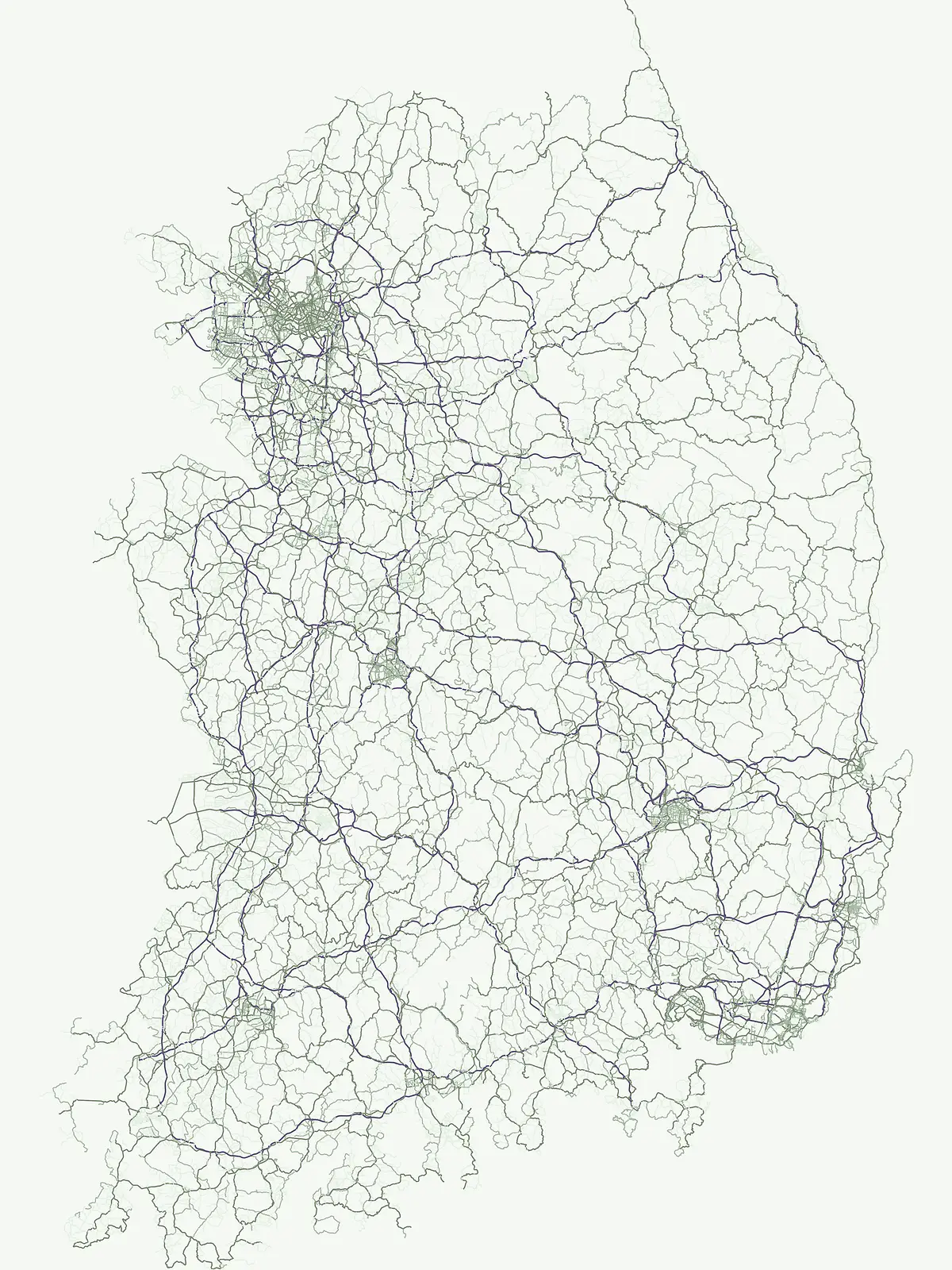
Browse the geographic distribution and mapped boundaries of nationally significant protected areas.

South Korea National Parks: A Countrywide Atlas of Protected Landscapes

Discover the comprehensive atlas of National Parks within South Korea, representing a cornerstone of the country's protected area network. This page offers a geographically focused exploration of these significant landscapes, highlighting their national importance for conservation and public recognition. Understand the regional distribution and unique natural context of South Korea's designated parks.

South Korea National Parks: A Countrywide Atlas of Protected Landscapes

Trace the Geographic Spread of South Korea's Flagship Protected National Parks

South Korea's National Parks: Explore Key Protected Landscapes and Designated Areas

South Korea's national parks represent its most significant protected areas, safeguarding diverse landscapes from towering mountains like Jirisan and Hallasan to coastal marine environments. Browsing these nationally recognized sites offers an essential geographic overview of the country's conservation efforts and natural heritage.

National park
Mapped parks21
Share of country parks100%
Largest mapped parkDadohaehaesang National Park2,321.5 km²
Oldest mapped parkGyeongju National Park1,968
Parks in this designationMapping the geographic spread and diverse protected landscapes among South Korea's National Parks10 / 21
See all parks

South Korea National Parks List: Discover Flagship Protected Areas and Regional Geography

Browse the comprehensive list of National Parks in South Korea, featuring crucial protected areas such as Jirisan, Hallasan, and Juwangsan National Parks. Explore the geographic distribution and ecological diversity of South Korea's protected landscapes, enabling comparative study of these nationally designated park regions.

National parkJeju ProvinceMountain

Hallasan National Park

Volcanic Terrain and Mapped Protected Boundaries

Hallasan National Park encompasses South Korea's highest mountain, a massive shield volcano on Jeju Island. This page details the park's protected landscape, from sub-tropical forests to alpine environments, and its prominent role within Jeju Province's geography. Discover its mapped terrain and unique geological features, including the summit crater lake Baekrokdam.

153.11 km²1970SubtropicalModerate access
National parkNorth GyeongsangMountain

Woraksan National Park

Discover its mapped mountain terrain and protected landscape identity.

Woraksan National Park offers a detailed view of protected mountain landscapes within South Korea's Gyeongsangbuk-do region. The park is characterized by its prominent Mount Worak, steep ridgelines, and dense forested terrain, contributing significantly to the nation's network of protected areas. Users can explore the geographic context, mapped boundaries, and ecological significance of this vital national park, understanding its place in the broader regional atlas and natural landscape context.

287.78 km²1984TemperateII
National parkSouth KoreaMountain

Juwangsan National Park

Mapped terrain, park boundaries, and natural landscapes.

Juwangsan National Park is a protected natural area situated within South Korea's Taebaek mountain range, renowned for its steep valleys, waterfalls, and dense forests. This park offers a rich landscape context, showcasing dramatic ridgelines and providing a significant example of South Korea's protected mountain terrain. Discover its geographic placement, mapped protected boundaries, and the unique natural and cultural elements that define this national park.

107.42 km²1976TemperateModerate access
National parkGyeonggiMountain

Bukhansan National Park

Explore the landscape context of this national park.

Bukhansan National Park stands as a distinct protected area within Gyeonggi Province, offering a rich landscape for geographic exploration. This entry focuses on its identity as a national park, detailing its mapped boundaries and its contribution to the regional geography. Users can explore its protected landscape features and understand its significance through a structured, map-centric approach, enriching their atlas understanding of protected natural areas.

79.92 km²1983TemperateEasy access
National parkJeonbuk StateMarineMountain

Byeonsan-bando National Park

Explore mapped terrain and regional park geography.

This detail page provides an in-depth look at Byeonsan-bando National Park, a protected area located in South Korea's Jeollabuk-do region. Users can discover the park's specific geographic identity, understand its mapped boundaries, and explore its role within the broader regional landscape. The content is structured for atlas exploration, offering detailed insights into the park's natural terrain and its significance as a national park.

154.71 km²1988IIMajor water bodies
National parkGangwon StateMountain

Chiaksan National Park

Explore mapped boundaries and regional terrain.

Chiaksan National Park is a designated national park within South Korea's Gangwon-do region, offering a focused entry point for geographic discovery. This resource details the park's protected landscape, its mapped boundaries, and its relation to the surrounding natural terrain. Delve into the atlas-style context of Chiaksan National Park to understand its significance as a protected natural area within its regional geography.

181.57 km²1984TemperateModerate access
National parkSouth KoreaMarine

Dadohaehaesang National Park

Mapped landscape context and regional geography.

Delve into the protected landscape of Dadohaehaesang National Park, a significant national park located in South Korea. This entry provides critical geographic information, detailing the park's mapped boundaries and its place within the broader regional terrain. It serves as an essential resource for understanding the park's protected status and its unique natural features for those exploring national parks and protected areas within an atlas framework.

2,321.5 km²1981Access unknownII
National parkJeonbuk StateMountain

Deogyusan National Park

Explore its protected land boundaries and regional landscape context.

Examine Deogyusan National Park, a designated national park situated in the Jeollabuk-do region of South Korea. This entry provides critical geographic context, focusing on the park's mapped boundaries and its role as a protected landscape. Users can gain a structured understanding of its natural terrain and regional significance, contributing to a broader atlas of protected areas.

231.65 km²1975TemperateModerate access
National parkSouth GyeongsangMountain

Gayasan National Park

Discover Protected Landscape and Regional Terrain

Gayasan National Park presents a distinct protected-area entity within South Gyeongsang Province, serving as a crucial point for atlas-driven geographic exploration. As a designated national park in South Korea, it offers insights into its specific mapped boundaries and the surrounding natural terrain. Understanding this park's role within the regional geography provides a foundational element for comprehending broader landscape patterns and protected land distribution across the country.

167.6 km²1972IIMinor water
National parkNorth Gyeongsang

Gyeongju National Park

Mapped boundaries and regional geographic context.

Gyeongju National Park serves as a significant protected area within North Gyeongsang Province, offering a distinct national park identity. This entry focuses on its geographical significance, detailing its mapped boundaries and providing essential context for atlas exploration. Understand how this protected landscape fits within the broader regional geography and discover its place in the structured mapping of South Korea's natural heritage.

137.09 km²1968TemperateEasy access
See all parksSearch all National park parks and protected areas in South Korea
MoriAtlas Explorer

Continue Exploring South Korea's National Park Geography and Protected Areas

Further investigate the protected landscapes and park geography of South Korea. Understanding the regional distribution and mapped boundaries of these National Parks offers deeper insight into the country's conservation efforts and natural terrain. Browse through the identified protected areas to build a more complete geographic context.

Global natural geography