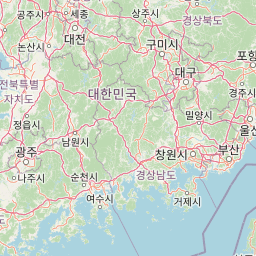
Why Jirisan National Park stands out
Jirisan National Park is best known for its pioneering wildlife conservation programs, particularly the successful recovery of the Asiatic black bear population through intensive protection and habitat management. The park's extensive old-growth forests, deep river valleys, and diverse elevation gradients support a remarkable range of habitats from subtropical woodland at lower elevations to subalpine zones near the summits. The mountain has been an important center of Buddhist heritage for over a thousand years, home to numerous historic temples including Hwaeomsa, one of Korea's most significant Buddhist monasteries. Jirisan is also recognized for its ecological restoration efforts on areas previously damaged by human activity, serving as a model for degraded landscape recovery in East Asia.
Jirisan National Park history and protected-area timeline
Jirisan National Park was established on December 29, 1967, becoming South Korea's first national park and initiating the nation's modern protected area system. The designation came at a critical time when Korea was experiencing rapid economic development and increasing pressure on natural landscapes. Prior to national park status, the mountain had already accumulated centuries of religious and cultural significance, with Buddhist temples establishing presence in the valleys and slopes starting around the 7th century. The establishment of the park provided legal protection for the mountain's forests and wildlife, though early management focused primarily on preventing commercial exploitation and managing visitor access. In the decades following establishment, the park became the focal point for South Korea's most ambitious wildlife conservation initiatives, particularly the Asiatic black bear recovery program that began in the 1990s. This program involved strict anti-poaching measures, habitat enhancement, and a carefully managed reintroduction strategy that successfully reestablished a viable bear population. The park has also pioneered ecological restoration techniques to recover areas that suffered degradation from historical logging, agriculture, and visitor impact.
Jirisan National Park landscape and geographic character
Jirisan National Park protects a spectacular mountainous landscape characterized by dramatic ridgelines, deep V-shaped valleys, and numerous streams that descend from the high peaks toward the surrounding lowlands. The park's terrain rises from approximately 300 meters above sea level in the lower valleys to 1,915 meters at Cheongwangdae, the highest peak, creating substantial ecological zonation across relatively short horizontal distances. The mountain's geology consists primarily of ancient granite and metamorphic rocks that have been shaped by millions of years of erosion, resulting in the formation of distinctive rock formations, waterfalls, and precipitous cliffs. The Seomjin River and its tributaries have carved deep valleys through the park, creating riparian corridors that serve as crucial wildlife movement pathways. The landscape varies significantly with elevation, transitioning from broadleaf deciduous forests in the lower reaches through mixed deciduous-coniferous forests in middle elevations to coniferous forests and alpine meadows near the summit. The park contains several distinct scenic areas, including the Hwaeomsa valley, the Baemsagol valley, and the ridge-top trail between the main peaks.
Jirisan National Park ecosystems, habitats, and plant life
Jirisan National Park supports exceptional ecological diversity due to its location at the intersection of multiple biogeographic regions and its dramatic topographical variation. The park contains more than 1,000 plant species, representing a remarkable cross-section of Korean flora from subtropical species in the warm valleys to subalpine species adapted to the harsh conditions near the summit. The forest ecosystem is particularly significant, with substantial old-growth areas that have never been logged supporting mature trees of numerous species including Korean pine, Korean fir, and various oak species. The park's streams and rivers maintain cold, well-oxygenated waters that support native fish species and provide critical habitat for freshwater organisms. The ecological significance of the park extends to its role as a biodiversity refuge in a region where much of the original forest cover has been converted to agriculture or urban development. The varied aspects of the mountain's slopes create diverse microclimates that support species with different moisture and temperature requirements, contributing to the park's overall ecological richness.
Jirisan National Park wildlife and species highlights
Jirisan National Park is renowned for its successful Asiatic black bear conservation program, which stands as one of the most notable wildlife recovery achievements in East Asia. The bear population, which had been driven to near-extinction by hunting and habitat loss, has recovered to approximately 50 individuals through intensive protection, anti-poaching efforts, and habitat management. The park also supports populations of other significant mammals including Korean serow, a protected ungulate species that inhabits the rocky cliffs and forested slopes, as well as various species of deer and small mammals. The bird fauna includes numerous species of songbirds, woodpeckers, and raptors that utilize the diverse forest habitats. The park's streams contain native fish species including masu salmon and various cyprinids that require clean, well-oxygenated water. The combination of protected habitat, management intervention, and ecological diversity has made Jirisan a model for wildlife conservation in mountainous protected areas across the region.
Jirisan National Park conservation status and protection priorities
Jirisan National Park serves as South Korea's flagship conservation area, demonstrating successful approaches to wildlife recovery and ecosystem restoration. The park's Asiatic black bear program represents a landmark conservation achievement, demonstrating how dedicated protection, community engagement, and scientific management can recover endangered populations from the brink of local extinction. Beyond the charismatic megafauna, the park protects significant forest ecosystems that serve as carbon sinks, watersheds for downstream communities, and refuges for numerous species of conservation concern. The park's restoration program has developed innovative techniques for recovering degraded forest ecosystems, using native species and natural regeneration processes to restore ecological function to areas previously impacted by human activity. Management priorities include maintaining the integrity of critical habitat corridors, controlling invasive species, and balancing public access with conservation objectives. The park also serves as an outdoor laboratory for ecological research and environmental education, hosting scientific studies and visitor programs that advance conservation understanding.
Jirisan National Park cultural meaning and human context
Jirisan has been a significant site of Korean Buddhist practice and cultural heritage for over a thousand years, with temples and monastic communities establishing presence on the mountain's slopes beginning in the Silla Dynasty. Hwaeomsa Temple, founded in the 7th century and rebuilt in its current form during the Joseon Dynasty, remains one of the most important Buddhist monasteries in Korea, housing significant cultural artifacts and continuing active religious practice. The mountain's name itself reflects this spiritual heritage, as Jirisan means literally the sacred mountain of wisdom and virtue in Korean. Traditional pilgrimage routes traverse the park, connecting temples and sacred sites in a network of trails that have been used by monks and devotees for centuries. The surrounding rural communities maintain cultural connections to the mountain, with local traditions and practices that reflect the historical relationship between human settlement and the natural landscape. The park's cultural landscape demonstrates the integration of natural and spiritual values that characterizes traditional Korean approaches to mountain environments.
Top sights and standout views in Jirisan National Park
Jirisan National Park offers visitors multiple outstanding experiences, from the spiritual grandeur of Hwaeomsa Temple with its ancient gates and traditional architecture to the challenging but rewarding summit hike that rewards hikers with panoramic views across the park's forested ridgelines. The bear observation program provides rare opportunities to view Asiatic black bears in the wild through guided tours operated by the Korea National Park Service. The park's trail network includes options for all fitness levels, from gentle valley walks following the Seomjin River to multi-day traverses of the main ridge. The autumn foliage season transforms the mountain into a spectacular display of red and gold, while spring brings carpeted forests of wildflowers and blooming rhododendrons. Winter snow creates a different but equally compelling landscape, with frozen waterfalls and snow-covered peaks offering serene backcountry skiing and climbing opportunities for experienced adventurers.
Best time to visit Jirisan National Park
Jirisan National Park offers distinctive experiences throughout the year, with each season bringing different characters and opportunities. Spring from April to May brings mild temperatures, blooming rhododendrons, and the fresh green of new foliage, making it ideal for hiking and wildlife viewing as animals become more active. Summer months can be warm and humid but provide access to the high-elevation trails and cool forest shade. Autumn from mid-September to November offers perhaps the most spectacular scenery as the deciduous forests display vivid fall colors, though this is also the most popular season for visitors. Winter from December to February transforms the landscape with snow on the higher peaks and provides peaceful solitude for those comfortable with cold conditions, though some trails may be closed or require caution. The park can be visited year-round, though spring and autumn generally offer the most comfortable conditions and the most visually striking landscapes.