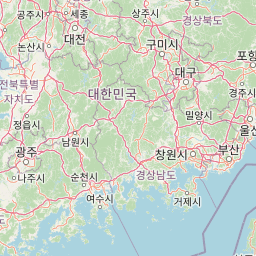
Why Hallyeohaesang National Park stands out
Hallyeohaesang National Park is best known for its exceptional marine biodiversity and dramatic island landscapes along Korea's southern coast. The park protects critical habitat for the finless porpoise, a signature species of the region, as well as serving as an important migratory corridor for marine life in the East Sea. The archipelago setting creates a distinctive landscape of forested volcanic islands rising from productive marine waters, with rare coral communities and extensive tidal zones. The park gained international attention in 2015 when a North Pacific right whale, one of the world's rarest cetaceans, was sighted in nearby waters the first such record in Korean waters in over 40 years.
Hallyeohaesang National Park history and protected-area timeline
Hallyeohaesang National Park was designated on December 31, 1968, making it one of the earliest national parks established in South Korea following the national park system's founding in 1967. The park's creation reflected a growing recognition in Korea of the need to protect the nation's outstanding coastal and marine landscapes, which had long been central to regional culture and economy. The selection of this particular coastline for protection acknowledged both the spectacular natural beauty of the archipelago and the ecological importance of the marine waters. Management responsibility was assigned to the Korea National Park Service, which oversees all of South Korea's national parks. Over the decades since designation, the park has maintained its protection status while serving as a model for marine conservation in the region.
Hallyeohaesang National Park landscape and geographic character
The landscape of Hallyeohaesang National Park is defined by the interplay between a rugged archipelago of volcanic islands and the productive marine waters of the southern coast. The terrestrial portions feature mountainous terrain rising sharply from the sea, with peaks including Geumsu Mountain in the Sangju district creating dramatic backdrops against the coastal waters. The islands display characteristic Korean coastal topography with rocky shorestones, steep cliffs, and forested slopes descending to the water's edge. The marine landscape is equally significant, encompassing sheltered bays, open coastal waters, tidal flats, and the channels between islands. The waters around the archipelago are influenced by the warm Tsushima Current, creating conditions that support diverse marine communities. Coastal features include numerous small bays, beaches, and tidal areas that vary in character across the park's six districts.
Hallyeohaesang National Park ecosystems, habitats, and plant life
The ecological character of Hallyeohaesang National Park reflects the convergence of temperate and subtropical marine influences along Korea's southern coast. The park's marine ecosystems support remarkable biodiversity, with over 1,500 species of insects, more than 1,100 plant species, and significant populations of marine vertebrates documented within the protected area. The underwater environment includes coral communities, kelp forests, and extensive soft-bottom habitats that support diverse fish and invertebrate populations. The park's terrestrial vegetation includes mixed forests of Korean red pine and Japanese black pine on the island slopes, with camellia and various oak species in the understory. The islands serve as important habitats for both resident species and migratory populations that use the coastal corridor. The marine waters provide critical habitat for several protected marine mammals, including the finless porpoise which is considered a signature species of the park.
Hallyeohaesang National Park wildlife and species highlights
The wildlife of Hallyeohaesang National Park encompasses both terrestrial and marine species that benefit from the protected status of this coastal ecosystem. The marine mammal community is particularly notable, with the finless porpoise being the most commonly encountered species in the protected waters. The park also supports populations of Eurasian otter along the coast and Asian badger on the terrestrial islands. Bird diversity is substantial, with 115 species documented including the vulnerable fairy pitta, a colorful migratory bird that breeds in the park's forests. The reptile community includes 16 species adapted to the island environments, while 24 freshwater fish species inhabit the streams and water bodies of the terrestrial areas. The 2015 sighting of a North Pacific right whale in nearby waters highlighted the park's potential significance for rare and endangered marine species, with this individual representing the first documented presence of the species in Korean waters in over four decades.
Hallyeohaesang National Park conservation status and protection priorities
Hallyeohaesang National Park represents a critical component of South Korea's marine conservation network, providing protected status to a significant portion of the country's southern coastal ecosystem. The park's designation as IUCN Category II reflects its primary purpose of protecting natural landscapes while allowing for sustainable use. The marine protected area status helps safeguard critical habitats for species including the finless porpoise and migratory birds, while also preserving underwater landscapes and coastal ecosystems that might otherwise face development pressure. The presence of rare species such as the North Pacific right whale underscores the conservation importance of the broader marine environment beyond the park's boundaries. The Korea National Park Service maintains ongoing management efforts focused on habitat protection, species monitoring, and balancing conservation with public access to this historically and culturally significant coastline.
Hallyeohaesang National Park cultural meaning and human context
The coastline and islands of Hallyeohaesang National Park have been inhabited and utilized by local communities for centuries, creating a landscape where natural and cultural heritage intertwine. The Yeosu and Tongyeong areas have historical significance as centers of maritime activity and coastal settlement in southern Korea. The islands within the park contain remnants of traditional maritime communities and historic fishing practices that reflect the long relationship between local populations and the marine environment. The park's name itself, combining Korean characters for leisure, beauty, sea, and national park, reflects an appreciation for both the scenic quality and recreational value of this coastal landscape.
Top sights and standout views in Hallyeohaesang National Park
Hallyeohaesang National Park offers visitors an exceptional combination of marine and island landscapes that distinguish it among South Korea's protected areas. The park's archipelago setting provides opportunities for coastal exploration, with walking trails on islands such as Odongdo offering access to scenic shorelines and seasonal flower displays. The marine waters support activities such as wildlife observation, particularly for finless porpoise and seabirds that can be spotted from the islands and coastal viewpoints. The dramatic rock formations of Haegeumgang in the Geoje district represent a celebrated landscape feature, while the historic and cultural dimensions of the coastal communities add depth to the visitor experience. The park's status as South Korea's primary marine national park makes it a destination of particular interest for those seeking to experience the country's coastal and underwater natural heritage.
Best time to visit Hallyeohaesang National Park
The park can be visited throughout the year, with each season offering different experiences of this marine and island landscape. The summer months bring warm conditions and the most active period for marine wildlife viewing, though this is also the peak tourist season along the southern coast. Spring and autumn generally offer milder weather and fewer crowds while still providing access to the park's trails and coastal areas. Winter visits offer a more tranquil experience of the landscape, though some facilities and services may have reduced availability. The timing of visits may also be influenced by specific interests, such as bird migration periods or seasonal flowering on the islands.