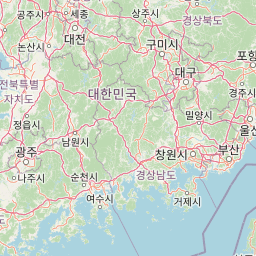
Why Gayasan National Park stands out
Gayasan National Park is best known for its dual identity as both a natural mountain sanctuary and a profound religious site. The park's namesake mountain, Gaya, is revered for its spiritual significance and features two dramatic peaks that attract hikers and climbers throughout the year. Haeinsa temple, one of the Three Great Temples of Korean Buddhism, anchors the park's cultural significance and houses important Buddhist relics within its historic grounds. The legend that the Gaya Mountain region remains protected from the Three Disasters of fire, floods, and wind adds a layer of traditional belief that has persisted since the Japanese invasions of 1592-98, when the area's remoteness helped preserve it from destruction.
Gayasan National Park history and protected-area timeline
The area that now comprises Gayasan National Park received formal recognition as Scenic Site No. 5 by the Korean government in 1966, acknowledging both its natural beauty and cultural importance. This designation preceded the park's official establishment as a national park on October 13, 1972, when the Korea National Park Service assumed management responsibilities for the area. The region's history extends far deeper than these modern designations, however, as evidenced by the presence of Haeinsa temple, which has drawn pilgrims and scholars for centuries. The relative remoteness of the Gayasan region played a crucial role in its preservation, particularly during the Japanese invasions of Korea from 1592 to 1598, when much of the Korean peninsula suffered widespread destruction. Local legend maintains that the area around Gaya Mountain has remained protected from the Three Disasters of fire, floods, and wind since that turbulent period, a belief that reflects the region's enduring reputation as a place of safety and spiritual refuge.
Gayasan National Park landscape and geographic character
The physical landscape of Gayasan National Park is defined by the rugged terrain of the Sobaek Mountain range, which runs north-south through the eastern part of the Korean peninsula. The park encompasses the twin peaks of Sangwangbong and Chulbulbong, with Chulbulbong reaching 1,433 meters as the higher of the two summits. These steep, forested peaks rise dramatically from the surrounding valleys, creating a landscape of deep ravines, rocky ridges, and cascading streams. The Yongmun Falls represents one of the most striking hydrological features, where water drops through a rocky gorge into the valley below. Hongnyudong Valley provides another important landscape feature, offering a relatively gentle valley environment where moisture collects and supports lush vegetation. The forest cover varies with elevation, transitioning from deciduous broadleaf forests in the lower reaches to mixed forests as altitude increases.
Gayasan National Park ecosystems, habitats, and plant life
The ecological character of Gayasan National Park reflects the interplay between its montane environment and the moisture-rich conditions created by its forested valleys and waterfalls. The Hongnyudong Valley area alone has been documented to support 380 different plant species, indicating the ecological richness found throughout the park's protected boundaries. This botanical diversity includes various tree species, ferns, and understory plants adapted to the shaded conditions beneath the forest canopy. The park's elevation range and location within the Sobaek Mountain range create diverse microhabitats that support different plant communities across relatively short distances. Birds play a particularly notable role in the park's wildlife, with over 100 species recorded within the valley areas, making Gayasan an important area for avian biodiversity within the region. The protected status of the park helps maintain these ecological communities against pressures from surrounding agricultural and urban development.
Gayasan National Park wildlife and species highlights
The wildlife population within Gayasan National Park benefits from the protection afforded to its diverse habitats across the montane environment. Birdlife represents one of the most documented aspects of the park's fauna, with more than 100 species identified in the valley areas alone, reflecting the importance of the forested slopes and riparian corridors as bird habitat. The diverse plant communities documented in the park support corresponding invertebrate populations and provide food sources for larger animals. While the source material does not provide detailed accounts of specific mammal or reptile species, the presence of varied forest types, rock outcrops, and water features suggests the park supports a range of vertebrate species typical of Korean mountain ecosystems. The Yongmun Falls and surrounding wetland areas likely provide particularly important habitat for species associated with riparian and aquatic environments.
Gayasan National Park conservation status and protection priorities
Gayasan National Park represents an important conservation asset within South Korea's protected areas network, preserving both significant natural habitats and irreplaceable cultural heritage within a single protected boundary. The park's designation as a Category II protected area under IUCN classification reflects its primary function as a national park dedicated to ecosystem conservation while allowing for sustainable recreation and cultural use. The protection of the Sobaek Mountain range habitat helps preserve biodiversity within a region that has experienced substantial development pressure. The presence of Haeinsa temple within park boundaries creates a unique conservation challenge, as the protection of historic religious structures must be balanced with natural resource management. The Korean National Park Service manages the park according to broader national park management principles that integrate conservation, public enjoyment, and cultural preservation.
Gayasan National Park cultural meaning and human context
The cultural significance of Gayasan National Park extends far beyond its natural features, rooted primarily in the presence of Haeinsa temple, one of the most important Buddhist establishments in Korea. Founded in the early 9th century, Haeinsa has been a center of Buddhist learning and practice for over a millennium, surviving destruction during the Japanese invasions of the late 16th century and being rebuilt as a testament to the resilience of Korean Buddhist tradition. The temple houses important scriptures and artifacts, and its unique standing Buddha carved into vertical rock represents a distinctive feature within Korean religious art. The legend of Gaya Mountain's protection from the Three Disasters of fire, floods, and wind reflects traditional beliefs about the spiritual protective qualities of the landscape. This intertwining of natural landscape and religious significance has shaped human engagement with the Gayasan region for centuries, making it both a destination for pilgrimage and a symbol of cultural preservation.
Top sights and standout views in Gayasan National Park
The distinctive character of Gayasan National Park derives from the remarkable combination of natural mountain landscapes and living Buddhist heritage within a single protected area. The twin peaks of Sangwangbong and Chulbulbong offer challenging hiking opportunities and sweeping views across the Sobaek range, while the ancient forest trails leading to Haeinsa temple provide a pathway through both natural and cultural history. Yongmun Falls and the botanical richness of Hongnyudong Valley showcase the park's ecological diversity, with documented plant and bird species highlighting the biological importance of these protected habitats. The legend of freedom from the Three Disasters adds a layer of traditional belief that connects the landscape to centuries of Korean cultural history. The three designated campgrounds within the park provide opportunities for extended exploration of this mountain sanctuary.
Best time to visit Gayasan National Park
Gayasan National Park can be visited throughout the year, though spring and autumn are generally considered the most rewarding seasons for experiencing the park's character. Spring brings new growth to the deciduous forests and pleasant temperatures for hiking, while autumn displays the characteristic colors of changing leaves across the mountain slopes. Summer months offer the opportunity to see the waterfalls at their fullest flow following the rainy season, though visitors should be prepared for higher temperatures and humidity in the valley areas. Winter snow can transform the mountain peaks into a dramatic winter landscape, though trail conditions may become more challenging at higher elevations. The timing of visits may also be influenced by the desire to experience Haeinsa temple during Buddhist holidays or festivals, when the temple complex takes on particular vibrancy.