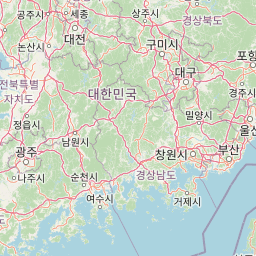
Why Songnisan National Park stands out
Songnisan National Park is best known for housing Beopjusa, one of Korea's largest and most historically significant Buddhist temples, originally constructed in 553 during the Silla period. The temple complex, with its golden Buddha statue and ancient architectural structures, draws both pilgrims and tourists seeking to experience Korea's deep Buddhist heritage. The park is also famous for Jeongipumsong, a centuries-old pine tree that was awarded an official political title in Korean folklore through a royal decree by King Sejo in 1464. The combination of significant cultural landmarks, including temples and historic trees, with the park's wild mountainous terrain makes Songnisan distinctive among Korea's protected areas.
Songnisan National Park history and protected-area timeline
The origins of Songnisan's cultural significance predate the establishment of the national park by many centuries. According to Korean legend, the mountain received its current name during the Silla dynasty period when a monk named Jinpyoyulsa was traveling up the mountain toward the Buddhist temple that would become Beopjusa. Farmers along the path reportedly witnessed their oxen bowing their heads to the monk in what appeared to be an act of spiritual reverence. Struck by this display, the farmers chose to follow the monk to the temple and dedicate themselves to Buddhist practice. From this legendary episode, the mountains became known as Songnisan, literally meaning "mountain to leave the world" or "mountain of renunciation," reflecting its identity as a place of spiritual departure from worldly concerns. Prior to this naming, the mountain had been simply called Gubongsan, meaning "nine peak mountain," a reference to the nine summits that comprise the mountain group. The Beopjusa temple itself was founded in 553, making it one of the oldest Buddhist establishments in Korea, and it has served as a center for religious practice and cultural development throughout the peninsula's history.
Songnisan National Park landscape and geographic character
The physical landscape of Songnisan National Park is defined by its mountainous terrain within the Sobaek Mountains, a subrange of Korea's eastern mountain systems. The park encompasses Songnisan itself along with nine surrounding peaks that form a complex topographic arrangement of ridges, valleys, and steep slopes. The terrain rises prominently from the surrounding lowerland areas, creating a dramatic backdrop visible from vantage points such as Munjungdae peak, which offers sweeping views across the park's forested expanse. The landscape features a mix of rocky outcrops on higher elevations, particularly near the summit areas, and dense forest cover on the lower slopes and valleys. Stream corridors have carved valleys through the mountains, adding to the diversity of landforms within the park. The combination of elevation change, varied exposure, and the presence of water features creates a landscape with considerable visual and ecological diversity.
Songnisan National Park ecosystems, habitats, and plant life
The ecological character of Songnisan National Park reflects its location within the Sobaek Mountains and the broader temperate forest biome of the Korean peninsula. The park's forests cover much of the lower to mid-elevation terrain, with vegetation patterns that vary according to elevation, aspect, and moisture conditions. The mountainous setting supports diverse habitats ranging from valley forests to higher elevation areas with different tree species compositions. The park lies within a mountainous corridor that connects to other protected areas and wildland areas in the eastern part of the peninsula, facilitating ecological continuity across the landscape. The presence of streams and riparian zones adds habitat diversity and supports moisture-loving species in certain areas. The combination of forest cover, topographic variation, and protected status creates conditions that support relatively diverse plant and animal communities.
Songnisan National Park wildlife and species highlights
Songnisan National Park supports a diverse community of wildlife species across its forest and mountain habitats. The park is home to several notable bird species, including the mandarin duck and the black woodpecker, which inhabit the forested areas and contribute to the park's avian diversity. Mammalian species present in the park include otters, which are typically associated with stream and river habitats, small-eared cats, martens, and the Siberian flying squirrel, which is one of two endangered species protected within the park. The other endangered species is the Korean Berchemia, a species of buckthorn tree that represents botanical conservation significance. This combination of mammalian, avian, and botanical diversity reflects the park's role as a protected area that supports viable populations of various species, including some that face conservation pressures elsewhere in their range.
Songnisan National Park conservation status and protection priorities
Songnisan National Park plays an important role in Korea's protected area system as one of the earlier established national parks, designated in 1970 as the country's sixth national park. The park's conservation significance stems from its protection of representative mountain ecosystems within the Sobaek Mountains region, preserving both natural habitats and cultural landscapes of national importance. The presence of endangered species, including the Siberian flying squirrel and the Korean Berchemia tree, adds specific conservation value to the protected area. Management by the Korea National Park Service ensures ongoing protection and appropriate management of the park's natural and cultural resources. The park's designation reflects a commitment to preserving significant mountain landscapes, historical Buddhist temple sites, and the ecological diversity that exists within this part of central-eastern Korea.
Songnisan National Park cultural meaning and human context
Songnisan National Park carries deep cultural significance rooted in Korean Buddhist heritage and historical tradition. The park contains Beopjusa, one of Korea's largest Buddhist temples, originally constructed in 553 during the Silla dynasty and continuously maintained as a center of religious practice for over fifteen centuries. The temple complex, featuring a golden statue of Buddha, represents not only an important religious site but also a repository of Korean Buddhist art, architecture, and cultural tradition. Beyond the temple, the park preserves Jeongipumsong, a famous pine tree that was granted a political title in a notable folk tale when King Sejo awarded it the rank of government minister in 1464, creating a unique intersection of natural heritage and historical narrative. The mountain's name itself reflects cultural values, with "Songnisan" meaning "mountain to leave the world" and capturing the spiritual identity of the area as a place of Buddhist retreat and contemplation. This cultural layer, combined with the mountain's natural features, creates a landscape where natural environment and human heritage are deeply intertwined.
Top sights and standout views in Songnisan National Park
The standout features of Songnisan National Park include the ancient Beopjusa temple complex, one of Korea's largest and most historically significant Buddhist establishments, and the legendary Jeongipumsong pine tree awarded a royal title by King Sejo. The park's nine-peak mountainous landscape within the Sobaek Mountains offers dramatic scenery and diverse hiking opportunities through forested terrain. The combination of natural mountain environment and cultural heritage makes the park distinctive, providing visitors with experiences that span both ecological exploration and historical discovery. The presence of endangered species like the Siberian flying squirrel and Korean Berchemia adds conservation significance, while the legendary origin of the mountain's name connects the landscape to Korean cultural tradition.
Best time to visit Songnisan National Park
The best time to visit Songnisan National Park depends on the experience visitors seek, with each season offering distinct character. Spring and autumn typically provide the most comfortable conditions for hiking, with moderate temperatures and foliage colors that enhance the mountain scenery. Spring brings blooming vegetation throughout the park's forests and valleys, while autumn offers vibrant fall colors across the deciduous forest areas. Summer months can be warm but the forest cover provides shade along many trails, while winter snow transforms the mountain landscape though trail conditions may be more challenging. The park can be visited throughout the year, though visitors should check current conditions and trail accessibility before planning their trip.