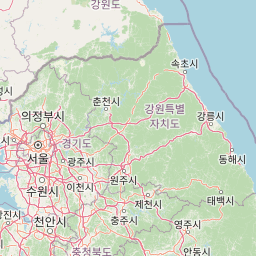
Why Chiaksan National Park stands out
Chiaksan National Park is best known for its iconic peak that rises dramatically above the Gangwon-do landscape, offering panoramic views from its summit. The park is distinguished by its rich biodiversity, supporting endangered species such as the Flying squirrel and Hodgson's Bat within its forest ecosystems. The mountain's cultural identity shaped by the pheasant rescue legend gives the park a unique place in Korean mountain heritage. The combination of hiking opportunities, pristine natural environments, and the mountain's legendary origins makes Chiaksan a notable destination within South Korea's national park system.
Chiaksan National Park history and protected-area timeline
Chiaksan National Park was established on 31 December 1984 as the 16th national park in South Korea, representing a significant addition to the country's growing protected area network during that period. The park's creation reflected South Korea's expanding commitment to biodiversity conservation and natural landscape preservation. The mountain after which the park is named has a documented name history, having been originally known as Jeokakasan before being renamed Chiaksan. This name change was motivated by the mythological association with pheasants, establishing a cultural narrative that continues to shape the park's identity. The establishment brought formal protection to the area's diverse ecosystems and the species they support, including the endangered fauna that depend on the park's habitats.
Chiaksan National Park landscape and geographic character
Chiaksan National Park encompasses the mountainous terrain centred on Chiaksan peak, which reaches an elevation of 1,288 metres. The landscape features the rugged topography characteristic of the Taebaek Mountains region, with steep slopes, rocky outcrops, and forested valleys. The park's terrain provides variety for visitors, from the challenging ascents to the summit offering expansive views to the more gentle trails through woodland areas. The landscape supports the diverse plant and animal communities that contribute to the park's ecological significance, with forests covering much of the area and providing habitat structure for numerous species.
Chiaksan National Park ecosystems, habitats, and plant life
The ecological character of Chiaksan National Park is defined by its diverse plant and animal communities, with the park recording 821 plant species and 2,364 animal species. This biodiversity supports the park's significance as an ecological refuge within South Korea's protected area network. The variety of habitats within the park, from forest floors to rocky ridgelines, creates conditions for species richness across multiple taxonomic groups. The presence of 34 endangered species within the park underscores its importance as a conservation area, providing protected habitat for species that face threats in less protected landscapes.
Chiaksan National Park wildlife and species highlights
Chiaksan National Park supports a notable collection of wildlife, with 2,364 animal species recorded within its boundaries. Among these, 34 species are classified as endangered, including the Flying squirrel and Hodgson's Bat, both of which rely on the park's forest habitats for survival. The diverse woodland environments provide shelter and foraging opportunities for various mammal and bird species, contributing to the park's value as a wildlife refuge. The presence of endangered species such as these highlights the ecological importance of the protected area and the role it plays in species conservation within South Korea.
Chiaksan National Park conservation status and protection priorities
Chiaksan National Park serves as an important conservation area within South Korea, protected under IUCN Category II as a national park. The designation provides legal framework for protecting the park's biodiversity, including its 34 endangered species. The park's conservation value is enhanced by the diversity of its ecosystems, from forested slopes to rocky mountain environments, each supporting distinct ecological communities. Management by the Korea National Park Service ensures ongoing protection of the park's natural resources while balancing visitor access with conservation objectives.
Chiaksan National Park cultural meaning and human context
The cultural identity of Chiaksan National Park is closely tied to the legend that gave the mountain its name. According to the myth, a man saved a pheasant from being eaten by a snake, and the mountain was subsequently renamed Chiaksan, meaning Pheasant Peak Mountain. This narrative connects the physical landscape to Korean cultural heritage, giving the park a distinctive identity that blends natural and mythological elements. The park's location in Gangwon-do places it within a region known for its mountain landscapes and outdoor recreation traditions.
Top sights and standout views in Chiaksan National Park
Chiaksan National Park offers visitors the opportunity to explore a mountain landscape rich in biodiversity and cultural significance. The summit of Chiaksan provides hikers with panoramic views across the Gangwon-do terrain, while the trails traverse environments supporting numerous plant and animal species. The park's endangered wildlife, including Flying squirrels and Hodgson's Bats, represents a particular draw for nature enthusiasts interested in observing rare species in their natural habitat. The combination of outdoor recreation, ecological significance, and cultural heritage makes Chiaksan a distinctive destination within South Korea's national park system.
Best time to visit Chiaksan National Park
Spring and autumn offer the most comfortable conditions for exploring Chiaksan National Park, with mild temperatures and seasonal scenery enhancing the hiking experience. These seasons provide pleasant conditions for mountain trails while showcasing the park's natural beauty through spring blooms or autumn foliage. The mountain environment can be enjoyed year-round, though summer heat and winter cold influence trail conditions and visitor comfort.