

Mori Atlas logo
National parkChiaksan National Park

Understand the mapped boundaries and regional geography of this significant protected natural area.

Chiaksan National Park: National Park Protected Landscape & Geographic Context in Gangwon-do

Chiaksan National Park, located in the Gangwon-do region of South Korea, stands as a key national park entity within the MoriAtlas geographic discovery platform. This page offers detailed insights into the park's protected landscape, providing a cartographic and geographical understanding of its boundaries and natural terrain. Explore how this protected area fits into the regional geography, offering a structured view for atlas-based exploration of natural landscapes.

Mountain parksForest ecosystemsNational parksEndangered species habitatHiking destinationsKorean protected areas

Chiaksan National Park

National park

Park overview

Structured park overview, official facts, and landscape profile for Chiaksan National Park

Chiaksan National Park park facts, protected area profile, and essential visitor context
Review the core facts for Chiaksan National Park, including designation, size, terrain, visitor scale, habitats, and operating context in one park-focused overview.

About Chiaksan National Park

Chiaksan National Park occupies a significant position in South Korea's network of protected areas, representing the mountain landscapes of Gangwon-do province. The park was designated as the 16th national park in the country on 31 December 1984, formalizing protection for this ecologically diverse mountainous region. The park takes its name from Chiaksan, a mountain whose original name Jeokakasan was changed to reflect the pheasant legend that has become embedded in the local cultural narrative. This connection between landscape and legend gives Chiaksan National Park an identity that extends beyond its ecological value, linking the physical terrain to Korean cultural heritage. The Korea National Park Service manages the protected area, ensuring conservation of its natural resources while providing opportunities for public recreation and environmental education.

Quick facts and research context for Chiaksan National Park

Chiaksan National Park is located in Gangwon-do province, South Korea, with Wonju as the nearest city. The park was established on 31 December 1984 and covers 181.57 km². It is managed by the Korea National Park Service and holds IUCN Category II protection status. The park protects Chiaksan mountain (1,288 m) and its surrounding ecosystems, home to 821 plant species and 2,364 animal species, including 34 endangered species.

Park context

Deeper park guide and search-rich context for Chiaksan National Park

Chiaksan National Park history, landscape, wildlife, and travel context
Explore Chiaksan National Park through its history, landscape character, ecosystems, wildlife, conservation priorities, cultural context, and seasonal travel timing in a structured park guide built for atlas discovery and search intent.

Why Chiaksan National Park stands out

Chiaksan National Park is best known for its iconic peak that rises dramatically above the Gangwon-do landscape, offering panoramic views from its summit. The park is distinguished by its rich biodiversity, supporting endangered species such as the Flying squirrel and Hodgson's Bat within its forest ecosystems. The mountain's cultural identity shaped by the pheasant rescue legend gives the park a unique place in Korean mountain heritage. The combination of hiking opportunities, pristine natural environments, and the mountain's legendary origins makes Chiaksan a notable destination within South Korea's national park system.

Chiaksan National Park history and protected-area timeline

Chiaksan National Park was established on 31 December 1984 as the 16th national park in South Korea, representing a significant addition to the country's growing protected area network during that period. The park's creation reflected South Korea's expanding commitment to biodiversity conservation and natural landscape preservation. The mountain after which the park is named has a documented name history, having been originally known as Jeokakasan before being renamed Chiaksan. This name change was motivated by the mythological association with pheasants, establishing a cultural narrative that continues to shape the park's identity. The establishment brought formal protection to the area's diverse ecosystems and the species they support, including the endangered fauna that depend on the park's habitats.

Chiaksan National Park landscape and geographic character

Chiaksan National Park encompasses the mountainous terrain centred on Chiaksan peak, which reaches an elevation of 1,288 metres. The landscape features the rugged topography characteristic of the Taebaek Mountains region, with steep slopes, rocky outcrops, and forested valleys. The park's terrain provides variety for visitors, from the challenging ascents to the summit offering expansive views to the more gentle trails through woodland areas. The landscape supports the diverse plant and animal communities that contribute to the park's ecological significance, with forests covering much of the area and providing habitat structure for numerous species.

Chiaksan National Park ecosystems, habitats, and plant life

The ecological character of Chiaksan National Park is defined by its diverse plant and animal communities, with the park recording 821 plant species and 2,364 animal species. This biodiversity supports the park's significance as an ecological refuge within South Korea's protected area network. The variety of habitats within the park, from forest floors to rocky ridgelines, creates conditions for species richness across multiple taxonomic groups. The presence of 34 endangered species within the park underscores its importance as a conservation area, providing protected habitat for species that face threats in less protected landscapes.

Chiaksan National Park wildlife and species highlights

Chiaksan National Park supports a notable collection of wildlife, with 2,364 animal species recorded within its boundaries. Among these, 34 species are classified as endangered, including the Flying squirrel and Hodgson's Bat, both of which rely on the park's forest habitats for survival. The diverse woodland environments provide shelter and foraging opportunities for various mammal and bird species, contributing to the park's value as a wildlife refuge. The presence of endangered species such as these highlights the ecological importance of the protected area and the role it plays in species conservation within South Korea.

Chiaksan National Park conservation status and protection priorities

Chiaksan National Park serves as an important conservation area within South Korea, protected under IUCN Category II as a national park. The designation provides legal framework for protecting the park's biodiversity, including its 34 endangered species. The park's conservation value is enhanced by the diversity of its ecosystems, from forested slopes to rocky mountain environments, each supporting distinct ecological communities. Management by the Korea National Park Service ensures ongoing protection of the park's natural resources while balancing visitor access with conservation objectives.

Chiaksan National Park cultural meaning and human context

The cultural identity of Chiaksan National Park is closely tied to the legend that gave the mountain its name. According to the myth, a man saved a pheasant from being eaten by a snake, and the mountain was subsequently renamed Chiaksan, meaning Pheasant Peak Mountain. This narrative connects the physical landscape to Korean cultural heritage, giving the park a distinctive identity that blends natural and mythological elements. The park's location in Gangwon-do places it within a region known for its mountain landscapes and outdoor recreation traditions.

Top sights and standout views in Chiaksan National Park

Chiaksan National Park offers visitors the opportunity to explore a mountain landscape rich in biodiversity and cultural significance. The summit of Chiaksan provides hikers with panoramic views across the Gangwon-do terrain, while the trails traverse environments supporting numerous plant and animal species. The park's endangered wildlife, including Flying squirrels and Hodgson's Bats, represents a particular draw for nature enthusiasts interested in observing rare species in their natural habitat. The combination of outdoor recreation, ecological significance, and cultural heritage makes Chiaksan a distinctive destination within South Korea's national park system.

Best time to visit Chiaksan National Park

Spring and autumn offer the most comfortable conditions for exploring Chiaksan National Park, with mild temperatures and seasonal scenery enhancing the hiking experience. These seasons provide pleasant conditions for mountain trails while showcasing the park's natural beauty through spring blooms or autumn foliage. The mountain environment can be enjoyed year-round, though summer heat and winter cold influence trail conditions and visitor comfort.

Park location guide

Geography guide, regional context, and park location map for Chiaksan National Park

Chiaksan National Park park geography, regions, and map view in South Korea
Understand where Chiaksan National Park sits in South Korea through a broader geographic reading of the surrounding landscape, nearby location context, and its mapped position within the national park landscape.

How Chiaksan National Park fits into South Korea

South Korea is a presidential republic on the Korean Peninsula in East Asia. It has a population of about 51 million and Seoul as its capital and largest city. The country is known for its rapid economic development, high technology industry, and cultural exports.

Wider geography shaping Chiaksan National Park in South Korea

South Korea occupies the southern half of the Korean Peninsula in East Asia. It borders North Korea along the Demilitarized Zone to the north, the Yellow Sea to the west, and the Sea of Japan to the east. The terrain is predominantly mountainous with coastal plains along the southern and eastern shores.

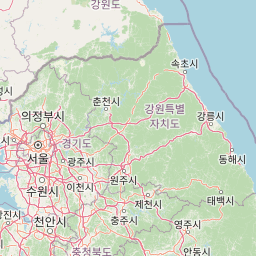
Map view of Chiaksan National Park

Use this park location map to pinpoint Chiaksan National Park in South Korea, understand its exact geographic position, and read its mapped placement within the surrounding landscape more clearly.

Pigeon | © OpenStreetMap contributors

Location context for Chiaksan National Park

Gangwon-do
Park atlas

Compare mountain landscapes, forest ecosystems, and regional protected areas within the Taebaek Mountains and Gangwon-do province.

Explore Related National Parks and Protected Areas Surrounding Chiaksan National Park in South Korea
Browse an extended atlas of national parks and protected areas near Chiaksan National Park, covering adjacent mountainous terrain and forest ecosystems in South Korea. This comparison view helps users understand the regional spread of conservation landscapes and trace similar protected zones across the Taebaek Mountains region.
Watercolor illustration of green hills, a body of water, and mountain peaks under a soft sky
National parkGyeongsangbuk-do

Woraksan National Park: A Key National Park in Gyeongsangbuk-do's Regional Geography

Discover its mapped mountain terrain and protected landscape identity.

Woraksan National Park offers a detailed view of protected mountain landscapes within South Korea's Gyeongsangbuk-do region. The park is characterized by its prominent Mount Worak, steep ridgelines, and dense forested terrain, contributing significantly to the nation's network of protected areas. Users can explore the geographic context, mapped boundaries, and ecological significance of this vital national park, understanding its place in the broader regional atlas and natural landscape context.

Area
287.78 km²
Established
1984
IUCN
II
Relief
Mountain
National parkChungcheongbuk-do

Sobaeksan National Park: A Protected Landscape within Chungcheongbuk-do

Explore its park boundaries and regional geography.

Sobaeksan National Park represents a crucial protected area within the mountainous terrain of Chungcheongbuk-do, South Korea. As a designated national park, it offers a valuable point of reference for understanding regional geographic distribution and landscape context across the Korean Peninsula. This park's identity as a protected natural landscape contributes significantly to the atlas-based exploration of conservation areas and their environmental settings.

Area
322.38 km²
Established
1987
IUCN
II
Relief
Mountain
National parkGangwon-do

Odaesan National Park: South Korea's Protected Landscape and Geographic Context in Gangwon-do

Explore the mapped boundaries and regional terrain of this national park.

Access detailed geographic information and atlas-style exploration for Odaesan National Park, a protected National Park located in Gangwon-do, South Korea. Understand its distinct landscape character and mapped boundaries, contributing to a broader understanding of protected areas within the regional geography. This resource is designed for users interested in the specific geographic identity and mapped context of individual park entities.

Area
303.93 km²
Established
1975
IUCN
II
Relief
Mountain
National parkSouth Korea

Songnisan National Park: Mapped Protected Landscape and Geographic Context in South Korea

Discover South Korea's Songnisan National Park and its protected terrain.

Delve into the protected landscape of Songnisan National Park, a key national park entity in South Korea. This atlas-focused view highlights its mapped geographic boundaries and natural terrain, providing essential context for understanding conservation areas. Explore Songnisan National Park as a distinct protected region contributing to the country's diverse geography and mapped natural heritage.

Area
274.541 km²
Established
1970
IUCN
II
Relief
Mountain
National parkGangwon Province

Seoraksan National Park: A Protected Landscape Within Gangwon Province's Geography

Explore mapped boundaries and regional protected-area distribution.

Seoraksan National Park is a crucial protected area offering a unique lens into the natural landscapes of Gangwon Province. This national park serves as a key geographic anchor, detailed here with its mapped boundaries and regional context for comprehensive atlas exploration. Understand its role as a conservation landscape and discover its place within South Korea's protected lands.

Area
398.22 km²
Established
1970
IUCN
II
Relief
Mountain
National parkGyeonggi Province

Bukhansan National Park: Protected Area Geography and Mapped Boundaries in Gyeonggi Province

Explore the landscape context of this national park.

Bukhansan National Park stands as a distinct protected area within Gyeonggi Province, offering a rich landscape for geographic exploration. This entry focuses on its identity as a national park, detailing its mapped boundaries and its contribution to the regional geography. Users can explore its protected landscape features and understand its significance through a structured, map-centric approach, enriching their atlas understanding of protected natural areas.

Area
79.92 km²
Established
1983
IUCN
II
Visitors
5M annual
National parkChungcheongnam-do

Gyeryongsan National Park: Mapped Protected Landscape in Chungcheongnam-do

Explore its national park designation and regional geography.

Gyeryongsan National Park is a formally protected national park in Chungcheongnam-do, South Korea. This page offers critical atlas context for understanding the park's geographic scope, mapped protected boundaries, and its significance as a natural landscape within the region. Examine the terrain and explore its regional context for a deeper appreciation of its protected status.

Area
64.71 km²
Established
1968
IUCN
II
Relief
Mountain
National parkSouth Korea

Juwangsan National Park: Protected Mountain Landscape and Regional Geography in South Korea

Mapped terrain, park boundaries, and natural landscapes.

Juwangsan National Park is a protected natural area situated within South Korea's Taebaek mountain range, renowned for its steep valleys, waterfalls, and dense forests. This park offers a rich landscape context, showcasing dramatic ridgelines and providing a significant example of South Korea's protected mountain terrain. Discover its geographic placement, mapped protected boundaries, and the unique natural and cultural elements that define this national park.

Area
107.42 km²
Established
1976
IUCN
II
Relief
Mountain

Common questions about visiting, size, designation, and location context for Chiaksan National Park

Chiaksan National Park FAQs for park facts, access, geography, and protected area context
Find quick answers about Chiaksan National Park, including protected-area facts, park geography, trail and visitor context, and how the park fits into its surrounding country and regional landscape.
MoriAtlas Explorer

Continue Your Protected Areas Search Across the Global Atlas

Deepen your exploration by continuing the structured search for national parks and protected areas worldwide. Utilize the comprehensive filtering capabilities to compare different conservation landscapes and refine your understanding of global park geography. Discover more about the distribution and characteristics of protected natural areas.

Global natural geography