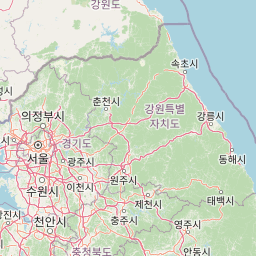
Why Odaesan National Park stands out
Odaesan National Park is best known for its namesake mountain and the five-peak landscape that gives the area its distinctive character. The park protects a significant portion of the central eastern mountain belt in South Korea, preserving habitats across elevation gradients that support diverse plant and animal communities. Its biodiversity is particularly notable, with the park recording nearly 3,800 species across multiple taxonomic groups, making it one of the richer protected areas in the Korean national park system for overall species diversity.
Odaesan National Park history and protected-area timeline
Odaesan National Park was established on February 1, 1975, becoming the 11th national park in South Korea's developing system of protected areas. The selection of this mountain area for national park status reflected the ecological and scenic significance of the Odaesan region within the broader context of Korean mountain landscapes. At the time of designation, South Korea was expanding its network of national parks to encompass representative examples of the country's diverse natural environments, from mountain systems to coastal areas and forested landscapes. The park's creation formalized protection for the Odaesan mountain area and brought it under the management framework of what would become the Korea National Park Service, the federal agency responsible for administering South Korea's national park system.
Odaesan National Park landscape and geographic character
The landscape of Odaesan National Park is defined by its mountainous terrain, with Mount Odaesan rising as a prominent peak within the eastern Korean highlands. The mountain's five major peaks create a distinctive topography, with the intervening valleys and plains that give the area its name. The park encompasses forested slopes, rocky ridgelines, and the drainage systems that flow through the valleys. The elevation gradient from the lower slopes to the 1,563-meter summit supports varying vegetation zones and creates the topographic diversity that characterizes this protected mountain landscape. The terrain reflects the geological character of the Taebaek Mountains region, which forms the backbone of eastern South Korea.
Odaesan National Park ecosystems, habitats, and plant life
The ecological diversity of Odaesan National Park is one of its defining characteristics, with the protected area supporting a remarkable breadth of biodiversity across its 303 square kilometers. The park documents a total of 3,788 species, a figure that reflects comprehensive survey work within the protected area over time. Plant diversity includes approximately 1,040 species, while the invertebrate fauna is particularly diverse with 1,976 insect species and 157 spider species recorded. The vertebrate fauna includes 28 mammal species, 103 bird species, 13 amphibian species, 12 reptile species, and 35 fish species. This species richness across multiple taxonomic groups demonstrates the ecological value of protecting this mountain ecosystem and its various habitats from valley floors to ridgelines.
Odaesan National Park wildlife and species highlights
The wildlife of Odaesan National Park reflects the ecological diversity of the mountain and forest habitats protected within its boundaries. Bird species number over 100, while the mammal community includes species typical of Korean mountain forests. The amphibian and reptile diversity reflects the presence of streams and wetland areas within the park, supporting species associated with aquatic and riparian habitats. Fish species inhabit the park's streams and drainage systems. The insect and spider communities contribute substantially to the overall species count, indicating a healthy and ecologically functioning ecosystem with the invertebrate diversity that underpins food webs throughout the protected area.
Odaesan National Park conservation status and protection priorities
Odaesan National Park represents an important protected area within South Korea's national park system, preserving a representative example of the eastern Korean mountain landscape. The park's IUCN Category II designation reflects its primary objective of protecting natural ecosystems while allowing for visitor enjoyment of the landscape. The protection of 303.93 square kilometers of mountain terrain ensures the preservation of habitat for the park's documented species and maintains ecological connectivity within the broader mountainous region of Gangwon-do. As one of South Korea's older national parks, established in 1975, Odaesan demonstrates the long-term commitment to maintaining natural areas within a country that has experienced rapid development.
Top sights and standout views in Odaesan National Park
The defining feature of Odaesan National Park is Mount Odaesan itself, rising to 1,563 meters with its five-peak character that gives the area its name. The park protects exceptional biodiversity, with nearly 3,800 documented species across plants, mammals, birds, reptiles, amphibians, fish, and invertebrates. The elevation gradient from valley to summit creates diverse habitats within a relatively compact area. The park offers visitor amenities including campgrounds, walking paths, and pension-style accommodations, providing access to the mountain landscape while maintaining conservation objectives.
Best time to visit Odaesan National Park
The mountain landscapes of Odaesan National Park offer distinct seasonal experiences throughout the year. Spring and autumn typically provide comfortable conditions for hiking and outdoor activities, with moderate temperatures and the opportunity to observe seasonal changes in the park's vegetation and wildlife. Summer months bring warmer conditions and the full development of the forest canopy, while winter transforms the landscape with snow cover on the higher elevations. Visitors planning trips to the park should consider the elevation gradient and the mountain conditions that can differ significantly from the lower elevation approaches.