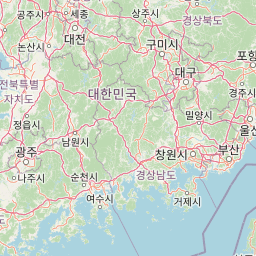
Why Naejangsan National Park stands out
Naejangsan National Park is best known for its exceptional autumn color season, when the mountain's deciduous forests transform into vivid displays of red, orange, and gold foliage that draw visitors from across South Korea. Beyond its seasonal beauty, the park is recognized for its ecological diversity, supporting a remarkable concentration of species across its forested slopes and valley systems. The mountain's spiritual heritage is also a defining characteristic, with historic Buddhist temples integrated into the landscape and contributing to the park's cultural identity.
Naejangsan National Park history and protected-area timeline
Naejangsan National Park was designated as South Korea's eighth national park on 17 November 1971, reflecting the country's growing commitment to preserving representative examples of its natural landscape. The establishment of the park came during a period when South Korea was systematically building its national park system, which had begun with the designation of Baekdu Mountain in 1966. The selection of Naejangsan for protected status recognized both the area's ecological significance and its cultural importance as a historic site of Buddhist worship. The mountain has been a sacred site for centuries, with temples established on its slopes serving as centers of spiritual practice and cultural preservation. The Korea National Park Service was designated as the governing body for managing the park, implementing conservation programs and visitor management frameworks that have evolved over the decades.
Naejangsan National Park landscape and geographic character
The landscape of Naejangsan National Park is defined by mountainous terrain with steep slopes, narrow valleys, and forested ridgelines characteristic of the hillslope topography found throughout southwestern South Korea. Naejangsan itself is the central peak, rising to 763 meters, but the park encompasses a broader network of adjacent ridges and valleys that create a complex and visually varied landscape. The valleys contain streams and small waterfalls that add to the scenic character, while the slopes support dense forest cover that changes dramatically with the seasons. The combination of the mountain's elevation, its forest cover, and the temple complexes nestled within the valleys creates a traditional Korean mountain landscape that has been celebrated in art and literature for centuries.
Naejangsan National Park ecosystems, habitats, and plant life
The ecological character of Naejangsan National Park is defined by its diverse forest ecosystems and the associated biodiversity they support. The park contains 919 documented plant species, representing a rich flora that includes both deciduous and evergreen species adapted to the temperate climate of the Korean peninsula. The forest communities provide critical habitat for the park's animal inhabitants, with 1,880 animal species documented within the boundaries. Twelve of these animal species are classified as endangered, highlighting the park's significance as a refuge for species of conservation concern. The combination of elevation variation, forest types, and the presence of water features in the valleys creates a mosaic of habitats that supports this remarkable diversity.
Naejangsan National Park wildlife and species highlights
Naejangsan National Park supports a significant animal community with 1,880 documented species, including twelve endangered species that receive special conservation attention. The forest-dwelling fauna includes various mammal, bird, reptile, amphibian, and insect species that depend on the park's woodland habitats for survival. The presence of endangered species underscores the ecological importance of the protected area and its role in maintaining biodiversity in the southwestern Korean peninsula. The diverse habitats created by the mountain's topography, from valley streams to ridgeline forests, support different animal communities throughout the park.
Naejangsan National Park conservation status and protection priorities
As South Korea's eighth national park and an IUCN Category II protected area, Naejangsan National Park serves important conservation functions for the southwestern region of the Korean peninsula. The park protects significant forest ecosystems and the biodiversity they contain, including twelve endangered animal species. The protected status helps maintain ecological processes and species populations that might otherwise face pressure from development or resource extraction. The park also preserves a landscape of cultural and spiritual significance, where the integration of natural and cultural values reflects traditional Korean approaches to mountain stewardship. Management by the Korea National Park Service ensures ongoing protection and sustainable visitor access.
Naejangsan National Park cultural meaning and human context
Naejangsan National Park contains significant cultural heritage elements, particularly the Buddhist temples that have been established on the mountain's slopes over centuries. These temple complexes are active religious sites that contribute to the park's identity and provide a cultural dimension that complements its natural features. The mountain has been a place of spiritual practice and pilgrimage, with the temples serving as centers of worship, meditation, and cultural preservation. This religious heritage has shaped the landscape over generations, with temple buildings, stone monuments, and associated traditions becoming integral to the character of Naejangsan.
Top sights and standout views in Naejangsan National Park
Naejangsan National Park stands out for its exceptional autumn foliage season, when the mountain's forests display vivid colors that rank among the most celebrated in South Korea. The park's biodiversity, with 919 plant species and 1,880 animal species including twelve endangered species, represents a remarkable concentration of life in a relatively compact protected area. The historic Buddhist temples within the park add cultural depth, creating a landscape where natural and spiritual heritage interweave. The mountain's 763-meter summit offers hiking opportunities through diverse forest environments, while the valley temples provide cultural and contemplative spaces for visitors.
Best time to visit Naejangsan National Park
The optimal time to visit Naejangsan National Park is during the autumn season, typically from mid-October to early November, when the deciduous forests display their characteristic vibrant foliage in reds, oranges, and golds. This autumn color season is the park's most famous attraction and draws significant visitor numbers. Spring offers another appealing season, with cherry blossoms and fresh green foliage emerging across the slopes. Summer brings lush forest cover but also larger visitor crowds and warmer conditions. Winter provides a quieter experience with bare trees revealing mountain contours, though trail conditions may be more challenging. The choice of season depends on whether visitors prioritize the renowned autumn colors, spring flowers, or the solitude of quieter months.