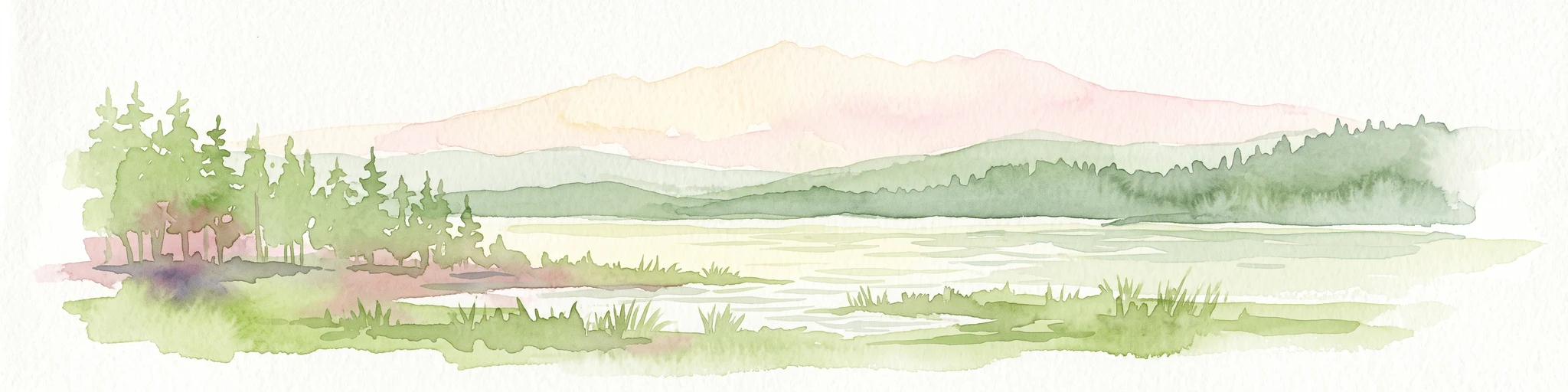
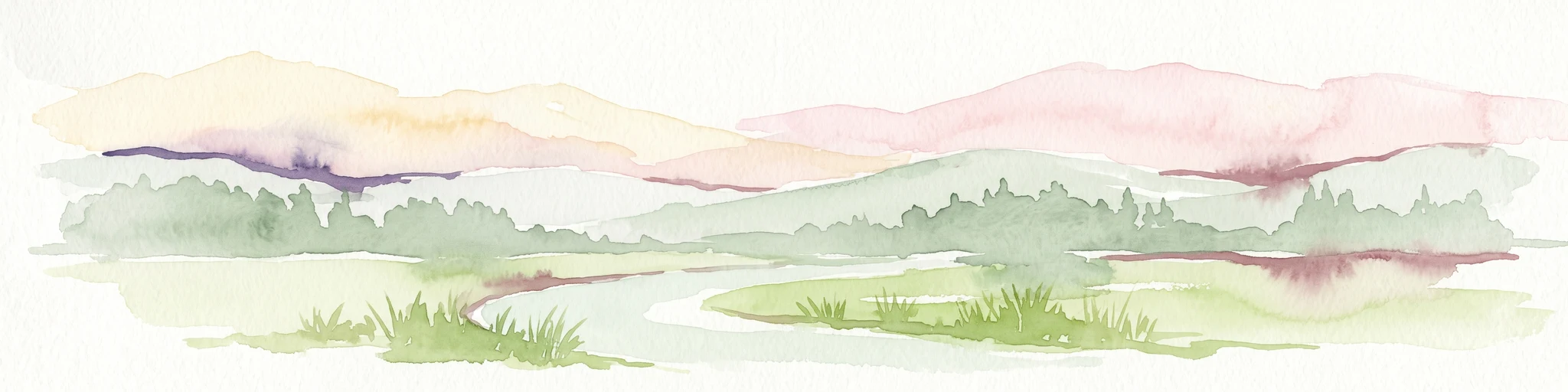
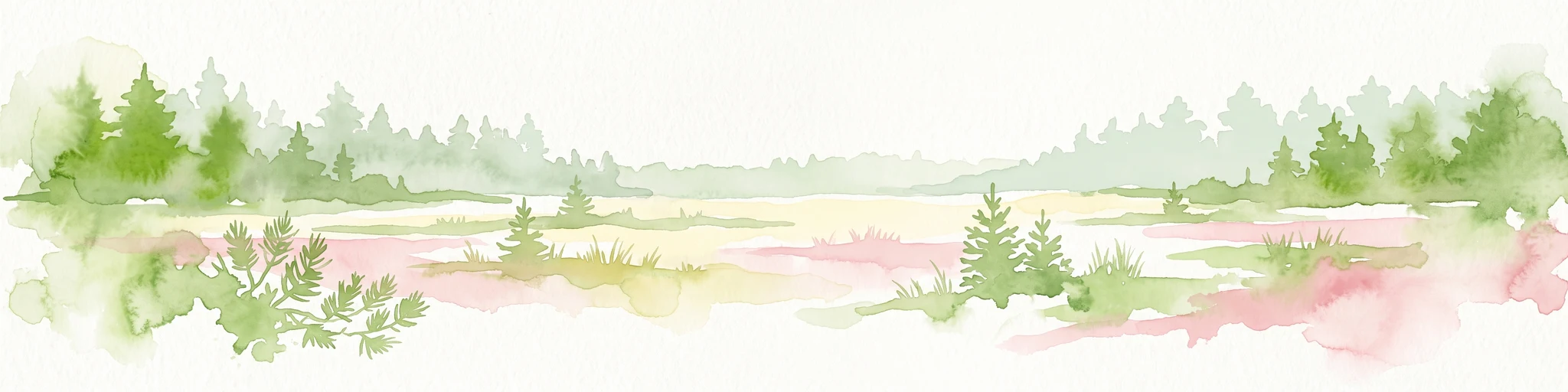
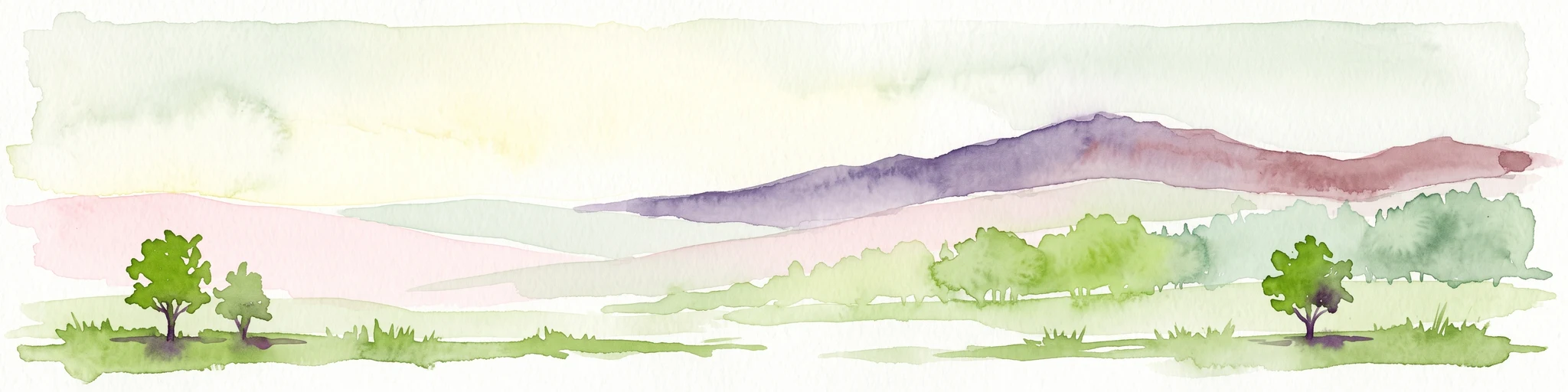
A mosaic of Pre-Alpine forests, moorlands, and species-rich wetlands in Upper Swabia.
Altdorfer Wald
Altdorfer Wald is a designated European Fauna-Flora-Habitat (FFH) protected area in the southeastern part of the German state of Baden-Württemberg. Covering roughly 1,371 hectares across ten sub-areas, it lies within the Landkreis Ravensburg and straddles the natural regions of the Bodenseebecken, Oberschwäbisches Hügelland, and Westallgäuer Hügelland, at elevations between 500 and 700 metres.
The site is notable for its remarkable concentration of habitat types: living raised bogs, transition mires, calcareous fens, kettle holes, calcareous spring fens, base-rich spring mires, sedge swards, and a diverse assemblage of forests that range from beechwoods on calcareous substrates to ravine, mire, and floodplain woodlands. Beyond its hydrological richness, the area also hosts dry calcareous grasslands and species-poor acidic spruce forests, giving the protected area a striking mixture of wet and dry ecological conditions.
By aggregating several long-standing nature reserves, including Füremoos, Tuffsteinbruch Weissenbronnen, Wolfegger Ach, Girasmoos, Saßweiher, and Lochmoos, the FFH area consolidates a regionally significant network of mires, watercourses, and old-growth forest stands. Its formal designation, signed off in 2018 and effective from 11 January 2019, was the culmination of a process that began when the Regierungspräsidium Tübingen proposed the area as an FFH site back in 2005.