

Mori Atlas logo
Nature reserveAlykos Potamos - Agios Sozomenos

A compressed Mediterranean habitat network featuring saline wetlands, riparian gallery vegetation, and rare plant refuges.

Alykos Potamos - Agios Sozomenos: A Distinctive Nature Reserve and Inland Protected Landscape in Central Cyprus

(Alykos Potamos - Agios Sozomenos (CY2000002))

Alykos Potamos - Agios Sozomenos stands as a compact Natura 2000 complex in the interior of Cyprus, providing a vital refuge for dozens of protected bird species and endemic plant life. The reserve encompasses eleven distinct habitat types, ranging from Mediterranean salt meadows and halophytic scrub to rocky phrygana slopes and riparian gallery forests. This inland mosaic relies on the hydrological influence of the stream system to sustain its ecological diversity, offering a unique look at the complex environmental geography of the eastern Mediterranean region.

Mediterranean ecosystemshalophytic vegetationSalicornia marshessaline wetlandsphryganaarborescent matorral

Alykos Potamos - Agios Sozomenos

Nature reserve

Park overview

Structured park overview, official facts, and landscape profile for Alykos Potamos - Agios Sozomenos

Alykos Potamos - Agios Sozomenos park facts, protected area profile, and essential visitor context

Review the core facts for Alykos Potamos - Agios Sozomenos, including designation, size, terrain, visitor scale, habitats, and operating context in one park-focused overview.

About Alykos Potamos - Agios Sozomenos

Alykos Potamos - Agios Sozomenos is a compact but ecologically diverse protected site in the inland part of the Republic of Cyprus, formally integrated into the European Natura 2000 ecological network. Although relatively small in geographic extent, it carries significant conservation weight because three different Natura 2000 protection regimes converge within its boundaries: a Special Protection Area for birds, a Site of Community Importance, and a Special Area of Conservation. This layered designation reflects both its habitat diversity and its particular importance for birdlife.

The site lies within the Mediterranean ecoregion and captures a transitional landscape where moisture-loving habitats meet classic dry Mediterranean vegetation. The Alykos Potamos stream system shapes much of the local hydrology, creating conditions for saline and brackish plant communities, Mediterranean salt meadows, and pockets of Mediterranean Jluncetalia maritimi-type pastures. Along and around these wetter zones, the site also supports halophytic scrub formations, arborescent matorral with Zyziphus, and thermo-Mediterranean and pre-desert shrubland, before grading into the drier phrygana communities dominated by Sarcopoterium spinosum and the pseudo-steppe grasslands characteristic of Thero-Brachypodietea annuals. Fragments of southern riparian gallery scrub along the watercourse add a structural contrast to the otherwise open mosaic.

From a biodiversity perspective, the site's profile is dominated by birds. More than fifty protected bird species are associated with the protected area, spanning a wide range of ecological roles: wetland-associated species such as the little egret, purple heron, and snipe; open-country species including skylarks, short-toed larks and corn buntings; raptors such as hen harrier, pallid harrier and red-footed falcon; and a notable set of Mediterranean passerines including the European roller, red-backed shrike, lesser grey shrike, woodchat shrike, olivaceous warbler, and several Oenanthe wheatears. The site is particularly significant for species with a Cypriot center of distribution, such as the endemic or near-endemic Oenanthe cypriaca, Emberiza caesia and Sylvia melanothorax.

Beyond its bird fauna, the area protects a smaller but ecologically meaningful set of other taxa. The orchid Ophrys kotschyi is listed as the principal protected plant, while bat species such as the lesser horseshoe bat (Rhinolophus hipposideros) and the Egyptian fruit bat (Rousettus aegyptiacus), and the Western Caspian turtle (Mauremys rivulata) round out the protected fauna. Together with the eleven natural habitat types recorded on site, this combination gives the protected area a disproportionately high conservation value for its size, and makes it an important reference point for inland wetland-to-phrygana transition ecology in Cyprus.

Quick facts and research context for Alykos Potamos - Agios Sozomenos

Alykos Potamos - Agios Sozomenos is a Natura 2000 complex protected area in central Cyprus, designated in three stages between 2002 and 2015. It was first classified as a Special Protection Area for birds in December 2002, then listed as a Site of Community Importance in May 2004, and finally confirmed as a Special Area of Conservation in September 2015 under the site code CY2000002.

The site is entirely terrestrial and lies within the Mediterranean ecoregion, combining wetlands and saline habitats along the Alykos Potamos stream corridor with surrounding dry Mediterranean shrubland and phrygana. It is nationally significant for bird conservation, supporting 54 protected bird species together with notable mammals, reptiles and plants, including the orchid Ophrys kotschyi and the turtle Mauremys rivulata.

Protection and recognition

Terrestrial conservation history, designation year, and official recognition sources

Alykos Potamos - Agios Sozomenos Protection Status and Natura 2000 Data

Alykos Potamos - Agios Sozomenos holds documented terrestrial protection status established in 2015 alongside official Natura 2000 recognition records. Structured conservation metrics outline the baseline boundaries and administrative designations for this protected landscape.

International recognition

Protection details

Protection scope
Terrestrial
Designated year
2015
Transboundary protection
No
Park context

Deeper park guide and search-rich context for Alykos Potamos - Agios Sozomenos

Alykos Potamos - Agios Sozomenos history, landscape, wildlife, and travel context

Explore Alykos Potamos - Agios Sozomenos through its history, landscape character, ecosystems, wildlife, conservation priorities, cultural context, and seasonal travel timing in a structured park guide built for atlas discovery and search intent.

Why Alykos Potamos - Agios Sozomenos stands out

The site is best known as a compact Mediterranean Natura 2000 complex that bundles several overlapping protection designations into a single inland area. It is recognized for its mosaic of saline, riparian and dryland habitats in close proximity, including Mediterranean salt meadows, Salicornia tidal marshes, halophytic scrub and phrygana, linked by southern riparian gallery vegetation along the Alykos stream corridor. It is also notable at the national level for its bird fauna, hosting an unusually high number of protected bird species for a small inland site, including herons, harriers, wheatears, shrikes, warblers and several Mediterranean endemics or near-endemics such as the Cyprus wheatear (Oenanthe cypriaca), the Cyprus bunting (Emberiza caesia) and the Cyprus warbler (Sylvia melanothorax).

Alykos Potamos - Agios Sozomenos history and protected-area timeline

Alykos Potamos - Agios Sozomenos entered the formal conservation framework in stages through the 2000s, as Cyprus progressively aligned its protected-area system with the European Union's Natura 2000 network. In December 2002, it was declared a Special Protection Area (SPA) for birds, anchoring its original recognition in its avifaunal value. This initial designation specifically cited the need to protect one plant species and fifty-seven animal species occurring within its boundaries.

In May 2004, the area was additionally recognized as a Site of Community Importance (SCI), extending protection to its full suite of natural habitats and non-bird fauna. The final step came in September 2015, when the site was confirmed as a Special Area of Conservation (SAC), completing the transition from a primarily bird-focused designation to a fully integrated conservation area under the EU Habitats Directive framework. This stepped recognition mirrors the broader pattern of Natura 2000 development in Cyprus following the country's EU accession, as national authorities progressively identified, evaluated, and formally designated sites of European conservation importance.

Alykos Potamos - Agios Sozomenos landscape and geographic character

The landscape of Alykos Potamos - Agios Sozomenos is shaped by the Alykos Potamos stream corridor and the surrounding inland hills of central Cyprus, in a setting that blends moist valley bottom conditions with classic dry Mediterranean terrain. Although the protected area is entirely terrestrial, the hydrological influence of the stream system creates localized pockets of salinity and moisture that contrast sharply with the surrounding arid slopes.

This juxtaposition produces a varied mosaic of saline margins, damp meadows, riparian thickets, rocky calcareous slopes with chasmophytic vegetation, and open shrublands. The lower parts of the valley support salt-tolerant vegetation and Mediterranean salt meadows, while mid-slopes carry arborescent matorral and dense thermo-Mediterranean shrubland, giving way higher up to sparser phrygana and pseudo-steppe formations. The overall impression is of a stepped Mediterranean landscape in which water availability, soil chemistry and slope exposure combine to produce several distinct plant communities within a very compact area.

Alykos Potamos - Agios Sozomenos ecosystems, habitats, and plant life

Ecologically, the site functions as a transitional Mediterranean ecosystem where moisture-driven and drought-driven habitats meet. Eleven natural habitat types are formally recognized within the protected area, spanning saline and brackish environments, Mediterranean steppic formations, shrub-dominated communities, and riparian systems.

The wetland-influenced habitats include Salicornia-dominated tidal marsh vegetation, Mediterranean salt meadows of the Juncetalia maritimi type, Mediterranean wet tall-herb meadows of the Molinio-Holoschoenion type, and southern riparian gallery formations associated with the Alykos stream corridor. The drier habitats include halophytic thermo-Atlantic scrub, halo-nitrophilous scrub, thermo-Mediterranean and pre-desert shrubland, Sarcopoterium spinosum phryganas, and pseudo-steppe grasslands of the Thero-Brachypodietea type. Calcareous rocky slopes with chasmophytic vegetation add a third dimension, supporting specialist plant life on rock outcrops. This habitat diversity, compressed into a relatively small area, gives the protected area a much richer ecological character than its size alone would suggest.

Alykos Potamos - Agios Sozomenos wildlife and species highlights

The wildlife character of Alykos Potamos - Agios Sozomenos is overwhelmingly defined by its bird fauna, which is the principal reason the site received its first formal European protection designation in 2002. Fifty-four protected bird species have been recorded in association with the protected area, encompassing wetland, farmland, open-country and shrubland species.

Among the more ecologically distinctive species, the site hosts herons and egrets such as the little egret, great egret, purple heron and night heron, alongside harriers including the hen harrier, pallid harrier and Western marsh harrier. Open-country passerines include the skylark, short-toed lark, tawny pipit, meadow pipit and corn bunting, while Mediterranean and near-endemic species add a strong regional signature, including the Cyprus wheatear (Oenanthe cypriaca), the Cyprus bunting (Emberiza caesia) and the Cyprus warbler (Sylvia melanothorax). Shrikes such as the red-backed shrike and lesser grey shrike, the European roller, the European bee-eater, and warblers such as the melodious warbler further reinforce the site's importance for Mediterranean passerine communities.

Beyond birds, the protected area supports two key mammal species, the lesser horseshoe bat (Rhinolophus hipposideros) and the Egyptian fruit bat (Rousettus aegyptiacus), together with the Western Caspian turtle (Mauremys rivulata) as the formally protected reptile. The orchid Ophrys kotschyi is the principal protected plant species, while additional incidental records include thirteen plant species, fourteen bird species, one amphibian, and five reptile species not covered by the main Annex listings, reflecting the broader biological richness that underlies the site's conservation importance.

Alykos Potamos - Agios Sozomenos conservation status and protection priorities

From a conservation perspective, Alykos Potamos - Agios Sozomenos occupies an unusually strong position for a small inland site in Cyprus, because it has accumulated all three of the principal Natura 2000 designations available under the Birds Directive and the Habitats Directive. Its Special Protection Area status recognizes its importance for bird conservation, while its Site of Community Importance and Special Area of Conservation designations recognize its broader habitat and non-avian biodiversity significance.

The site is particularly valued as a refuge for Mediterranean transitional habitat mosaics, preserving habitat types that are increasingly pressured across the Eastern Mediterranean by agricultural intensification, urban expansion, watercourse modification and climate-driven aridification. By protecting a contiguous block that includes saline, riparian, shrubland and phrygana habitats together, the area secures ecological connectivity and functional heterogeneity that are often lost in fragmented landscapes. Its recorded protected species count, with one formally protected plant, fifty-four protected birds, two protected mammals and one protected reptile, makes it a disproportionately important biodiversity reservoir at the national level.

Alykos Potamos - Agios Sozomenos cultural meaning and human context

The site derives its name from the Alykos Potamos stream system and the locality of Agios Sozomenos, both of which belong to a landscape of long-standing rural and agro-pastoral use in inland Cyprus. While the protected-area documentation does not emphasize a detailed cultural or archaeological narrative, the surrounding region's traditional land use has historically combined dryland farming, grazing and small-scale water management, shaping the very mosaic of open habitats, secondary shrubland and riparian corridors that the site now protects.

Top sights and standout views in Alykos Potamos - Agios Sozomenos

A compact Mediterranean Natura 2000 complex in inland Cyprus that combines Special Protection Area, Site of Community Importance and Special Area of Conservation status within a single boundary.

Eleven natural habitat types compressed into a small area, ranging from saline and brackish wetlands to halophytic scrub, arborescent matorral, phrygana and southern riparian gallery vegetation.

A nationally significant bird site, recognized for fifty-four protected bird species, including important populations of Mediterranean and Cypriot endemics such as Oenanthe cypriaca, Emberiza caesia and Sylvia melanothorax.

An important refuge for the orchid Ophrys kotschyi, the lesser horseshoe bat, the Egyptian fruit bat, and the Western Caspian turtle Mauremys rivulata, in a single multi-habitat inland reserve.

Best time to visit Alykos Potamos - Agios Sozomenos

Because Alykos Potamos - Agios Sozomenos is primarily a conservation and biodiversity site rather than a developed visitor destination, the timing of any potential visit is best considered from an ecological perspective. Spring, roughly from March through May, is widely regarded as the most rewarding period across Mediterranean Natura 2000 sites of this type: temperatures are mild, annual vegetation including the Thero-Brachypodietea grasslands and phrygana are in active growth and flowering, and both resident and migratory bird activity peaks, including passage wheatears, shrikes, warblers and raptors.

Autumn, from September into early November, is a secondary season of interest, when post-breeding dispersal and southbound migration again increase bird presence, several orchid and bulb species enter their autumn phase, and softer light enhances viewing of the saline and riparian habitat mosaic. Summer conditions in central Cyprus are typically hot and dry, with reduced passerine activity and brittle vegetation, while winter can be cool and wet, with some wetland-dependent species more visible but overall floral display reduced. As always at small protected sites, visits should be planned with low-impact behavior in mind, keeping to existing tracks to avoid disturbance to ground-nesting birds and sensitive halophytic vegetation.
Monthly climate preview

Long-term representative temperature and precipitation trends across twelve recorded intervals

Alykos Potamos - Agios Sozomenos Climate Normals and Monthly Weather Profile

Representative coordinate records show average monthly temperatures ranging from 10.45 degrees Celsius to 29.81 degrees Celsius alongside recorded precipitation cycles. Detailed monthly comparisons provide broader context for studying long-term climate patterns across the protected terrain.
Annual mean20 °C
10 °C30 °C
Jan10°
Feb11°
Mar13°
Apr17°
May22°
Jun27°
Jul30°
Aug30°
Sep27°
Oct22°
Nov17°
Dec12°
Warmest month
July

29.8 °C

Coolest month
January

10.5 °C

Wettest month
December

2.7 mm/day

Driest month
July

0 mm/day

Park location guide

Geography guide, regional context, and park location map for Alykos Potamos - Agios Sozomenos

Alykos Potamos - Agios Sozomenos park geography, regions, and map view in Cyprus

Understand where Alykos Potamos - Agios Sozomenos sits in Cyprus through a broader geographic reading of the surrounding landscape, nearby location context, and its mapped position within the national park landscape.

How Alykos Potamos - Agios Sozomenos fits into Cyprus

Cyprus is an island nation in the eastern Mediterranean Sea, positioned at the crossroads of Europe, Africa, and Asia. The Republic of Cyprus governs the southern portion of the island, with Nicosia as its capital and largest city. The island has a complex political situation due to the Turkish occupation in the north and contains British military bases in the south. Cyprus gained independence from Britain in 1960 and is a member of the European Union.

Wider geography shaping Alykos Potamos - Agios Sozomenos in Cyprus

Cyprus is an island located in the eastern Mediterranean Sea, off the coast of the Levant in West Asia. The island lies approximately 75 km south of Turkey, 105 km west of Syria, and 380 km north of Egypt. The terrain varies from mountainous regions in the north and interior to plains and coastal areas. The Troodos Mountains dominate the central and southwestern part of the island. The island has no land borders as it is entirely surrounded by sea.

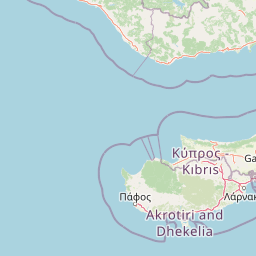
Map view of Alykos Potamos - Agios Sozomenos

Use this park location map to pinpoint Alykos Potamos - Agios Sozomenos in Cyprus, understand its exact geographic position, and read its mapped placement within the surrounding landscape more clearly.

Pigeon | © OpenStreetMap contributors
Recorded earthquake history

Examine the Seismic History of Alykos Potamos - Agios Sozomenos

Review the recorded seismic activity associated with the vicinity of this Natura 2000 site. The MoriAtlas earthquake catalogue allows users to trace historical epicentres near the valley, providing geographical context for seismic events documented within the central Cyprus region.

Alykos Potamos - Agios Sozomenos Earthquakes

Catalogued events

180 events

Strongest magnitude

Magnitude 5.6

Most recent event

Feb 19, 2023

This history includes earthquakes recorded inside the park or within 50 km of its borders

Park atlas

Compare surrounding inland valley landscapes and connected Mediterranean reserves

Explore Other Parks Near Alykos Potamos - Agios Sozomenos and Related Protected Areas

Browse nearby national parks and protected areas sharing similar inland river valleys, salt marshes, and dry Mediterranean vegetation mosaics. Comparing these sites reveals broader regional ecological patterns across the central terrain of Cyprus.
Nature reserveCyprus
About 1.4 km away#1 closest

Southwest

Potamos Gialias Nature Reserve: Mapping Protected River Habitats in Cyprus

An analysis of riverine corridors, Mediterranean shrublands, and regional biodiversity.

Potamos Gialias represents a focused nature reserve in Cyprus, protecting an intricate mosaic of riparian galleries, phrygana shrublands, and endemic pine forests. This site offers a clear view into the Mediterranean ecological gradient, where seasonal riverbeds intersect with rocky slopes to support unique fauna and resilient plant communities within a compact geographic boundary.

Area
0.934 km²
Relief
Mixed relief
Climate
Mediterranean
Scope
Terrestrial
Nature reserveCyprus
6 km away#2 closest

Southwest

Dasos Machaira Nature Reserve: Geographic Overview and Protected Landscape Mapping

A diverse Natura 2000 protected area in central Cyprus

Spanning an inland expanse in central Cyprus, Dasos Machaira serves as a prime example of Mediterranean ecological diversity. The nature reserve encompasses a varied terrain of river valleys, golden oak woodland, and steep rocky slopes, documented through its status as both a Site of Community Importance and a Special Protection Area. The site remains a critical hub for endemic plant life and migratory bird populations, showcasing a dense convergence of distinct habitat types.

Area
44.28 km²
Established
2002
Relief
Upland
Climate
Mediterranean
Nature reserveCyprus
8.4 km away#3 closest

Southeast

Periochi Lympion - Agias Annas: Inland Protected Landscapes and Nature Reserve Atlas

Mediterranean shrubland and bird conservation zones in central Cyprus

Periochi Lympion - Agias Annas preserves essential thermo-Mediterranean shrubland and Sarcopoterium-dominated phrygana formations within the Cyprus interior. This protected landscape sustains a mosaic of pseudo-steppe grasslands and diverse bird populations, providing a focused view of inland habitat conservation within the eastern Mediterranean ecoregion.

Area
5.167 km²
Established
2002
Relief
Lowland
Scope
Terrestrial
Nature reserveCyprus
8.4 km away#4 closest

Southeast

Periochi Kosiis - Pallourokampou Nature Reserve: Regional Geography and Protected Boundaries

Inland Cyprus protected landscape and natural terrain mapping

Periochi Kosiis - Pallourokampou represents a crucial nature reserve within the Mediterranean ecoregion of Cyprus. Examine the park boundaries and regional geographic context through this structured atlas entry, which details the terrestrial landscape features defining this inland conservation area.

Area
37.178 km²
Established
2007
Climate
Mediterranean
Scope
Terrestrial
Nature reserveCyprus
9.8 km away#5 closest

Southwest

Periochi Tzionia: Protected Landscape Mapping and Geographic Context in Cyprus

A Natura 2000 designated nature reserve in the Cyprus interior.

Periochi Tzionia serves as a significant terrestrial protected area, defined by its function within the Mediterranean ecoregion. This nature reserve provides essential structural support for diverse bird communities, serving as a pillar of regional conservation efforts in Cyprus through its role in the EU Birds Directive framework.

Area
68.428 km²
Established
2008
Climate
Mediterranean
Scope
Terrestrial
Protected areaCyprus
11 km away#6 closest

Southeast

Potamos Panagias Stazousas Protected Area: Geography and Landscape of Central Cyprus

Riverine corridors and Mediterranean avian habitats

Potamos Panagias Stazousas represents a core protected area in inland Cyprus, recognized primarily for its rich birdlife and distinct river-centered geography. This site showcases a diverse Mediterranean mosaic of scrubland, farmland, and woodland, providing critical ecological connectivity within the eastern Mediterranean basin.

Area
17.45 km²
Established
2007
Climate
Mediterranean
Scope
Terrestrial
Protected areaCyprus
12 km away#7 closest

West

Koilada Potamou Maroullenas Protected Area: Geography and Landscape of a Mediterranean Valley

Exploring natural terrain and riverine habitats in Cyprus

Koilada Potamou Maroullenas is a protected area in Cyprus characterized by its Mediterranean river valley, intermittent watercourses, and rich mosaic of vegetation. The landscape spans from riparian galleries to phrygana and pine forests, making it a vital unit for regional biodiversity and habitat preservation within the island nation.

Area
0.722 km²
Established
2002
Relief
Mixed relief
Climate
Mediterranean
Nature reserveCyprus
12 km away#8 closest

South

Dasos Stavrovouniou Nature Reserve: Central Cyprus Protected Geography and Map

Mediterranean pine woodlands and avian habitat mosaic

Spanning 1,930 hectares of central Cyprus, Dasos Stavrovouniou features a varied topography of stony ridges, ravines, and siliceous cliffs. This protected area supports a dense habitat mosaic, including phrygana shrublands and evergreen forests that provide essential shelter for endemic Cyprus species and migratory raptors within the Natura 2000 framework.

Area
19.281 km²
Established
2002
Relief
Upland
Climate
Mediterranean

Common questions about visiting, size, designation, and location context for Alykos Potamos - Agios Sozomenos

Alykos Potamos - Agios Sozomenos FAQs for park facts, access, geography, and protected area context

Find quick answers about Alykos Potamos - Agios Sozomenos, including protected-area facts, park geography, trail and visitor context, and how the park fits into its surrounding country and regional landscape.
MoriAtlas Explorer

Continue Your Protected Areas Search Across the Global Atlas

Deepen your exploration by continuing the structured search for national parks and protected areas worldwide. Utilize the comprehensive filtering capabilities to compare different conservation landscapes and refine your understanding of global park geography. Discover more about the distribution and characteristics of protected natural areas.

Global natural geography