
Trip Planning Basics
When is the best time to visit Badlands National Park
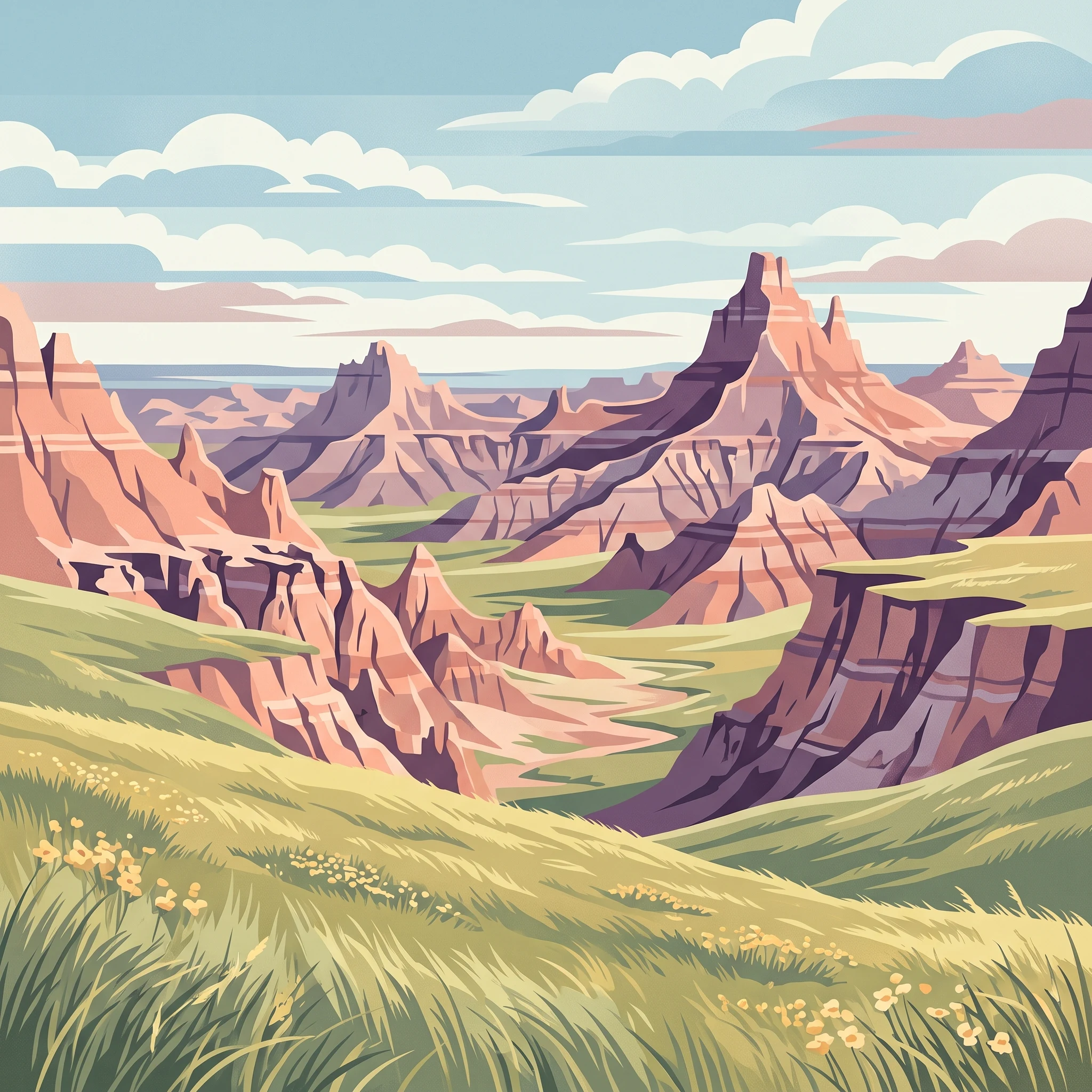
Deciding on the best time to visit Badlands National Park requires a careful weighing of extreme temperature fluctuations against your tolerance for peak visitor crowds. Because of the park's location in the high plains of southwestern South Dakota, the climate is defined by intense seasonal shifts. For many travellers, late spring and early autumn represent the ideal balance, offering more temperate conditions that make exploring the rugged buttes and expansive mixed grass prairies manageable. During these shoulder seasons, the weather is typically mild enough for extended outdoor activity, though it remains prone to the rapid, unpredictable changes characteristic of the region.
Balancing Thermal Extremes and Daylight
Visitors should view the year not through a standard four-season lens, but as a pendulum swinging between harsh, extreme temperatures. Summer months bring consistent, significant heat, with average daily maximums often climbing well above 35 degrees Celsius in July and August. While these months offer the longest daylight hours and maximum access to all park services and programming, the intensity of the sun on the barren, reflective surfaces of the fossil beds can become a limiting factor for midday hiking. Conversely, winter introduces freezing temperatures and high winds, creating dangerous windchill values that effectively close off much of the landscape for casual exploration. Recognizing that the park's dramatic topography lacks natural shade and wind protection is essential for determining when you are best equipped to handle the elements.
The Role of Seasonal Access and Variability
Beyond simple temperature considerations, the timing of your visit dictates the accessibility of the park's diverse terrain. The transitional periods of spring and late autumn often bring a higher probability of precipitation and localized weather events that can impact the condition of unpaved surfaces and trail stability. Rainfall is concentrated between April and June, which keeps the prairie landscape vibrant but can make the sedimentary terrain muddy and difficult to traverse. The park's exposed nature means that wind is a persistent factor throughout the year, but its impact is magnified during the shoulder seasons when it dictates the perceived temperature and safety on exposed ridges or steep pinnacles. By prioritizing when you want to experience the dramatic visual contrast of the White River Badlands versus when you are prepared to navigate extreme heat or winter storms, you can refine your travel window to align with your personal physical capabilities and comfort preferences.
Seasonal Planning
Best Months to Visit Badlands National Park at a Glance
Balancing Comfort and Access in Late Spring and Early Autumn
For most visitors, the windows of May through early June and September through early October offer the most stable balance of conditions. During these transitional months, daytime temperatures are generally moderate, avoiding the intense heat peaks of mid-summer while steering clear of the severe sub-zero temperatures seen in late autumn and winter. May brings longer daylight hours for extended exploration, although this period also sees higher precipitation averages. By September, the park experience shifts toward cooler, drier conditions. These shoulder months are ideal for those who prioritize hiking on exposed trails like the Notch or Door Trail, as the lack of extreme heat significantly improves safety and physical comfort for outdoor activity.
Prioritizing Full Service Availability and Daylight
Travelers who require the longest daylight hours and fully staffed visitor centers typically look to the period between mid-June and late August. This window provides the greatest operational window for park services and programming. The trade-off for this access is the combination of intense heat and higher visitor density. Mid-July through mid-August is particularly demanding, with daytime maximums frequently exceeding 38 degrees Celsius. Visitors choosing this timeframe must prepare for rapid temperature spikes, the need for frequent hydration, and potentially difficult midday conditions that limit strenuous outdoor activity to the early morning or late evening.
Managing Exposure During Off-Peak Months
For those seeking lower visitor numbers, the shoulder periods of late October or early April present a different set of challenges. While these months are characterized by unpredictable weather and the possibility of rapid transitions between mild temperatures and intense cold, they also offer a distinct perspective of the rugged landscape. March and April are particularly volatile, with significant temperature fluctuations occurring within a single day. Snowfall remains a logistical reality during these transition months, and unpaved roads may become impassable due to rain or mud. Choosing these months requires high flexibility in travel plans and a strong focus on self-sufficiency, as the dramatic shifts in weather can impact trail access and visibility.
Identifying Your Primary Trade-Offs
Selecting the right time to visit requires matching personal priorities against the environmental constraints of the mixed grass prairie. If your goal is to experience the park with the most favorable hiking temperatures, target the early autumn months of September and early October when the wind is less aggressive than in spring and the threat of severe storms diminishes. Conversely, if witnessing the landscape during its peak growth or under the longest days of the year is essential, the summer months offer that duration at the cost of high thermal exposure. Always verify the current status of roads and backcountry trails with official park resources before finalizing travel dates, as local conditions can deviate significantly from annual climate averages.
Annual Climate Patterns
Understanding the Annual Weather and Climate of Badlands National Park
The climate of the Badlands is defined by significant annual volatility, with dramatic swings between sub-zero winter lows and triple-digit summer highs. These long-term normals, recorded at an elevation of approximately 824 meters, illustrate a pattern where temperature, wind, and precipitation fluctuate in ways that directly impact physical comfort and trail accessibility. It is important to note that these values represent historical climate trends from 1991 to 2020 and should be used as a general guide rather than a precise prediction for your specific travel dates.
The Relationship Between Heat and Humidity
Visitors should prepare for a distinct moisture-temperature relationship during the summer months. June, July, and August represent the warmest part of the year, with average daily maximums climbing from roughly 38 degrees Celsius to over 40 degrees Celsius in July. While these temperatures are high, relative humidity levels during these peak months remain among the lowest of the year, typically hovering around 51 to 55 percent. This drier air can make the heat feel less oppressive than it would in more humid climates, but the lack of shade across the exposed, eroded buttes makes constant hydration and sun protection essential for all outdoor activities.
Patterns of Precipitation and Surface Conditions
The annual precipitation cycle is concentrated in late spring and early summer. May and June see the highest levels of average daily rainfall. Because the park features expansive areas of soft, clay-rich sedimentary rock, these moisture-heavy months often lead to challenging trail conditions. During these windows, paths may become slick or impassable, and unpaved park roads are particularly susceptible to mud. This wet cycle tapers off significantly by mid-summer, with July and August offering much drier, more stable ground for exploring the pinnacles and prairies.
Annual Daylight and Wind Exposure
Daylight hours follow a classic seasonal curve, peaking at over 15 hours in June and dropping to roughly 8.8 hours in December. This variation directly dictates the amount of time available for backcountry exploration. When planning, consider that the park is consistently windy throughout the year. Monthly wind speeds remain relatively stable, generally fluctuating between 4.2 and 5.2 meters per second. This constant breeze acts as a significant environmental factor, often intensifying the perceived cold during winter months and providing a welcome cooling effect during the high-heat days of mid-summer. Visitors should be aware that the open, elevated nature of the Badlands landscape offers little protection from these winds, which can be a decisive factor when planning activities during the shoulder months.
Transitional Months and Sudden Variability
The months of March and April serve as a volatile transition period. During this time, the park moves from the deep cold of winter, where average minimums frequently drop below -15 degrees Celsius, toward the warming trends of late spring. March is characterized by a high degree of temperature unpredictability; it is not uncommon for visitors to experience a broad range of conditions within a single week. While the average daytime highs begin to climb steadily toward the high teens and twenties, the nightly lows often remain near or below freezing. This period requires a flexible approach to packing and scheduling, as the climate data reflects long-term averages that rarely account for the sudden, dramatic storms that can sweep across the plains.
Seasonal Weather Analysis
Understanding Seasonal Climate Shifts and Weather Patterns at Badlands National Park
Defining the Annual Climate Rhythm
Badlands National Park does not conform to a classic four-season model, as its environmental character is dictated more by the aggressive interplay between extreme temperature fluctuations and wind-driven moisture shifts. The year is best understood through three distinct phases: the volatile late-winter transition, the hot and arid peak season, and the prolonged cool-down period. Rather than relying on calendar markers, travellers should view these periods as shifts in ground stability and temperature thresholds.
The Spring Transition and Moisture Phase
From April through June, the park enters a phase defined by increased precipitation and high surface instability. This period is the wettest of the year, characterized by the thawing of the ground and frequent, unpredictable weather cycles. For visitors, this translates to variable trail conditions where heavy rainfall can turn dusty paths into slick, impassable mud. Unlike the stable heat of summer, this window is defined by a lack of predictability, as spring storms can bring significant moisture or lingering cold snaps. This is not a monsoon season in the tropical sense, but rather a time when the ecosystem rehydrates, and the clay-heavy soil of the badlands is at its most reactive to water. Travellers during these months should expect a dynamic environment where access to unpaved roads and trails may fluctuate based on recent precipitation.
The Summer Heat and Arid Cycle
By July and August, the park transitions into its most arid and thermally taxing phase. This period is defined by high temperatures that frequently push toward 38 degrees Celsius, combined with significantly lower relative humidity. Because the humidity levels are low, the heat may feel deceptively manageable in the shade, but the lack of cloud cover and the reflective nature of the light-colored rock formations create intense heat exposure on the surface. This cycle is characterized by consistent daylight and a lack of storm activity compared to the preceding spring. It is the peak season for potential heat-related exhaustion, as the open, unsheltered prairie and narrow trail canyons trap thermal energy without relief.
The Cool-Down and Winter Transition
Beginning in late September, the park moves into a period of declining temperatures that lasts through March. This phase begins with the most temperate conditions of the year, providing a reprieve from the summer heat before the landscape enters its winter cycle. November often marks a definitive shift where the risk of blizzards increases significantly. The winter months, extending through February, are defined by extreme cold and high wind speeds that create windchill factors far lower than the thermometer might suggest. Snow cover is common but not always persistent, and the landscape during these months is stark, quiet, and largely dictated by the ability of visitors to withstand frigid gusts and rapidly changing winter storms.
Seasonal Experiences
Experiencing Badlands National Park Landscapes and Activities Throughout the Year
Navigating the Open Hike Policy Through the Seasons
The park offers a distinctive open hike policy, allowing visitors to explore beyond established trails on terrain ranging from prairie grasslands to precarious geological spires. Because this policy invites off-trail travel, the timing of your visit significantly impacts safety and accessibility. During the spring months, the soft, clay-rich soil of the eroded buttes can become extremely slick and unstable, often rendering steep formations impassable. Following rainfall, the terrain is prone to rapid erosion and slipperiness. Hikers who prioritize climbing toward formations like those found near the Door or Notch trails should be aware that these surfaces are significantly more reliable during the arid, dry periods of late summer than during the moisture-heavy spring.
Accessing the Trail Network and Geological Exhibits
The park's trail system serves as the primary way to observe the unique Oligocene fossil beds and mixed grass prairie ecosystems. For those intending to tackle longer hikes such as the 10-mile round trip Castle Trail or the moderate Medicine Root Loop, timing is a critical factor in heat management. Because these trails traverse exposed, high-wind prairies with minimal natural shade, mid-summer days characterized by high maximum temperatures can quickly turn a moderate outing into an endurance challenge. Hikers often find that the shoulder months of late spring or early autumn offer a better balance for these longer, exposed routes. During these periods, lower mean temperatures and reduced solar intensity allow for more consistent exploration of the prairie without the risk of heat-related exhaustion.
Ranger-Led Education and Interpretive Programming
Educational experiences within the park, such as ranger-led talks and specialized presentations, are primarily concentrated during the summer season. These sessions, typically held at the Cedar Pass Campground amphitheater, provide necessary context regarding the park's history, the ongoing recovery of the black-footed ferret, and the geologic story of the White River Badlands. Visitors seeking these interpretive experiences should plan their trips to align with the active summer schedule. Outside of these months, the park shifts toward a self-guided model. While the scenic overlooks remain accessible throughout the year, the structured learning opportunities that define the summer experience are absent, requiring visitors to rely on the static museum exhibits found at the Ben Reifel Visitor Center for their educational context. Because scheduling for ranger talks can change based on staffing and operational conditions, it is essential to verify current offerings at the visitor center upon arrival.
Visitor Priorities
Choosing the Best Time to Visit Badlands National Park for Your Interests
Prioritizing Milder Temperatures for Exploration
For travellers who find the intense heat of mid-summer prohibitive, the windows of late May to early June and mid-September to early October offer the best balance of manageable daytime temperatures and landscape accessibility. While mean temperatures in June and July frequently reach highs above 38 degrees Celsius, the transitional shoulder months provide a temperate climate where sustained movement across the mixed grass prairie is physically less demanding. If your goal is to hike the longer, exposed routes like the Castle Trail, choosing these cooler periods mitigates the risk of heat exhaustion, which is a significant concern during the peak summer months. The trade-off for this comfort is the unpredictability of spring weather, as late-season snow or early-season storms can briefly impact road surface conditions or trail stability.
Maximizing Daylight for Extended Activity
Visitors whose primary goal is to maximize the number of hours spent outside should look to the period between mid-June and late July. During these months, the park experiences its peak daylight, often exceeding 15 hours. This abundance of light is particularly beneficial for those interested in exploring the park's diverse terrain, as it provides a generous buffer for covering ground on the longer, interconnecting trails like the Medicine Root Loop without the pressure of an impending sunset. The compromise here is the necessity of mid-day rest, as the high-intensity sun and peak heat during these long days make early morning and late afternoon the only viable times for strenuous physical activity. You must be prepared to adjust your schedule to match the cooler hours of the day, regardless of how much natural light is available.
Seeking Drier Conditions for Trail Stability
If your priority is reliable trail access, particularly for the many off-trail areas where the soil can become dangerously slick or impassable when wet, look to late summer and early autumn. August and September typically show a reduction in average precipitation compared to the spring months of April and May. Because the park's sedimentary rock is highly sensitive to moisture, drier periods ensure that social trails and steep routes like the Notch Trail are safer to navigate. The primary trade-off for this dry window is the potential for persistent winds and, in August, the high heat that remains trapped against the buttes. While you avoid the mud of spring, you must remain vigilant regarding hydration and sun protection, as the arid environment can be deceptively taxing even when precipitation is at its seasonal low.
Timing for Off-Trail Freedom
For those drawn to the park specifically for its open hike policy, the ideal window falls in late autumn or early spring, provided you have the appropriate gear for variable temperatures. These periods avoid the extreme heat that limits the duration of excursions in mid-summer. However, these shoulder periods require careful monitoring of local conditions, as surface stability can change rapidly with late-winter moisture. Unlike the predictable dryness of mid-summer, these months require a willingness to alter your plans based on current trail conditions. Prioritizing this level of freedom means sacrificing the availability of ranger-led programming and full visitor center operations, as these services are concentrated during the high-visitation summer months.
Access and Logistics
Seasonal Access and Operational Considerations at Badlands National Park
Planning your trip requires balancing the desire for specific experiences with the realities of park accessibility and local regulations. While the park is open throughout the year, the logistical landscape shifts between seasons, and travelers must verify the current status of roads, visitor centers, and campground availability before arriving. The Ben Reifel Visitor Center serves as the primary hub for information and educational programming, though its operating hours are subject to seasonal adjustments that vary from its peak summer schedule. If you are planning travel for the shoulder or winter months, it is essential to confirm that facilities remain open on your specific dates.
Access and Road Conditions
Access to the primary scenic overlooks and trailheads is generally maintained year round, but severe weather can temporarily impact road conditions, especially during the winter months. Heavy snowfall or ice can lead to short-term closures or restricted access on park roads as crews work to clear them. Because these conditions are dynamic, you should always consult the official National Park Service website for live updates on road status, construction notices, and any alerts regarding park access. Do not rely on seasonal climate averages to determine the safety or openness of a particular route, as extreme, isolated events remain a possibility.
Permits and Regulations
Visitors exploring the park landscape must adhere to specific rules designed to protect the fragile prairie ecosystem and its fossil deposits. Federal law strictly prohibits the digging or removal of fossils and artifacts from their natural locations, and noncompliance carries significant penalties. If you discover potential fossils during your exploration, note the location and report your findings to the Cedar Pass Contact Station rather than disturbing the area. Additionally, because the park utilizes fire as a management tool to maintain the health of the mixed grass prairie, visitor-started fires are strictly prohibited anywhere within the park boundaries. You must use designated facilities for any outdoor cooking or overnight stays.
Pet Access and Movement
Park regulations prioritize the protection of wildlife and local ecosystems regarding pet access. Pets are permitted within developed areas, including campgrounds, parking lots, and along public roads, provided they remain on a leash no longer than six feet at all times. However, pets are prohibited on all hiking trails and within the designated Badlands Wilderness Area. This restriction is enforced to prevent interference with sensitive wildlife habitats and to ensure the safety of both your pets and the park's natural environment. Always verify current pet policies through official park channels before finalizing your travel arrangements, as minor administrative rules can change.
Safety and Preparation
Seasonal Weather Safety and Gear for Badlands National Park
Navigating Extreme Temperature Swings
The most critical aspect of preparing for a visit is managing the intense contrast between seasonal and daily temperatures. Because the park features significant exposure and minimal shade, your choice of clothing and timing must account for the rapid fluctuations inherent to this climate. In summer, mid-day maximums can regularly exceed 38 degrees Celsius, yet the same locations may experience significant cool-downs after sunset. In cooler months, particularly from November through March, the risk is inverted, with average daily lows dropping well below zero. Regardless of the season, dressing in layers allows for necessary adjustments when winds pick up or when moving between the sun-drenched, sheltered basins and exposed ridges.
Preparing for Environmental Exposure and High Winds
Beyond temperature, the park is defined by high exposure to the elements. Sustained winds are a constant feature, which can significantly alter how you perceive heat in the summer or chill in the winter. Strong winds also increase the risk of dust and debris, making protective eyewear essential. Because the terrain consists largely of open, sun-baked rock, ultraviolet radiation is amplified by reflection. Standard preparation should include wide-brimmed hats and polarized sunglasses. While summer months offer long daylight hours for exploration, the intensity of the sun during those periods requires heightened attention to physical exertion levels. Always check local forecasts for wind advisories and storm warnings before heading onto longer trails.
Managing Surface Stability and Terrain Hazards
The park's rugged geological features require specific attention to footwear and trail etiquette. Many trails consist of loose sediment, clay, and uneven rock surfaces that become particularly difficult to navigate following precipitation. Rain transforms these surfaces into slick, unstable pathways, which can turn moderate routes into challenging or impassable terrain. Choose footwear with sturdy, multi-directional tread and ankle support to handle the erratic nature of the footing. Additionally, keep an eye out for local vegetation, such as prickly pear cacti, which are common throughout the mixed-grass prairie and along many trails. Navigating these areas safely requires a mindful pace, especially when moving off-trail or through denser sections of vegetation.
Specialized Safety Considerations in the South Unit
When exploring the South Unit, or Stronghold District, visitors must adhere to specific safety precautions related to the land's history. Portions of this area were previously utilized as a gunnery range, and the risk of encountering unexploded ordnance persists. If you see any suspicious objects, do not touch, disturb, or approach them. Note the location and report it to park authorities immediately. Furthermore, because this area is co-managed and retains deep cultural significance, remain on marked trails and respect all area closures. Always consult current official park alerts for the most reliable information regarding safe zones and restricted access before planning your visit to this section of the park.
Trip Planning Strategy
How to Select the Ideal Time for Your Badlands National Park Trip
Defining Your Personal Visiting Priority
Choosing the right time to visit involves balancing the trade-offs inherent in this unique prairie and fossil-rich landscape. Your decision should center on whether you prioritize open access and full services or moderate weather and solitude. If your primary goal is maximizing time on the trails with comfortable temperatures, the shoulder seasons remain the most consistent choice. These periods offer a relief from the extreme heat of midsummer and the severe cold of winter, providing a more stable environment for exploring the exposed butte formations. However, if your trip requires full access to all educational programming, ranger-led services, and the convenience of peak-season operations, you must be prepared to manage the challenges of the high-summer heat, including higher sun exposure and the necessity of starting your activities early in the morning.
Assessing Trade-offs in Weather and Accessibility
Temperature is the most significant planning variable for any traveler. While historical climate normals provide a clear picture of what to expect, they remain averages rather than specific daily forecasts. A visit in the spring may offer the benefit of lush, green prairie vegetation, but it also introduces the unpredictability of wet, muddy trail conditions that can complicate movement across the sedimentary terrain. Conversely, a winter trip provides the rare experience of snow-dusted pinnacles and complete solitude, but it requires specialized preparation for sub-zero temperatures, high winds, and potential road closures.
Ultimately, there is no single month that serves as the perfect window for every visitor. The most effective strategy is to align your specific goals, such as photography or quiet reflection, with the season that offers the best compromise for your tolerance of the environment. Before finalizing your travel dates, verify current park status, check long-range weather outlooks, and confirm that all amenities you rely on are operational for the dates you have selected. By viewing these climate and operational factors as a set of manageable variables, you can select the time that best aligns with your personal travel priorities.