
Mori Atlas logo
Park guides

Structured thematic insights for exploring the marine and coastal geography of this protected area

Comprehensive Guide Collection for Bahía de Loreto National Park in Baja California Sur

These specialized guides provide thematic context for Bahía de Loreto National Park, covering the essential seasonal dynamics of the marine sanctuary. Each resource offers focused insights into the park's biological diversity and the dramatic volcanic islands situated within the Gulf of California. Use these materials to understand the natural history and environmental rhythm of this protected marine region.

Related tags

marine national parkgulf of californiaisland ecosystemmarine mammal sanctuaryprotected marine area

Pristine marine sanctuary in the Gulf of California protecting exceptional biodiversity across five volcanic islands

Bahía de Loreto National Park

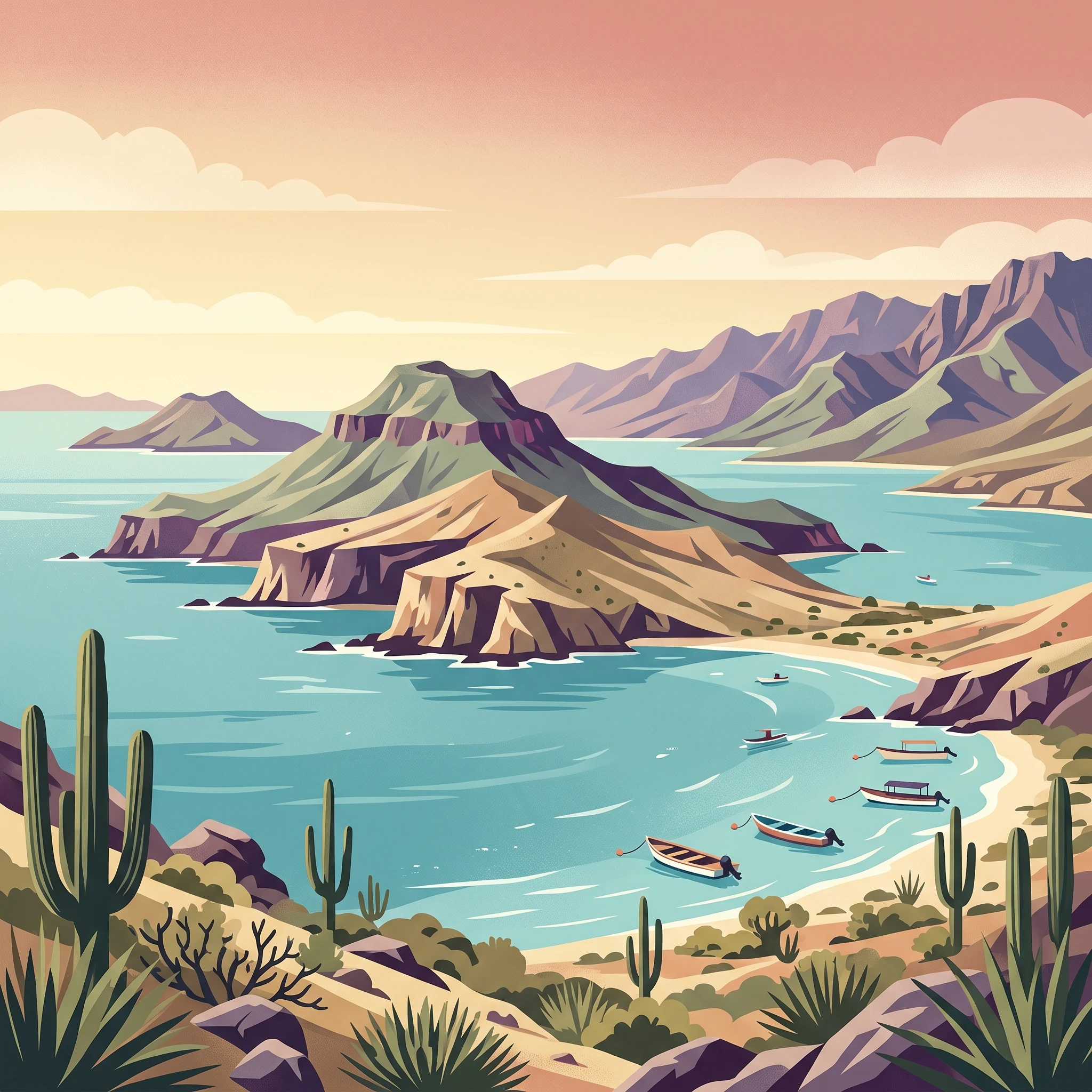
Bahía de Loreto National Park represents one of Mexico's most significant marine conservation achievements, established to protect the relatively pristine ecosystems of Loreto Bay and the surrounding waters of the Sea of Cortez. The park's creation in 1996 reflected growing recognition of the Gulf of California's extraordinary biological productivity and the need to safeguard its marine biodiversity from increasing development pressures along the Baja California coastline. The park encompasses a remarkable range of marine and terrestrial environments. Its ocean waters, which comprise the vast majority of the protected area, include shallow coastal zones, deep submarine canyons, and open sea habitats that support extraordinarily diverse communities of marine life. The five major islands, all of volcanic origin, rise from the sea with varying topographies ranging from relatively flat terrain to more dramatic elevations. These islands and their surrounding waters function as a unified ecosystem, with marine communities benefiting from the nutrient-rich upwelling currents that characterize the Gulf of California. The park is administered by Mexico's National Commission of Protected Natural Areas (CONANP), which manages it as part of the broader Area de Proteccion de Flora y Fauna Islas del Golfo de California. Management priorities focus on preserving the natural environment while allowing for sustainable tourism and research activities. Visitors can access the park primarily through the town of Loreto, which serves as the main gateway and departure point for boat tours, kayaking excursions, and diving adventures within the protected waters. The park's inclusion in the UNESCO World Heritage listing for the Islands and Protected Areas of the Gulf of California in 2005 underscored its international significance. The Gulf of California itself is recognized as one of the world's most biologically productive marine environments, sometimes called the "aquarium of the world" for its extraordinary fish diversity. Within this context, Bahía de Loreto stands out for its intact ecosystems, significant marine mammal populations, and the relatively undeveloped state of its coastline compared to other areas along the Baja California Peninsula.

Location
Mexico
Park type
National park
Established
1996
Area
2,065.8 km²
Bahía de Loreto National Park Details
1 guide

Compare seasonal visit themes to match your specific timing questions

Published Guides For Bahía De Loreto National Park

Published guides for Bahía de Loreto National Park organize essential seasonal planning topics into focused reference material. Choosing your travel date requires balancing wildlife sightings against fluctuating heat and water conditions throughout the year.
MoriAtlas Explorer

Continue exploring the protected landscape and regional geography of Bahía de Loreto National Park

Delve deeper into the mapped geography and protected area features of Bahía de Loreto National Park. Understanding its specific landscape context and placement within Baja California Sur enhances your atlas exploration. Continue discovering the nuances of this national park's protected boundaries and its contribution to the region's natural geography for comprehensive geographic insights.