
Mori Atlas logo
Park guides

Explore focused documentation for navigating the rugged mountain terrain and alpine meadow ecosystems.

Expert Guides and Planning Resources for Bieszczady National Park in Subcarpathian Voivodeship

Access the collection of curated guides for Bieszczady National Park. These resources provide structured details on mountain conditions and seasonal exploration for the highest reaches of the Polish Carpathians, supporting trip preparation within this significant wilderness area.

Related tags

Eastern CarpathiansOld-growth beech forestsAlpine meadowsLarge carnivoresEuropean bison

Poland's wildest mountain refuge with primeval beech forests and Eastern Carpathian grassland meadows

Bieszczady National Park

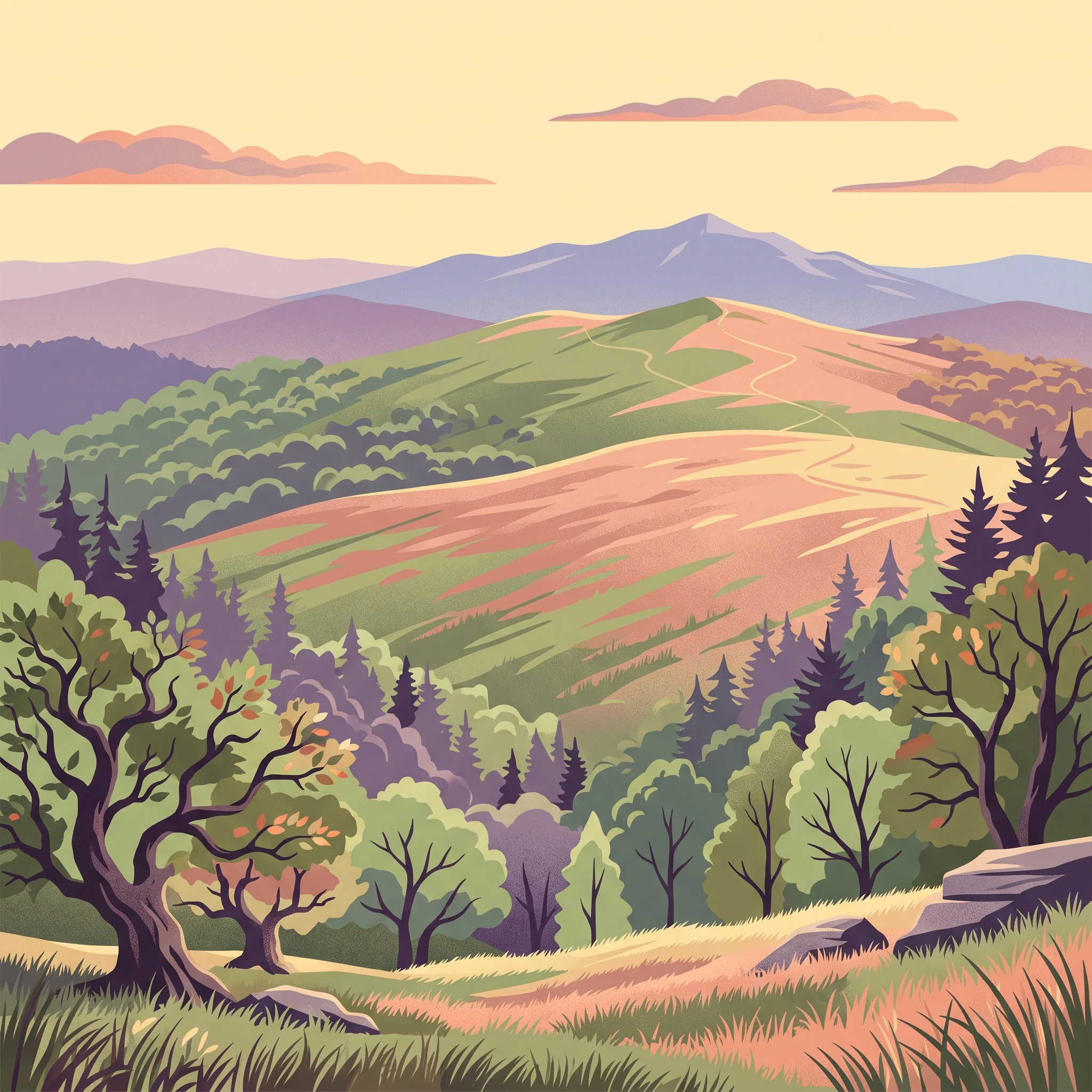
Bieszczady National Park occupies the southeastern corner of Poland, protecting the most elevated terrain of the Polish Carpathians known as the Bieszczady Mountains. Established in 1973 and expanded four times since, the park now encompasses 292.02 square kilometers of mountainous terrain characterized by steep ridgelines, deep valleys, and a distinctive vertical arrangement of ecological zones. The landscape transitions from dense beech and mixed forests through coniferous zones to the open połoniny grasslands above the tree line, creating a remarkable diversity of habitats within a relatively compact area. The park's significance extends far beyond its borders. It forms the core of the East Carpathian Biosphere Reserve, a trinational protected area spanning 2,132 square kilometers across Poland, Slovakia, and Ukraine. The beech forests within Bieszczady achieved UNESCO World Heritage status in 2021 as an extension to the ancient and primeval beech forests serial property, recognizing these ecosystems as irreplaceable examples of European forest heritage. Nearly 70% of the park operates as strict nature reserve, the highest proportion of any Polish national park, reflecting a commitment to allowing natural processes to proceed without significant human intervention. The park's headquarters are located in Ustrzyki Górne, a small settlement that serves as the administrative and visitor services center for the protected area. The surrounding landscape tells a complex story of human history—the villages and farmland that once characterized this region were largely depopulated following the Second World War, and the subsequent natural regeneration created the wild character that defines Bieszczady today. This combination of exceptional natural values, transboundary ecological connections, and a distinctive historical trajectory makes Bieszczady one of Poland's most important and distinctive protected areas.

Location
Poland
Park type
National park
Established
1973
Area
292 km²
Highest point
1,346 m
Bieszczady National Park Protected Landscape
MoriAtlas Explorer

Continue Atlas Exploration of Bieszczady National Park's Carpathian Geography

Deepen your understanding of Bieszczady National Park by exploring its mapped boundaries and regional context within the Eastern Carpathians. MoriAtlas facilitates detailed discovery of this protected landscape, from its unique alpine meadows to its extensive old-growth forests. Uncover the geographic significance of Bieszczady National Park and its place within the broader natural atlas, appreciating its role in transboundary conservation efforts.