Mori Atlas logo
Biosphere reserveRezerwat Biosfery Bory Tucholskie

Tracing the boundaries of Poland's largest forest complex and its UNESCO biosphere framework

Rezerwat Biosfery Bory Tucholskie: Mapped Geography and Protected Area Landscape Context

(Rezerwat Biosfery „Bory Tucholskie”)

Rezerwat Biosfery Bory Tucholskie represents a critical network of core, buffer, and transition zones across the Kuyavian-Pomeranian and Pomeranian landscapes. This protected area integrates national park territory, diverse nature reserves, and extensive pine woodlands within a cohesive management framework. Discover the geographic distribution of glacial lakes, peatlands, and river valleys that define this prominent northern Polish wilderness and its regional ecological significance.

biosphere reserveUNESCO MABlowland forestpine forestpeatlandsglacial lakes

Rezerwat Biosfery Bory Tucholskie

Biosphere reserve

Park overview

Structured park overview, official facts, and landscape profile for Bory Tucholskie Biosphere Reserve

Bory Tucholskie Biosphere Reserve park facts, protected area profile, and essential visitor context

Review the core facts for Bory Tucholskie Biosphere Reserve, including designation, size, terrain, visitor scale, habitats, and operating context in one park-focused overview.

About Bory Tucholskie Biosphere Reserve

Bory Tucholskie Biosphere Reserve is a wide-ranging protected-area designation in northern Poland that binds together national park territory, nature reserves, scenic parks, and rural municipalities in the Bory Tucholskie forest region. Designated by UNESCO in 2010, it represents one of the country's most consequential modern conservation designations and the largest biosphere reserve in Poland.

The reserve sits across the sandy lowlands of the Kuyavian-Pomeranian and Pomeranian voivodeships, where postglacial terrain has produced an extensive plain of pine-dominated forest, lakes, mires, and river corridors. The organizing principle of the reserve follows the UNESCO biosphere model, dividing the territory into a tightly protected core zone, a surrounding buffer zone dominated by landscape parks, and a broader transition zone that integrates human settlement and land use.

At the heart of the reserve is Bory Tucholskie National Park, which anchors the core zone and complements the surrounding nature reserves protecting peatlands, glacial lakes, and old-growth yew stands. Surrounding the core, the buffer zone is shaped by the Wdzydzki, Tucholski, Zaborski, and Wdecki landscape parks, four large protected landscapes that maintain ecological continuity between the national park and the broader forest region.

The transition zone reflects the integration of conservation with cultural and socioeconomic life. Across twenty-two gminas and the town of Tuchola, the reserve connects forest protection with rural communities, traditional land use, and regional development goals. The result is a unified structure in which biodiversity conservation, scientific research, environmental education, and sustainable regional development are pursued together across a landscape extending from the Brda valley to the Wda river system.

Quick facts and research context for Bory Tucholskie Biosphere Reserve

The biosphere reserve covers roughly 3,195 square kilometers across northern Poland and was designated by UNESCO in 2010 as part of the Man and the Biosphere Programme. Its core zone covers approximately 79 square kilometers and combines the national park with twenty-five nature reserves, including yew forest reserves, mires, lake reserves, and the stone circle site Kręgi Kamienne.

Its buffer zone adds about 1,126 square kilometers, dominated by the Wdzydzki, Tucholski, Zaborski, and Wdecki landscape parks, while the transition zone accounts for roughly 2,069 square kilometers across twenty-two gminas and the town of Tuchola. The overarching protected region is the largest forest complex in Poland, a sandy lowland landscape shaped by glacial and postglacial processes.

Protection and recognition

Examine the documented terrestrial protection scope and 2010 designation timeline

Rezerwat Biosfery Bory Tucholskie Protection Status and Designation History

Rezerwat Biosfery Bory Tucholskie maintains a documented terrestrial protection status established in the year 2010. Structured records outline the official designation history and management scope without imported international recognition sources.

Protection details

Protection scope
Terrestrial
Designated year
2010
Transboundary protection
No
Core area
78.81 km²
Buffer area
1,126.35 km²
Park context

Deeper park guide and search-rich context for Bory Tucholskie Biosphere Reserve

Bory Tucholskie Biosphere Reserve history, landscape, wildlife, and travel context

Explore Bory Tucholskie Biosphere Reserve through its history, landscape character, ecosystems, wildlife, conservation priorities, cultural context, and seasonal travel timing in a structured park guide built for atlas discovery and search intent.

Why Bory Tucholskie Biosphere Reserve stands out

The biosphere reserve is best known for protecting the largest expanse of forest in Poland and for organizing that protection into a layered UNESCO framework of core, buffer, and transition zones. It is closely associated with sandy pine forests, glacial lake chains, peat bogs, and the country-wide recognition given to the region during the 2010 UNESCO designation. It is also notable for clustering some of the country's most valued natural assets inside a single integrated management framework, including rare old-growth yew reserves such as Cisy Staropolskie and Cisy nad Czerską Strugą. The combination of a national park, a string of scenic parks, and the Bory Tucholskie forest continuum gives the reserve a distinct identity as a benchmark for lowland forest conservation in Poland.

Bory Tucholskie Biosphere Reserve history and protected-area timeline

Planning for a biosphere reserve in Bory Tucholskie began in 2000, when initial work started on shaping a UNESCO candidacy for the region. In February 2008, an agreement between the Association Rezerwat Biosfery Bory Tucholskie in Tuchola and the Local Action Group Sandry Brdy in Chojnice moved the process forward, with Professor Andrzej Nienartowicz of Nicolaus Copernicus University in Toruń overseeing preparation of the formal nomination.

The decisive step came between 31 May and 4 June 2010, when the 22nd session of UNESCO's International Coordinating Council for the Man and the Biosphere Programme in Paris approved the creation of the Bory Tucholskie Biosphere Reserve. Less than three weeks later, on 23 June 2010, an inauguration ceremony was held at the seat of Bory Tucholskie National Park to mark the formal establishment of the reserve and to set the stage for its subsequent management structure.

Bory Tucholskie Biosphere Reserve landscape and geographic character

The landscape of the Bory Tucholskie Biosphere Reserve is shaped by postglacial terrain across a wide sandy lowland in northern Poland. Bory Tucholskie itself is an extensive forest plain characterized by pine-dominated woodlands that stretch across a landscape of interlaced glacial lakes, peatlands, and shallow river valleys.

River systems play a central role in defining the terrain. The Brda river with its tributaries, the Stążka spring area, and the broader Wda catchment shape much of the reserve's hydrology and create corridors of wetland, marsh, and meadow habitat between forested uplands. Glacial lakes such as Piaseczno, Laska, Ciche, Małe Łowne, Zdręczno, Nawionek, and the cluster around Jeziorka Kozie punctuate the forest with open water and shoreline habitat.

The reserve's geology is dominated by sandy outwash plains and glacially deposited landforms. These conditions have produced a mosaic of dry pine forest, wet peatlands, kettle lakes, and lowland mires that together form one of the most continuous forest landscapes in Poland.

Bory Tucholskie Biosphere Reserve ecosystems, habitats, and plant life

Ecologically, the biosphere reserve exists at the intersection of pine-dominated lowland forest, peatland systems, glacial lake habitats, and riparian corridors. The sandy, postglacial substrate of the region supports extensive coniferous woodland, while depressions in the terrain hold peat-forming mires and open water systems that contribute disproportionately to regional biodiversity.

The nature reserves embedded in the core zone reflect this ecological diversity. They include peat bogs such as Bagna nad Stążką, Bagno Stawek, Bagno Grzybna, Krwawe Doły, and Dury, lake reserves that protect glacial water bodies and their surroundings, and rare old-growth yew reserves such as Cisy Staropolskie and Cisy nad Czerską Strugą. Mętne and Bór Chrobotkowy protect distinctive woodland communities shaped by specific site conditions.

Together, these habitats form a connected ecological system in which forest, wetland, lake, and river environments reinforce one another. The reserve's zoned structure is designed to preserve that connectivity, with the core zone protecting the most sensitive habitats and the buffer and transition zones sustaining the wider ecological processes on which they depend.

Bory Tucholskie Biosphere Reserve wildlife and species highlights

Wildlife significance in the Bory Tucholskie Biosphere Reserve is closely tied to the diversity of its habitats. The combination of mature pine forest, peat bogs, glacial lakes, and river valleys supports a rich suite of forest, wetland, and aquatic species typical of lowland Poland's most intact landscapes.

Mire reserves such as Bagna nad Stążką, Bagno Stawek, Bagno Grzybna, Krwawe Doły, and Dury provide breeding and foraging habitat for wetland-dependent birds and other fauna associated with open peatland and transitional bog communities. The lake reserves, including Jezioro Piaseczno, Jezioro Laska, Jezioro Ciche, Jezioro Małe Łowne, Jezioro Zdręczno, Jezioro Nawionek, and Jezioro Martwe, support fish, waterbird, and shoreline communities within glacial lake landscapes.

The reserve's old-growth yew sites, notably Cisy Staropolskie and Cisy nad Czerską Strugą, preserve rare microhabitats of significant botanical and ecological interest, while broader forest communities host typical lowland forest fauna. The reserve's size and continuity make it an important landscape-scale refuge for species associated with extensive, well-connected forest and wetland systems.

Bory Tucholskie Biosphere Reserve conservation status and protection priorities

As a UNESCO biosphere reserve, Bory Tucholskie is a nationally and internationally recognized conservation designation. Its primary conservation value lies in safeguarding the largest continuous forest complex in Poland within a structured management framework that integrates strict protection, landscape-level management, and sustainable regional use.

The core zone concentrates the highest level of protection onto the most ecologically sensitive assets, anchoring protection in Bory Tucholskie National Park and twenty-five nature reserves covering peatlands, lakes, old-growth yew stands, and representative forest communities. The buffer zone extends that protection through four large landscape parks, providing ecological continuity between the core and the broader region.

Through its transition zone, the reserve embeds conservation within the working landscape of twenty-two gminas and the town of Tuchola. This integrated approach supports biodiversity conservation alongside research, monitoring, environmental education, and sustainable development, making the biosphere reserve a benchmark for lowland forest conservation in Poland.

Bory Tucholskie Biosphere Reserve cultural meaning and human context

The Bory Tucholskie region carries a strong sense of regional identity tied to its forests, lakes, and rural communities. The biosphere reserve's transition zone reflects that cultural dimension directly, incorporating twenty-two gminas and the town of Tuchola into a framework that recognizes traditional land use, local livelihoods, and community heritage as part of the protected landscape.

Sites such as Kręgi Kamienne, an ancient stone circle complex within the core zone, connect the reserve's natural protection with deeper regional and pre-modern cultural history. The reserve's design acknowledges that the Bory Tucholskie landscape is at once an ecological system and a long-inhabited cultural region, and its management approach seeks to maintain the relationship between the two.

Top sights and standout views in Bory Tucholskie Biosphere Reserve

The reserve's defining distinction is that it elevates the largest forest complex in Poland into a unified UNESCO biosphere framework, bringing together national, regional, and local designations under one management umbrella.

Its most distinctive features include the layered zone system, the dense cluster of nature reserves protecting peatlands, lakes, and yew forests, and the integration of protected-area management with the rural landscape of twenty-two gminas and the town of Tuchola.

Best time to visit Bory Tucholskie Biosphere Reserve

The Bory Tucholskie Biosphere Reserve is a lowland region with a temperate climate, where seasonal variation strongly shapes the visitor experience. Spring and early summer bring active wetland and lake margins, fresh forest growth, and the most vibrant bird activity across the peat bogs and lake reserves.

Late summer and early autumn offer stable weather for exploring the forest landscape, scenic parks, and lake areas, with quieter conditions following the main visitor peak. Winter transforms the reserve into a cold-season forest landscape, with snow cover highlighting the open pine stands, frozen mires, and the characteristic flat terrain of the Bory Tucholskie plain. Each season reveals a different aspect of the reserve's forest, wetland, and lake systems.
Monthly climate preview

Long-term representative point measurements of monthly temperature and precipitation patterns

Rezerwat Biosfery Bory Tucholskie Climate Normals and Annual Weather Rhythm

Representative coordinate data records measured monthly temperature fluctuations alongside daily precipitation rates across the landscape. Examining the full twelve-month profile provides complete historical averages for this protected area.
Annual mean8 °C
-3 °C19 °C
Jan-3°
Feb-2°
Mar
Apr
May12°
Jun16°
Jul19°
Aug18°
Sep14°
Oct
Nov
Dec-1°
Warmest month
July

18.5 °C

Coolest month
January

-2.9 °C

Wettest month
July

2.7 mm/day

Driest month
April

1.3 mm/day

Park location guide

Geography guide, regional context, and park location map for Bory Tucholskie Biosphere Reserve

Bory Tucholskie Biosphere Reserve park geography, regions, and map view in Poland

Understand where Bory Tucholskie Biosphere Reserve sits in Poland through a broader geographic reading of the surrounding landscape, nearby location context, and its mapped position within the national park landscape.

How Bory Tucholskie Biosphere Reserve fits into Poland

Poland, officially the Republic of Poland, is a Central European country spanning from the Baltic Sea in the north to the Carpathian Mountains in the south. It borders Germany, Czech Republic, Slovakia, Ukraine, Belarus, Lithuania, and Kaliningrad Oblast. The country has a temperate climate, diverse landscapes, and is known for its rich history, cultural heritage, and strong economic position within the EU.

Wider geography shaping Bory Tucholskie Biosphere Reserve in Poland

Poland occupies 312,696 km2 in Central Europe, extending from the Baltic Sea coast in the north to the Sudetes and Carpathian Mountains in the south. It borders Germany to the west, Czech Republic and Slovakia to the south, Ukraine and Belarus to the east, and Lithuania and Kaliningrad Oblast to the northeast. The landscape includes lowland plains, uplands, and mountain ranges.

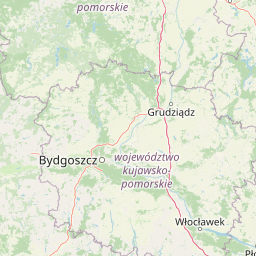
Map view of Bory Tucholskie Biosphere Reserve

Use this park location map to pinpoint Bory Tucholskie Biosphere Reserve in Poland, understand its exact geographic position, and read its mapped placement within the surrounding landscape more clearly.

Pigeon | © OpenStreetMap contributors

Location context for Bory Tucholskie Biosphere Reserve

Kuyavian-Pomeranian VoivodeshipPomeranian Voivodeship
Park atlas

Compare regional forests, glacial lakes, and adjacent protected landscapes

Other Parks and Protected Areas Near Rezerwat Biosfery Bory Tucholskie

Browsing other parks near Rezerwat Biosfery Bory Tucholskie reveals connected forest corridors, glacial lake systems, and lowland reserves across northern Poland. Comparing adjacent protected areas provides deeper context into regional conservation networks and postglacial terrain.
Protected landscapeKuyavian-Pomeranian Voivodeship
About 3.1 km away#1 closest

South

Tuchola Landscape Park: Mapped Protected Area and Riverine Geography in Poland

Pine-covered outwash plains and the meandering Brda River corridor

Covering a significant portion of northern Poland, Tuchola Landscape Park protects a distinctive postglacial landscape of sandy plains and dense pine forests. The park geography is anchored by the Brda River, which flows through a series of rapids and breakthroughs before reaching deep into the surrounding pine-clad outwash plain. Detailed map data provides insight into the park's eight nature reserves, which preserve critical wetland, bog, and riverine habitats.

Area
369.83 km²
Established
1985
Relief
Lowland
Climate
Temperate
Nature reserveKuyavian-Pomeranian Voivodeship
About 12 km away#2 closest

Southwest

Rezerwat przyrody Jezioro Zdręczno: Mapped Wetland Landscapes and Protected Areas

Wetland habitat and peatland geography in Kuyavian-Pomeranian Voivodeship.

Delve into the geography of Rezerwat przyrody Jezioro Zdręczno, a nature reserve encompassing an overgrown forest lake and expansive peat-forming bogs. This area preserves a sensitive wetland gradient characteristic of the Bory Tucholskie region. The reserve functions as an isolated refuge for relict plant species, offering significant insight into the hydrologically complex landscape of the Kuyavian-Pomeranian Voivodeship.

Area
0.222 km²
Established
1982
Relief
Lowland
Scope
Terrestrial
Nature reservePomeranian Voivodeship
About 14 km away#3 closest

West

Rezerwat przyrody Mętne: An Atlas View of Peatlands in the Pomeranian Voivodeship, Poland

A preserved mosaic of mires, bog ecosystems, and forest lake habitats.

Rezerwat przyrody Mętne is a specialized protected area in northern Poland, centered on the intricate peat-building processes of the Tuchola Forest. The reserve features rare dwarf birch populations and sensitive bog communities, functioning as a critical natural site for hydrological stability. Gain insights into the mapped extent of these mire habitats and their ecological integration within the wider Bory Tucholskie landscape.

Area
1.034 km²
Established
1963
Relief
Lowland
Scope
Terrestrial
Protected landscapeKuyavian-Pomeranian Voivodeship
About 19 km away#4 closest

Southeast

Wdecki Park Krajobrazowy: Protected Landscape Atlas and Regional Geography

Forest and river basin terrain in Poland

Examine the geographic foundation of Wdecki Park Krajobrazowy, a protected landscape characterized by the Wda River drainage, glacial erratics, and extensive pine forests. The area supports a rich variety of wetland flora, mires, and managed reservoirs such as the Żur, making it a significant conservation landmark within the wider Bory Tucholskie region of northern Poland.

Area
191.77 km²
Established
1993
Relief
Lowland
Climate
Temperate
A minimalist watercolor painting showing a calm lake or wetland surrounded by soft green trees and gentle hills under a light sky.
Protected areaKuyavian-Pomeranian Voivodeship
About 19 km away#5 closest

Southeast

Sandr Wdy Protected Area: Glacial Geography and Wetland Habitats in Northern Poland

An essential reference area for Bory Tucholskie forest ecology.

Sandr Wdy is a distinctive Natura 2000 protected area shaped by post-glacial processes. The landscape features a flat outwash plain punctuated by lake basins, river valleys, and diverse mire systems. With multiple strict nature reserves integrated into its boundaries, the site provides a comprehensive view of how hydrological and soil conditions influence habitat distribution within the broader forest landscape of Poland.

Area
63.21 km²
Established
2011
Relief
Lowland
Climate
Temperate
Watercolor painting of a river flowing through a lush green valley with distant hills.
Nature reserveKuyavian-Pomeranian Voivodeship
About 20 km away#6 closest

South

Dolina Rzeki Brdy Nature Reserve: Geomorphology and Protected Landscapes in Poland

Mapped river valley and riparian corridor

The Dolina Rzeki Brdy Nature Reserve encompasses a long, terrace-flanked stretch of the Brda River. Its protected boundaries contain a rugged mix of active meanders, boulder-strewn slopes, and shifting sandbars, creating a distinct lowland landscape of great geomorphological significance within the Tuchola Forest region.

Area
16.917 km²
Established
1994
Relief
Upland
Climate
Temperate
Protected landscapePomeranian Voivodeship
About 20 km away#7 closest

Northwest

Zaborski Park Krajobrazowy: Geographic Profile of a Polish Protected Landscape Area

Tuchola Forest region, Pomeranian Voivodeship

Investigate the unique terrain of Zaborski Park Krajobrazowy, a protected landscape defined by its dense network of glacial lakes and sandy outwash plains. This territory provides a comprehensive view of northern Polish lowland geography, highlighting the ecological significance of its river valleys and relic forest habitats within the broader Tuchola Forest ecosystem.

Area
340.3 km²
Established
1990
Relief
Lowland
Climate
Temperate
Protected areaPomeranian Voivodeship
About 22 km away#8 closest

West

Sandr Brdy: Protected Glacial Landscapes and Hydrological Networks in Pomeranian Voivodeship

A vital reference site for lowland habitat conservation and post-glacial terrain.

Sandr Brdy spans 7,492 hectares of outwash plains in northern Poland. Its terrain hosts a complex mosaic of calcareous fens, acid oak forests, and lobelia lakes, established to preserve fragile aquatic and terrestrial species like the gray wolf and lady's slipper orchid within a unique glacial framework.

Area
74.926 km²
Scope
Terrestrial
Water
Major water bodies

Common questions about visiting, size, designation, and location context for Bory Tucholskie Biosphere Reserve

Bory Tucholskie Biosphere Reserve FAQs for park facts, access, geography, and protected area context

Find quick answers about Bory Tucholskie Biosphere Reserve, including protected-area facts, park geography, trail and visitor context, and how the park fits into its surrounding country and regional landscape.
MoriAtlas Explorer

Continue Your Protected Areas Search Across the Global Atlas

Deepen your exploration by continuing the structured search for national parks and protected areas worldwide. Utilize the comprehensive filtering capabilities to compare different conservation landscapes and refine your understanding of global park geography. Discover more about the distribution and characteristics of protected natural areas.

Global natural geography