Why Cromer Shoal Chalk Beds stands out
The Cromer Shoal Chalk Beds are best known for being the largest chalk reef in Europe and for harbouring more than 700 marine species on a relatively unusual hard chalk substrate in the North Sea. The site is also associated with notable discoveries of previously unknown sponge species, including Hymedesmia sp. 'Parpal Dumplin', first identified there in 2011, which remains unique to the area. The reef's scale and ecological richness, set against the backdrop of an otherwise sediment-dominated stretch of the southern North Sea, give it a distinctive place in British marine conservation. Its proximity to the Norfolk coastline, where chalk is also visible on shore as rock pools at West Runton, adds further interest for visitors and researchers exploring the broader chalk geology of the region.
Cromer Shoal Chalk Beds history and protected-area timeline
The Cromer Shoal Chalk Beds came to wider public and scientific attention through investigations into the marine habitats off North Norfolk, where divers and researchers documented unusually rich communities on a hard chalk substrate in an area otherwise known for its shifting sands. Recognition of the ecological value of the chalk reef led to its formal designation as a Marine Conservation Zone in January 2016, protecting an area of roughly 320 square kilometres off the Norfolk coast.
The designation process involved consultation with local communities, particularly coastal communities concerned about the potential implications of conservation status for sea defence and coastal management. As a result, the protected boundary was placed roughly 200 metres offshore rather than extending to the high tide mark. This compromise reflected the social and economic importance of the North Norfolk shoreline, while still securing the main chalk reef features further out to sea.
The chalk beds themselves are part of a far older geological story. The chalk substrate under the southern North Sea was laid down during the Cretaceous period, and its exposure today is the product of long-term sea-level change, erosion, and the constant movement of sediments across the seabed. The seabed continues to shift, alternately burying and revealing the chalk, which means that the visible extent of the reef is itself part of an ongoing natural process rather than a fixed feature.
Cromer Shoal Chalk Beds landscape and geographic character
The landscape context of the Cromer Shoal Chalk Beds is defined by a hidden geological foundation of chalk that underlies much of the southern North Sea. Rather than a single fixed reef structure, the chalk surfaces as patches and ridges where the overlying sands and sediments thin or move, producing a dynamic mosaic of hard chalk exposures amid soft sediment plains. This shifting character is central to the site's identity.
Onshore, the same chalk geology shapes the North Norfolk coast. The exposure of chalk at West Runton, where it forms prominent rock pools on the foreshore, provides a striking terrestrial counterpart to the offshore reef. Headlands and clifftops along the coast, along with the contrast between eroding chalk and the wide sandy beaches of the area, frame the views out to sea towards the chalk beds.
Below the surface, the seabed topography includes areas where the chalk forms pronounced features visible to divers and detectable through surveys. Although the entire zone runs from west of Weybourne to Happisburgh, the most dramatic chalk features are clustered closer to the Sheringham stretch of coast, where the seabed character of the region is most clearly expressed.
Cromer Shoal Chalk Beds ecosystems, habitats, and plant life
The Cromer Shoal Chalk Beds are ecologically distinctive because they provide a hard chalk substrate in a part of the North Sea that is otherwise dominated by sand, gravel, and finer sediments. Hard substrates are relatively scarce in this region, and wherever chalk is exposed it supports a different kind of marine community from the surrounding soft-bottom habitats, often with greater structural complexity and biodiversity.
The reefs and chalk exposures create complex three-dimensional surfaces, ranging from low-relief sheets of chalk to more rugose reef-like features. These surfaces host a wide range of encrusting and associated species, including sponges, bryozoans, and other invertebrates that depend on stable attachment points, as well as fish and mobile fauna that use the reef structure for shelter and feeding.
Ecologically, the chalk beds sit within a broader marine environment shaped by tides, storms, and the seasonal movement of sediments. The interplay between the stable chalk and the shifting sand veneer means that habitat conditions vary across the site, supporting a mosaic of communities rather than a single uniform ecosystem. The result is a marine habitat that combines geological rarity with ecological richness, helping to explain why the area warranted formal protection.
Cromer Shoal Chalk Beds wildlife and species highlights
The wildlife of the Cromer Shoal Chalk Beds is shaped by the presence of hard chalk substrates in an otherwise sediment-dominated marine environment. More than 700 marine species have been recorded in association with the reef, spanning a wide range of invertebrates and fish that depend on the chalk's hard surface for attachment, shelter, and foraging.
Sponges are among the most notable inhabitants. In particular, Hymedesmia sp. 'Parpal Dumplin', a purple sponge unique to the area, was first identified on the chalk beds in 2011 and has not been recorded elsewhere. This kind of localised endemism, where a species is known only from a single site, is unusual in marine environments and signals the ecological individuality of the chalk reef habitat.
Beyond sponges, the reef supports diverse invertebrate communities typical of chalk and limestone marine environments, as well as fish populations that use the reef structure for feeding and shelter. The mix of sessile filter feeders, mobile invertebrates, and fish contributes to the high species count and reinforces the site's importance for marine biodiversity in the southern North Sea.
Cromer Shoal Chalk Beds conservation status and protection priorities
The Cromer Shoal Chalk Beds have been at the centre of marine conservation efforts in the southern North Sea since January 2016, when the area was designated as a Marine Conservation Zone covering roughly 320 square kilometres. The designation reflects both the site's geological significance, as the largest known chalk reef in Europe, and its ecological importance, with more than 700 marine species recorded.
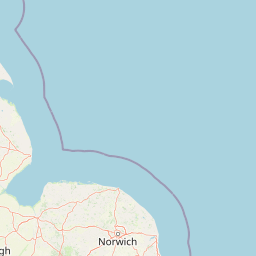
Marine Conservation Zone status provides formal recognition and protection for the seabed habitats and species within the boundary, helping to safeguard the reef against activities that could damage its ecological character. The protected area extends from about 200 metres offshore out to around 10 kilometres into the North Sea, running between Weybourne and Happisburgh along the North Norfolk coast.
The conservation effort was shaped by engagement with local communities. Concerns about coastal management, including the possibility that conservation status might restrict sea defence work, resulted in the boundary being set 200 metres from the shoreline rather than extending to the high tide mark. In practice, MCZ designation does not preclude coastal defence activity, but the dialogue around the boundary illustrates how marine protection in this part of Norfolk has been negotiated alongside the needs of a heavily used coastline.
Cromer Shoal Chalk Beds cultural meaning and human context
The chalk reef sits within a coastal region shaped by long-standing human interaction with the sea. The North Norfolk coast is characterised by fishing communities, tourism towns such as Cromer and Sheringham, and ongoing coastal management efforts to address erosion and flooding. The Cromer Shoal Chalk Beds designation reflects a balancing of these interests with marine conservation priorities.
Onshore, the same chalk substrate that forms the reef is visible to the public at locations like West Runton, where exposed chalk forms rock pools on the foreshore. This visible geology connects the offshore marine protected area with a publicly accessible counterpart on land, offering residents and visitors an opportunity to engage with the same geological fabric that defines the seabed further out.
The cultural context is also one of place-based identity, tied to the distinctive chalk cliffs, fossil-rich shoreline, and tourism economy of the North Norfolk coast. The Marine Conservation Zone forms part of how the region defines itself environmentally, alongside its existing heritage of geological and ecological interest.
Top sights and standout views in Cromer Shoal Chalk Beds
The defining qualities of the Cromer Shoal Chalk Beds are their scale, their geological distinctiveness, and their ecological richness. As the largest chalk reef in Europe, the site stands out within the southern North Sea, where chalk seabed geology is generally buried beneath shifting sediments and only revealed in pockets. The variety of life on the reef, with more than 700 marine species recorded, is unusually high for a marine habitat of this kind and includes species such as the locally unique sponge Hymedesmia sp. 'Parpal Dumplin'.
The setting along the North Norfolk coast, with onshore chalk exposures such as those at West Runton, gives the site a continuity with the wider chalk landscape of the region. The protected site's reach from around Weybourne to Happisburgh and its offshore extent of roughly 10 kilometres underline how large a marine area has been brought under conservation management, despite the compromises made during the boundary-setting process.
Best time to visit Cromer Shoal Chalk Beds
The Cromer Shoal Chalk Beds are best appreciated in conditions that suit exploring the North Norfolk coast generally. Calm seas and good visibility tend to favour boat-based or diving experiences offshore, while low spring tides offer the best opportunity to see the chalk geology on the shore, particularly at West Runton where rock pools form in the exposed chalk.
Summer months typically bring calmer conditions and longer days, making coastal exploration and beach activities more comfortable, while spring and autumn can offer quieter conditions and softer light along the coastline. Winter, while often more exposed, can be the season in which storms shift offshore sediments, sometimes leaving chalk features more visibly exposed along the foreshore. For divers and researchers, planning visits around forecasts of settled weather and clear water tends to yield the most rewarding encounters with the reef environment.